PAM Enzyme Effects On Hormones, Peptides & Health

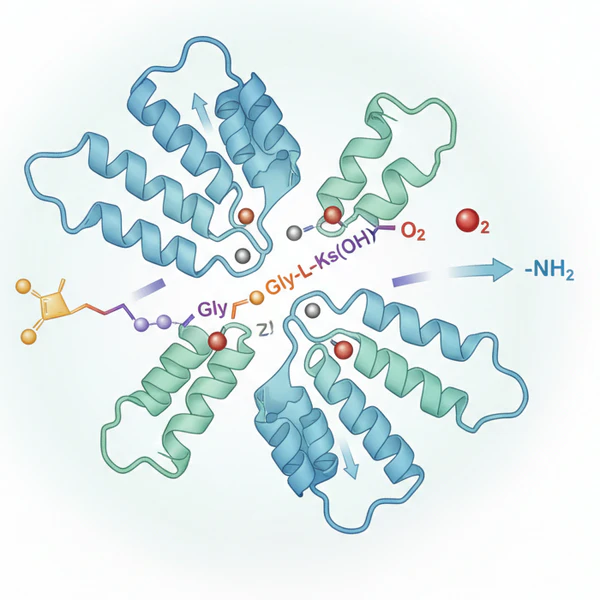
Key Takeaways PAM Basics What PAM Does PAM gives many peptide hormones and neuropeptides their active final form. The full name is peptidylglycine alpha amidating monooxygenase. It adds a small chemical group called an amide to the tail end of certain peptides. That last step can decide whether a signal is strong enough to do … Read more

Manage Blood Sugar Naturally With Simple Daily Habits

Key Takeaways Blood Sugar Basics Glucose & Insulin Blood sugar is the amount of glucose or sugar, moving through the blood. After a meal, insulin helps move that glucose into muscle, liver and other cells. When that system gets sluggish, blood sugar stays high for longer. Daily habits shape that rise and fall. Meal size, … Read more

Iodine & What the Highest Quality Evidence Shows

Key Takeaways What Iodine Does Thyroid Hormone Iodine is a trace mineral the body uses to make thyroid hormone. These hormones help control growth, brain development, body heat, and energy use. The need for iodine rises in pregnancy because the mother must support her own thyroid system and the developing baby’s brain at the same … Read more

Boost GLP 1 Naturally With Simple Gut Healthy Steps

Key Takeaways GLP 1 Basics Role In Appetite GLP 1 is a gut hormone, which means it is a signal made in the gut. It rises after eating and helps slow stomach emptying, reduce hunger, and support a steadier rise in blood sugar. That is why people often search for natural ways to increase GLP … Read more

Ghrelin Hormone Guide: Hunger, Sleep and Stress

Key Takeaways Ghrelin is one of the main signals that can make hunger feel urgent. It is not a moral issue or a willpower issue. It is biology, and it responds to sleep, stress, and how much food is coming in. Hunger Signal Basics Stomach To Brain Ghrelin is made mostly in the stomach and … Read more

Fat Burning Hormones That May Slow or Boost Results

Key Takeaways Body Fat Signals Fuel Release Body fat is stored energy. Your body has to release that energy before it can burn it. Fat cells release fatty acids into the blood, then muscles and other tissues can use them for fuel. Hormones help control each step, so fat loss depends on more than willpower. … Read more

How Insulin Regulates Blood Sugar

insulin

Key Takeaways Insulin Release Beta Cells Insulin keeps blood sugar within a safe range across the day. It is made by beta cells in the pancreas, which is a gland behind the stomach. These cells sense rising glucose in the blood, then release insulin into the bloodstream so other tissues can respond (Röder et al., … Read more

Metabolic Syndrome: Managing This Health Risk

Key Takeaways Metabolic syndrome describes a pattern of health signals that rise together. These signals include waist size, blood sugar, blood fats, and blood pressure. The pattern often traces back to insulin resistance, a state where cells stop responding well to insulin. Food choices, daily habits, and body fat distribution all affect these markers. Many … Read more

Insulin Resistance: What It Is & How to Manage It

Key Takeaways The Basics Insulin is a hormone from the pancreas that helps move glucose from blood into muscle and fat cells, and it also guides the liver on how much glucose to make. Think of insulin as a traffic officer that directs glucose to the right place. When everything is working, your blood sugar … Read more

Homeostasis: The Key to Optimal Health and Functioning

Key Takeaways Body Balance Steady Inside Homeostasis means your body keeps itself steady. Your body does this all day without you thinking about it. It adjusts temperature, blood sugar, fluid, minerals, stress hormones and energy. You feel better when these systems stay steady. Your body uses sensors everywhere. Your brain, nerves, liver, gut, muscles and … Read more