Bee Pollen Nutrition: What It Is & How to Use It
bee pollen

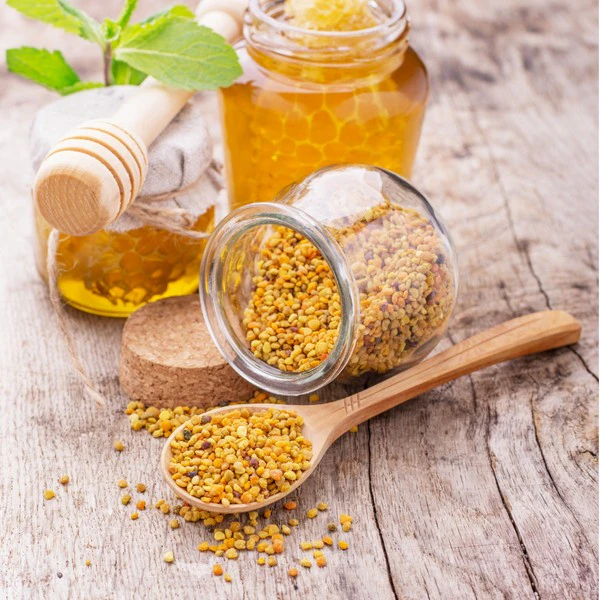
Key Takeaways Bee Pollen Basics What is It Bee pollen is a mix of flower pollen, nectar and bee secretions packed into small granules. Bees collect it from flowering plants and carry it back to the hive as food. Reviews describe it as a complex natural material rather than a single uniform ingredient because its … Read more
Plant Based Diet Downsides That Can Affect Health

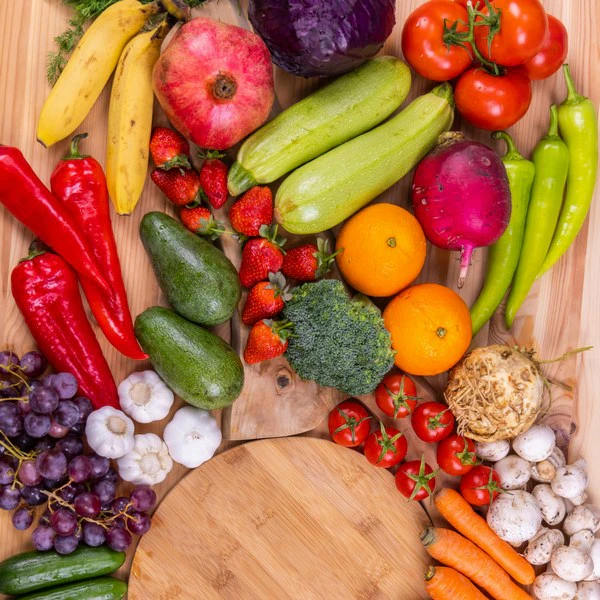
Key Takeaways Nutrient Gaps Vitamin B12 Vitamin B12 is one of the hardest nutrients to cover on a fully plant based diet because dependable natural sources come from animal foods. Reviews comparing vegans with meat eaters keep finding the same problem. Vegans tend to have lower intake and poorer blood status, with the risk rising … Read more

Nutritional Yeast for Health: What the Research Shows

nutritional yeast

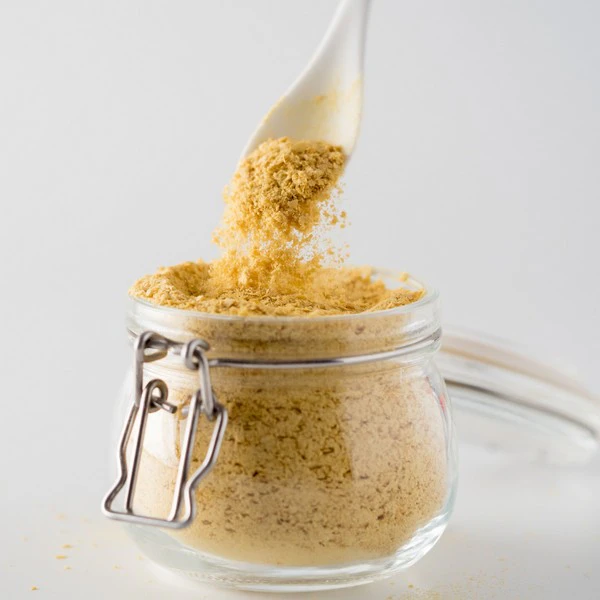
Key Takeaways What is Nutritional Yeast Inactive Yeast Nutritional yeast is an inactive form of Saccharomyces cerevisiae sold as flakes or powder with a savory taste. Harvard Health describes it as a seasoning used for a cheese like flavor, not as a stand alone staple food (1). Most people use one to three tablespoons at … Read more

Supplements Explained: Benefits & Risks

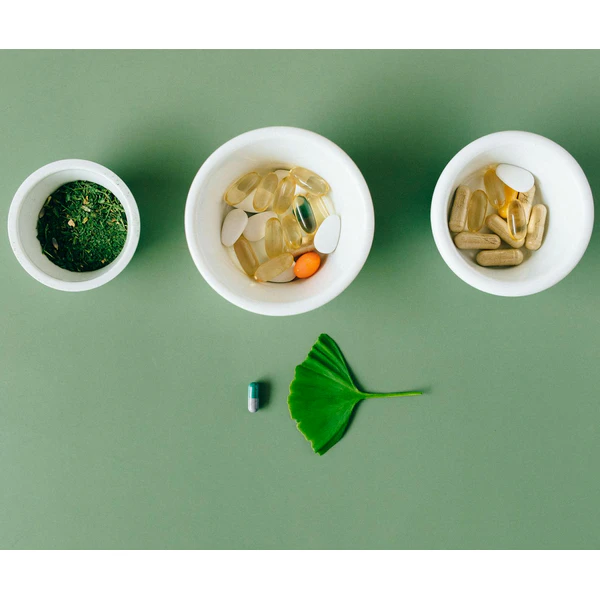
Key Takeaways Supplements are products that add vitamins, minerals, herbs, amino acids or other substances to the diet. They can help in some cases, but they are not a stand-in for meals built from real food [NIH ODS, 2023]. Food has protein, fat, minerals and other compounds together in a form the body knows well. … Read more

Top Signs Of Nutrient Deficiency

nutrient deficiency

Key Takeaways Low Energy Tired All Day Ongoing fatigue is one of the most common warning signs of nutrient deficiency. Iron deficiency can cut stamina, lower exercise tolerance, and make it harder to think clearly. Low B12 can do the same, especially when it affects red blood cells or nerve tissue. Low vitamin C and … Read more