Leaky Gut Research On Barrier Repair & Inflammation
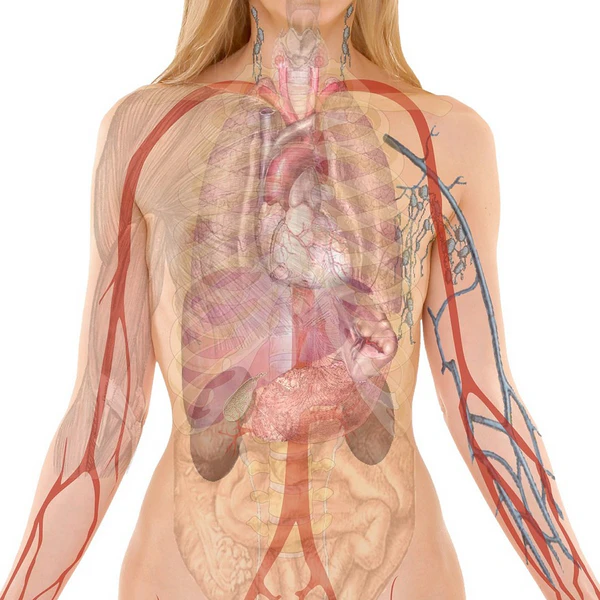
Key Takeaways Barrier Inflammation The term leaky gut is used for a real concept, intestinal permeability, plus a lot of confusion. The gut barrier is not one wall. The gut barrier is mucus, immune cells, microbes, digestive secretions and the tight junction proteins that regulate what crosses. Research ties higher permeability to inflammatory signaling in … Read more

Do Postbiotics Feed Good Bacteria & Calm Inflammation?

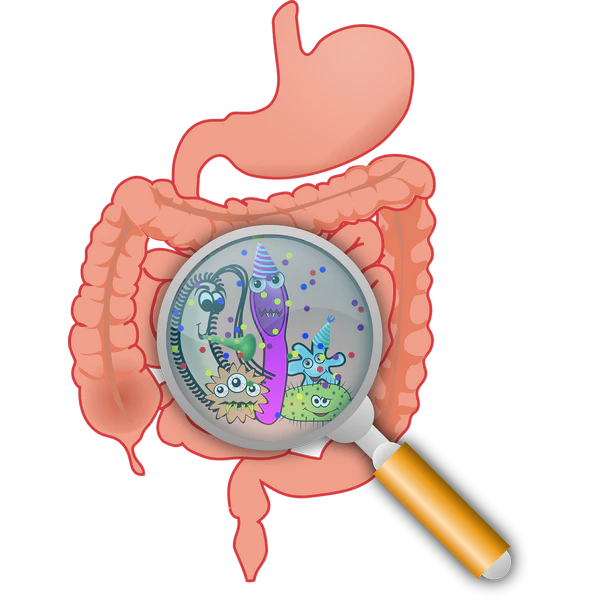
Key Takeaways Postbiotics Basics Gut Signals Postbiotics are made from microbes after they are no longer alive. They can include inactive bacteria, cell wall parts, proteins, enzymes and compounds made during fermentation. The current scientific definition describes a postbiotic as a preparation of inactive microbes or their parts that gives a health benefit to the … Read more

Vegetable Oil Health Risks: What Evidence Really Shows

vegetable oil

Key Takeaways What is Seed Oil The name vegetable oil deliberately creates the false impression of squeezing carrots and cabbages. The true source of so called vegetable oil usually means a liquid fat pressed and or chemically extracted from garbage seeds. Common types include soybean, rapeseed and safflower. Many of these oils have a high … Read more

Ultra-Processed Foods Health Effects Backed By Evidence

ultra processed food

Key Takeaways NOVA Basics Ultra-processed foods are not just foods that were cooked, canned or frozen. In the NOVA system, they are industrial formulations made with ingredients such as refined starches, sugars, oils, protein isolates, flavorings, colors, emulsifiers and sweeteners. These products are built to be ready to eat, highly tasty and easy to overuse … Read more

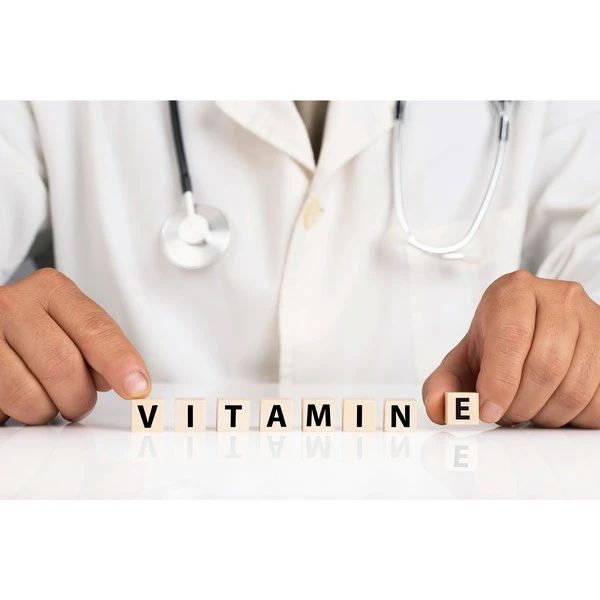
Vitamin E Complex Guide To Tocotrienols & Tocopherols

Key Takeaways Vitamin E Complex Four Tocopherols Vitamin E is a fat soluble nutrient family. It includes alpha, beta, gamma and delta tocopherol. It also includes alpha, beta, gamma and delta tocotrienol. Many labels still treat vitamin E as if alpha tocopherol is the whole story, though the full family has eight natural forms with … Read more

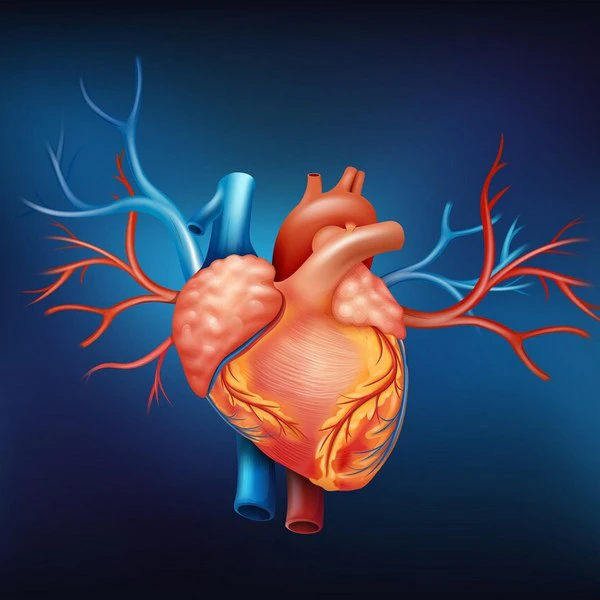
Proteolytic Enzymes & Heart Health: What the Research Shows

Key Takeaways Blood needs to flow with ease. The body makes clots to stop bleeding, then clears them when the job is done. This clean up step helps keep blood moving through small and large vessels. A group of enzymes may help with that process. These include Each one works in a different way, and … Read more

Arteriosclerosis vs Atherosclerosis: Main Differences

Key Takeaways Basic Meaning Arteriosclerosis is the broad term. It means the arteries have become thicker, harder, or less flexible. Healthy arteries stretch with each heartbeat. They help move blood forward without forcing the heart to push against too much pressure. When arteries become stiff, they lose some of that normal stretch. Arteriosclerosis can happen … Read more

Cholesterol Misconceptions: Separating Fact from Fiction

Key Takeaways Cholesterol has been blamed for heart disease for decades. Your body still uses cholesterol every day. Every cell needs it. The brain needs it. Hormones need it. Bile acids need it for fat digestion. A low cholesterol message makes the body sound poorly designed. The body makes cholesterol because cholesterol is useful. Cholesterol … Read more

Inflammation Causes & Effects

inflammation

Key Takeaways Inflammation Basics Normal Repair Inflammation is one of the body’s repair tools. It brings immune cells, fluid and chemical signals to an area that needs help. A cut, burn, infection or sprain can trigger swelling, heat, pain and redness because the body is trying to protect the tissue. Short inflammation usually has a … Read more

Oxidative Stress Causes, Effects & Natural Solutions

Key Takeaways Oxidative Stress Basics Cell Damage Oxidative stress means your body has more oxidants than it can control. Oxidants are reactive molecules that can damage fats, proteins and DNA when they rise too high. Your body makes some oxidants during normal energy work. Immune cells also use oxidants when they fight microbes. Small amounts … Read more