Key Takeaways
- Inflammation helps protect tissue after injury, infection or a clear immune threat.
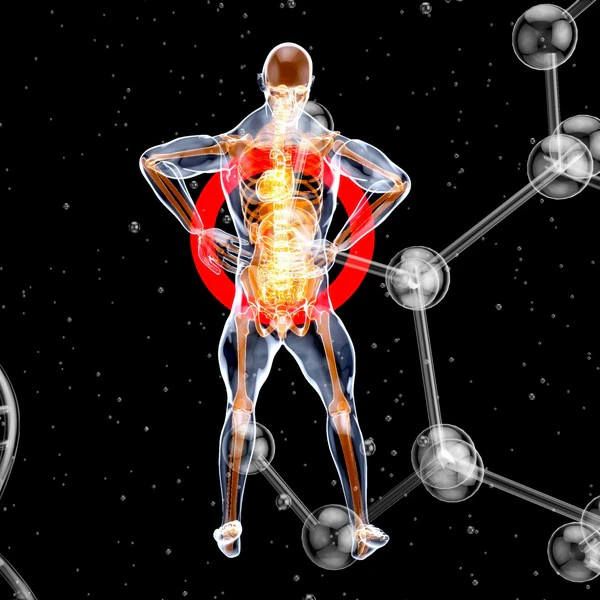
- Chronic inflammation can damage blood vessels, metabolism, joints, brain tissue and gut tissue.
- Excess iron can raise oxidative stress when the body cannot control it well.
- Copper helps enzymes handle iron, oxygen use and normal antioxidant defense.
- Food, sleep, sunlight, movement and lower toxic exposure can reduce daily inflammatory strain.
Inflammation Basics
Normal Repair
Inflammation is one of the body’s repair tools. It brings immune cells, fluid and chemical signals to an area that needs help.
A cut, burn, infection or sprain can trigger swelling, heat, pain and redness because the body is trying to protect the tissue.
Short inflammation usually has a clear job. It helps remove damaged cells, fight microbes and start repair.
The problem begins when the signal stays active for weeks, months or years after the original threat should be gone.
Medzhitov describes inflammation as a normal defense system that becomes harmful when control breaks down or the trigger does not end (1).
Chronic Fire
Chronic inflammation can stay quiet for a long time. You may not feel it as pain at first.
It can show up later through high blood sugar, high blood pressure, sore joints, skin problems, gut symptoms or poor recovery after stress.
Furman and colleagues describe chronic inflammation as a common driver across many age related diseases, including heart disease, diabetes, cancer and brain disease (2).
Inflammation should be judged by the setting. A short strong response after injury is useful.
A low grade response that keeps running through fat tissue, liver tissue or blood vessels can slowly damage the body.
Main Causes
Metabolic Stress
Metabolic stress is a major cause of chronic inflammation. High blood sugar, high insulin, fatty liver and excess body fat can keep immune signals active.
Fat tissue can release inflammatory chemicals when it grows beyond what the body can handle.
Hotamisligil described the link between inflammation and metabolic disorders in detail.
His work showed how immune signals and metabolic signals interact in obesity, insulin resistance and type two diabetes (3).
High C reactive protein and interleukin 6 can appear before type two diabetes develops.
Pradhan and colleagues found that higher levels of these inflammatory markers predicted future type two diabetes in women (4).
Visser and colleagues also found higher C reactive protein in overweight and obese adults (5).
Iron Stress
Iron is useful and dangerous at the same time. The body needs iron for oxygen transport and energy work.
Free or poorly controlled iron can also drive oxidative stress because it reacts easily with oxygen chemistry.
Galaris, Barbouti and Pantopoulos explain how iron control and oxidative stress are closely connected. When iron control breaks down, reactive iron can damage fats, proteins and DNA (6).
Blood vessels are sensitive to this chemistry. Cornelissen and colleagues describe how iron can affect inflammation inside atherosclerotic plaques and how iron handling connects with plaque biology (7).
Iron overload can also affect the gut. A 2024 study found that ferric citrate exposure caused colonic inflammation in an experimental model, with changes in oxidative stress and inflammatory signals (8).
Copper Balance
Copper helps the body handle oxygen chemistry and iron movement. It supports enzymes that work in energy production, antioxidant defense and iron export. Poor copper status can make iron control harder.
Ceruloplasmin is a copper carrying protein with ferroxidase activity. Harris and colleagues showed that ceruloplasmin has an essential role in cellular iron efflux in targeted gene disruption research (9).
Prohaska reviewed how copper limitation affects multicopper oxidases that support iron handling (10).
Vashchenko and MacGillivray also describe multicopper oxidases as key parts of human iron metabolism (11).
Copper does not work as a casual trend nutrient. Both low and high copper states can cause problems.
The main point is control. Iron, copper and oxidative stress sit close together inside inflammation biology.
Inflammation Is A Signal
Inflammation can rise from infection, injury, poor sleep, excess sugar, stress or tissue damage.
Body Effects
Blood Vessels
Inflammation can damage blood vessels over time. Immune cells enter the vessel wall, interact with fats and help form plaques. This process is more complex than a single cholesterol number.
Libby, Ridker and Maseri described atherosclerosis as an inflammatory disease process, with immune activity shaping plaque growth and plaque instability (12).
C reactive protein and interleukin 6 do not prove the whole cause by themselves. They show that immune signals often move with metabolic and vascular risk.
A person with poor blood sugar, high triglycerides and belly fat usually needs a wider review than one lab marker.
Liver & Gut
The liver handles sugar, alcohol, toxins and many blood fats. A stressed liver can become part of the inflammatory loop.
Fatty liver often travels with high insulin, high triglycerides and higher inflammatory markers.
The gut also responds to inflammatory pressure. Gut microbes, bile flow, food tolerance and iron exposure can all affect the lining.
Excess iron in the wrong place can feed unwanted microbes and increase oxidative stress.
A strong gut lining needs enough repair material. Protein, minerals, animal fats, sleep and steady meal timing all help the body lower strain.
Grains, seed oils, sweet drinks and fortified foods can add more stress for many people because they increase starch load, fragile fat exposure and synthetic nutrient exposure.
Brain & Joints
Inflammation can affect the brain through immune signals, oxidative stress and blood sugar changes.
Many people notice poor sleep, low mood or brain fog when the body stays inflamed. These symptoms can come from many causes, but metabolic stress deserves attention.
Joints also respond to inflammatory load. Pain and stiffness can worsen when sleep is poor, weight rises or blood sugar swings often.
Tissue repair becomes harder when the body keeps spending energy on immune stress.
Gutteridge and Halliwell describe the balance between useful redox signaling and damaging oxidative stress (13).
Check vs Skip
| Check | Skip |
|---|---|
| Sleep | Single cause claims |
| Blood sugar | Ignoring sugar |
| Infection signs | Ignoring sleep |
| Injury | Random anti inflammatory stacks |
Lowering Strain
Daily Inputs
The first step is removing daily irritants. Sweet drinks, alcohol, smoke, poor sleep and frequent starch intake can keep the body under pressure. Chronic stress can also raise blood sugar and worsen sleep.
Food should support repair instead of adding more work. Meat, eggs, seafood, butter and tallow provide protein, minerals and stable fats without the same glucose load as bread, cereal or juice.
Fortified grain products are a poor trade because added synthetic nutrients do not erase the starch load.
Sunlight, walking and strength work help metabolism when matched to recovery. Morning light supports circadian rhythm.
Walking after meals helps glucose handling. Strength work helps keep muscle, which gives the body more room to handle fuel.
Useful Testing
Inflammation needs context. C reactive protein, fasting insulin, triglycerides, HbA1c, liver enzymes and ferritin can give useful clues. Ferritin can rise with iron load, inflammation or both, so it should not be read alone.
Iron studies need a careful look. Serum iron, transferrin saturation, ferritin and blood counts give different information.
Copper related markers can also matter when iron handling looks confused, but results need trained interpretation.
Testing should guide action instead of creating panic. A single marker rarely explains everything. Better decisions come from the whole picture, including symptoms, waist size, food intake, sleep and toxic exposure.
For any health concerns or questions about a medical condition, get guidance from a physician or another appropriately trained clinician. Before changing your diet, supplements, or health routine, talk with a licensed healthcare professional.
Suggested Posts

Evidence Limits
Research
Medzhitov, R., 2008. Origin and physiological roles of inflammation. Nature, 454, 428 to 435. DOI 10.1038/nature07201. PMID 18650913.
Furman, D. et al., 2019. Chronic inflammation in the etiology of disease across the life span. Nature Medicine, 25, 1822 to 1832. DOI 10.1038/s41591 019 0675 0. PMID 31806905.
Hotamisligil, G.S., 2006. Inflammation and metabolic disorders. Nature, 444, 860 to 867. DOI 10.1038/nature05485. PMID 17167474.
Pradhan, A.D. et al., 2001. C reactive protein, interleukin 6, and risk of developing type 2 diabetes mellitus. JAMA, 286, 327 to 334. DOI 10.1001/jama.286.3.327. PMID 11466099.
Visser, M. et al., 1999. Elevated C reactive protein levels in overweight and obese adults. JAMA, 282, 2131 to 2135. DOI 10.1001/jama.282.22.2131. PMID 10591334.
Galaris, D., Barbouti, A. and Pantopoulos, K., 2019. Iron homeostasis and oxidative stress. An intimate relationship. Biochimica et Biophysica Acta Molecular Cell Research, 1866, 118535. DOI 10.1016/j.bbamcr.2019.118535. PMID 31430552.
Cornelissen, A., Guo, L., Sakamoto, A., Virmani, R. and Finn, A.V., 2019. New insights into the role of iron in inflammation and atherosclerosis. EBioMedicine, 47, 598 to 606. DOI 10.1016/j.ebiom.2019.08.014. PMID 31466961.
Xia, Y. et al., 2024. Investigation the mechanism of iron overload induced colonic inflammation following ferric citrate exposure. Ecotoxicology and Environmental Safety, 275, 116241. DOI 10.1016/j.ecoenv.2024.116241.
Harris, Z.L., Durley, A.P., Man, T.K. and Gitlin, J.D., 1999. Targeted gene disruption reveals an essential role for ceruloplasmin in cellular iron efflux. Proceedings of the National Academy of Sciences, 96, 10812 to 10817. DOI 10.1073/pnas.96.19.10812. PMID 10485908.
Prohaska, J.R., 2011. Impact of copper limitation on expression and function of multicopper oxidases ferroxidases. Advances in Nutrition, 2, 89 to 95. DOI 10.3945/an.110.000208. PMID 22332039.
Vashchenko, G. and MacGillivray, R.T.A., 2013. Multi copper oxidases and human iron metabolism. Nutrients, 5, 2289 to 2313. DOI 10.3390/nu5072289. PMID 23807651.
Libby, P., Ridker, P.M. and Maseri, A., 2002. Inflammation and atherosclerosis. Nature, 420, 868 to 874. DOI 10.1038/nature01323. PMID 12490960.
Gutteridge, J.M.C. and Halliwell, B., 2018. Oxidative stress, redox stress or redox success. Biochemical and Biophysical Research Communications, 502, 183 to 186. DOI 10.1016/j.bbrc.2018.05.045. PMID 30179614.
Collins, J.F., 2021. Copper nutrition and biochemistry and human pathophysiology. Advances in Food and Nutrition Research, 96, 311 to 364. DOI 10.1016/bs.afnr.2021.01.001.
Bo, S. et al., 2008. Associations of dietary and serum copper with inflammation, oxidative stress and metabolic variables in adults. The Journal of Nutrition, 138, 305 to 310. DOI 10.1093/jn/138.2.305.
Batey, R.G., Lai Chung Fong, P., Shamir, S. and Sherlock, S., 1980. A non transferrin bound serum iron in idiopathic hemochromatosis. Digestive Diseases and Sciences, 25, 340 to 346. DOI 10.1007/BF01308057. PMID 7371472.
Thackeray, E.W., Sanderson, S.O., Fox, J.C. and Kumar, N., 2011. Hepatic iron overload or cirrhosis may occur in acquired copper deficiency and is likely mediated by hypoceruloplasminemia. Journal of Clinical Gastroenterology, 45, 153 to 158. DOI 10.1097/MCG.0b013e3181dc25f7. PMID 20502350.
Uriu Adams, J.Y. and Keen, C.L., 2005. Copper, oxidative stress and human health. Molecular Aspects of Medicine, 26, 268 to 298. DOI 10.1016/j.mam.2005.07.015.
Wang, J. and Pantopoulos, K., 2011. Regulation of cellular iron metabolism. Biochemical Journal, 434, 365 to 381. DOI 10.1042/BJ20101825.
Wallander, M.L., Leibold, E.A. and Eisenstein, R.S., 2006. Molecular control of vertebrate iron homeostasis by iron regulatory proteins. Biochimica et Biophysica Acta Molecular Cell Research, 1763, 668 to 689. DOI 10.1016/j.bbamcr.2006.05.004.