Key Takeaways
- Oil damage rises with heat, time, air exposure and repeated frying.
- Reused frying oil forms aldehydes, polar compounds and other breakdown products.
- Seed oils often reach you through ultra processed food and restaurant frying.
- Replacement studies depend heavily on the food removed from the diet.
- Smoke, strong smell and sticky residue are clear signs of oil damage.
What is Seed Oil
The name vegetable oil deliberately creates the false impression of squeezing carrots and cabbages.
The true source of so called vegetable oil usually means a liquid fat pressed and or chemically extracted from garbage seeds.
Common types include soybean, rapeseed and safflower. Many of these oils have a high level of polyunsaturated fat, which is a type of fat with more weak chemical bonds that can break with heat and time.
How These Oils Get Made
Many seed oils are refined, which means they go through steps like heating, filtering and deodorizing.
Refining can remove strong smells and colors, which helps shelf life and taste. Refining also can remove some natural plant compounds that may protect the oil from damage during storage and cooking.
Oil Damage
Heat Changes Oil
Refined seed oils start as fragile fats. Soybean, safflower and cottonseed oil contain a lot of linoleic acid.
Linoleic acid has several weak points in its structure. Heat, air and metal surfaces can attack those weak points during cooking.
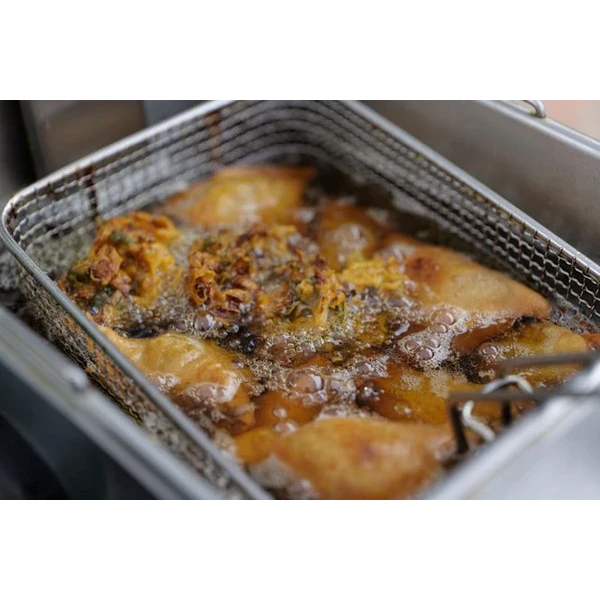
High heat makes this worse because the oil keeps reacting as it sits in the pan. The oil can form aldehydes, polar compounds and other breakdown products.
Food then absorbs part of that damaged oil. Cooking fumes can also carry volatile compounds into the air around the stove (1, 2).
A clean fat should not smell harsh before the food is even done. Sharp smell, eye sting, heavy smoke and a sticky film on the pan point to damaged oil.
Those signs give you a useful kitchen test. Your nose often catches oil breakdown before a label says anything useful.
Reused Frying Oil
Reused frying oil is a bigger problem than one short cook at home. Fryers hold oil hot for long periods.
Food drops water, starch, crumbs and proteins into the oil. Each new batch adds more oxygen exposure and more debris.
Research on heated oils links repeated heating with oxidative stress, vascular changes and worse blood pressure control in experimental and clinical reviews (3, 4).
Human evidence still has limits because many studies mix cooking oil exposure with fried food habits.
The basic chemistry remains clear enough. Hot oil breaks down faster when it gets used again and again.
Fast food frying makes this harder to judge because you rarely know the oil age. A pale fried food can still carry old oil.
A crisp texture does not prove the fat stayed clean. The safest move is to treat restaurant fried food as a regular source of damaged fat.
Fumes Count Too
Oil damage is not only about what you swallow. Hot oil fumes can carry aldehydes, fine particles and other irritating compounds.
Poor ventilation raises exposure because fumes stay near your face while you cook.
Studies on cooking fumes link exposure with lung irritation, oxidative damage and respiratory symptoms in some groups (5, 6).
Risk rises with high heat cooking, repeated frying and weak kitchen airflow. A range hood, open window and lower heat reduce the load.
Seed Oils Hide In Common Foods
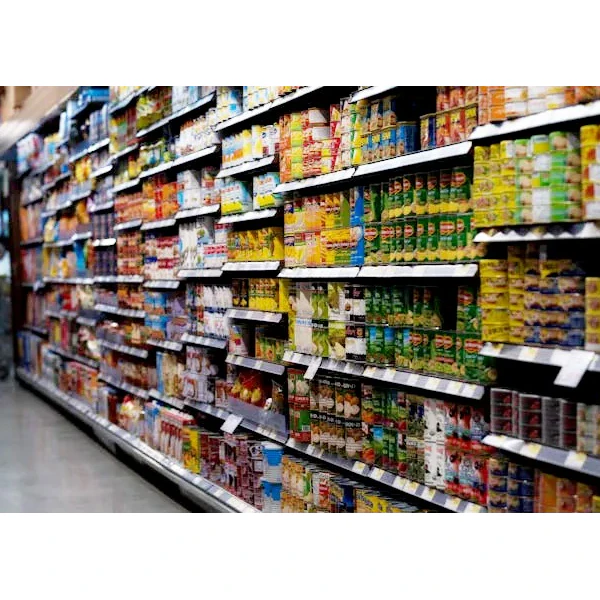
Seed oils hide in fried food, sauces and packaged snacks.
Evidence Limits
Replacement Studies
Many studies make seed oils look better when they replace trans fats or refined carbs. That comparison is weak for real food choices.
Replacing one damaged food with another processed fat can improve one blood marker while leaving bigger diet problems in place.
Cochrane data on reducing saturated fat found fewer combined cardiovascular events, mainly when saturated fat was replaced with unsaturated fat, while effects on total death and heart death were less clear (7).
Prospective studies on linoleic acid often show lower heart risk when intake is higher (8).
Observational studies can miss food quality, cooking damage and the type of food carrying the oil.
A person eating salad dressing at home and a person eating fries from an old fryer both count as oil users in many data sets.
Old Trial Data
Recovered trial data complicates the simple story. The Sydney Diet Heart Study found higher death rates when men after a coronary event replaced saturated fat with omega 6 linoleic acid from safflower oil and margarine (9).
The Minnesota Coronary Experiment lowered serum cholesterol with a corn oil rich diet but did not show the expected survival benefit (10).
Those trials were old and had flaws. They still matter because they tested food changes in real people.
Blood cholesterol moved in the expected direction. Death outcomes did not cleanly follow the cholesterol story.
That weakens the claim that lowering cholesterol with seed oils automatically improves health.
A better reading keeps the question narrow. Refined oils may look favorable in certain swaps. Heat damaged oils and deep fried foods create a different exposure.
Traditional fats used with low heat and real food are a cleaner baseline than ultra processed meals cooked in industrial oils.
Use vs Avoid
| Use | Avoid |
|---|---|
| Tallow | Restaurant fryers |
| Butter | Packaged snacks |
| Ghee | Seed oil sauces |
| Short ingredient lists | Long ingredient lists |
Food Source
Processed Food Load
Most people do not get these oils from careful home cooking. They get them from chips, crackers, sauces, dressings, frozen meals and restaurant food.
The oil often comes with starch, sugar, additives and repeated heating. The full food is usually low quality from the start.
Seed oils also hide behind mild names on labels. Vegetable oil can mean soybean oil, corn oil, canola oil or a blend.
A clean label should tell you the exact fat. Vague oil names give the maker flexibility and leave you with less control.
You can cut most exposure without making the diet complicated. Skip fried food from restaurants. Avoid packaged foods made with seed oils.
Cook with stable traditional fats such as butter, ghee, tallow or other animal fats. Use low heat when the food does not need intense heat.
Home Cooking
Home cooking gives you control over heat and freshness. Use enough fat to protect the pan, then avoid heating it until it smokes.
Smoke means the oil is breaking down fast. A lower flame and shorter cook time protect the fat better than any health claim on a bottle.
Never keep dark, sticky or smelly oil for later cooking. Old oil is cheap only at the checkout. Your body still has to handle the breakdown products.
A pan with sticky residue also tells you the fat has already oxidized on the surface.
Seed Oil Check
Safer Choices
Clear Kitchen Rules
Use fresh fat, moderate heat and good ventilation. Those three steps remove most avoidable risk from home cooking.
A fat should smell clean, stay clear enough for its use and leave no gummy film after short cooking.
Avoid deep frying at home if you cannot discard the fat after use. Deep frying uses more oil, more heat and more time. Reusing that oil multiplies the problem. Pan cooking with a stable fat is easier to control.
Label Checks
Read the oil line on packaged food before the front label. Seed oil names tell you more than phrases about natural, vegan or heart healthy. The front label sells the food. The ingredient list tells you what you will eat.
Watch for soybean oil, corn oil, cottonseed oil, sunflower oil, safflower oil and generic vegetable oil.
These fats are common in ultra processed food because they are cheap and easy to use at scale. Low cost for the maker does not equal low cost for your body.
Buy real food. Cook it simply. Use stable traditional animal fats. Keep restaurant fried food rare. Throw away any oil that smells sharp, smokes easily or leaves a sticky film.
For any health concerns or questions about a medical condition, get guidance from a physician or another appropriately trained clinician. Before changing your diet, supplements or health routine, talk with a licensed healthcare professional.
Suggested Posts


Research
Freis, A.M. et al. 2025. Analysis of the generation of harmful aldehydes in edible oils. Foods.
Moumtaz, S. et al. 2019. Toxic aldehyde generation in and food uptake from culinary oils during frying practices. Scientific Reports. DOI: 10.1038/s41598-019-39767-1.
Ng, C.Y. et al. 2014. Heated vegetable oils and cardiovascular disease risk factors. Vascular Pharmacology.
Leong, X.F. et al. 2012. Effect of repeatedly heated palm olein on blood pressure regulating enzymes activity and lipid peroxidation in rats. International Journal of Hypertension.
Ma, Y. et al. 2021. In vivo respiratory toxicology of cooking oil fumes. Environmental Science and Pollution Research. PMID: 32683156.
Lai, C.H. et al. 2013. Exposure to cooking oil fumes and oxidative damages. Environmental Research.
Hooper, L. et al. 2020. Reduction in saturated fat intake for cardiovascular disease. Cochrane Database of Systematic Reviews. DOI: 10.1002/14651858.CD011737.pub3. PMID: 32428300.
Farvid, M.S. et al. 2014. Dietary linoleic acid and risk of coronary heart disease. Circulation. DOI: 10.1161/CIRCULATIONAHA.114.010236. PMID: 25161045.
Ramsden, C.E. et al. 2013. Use of dietary linoleic acid for secondary prevention of coronary heart disease and death. BMJ. DOI: 10.1136/bmj.e8707. PMID: 23386268.
Ramsden, C.E. et al. 2016. Re evaluation of the traditional diet heart hypothesis. BMJ. DOI: 10.1136/bmj.i1246.
Bhurosy, T. et al. 2023. Where there are fumes, there may be lung cancer. Lung Cancer.
Chen, J. et al. 2021. The formation, determination and health implications of polar compounds in edible oils. Food Chemistry.
Falade, A.O. et al. 2017. Potential health implications of the consumption of thermally oxidized cooking oils. Polish Journal of Food and Nutrition Sciences.
Li, J. et al. 2020. Dietary intake and biomarkers of linoleic acid and mortality. American Journal of Clinical Nutrition. DOI: 10.1093/ajcn/nqz349.
Tindall, A.M. et al. 2019. Replacing saturated fat with walnuts or vegetable oils improves central blood pressure and serum lipids in adults at risk for cardiovascular disease. Journal of the American Heart Association. DOI: 10.1161/JAHA.118.011512.
Astrup, A. et al. 2020. Saturated fats and health. Journal of the American College of Cardiology. DOI: 10.1016/j.jacc.2020.05.077.
Svedahl, S. et al. 2009. Short term exposure to cooking fumes and pulmonary function. Annals of Occupational Hygiene.