Glutathione Recycling Vs Glutathione Production
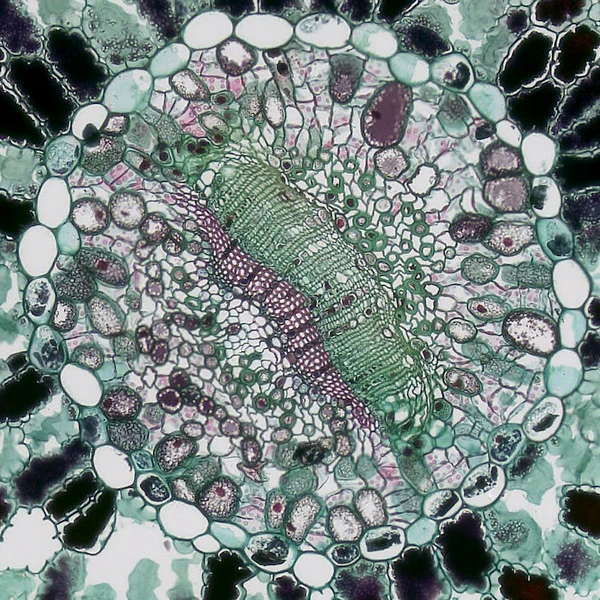
Glutathione

Key Takeaways Your Glutathione Supply Two Forms In Cells You carry glutathione inside your cells to handle reactive compounds created during normal metabolism. One form is ready to work and one form is used up after it does the work. Labs often describe these as reduced glutathione and oxidized glutathione, and the shift between them … Read more
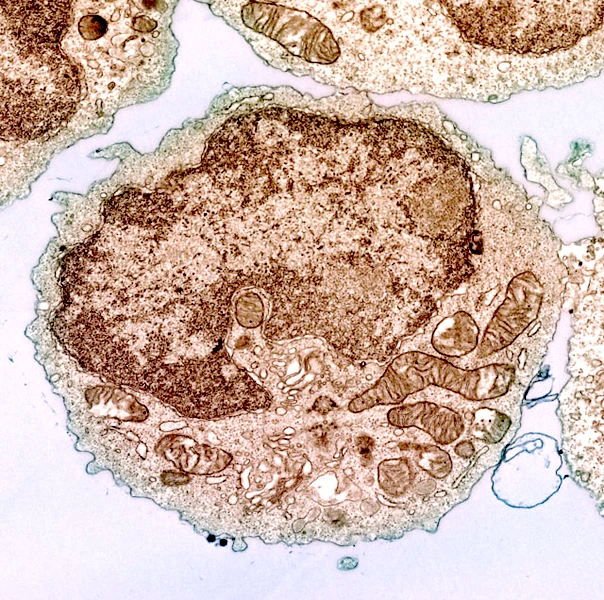
Free Radicals, When They Help & When They Harm

Key Takeaways Useful Effects Cell Signals Free radicals help cells send messages that guide repair, defense, and energy use. These small reactive molecules are made all day inside the body, mainly in mitochondria during energy production and by immune cells during defense. It helps switch on repair systems, stress responses, and training adaptation when the … Read more

Glutathione Deficiency: Causes, Signs & Health Effects

Key Takeaways What Glutathione Does Cell Defense Glutathione is a small compound made from three amino acids called glutamate, cysteine, and glycine. Your cells make it all day. Its main job is to keep the inside of the cell in a safe chemical state so proteins, fats, and DNA do not take too much damage … Read more

DNA & Longevity: Can You Live to 200?

dna

Key Takeaways DNA & Lifespan Genetic Load DNA carries instructions for repair, immune defense, hormone signals, cancer control and energy production. Some people inherit stronger protection in these systems. That can help them live longer with fewer major diseases. Longevity studies often find links with genes tied to stress resistance, inflammation and insulin signaling. Genes … Read more

How Your Cells Keep Their Shape Under Pressure

Key Takeaways Cell Shape Basics Cells live under constant pressure. Blood flow pushes on vessel cells, muscles stretch and relax, and immune cells squeeze through tight gaps. A cell stays intact because force gets shared across connected parts, not because one part is strong enough on its own. Mechanotransduction research describes how physical force at … Read more

Proteolytic Enzymes & Heart Health: What the Research Shows

Key Takeaways Blood needs to flow with ease. The body makes clots to stop bleeding, then clears them when the job is done. This clean up step helps keep blood moving through small and large vessels. A group of enzymes may help with that process. These include nattokinase, serrapeptase, lumbrokinase, and bromelain. Each one works … Read more

Glycation: How Sugar Stiffens Arteries

Key Takeaways Glycation is one of the quiet ways sugar changes your body over time. It can make the fibers in your artery walls less springy, even before you feel anything wrong. Glycation Process Sugar Sticks Glycation is a non enzymatic reaction. That means sugar can attach to proteins without your body choosing it. The … Read more

Is Red Meat Bad For Your Heart In Everyday Meals

Key Takeaways Beef & Human Nutrition Nutrient Dense Food Beef gives dense, easy to use nutrition in a small amount of food. It brings complete protein, heme iron, zinc, selenium, B12, creatine, carnitine, and fat that helps with fullness after a meal. That makes beef a strong fit for people who want fewer meals, steadier … Read more

Inflammation Causes & Effects

inflammation

Key Takeaways Inflammation Basics Normal Repair Inflammation is one of the body’s repair tools. It brings immune cells, fluid and chemical signals to an area that needs help. A cut, burn, infection or sprain can trigger swelling, heat, pain and redness because the body is trying to protect the tissue. Short inflammation usually has a … Read more

Oxidative Stress Causes, Effects & Natural Solutions

Key Takeaways Oxidative Stress Basics Cell Damage Oxidative stress means your body has more oxidants than it can control. Oxidants are reactive molecules that can damage fats, proteins and DNA when they rise too high. Your body makes some oxidants during normal energy work. Immune cells also use oxidants when they fight microbes. Small amounts … Read more