Key Takeaways
- Glycation binds sugar to proteins in your arteries
- Cross links make arteries thick, stiff, and less elastic
- High blood sugar speeds up arterial aging
- Nutrient dense foods support flexible vessel walls
- Animal based, low sugar eating lowers glycation load
Glycation is one of the quiet ways sugar changes your body over time. It can make the fibers in your artery walls less springy, even before you feel anything wrong.
Glycation Process
Sugar Sticks
Glycation is a non enzymatic reaction. Sugar can attach to proteins without your body choosing it. The longer sugar stays high in the blood, the more chances it has to stick.
Over time, early glycation products can keep reacting and turn into advanced glycation end products, often called AGEs. (Hegab et al., 2012)
This is not just a diabetes issue. Diabetes makes it faster, but the process exists in everyone. It is one reason aging and long term high blood sugar can look similar at the tissue level.
Cross Links
Your arteries are built with strong fibers, mainly collagen and elastin. They need to stretch with each heartbeat, then recoil. AGEs can form cross links between these fibers.
Think of it like extra knots tied into a net. The net still holds, but it does not stretch the same way.
Cross linking of collagen is one proposed reason arterial stiffness rises with age and diabetes. (Wolffenbuttel et al., 1998)
Aging
Even with normal blood sugar, glycation products can build up slowly over decades.
When blood sugar runs high more often, the sticky time increases. That speeds up accumulation and makes the wall less elastic earlier in life.
Why Stiff Arteries Matter
Collagen
Elastin gives arteries their stretch. Collagen gives strength so the wall does not balloon. In a healthy vessel, these fibers slide and share load smoothly.
When glycation adds cross links, that movement gets restricted. The artery can become thicker, less compliant, and more reactive to pressure changes.
Stiffer arteries can push systolic blood pressure up and widen pulse pressure. It also increases the workload on the heart.
Arterial stiffness has many causes, but AGEs are one mechanism discussed in major reviews on the topic. (Zieman et al., 2005)
Endothelium
The artery wall is not only fibers. The inner lining is the endothelium. AGEs can interact with receptors such as RAGE on vascular cells and drive oxidative stress and inflammatory signaling.
That can reduce nitric oxide availability and harm normal vessel relaxation.
A coronary artery study described AGE-RAGE related oxidative stress as central to endothelial dysfunction in their model. (Gao et al., 2008)
Oxidative Stress
High glucose does more than make sugar stick. It can also increase oxidative stress inside cells, which can amplify damage pathways and worsen endothelial function.
A well known mechanistic paper connected hyperglycemia to oxidative stress driven pathways tied to diabetic complications. (Du et al., 2001)
You do not need the biochemistry to act on this. The daily goal is steadier blood sugar, fewer spikes, and better recovery.
Sweet Drinks Move Fast
Liquid sugar is easy to consume quickly and can push blood sugar higher.
Diet & Cooking
Blood Sugar
Arteries do not get damaged by one dessert. The bigger issue is repeated high glucose exposure across the day, especially in people who already have insulin resistance.
If you want a simple rule, stop grazing. Eat 1 to 3 real meals. That gives blood sugar and insulin time to return to baseline.
High Heat
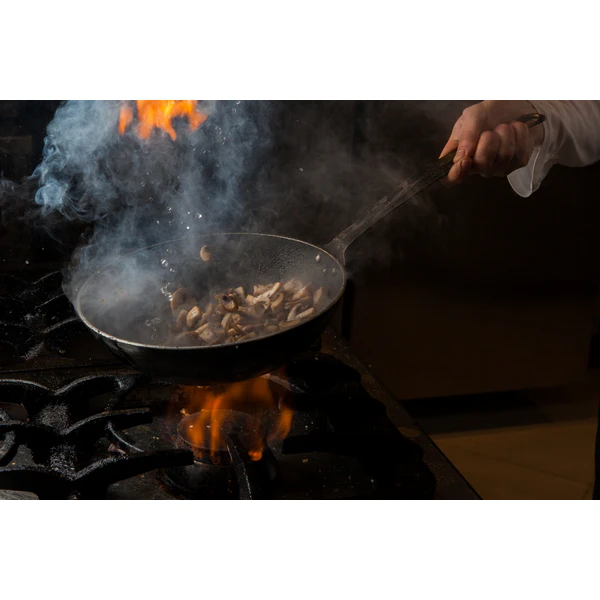
AGEs are not only made inside the body. They can also form in food during cooking, especially with dry high heat.
Grilling, frying, broiling, and roasting at high temperature can create more dietary AGEs than moist methods like stewing or boiling.
A practical review on AGEs in foods noted that moist heat, lower temperatures, shorter cooking times, and acidic ingredients can reduce formation during cooking. (Uribarri et al., 2010)
If you eat a lot of browned, crispy, charred foods daily, you are stacking exposure, you raise glucose more easily and you bring in more preformed AGEs.
Seed Oils
Industrial seed oils are a separate issue from AGEs, but they are often in the same ultra-processed snacks, fried restaurant meals and packaged sauces.
These fats can oxidize easily during processing and high heat cooking. Oxidized lipids add oxidative stress load, which can worsen vascular irritation.
If you are serious about vessel flexibility, removing seed oils is one of the cleanest steps you can take. Cook with stable animal fats and keep restaurant fried foods rare.
Use vs Avoid
| Use | Avoid |
|---|---|
| Water | Soda |
| Mineral water | Juice |
| Protein meals | Sweet coffee drinks |
| Whole food meals | Frequent desserts |
Strategies
Stable Blood Sugar
The most direct way to lower glycation pressure is to lower glucose exposure. For many people, that means an animal based, low sugar way of eating built on ruminant meat and animal fat.
This kind of structure tends to:
- Reduce glucose spikes by removing refined carbs
- Increase satiety so you can stop snacking
- Make meals simpler and more repeatable
Build meals around beef, lamb, bison or goat. Keep the natural fat. Add eggs if you tolerate them.
If you include carbs, choose them on purpose and keep them low enough that your energy and hunger stay steady.
Avoid fortified foods. They often hide poor food quality and add synthetic isolates that do not behave like real food in the body.
Cooking
You do not have to fear the grill. You just do not want char as a daily staple.
Simple kitchen swaps:
- Braise, stew, slow cook, or pressure cook tougher cuts
- Use gentle heat and shorter cook times when possible
- If you grill, avoid heavy charring and cut off blackened edges
- Use acidic marinades when they fit your digestion
These steps are consistent with dietary AGE guidance in narrative reviews that focus on cooking method changes, especially shifting from dry high heat to low heat with moisture. (Garay-Sevilla et al., 2020)
Minerals & Cofactors
Glycation is not only about sugar. The vessel wall also needs the right raw materials to relax, repair, and manage stress.
Food first priorities:
- Shellfish for copper and trace minerals
- Beef and lamb for zinc, selenium, and B vitamins in whole food form
- Organ meats, especially liver, for retinol, copper, and nutrient density
Magnesium is important for vascular tone. If your diet and lifestyle make it hard to get enough, magnesium glycinate or malate are good options.
For iodine, seafood is the most steady food source. Seaweed can be very high and unpredictable, so use caution, especially if you have thyroid issues. Avoid refined iodized salt. Use unrefined sea salt if you tolerate it.
Practical Markers
You do not need a special AGE cleanse. You need calmer inputs and better recovery.
Look for:
- Fewer cravings between meals
- Stable energy for 4 to 6 hours after eating
- Better sleep onset and fewer night wakeups
- Less puffiness and less joint stiffness after high carb meals are removed
On labs, your clinician may track fasting glucose, fasting insulin, A1c, triglycerides, and sometimes markers of inflammation. The main win is improved metabolic signals that reduce glucose exposure time, which lowers glycation pressure at the source.
Before changing your diet, supplements, or health routine, talk with a licensed healthcare professional. For any health concerns or questions about a medical condition, get guidance from a physician or another appropriately trained clinician.
Suggested Posts
Evidence Limits
Research
Brownlee, M. et al., 2001. Biochemistry and molecular cell biology of diabetic complications. Nature.
Goldin, A. et al., 2006. Advanced glycation end products: sparking the development of diabetic vascular injury. Circulation.
Singh, R. et al., 2001. Advanced glycation end-products: a review. Diabetologia.
Zieman, S.J. et al., 2005. Mechanisms, pathophysiology, and therapy of arterial stiffness. Arteriosclerosis, Thrombosis, and Vascular Biology.
Ahmed, N., 2005. Advanced glycation endproducts—role in pathology of diabetic complications. Diabetes Research and Clinical Practice.
Vlassara, H. and Palace, M.R., 2002. Diabetes and advanced glycation endproducts. Journal of Internal Medicine.
Thorpe, S.R. and Baynes, J.W., 2003. Maillard reaction products in tissue proteins: new products and new perspectives. Amino Acids.
Rabbani, N. and Thornalley, P.J., 2015. Advanced glycation end products in the pathogenesis of chronic kidney disease. Kidney International.
Uribarri, J. et al., 2010. Advanced glycation end products in foods and a practical guide to their reduction in the diet. Journal of the American Dietetic Association.
Kass, D.A. et al., 2001. Improved arterial compliance by a novel advanced glycation end-product crosslink breaker. Circulation.
Sell, D.R. et al., 2012. Glucosepane is a major protein cross-link of the senescent human extracellular matrix. Journal of Biological Chemistry.
Monnier, V.M. et al., 2005. Cross-linking of the extracellular matrix by the Maillard reaction in aging and diabetes: an update on “a puzzle nearing resolution”. Annals of the New York Academy of Sciences.