Magnesium Benefits for Modern Life, Stress, Sleep & Cellular Energy

Key Takeaways Magnesium & Cellular Energy ATP & Energy Use Every cell runs on ATP. ATP stands for adenosine triphosphate. This molecule carries energy that powers cell work. Magnesium binds to ATP and makes it active inside the cell. Without it, ATP cannot perform its normal energy function (de Baaij et al., 2015). For this … Read more

Proteolytic Enzymes & Heart Health: What the Research Shows

Key Takeaways Blood needs to flow with ease. The body makes clots to stop bleeding, then clears them when the job is done. This clean up step helps keep blood moving through small and large vessels. A group of enzymes may help with that process. These include nattokinase, serrapeptase, lumbrokinase, and bromelain. Each one works … Read more

Homocysteine & Human Health: What Research Reveals

homocysteine

Key Takeaways Homocysteine is a natural amino acid byproduct made in the body. It forms when methionine, an amino acid from food, is used for daily cell work. The body usually recycles homocysteine or breaks it down with help from key nutrients. When that process slows down, blood homocysteine can rise. Research has linked high … Read more

Advanced Glycation End Products & Chronic Disease

Key Takeaways What Are AGEs Basic Idea Advanced glycation end products, often called AGEs, are compounds that form when sugars bind to protein or fat and then change shape over time. This process is called glycation. It can happen inside the body, and it can also happen during cooking. AGEs build faster when heat is … Read more

Glycation: How Sugar Stiffens Arteries

Key Takeaways Glycation is one of the quiet ways sugar changes your body over time. It can make the fibers in your artery walls less springy, even before you feel anything wrong. Glycation Process Sugar Sticks Glycation is a non enzymatic reaction. That means sugar can attach to proteins without your body choosing it. The … Read more

TMAO Red Meat & Heart Health

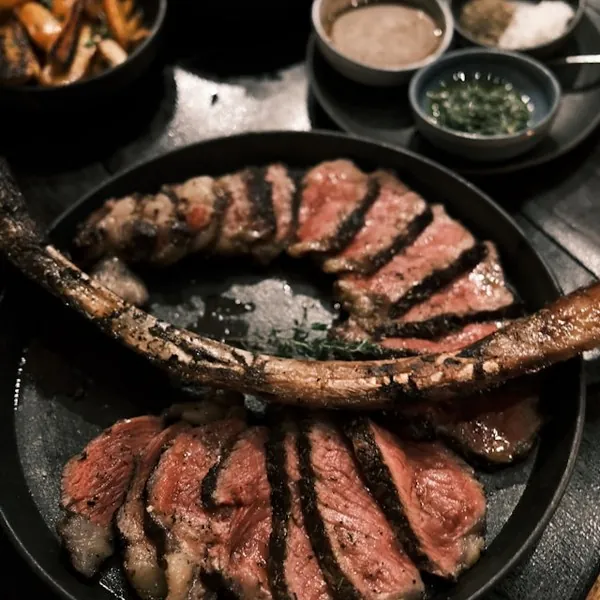
Key Takeaways Trimethylamine N-oxide Name & Path Trimethylamine N-oxide is a small compound found in blood and urine. The body can make it after gut microbes break down parts of food such as choline, carnitine, and betaine. The liver then turns that first byproduct into TMAO through a second step ((Mueller et al., 2015); (Tang … Read more

Is Red Meat Bad For Your Heart In Everyday Meals

Key Takeaways Beef & Human Nutrition Nutrient Dense Food Beef gives dense, easy to use nutrition in a small amount of food. It brings complete protein, heme iron, zinc, selenium, B12, creatine, carnitine, and fat that helps with fullness after a meal. That makes beef a strong fit for people who want fewer meals, steadier … Read more

Remnant Cholesterol Explained Beyond LDL And Triglycerides

remnant cholesterol

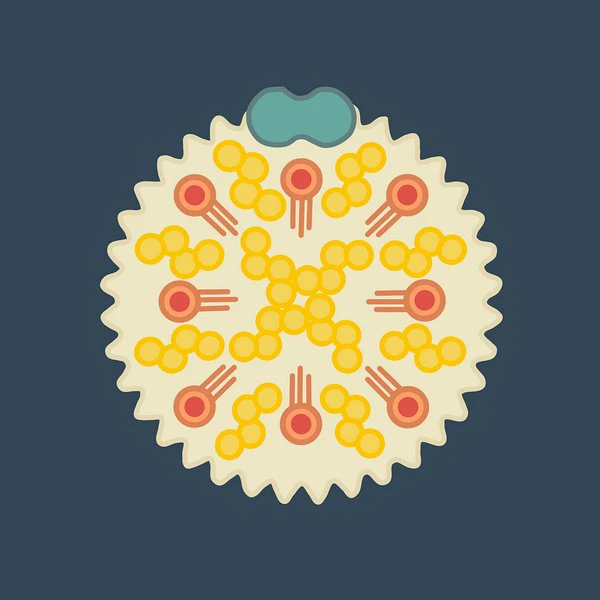
Key Takeaways What Is Remnant Cholesterol Cholesterol In Leftover Carriers Remnant cholesterol is not a new type of cholesterol. It is the cholesterol sitting inside leftover fat carrying particles after much of their triglyceride load has been stripped away. Blood uses lipoproteins to move fat, because fat does not mix with water. Two lipoproteins feed … Read more

Arteriosclerosis vs Atherosclerosis: Main Differences

Key Takeaways Basic Meaning People often use these two words as if they mean the same thing. That mix-up is common, but the terms describe different changes in the arteries. Arteriosclerosis is the broad term. It means the arteries become thicker, less elastic, and more stiff over time. That change can happen with age, high … Read more

Atherosclerosis Prevention Strategies: Insights From Scientific Research

atherosclerosis

Key Takeaways Atherosclerosis is a slow disease of the artery wall. It does not start from one cause alone. It grows from repeated injury, immune activity, poor blood sugar control, smoking, high blood pressure, and other stress that build up over many years. The body makes cholesterol because it is vital for cell walls, bile … Read more

How To Lower Triglycerides Fast

Key Takeaways Cut The Main Drivers Cut Sugar First A fast drop in triglycerides often starts with less sugar. The liver can turn extra carbohydrate into triglycerides, especially when meals lean on sweet drinks, desserts, bread, pasta, cereal, and snack foods. Controlled feeding work found that high carbohydrate intake can raise triglyceride production in the … Read more

What Damages Blood Vessels And How To Prevent It

Key Takeaways The Vessel Lining Endothelium Basics The endothelium is the thin layer of cells that lines the inside of arteries, veins, and tiny blood vessels. This layer helps control blood flow, keeps blood from clotting too easily, and helps the vessel wall stay smooth and calm. When this lining works well, blood moves with … Read more

Triglycerides: Levels & Range Explained

Key Takeaways What Are Triglycerides Fuel In The Blood Triglycerides are a type of fat the body stores for energy, then uses later when food is not coming in. They are made from three fatty acids joined to a glycerol backbone, which is a small structure that holds them together. Blood is water based, so … Read more

Heart Health Tips For Daily Energy And Wellness

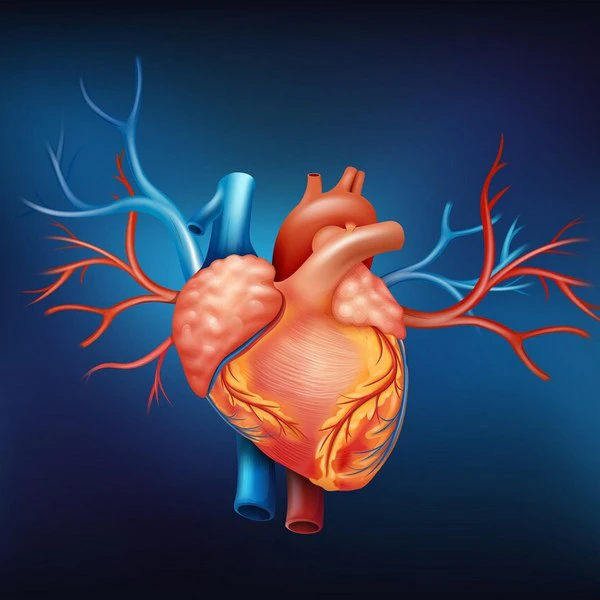
Key Takeaways Heart Work Busy Cell Design The heart never gets a true rest period, because it keeps beating through sleep, work, worry, meals, heat, and movement. Most muscles stop and start through the day, but the heart keeps working without pause from birth to death. That nonstop workload helps explain why small strains can … Read more

Cholesterol Misconceptions: Separating Fact from Fiction

Key Takeaways Cholesterol Basics Cholesterol often gets blamed for heart disease. Yet the body depends on it every day. Every cell uses cholesterol to stay strong and flexible. Cholesterol also helps produce key hormones and bile for digestion. Cholesterol is a wax-like fat found in every cell. It supports many basic functions. The brain contains … Read more