Key Takeaways
- TMAO is a body chemical shaped by food, gut bugs, and kidneys.
- Red meat alone does not explain a high TMAO result.
- Fish can raise TMAO fast, sometimes more than meat does.
- Kidney health and blood sugar control can shift the number.
- A single lab result should never drive fear around whole foods.
Trimethylamine N-oxide
Name & Path
Trimethylamine N-oxide is a small compound found in blood and urine. The body can make it after gut microbes break down parts of food such as choline, carnitine, and betaine.
The liver then turns that first byproduct into TMAO through a second step ((Mueller et al., 2015); (Tang et al., 2013)).
That long path helps explain why the topic gets muddled so fast. Food is only one part of the chain. Gut flora, liver handling, meal timing, and waste clearance all shape the final number.
A blood test for TMAO does not act like a camera that points straight at red meat. It acts more like a blurry signal from several body systems at once.
Food Sources
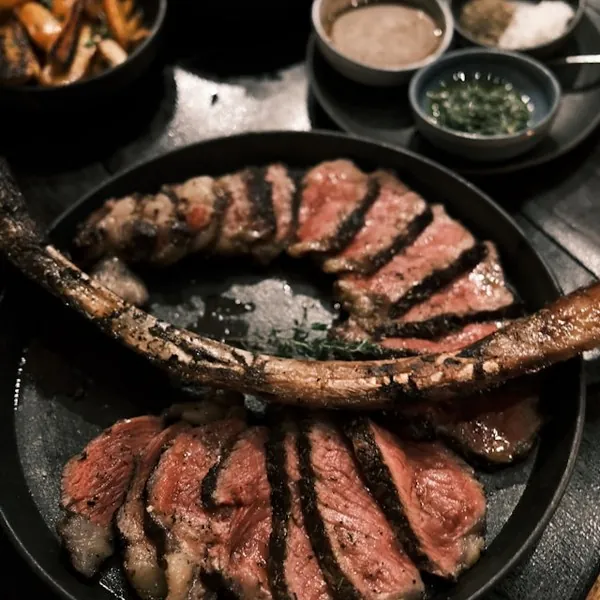
Headlines often frame TMAO as a red meat issue, yet seafood adds an awkward fact to that story.
Some fish and shellfish already contain TMAO, and some fish meals can raise blood levels for a short time after eating ((Wang et al., 2022); (Evans et al., 2023)).
Hamaya and colleagues found that fish intake tracked with circulating TMAO, while red meat did not show the same clear link in that free living group ((Hamaya et al., 2020)).
Clearance
The kidneys clear much of TMAO from the body. When kidney function drops, TMAO can rise even without a change in diet.
That point shows up again and again in the research and may be one of the most useful facts in this whole topic ((Gruppen et al., 2017); (Mueller et al., 2015)).
A raised result may reflect slower clearance, not a toxic meal. That alone should cool down the rush to blame eggs or beef.
Why Meat Gets Blamed
Early Research
The best-known papers on TMAO helped build the case that gut microbes can turn parts of food into compounds linked with artery disease risk.
Early work tied phosphatidylcholine and carnitine metabolism to higher TMAO and higher cardiovascular events in some groups, with strong animal data behind the idea ((Wang et al., 2011); (Koeth et al., 2013); (Tang et al., 2013)).
Those papers deserve respect as they opened a useful line of study. They also do not settle every question about real meals in real people living normal lives.
Animal models can show a mechanism. They do not prove that a ribeye eaten in a simple, low junk diet will act the same way in every person.
Observational links can point to risk. They do not prove which part of the whole picture caused it.
Whole Meal Context
Red meat does not arrive in the body as an isolated lab chemical. It is often eaten with buns, fries, sweet sauces, industrial oils, and late-night snacking.
Those habits can affect gut ecology, blood sugar control, body weight, and inflammation far beyond the meat itself.
Fresh beef, lamb, or bison in a simple meal has a very different setting from a fast food combo.
Animal foods also bring dense nutrition in forms the body can use well, including complete protein, iron, B12, zinc, taurine, carnitine, and fat soluble nutrients.
Fish Problem
Fish creates a real headache for the anti meat script. Some fish can lift TMAO sharply and still sit inside a diet many doctors call heart protective.
Wang and colleagues showed that fish sticks, cod, and to a lesser extent salmon raised circulating TMAO in healthy volunteers, then levels returned to baseline within a day ((Wang et al., 2022)).
A short bump after a meal is not the same thing as proof of ongoing harm. That is why fear around one compound can lead people into weak reasoning.
What The Evidence Shows
Link & Cause
A fair reading of the literature shows two things at once. First, higher TMAO has often been linked with worse outcomes in certain groups. Second, that link does not prove that TMAO is the main driver in every case.
Review papers still describe the field as mixed, with uneven results across kidney disease, diet studies, and vascular outcomes ((Evans et al., 2023); (Velasquez et al., 2016)).
A linked marker can rise because the body is under strain, because metabolism is off, because the kidneys clear less, or because the last meal was rich in seafood. None of that proves that beef itself is the villain.
Kidney & Metabolic Health
Mueller and colleagues reported that TMAO was confounded by impaired kidney function and poor metabolic control and was not associated with the presence or incidence of coronary heart disease in their cohort ((Mueller et al., 2015)).
Gruppen and colleagues also found that TMAO was tied to renal function and examined how that relationship shaped mortality risk in a large population study ((Gruppen et al., 2017)).
Weak Points In The Story
Some TMAO research also comes from groups with commercial ties to diagnostics or treatment work in the same space. ((Wang et al., 2022)).
The field also suffers from a common nutrition problem. Consensus is not science. Repeated claims do not turn a shaky causal story into a settled fact.
How To Read A Result
One Test Is Thin Evidence
A single TMAO result should be read with care. Timing of the test, the meal from the day before, recent fish intake, bowel habits, blood sugar control, and kidney function can all shift the number.
That makes one isolated result a weak basis for cutting out nutrient dense animal foods. A better reading looks at the whole person, not just one line on a lab sheet.
Better Context
A fuller check often includes kidney markers, fasting status, triglycerides, HDL, glucose control, blood pressure, waist size, and recent meals.
Body context beats food blame. That idea may sound simple, yet it is often the missing part.
Daily Habits
Whole animal foods cooked simply, stable fats, fewer refined carbs, no seed oils, no constant grazing, and regular meal spacing can reduce the background noise around many health markers.
Good digestion also counts. Slow transit gives gut microbes more time to work on leftovers in the bowel.
Better sleep, steady movement, and regular bowel function can change the internal setting that shapes byproducts from food. It keeps the focus on the full terrain instead of turning red meat into a cartoon villain.
Before changing your diet, supplements, or health routine, talk with a licensed healthcare professional. For any health concerns or questions about a medical condition, get guidance from a physician or another appropriately trained clinician.
Suggested Posts


Research
Tang, W.H.W. et al. (2013) ‘Intestinal microbial metabolism of phosphatidylcholine and cardiovascular risk’, New England Journal of Medicine, 368(17), pp. 1575–1584.
Wang, Z. et al. (2022) ‘Circulating trimethylamine N-oxide levels following fish or seafood consumption’, European Journal of Nutrition, 61(5), pp. 2357–2364.
Hamaya, R. et al. (2020) ‘Association of diet with circulating trimethylamine-N-oxide concentration’, American Journal of Clinical Nutrition, 112(6), pp. 1448–1455.
Gruppen, E.G. et al. (2017) ‘TMAO is Associated with Mortality: Impact of Modestly Impaired Renal Function’, Scientific Reports, 7(1), Article 13781.
Mueller, D.M. et al. (2015) ‘Plasma levels of trimethylamine-N-oxide are confounded by impaired kidney function and poor metabolic control’, Atherosclerosis, 243(2), pp. 638–644.
Wang, Z. et al. (2011) ‘Gut flora metabolism of phosphatidylcholine promotes cardiovascular disease’, Nature, 472(7341), pp. 57–63.
Koeth, R.A. et al. (2013) ‘Intestinal microbiota metabolism of L-carnitine, a nutrient in red meat, promotes atherosclerosis’, Nature Medicine, 19(5), pp. 576–585.
Evans, M. et al. (2023) ‘The dietary source of trimethylamine N-oxide and clinical outcomes: an unexpected liaison’, Clinical Kidney Journal, 16(11), pp. 1804–1812.
Velasquez, M.T., Ramezani, A., Manal, A. and Raj, D.S. (2016) ‘Trimethylamine N-oxide: The good, the bad and the unknown’, Toxins, 8(11), Article 326.
Liu, Y. et al. (2020) ‘Trimethylamine N-Oxide Generated by the Gut Microbiota Is Associated with Vascular Inflammation: New Insights into Atherosclerosis’, Mediators of Inflammation, 2020, Article 4634172.