
Key Takeaways
- PCOS often shows up through irregular periods, acne, excess hair growth and stubborn weight gain.
- Insulin resistance is a major driver, so high carb eating deserves serious attention.
- Sugar, starch, grains and constant snacking can keep insulin high for many women.
- Low carb eating can improve insulin, weight, testosterone and cycle control in research.
- Natural support works best when meals, sleep, stress and minerals move together.
PCOS Symptoms
Period Changes
PCOS or Polycystic Ovary Syndrome can make your cycle hard to predict. You may miss periods, bleed late, bleed rarely or go months without a normal cycle.
Many women only notice the problem when they start tracking dates closely or when they try to get pregnant.
The core issue often links back to ovulation. When ovulation becomes weak or irregular, hormone signals lose their normal rhythm.
PCOS is commonly tied to irregular ovulation, higher androgen levels and metabolic problems such as insulin resistance (1).
PCOS has been updated to Polyendocrine Metabolic Ovarian Syndrome (PMOS) to better fit with accurate diagnosis and treatment.
Skin & Hair Signs
High androgen signals can show up on the skin and hair. You may see acne around the jaw, chin, neck or back. You may also notice darker, thicker hair on the face, chest, stomach or thighs.
Hair thinning on the scalp can also happen. Some women get both excess hair growth and scalp shedding at the same time. These signs often feel cosmetic, yet they can point to a deeper hormone and insulin problem.
Dark velvety skin patches can also appear, often around the neck or underarms. This sign is often linked with high insulin. It is one of the clearest skin clues that blood sugar handling needs attention.
Weight & Cravings
PCOS weight gain often has a different feel. You may eat less than other people and still gain around the belly. You may also feel strong cravings for bread, sweets, cereal, pasta or snack foods after meals.
Carb cravings are not a moral failure. They often come from unstable blood sugar and high insulin. A high carb diet can keep that loop active because starch and sugar keep asking the body for more insulin.
Many standard PCOS diets still leave too many carbs in place. Fruit bowls, oats, whole grain bread, smoothies and low fat snacks can still push glucose and insulin hard. For many women with PCOS, these foods keep the same engine running under a healthier label.
Sugar Creates Problems Fast
There are zero essential carbohydrates. Your body can make what it needs.
PCOS Causes
Insulin Resistance
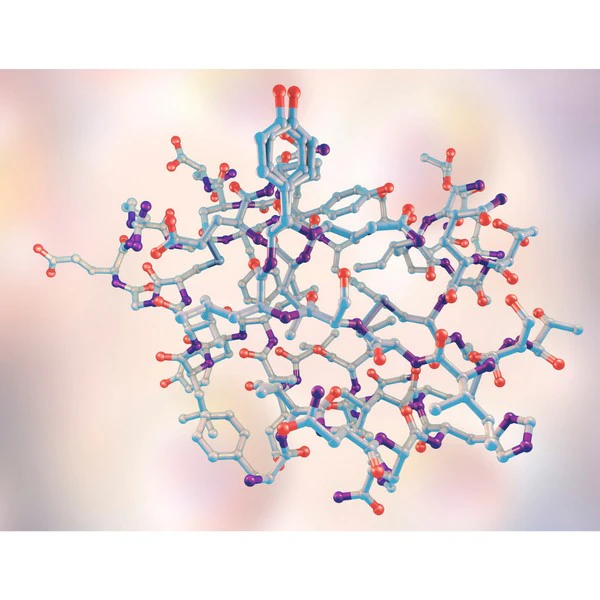
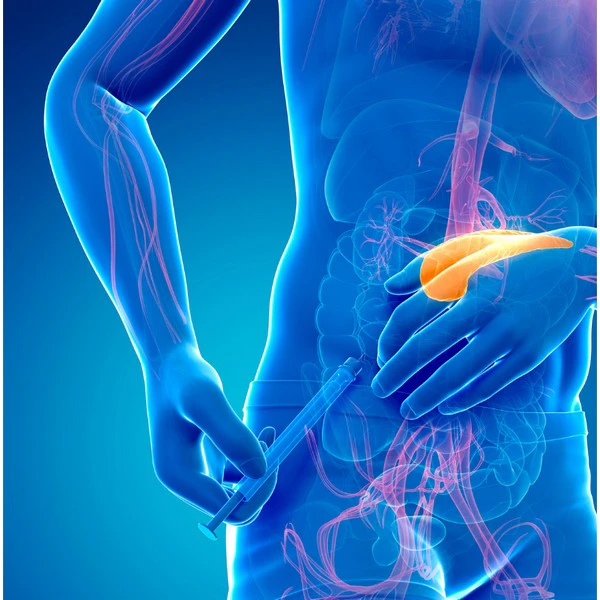
Insulin resistance means your cells do not respond well to insulin. The body then makes more insulin to force glucose out of the blood.
High insulin can push the ovaries toward more androgen output and lower sex hormone binding globulin, which leaves more active testosterone in circulation (2).
This is where carb intake becomes central. Every high carb meal asks the body to handle another glucose load. If insulin resistance is already present, repeated carb loads can keep insulin high for large parts of the day.
PCOS is often discussed as a reproductive condition, but the metabolic side is hard to ignore.
Research links PCOS with insulin resistance across different body sizes, which means a lean body does not rule out poor insulin handling (3).
Carb Load
Carbs break down into sugar. Some break down fast, while others break down more slowly. The end result still requires insulin, especially when the meal is based on grains, starch, sweet drinks or dessert.
A woman with PCOS does not need constant glucose pressure from breakfast through bedtime.
Cereal, fruit juice, coffee drinks, sandwiches, pasta and snack bars can keep insulin working all day. That is a bad setup for ovaries already being pushed by high insulin.
Low carb research in PCOS is strong enough to take seriously. A meta analysis found that lower carbohydrate diets improved insulin sensitivity in women with PCOS (4).
Another review found low carbohydrate diets helped reduce body weight and support fertility related outcomes in obese women with PCOS (5).
Hormone Disruption
PCOS is not caused by one single thing. Genes, stress, sleep, body fat, liver function and food intake can all affect the hormone picture. High insulin can sit near the center because it pushes several other signals out of line.
Stress can make the picture worse. Poor sleep and high stress can raise appetite, worsen cravings and make blood sugar harder to control.
This creates a loop where stress drives carb intake and carb intake drives more blood sugar swings.
Low fat dieting can also backfire. Hormones are made from fat based building blocks, and fat helps meals stay satisfying.
The typical popular recommendation of lean protein, salad, fruit and starch can leave a woman hungry, stressed and stuck in cravings.
Better vs Worse
| Better | Worse |
|---|---|
| Protein first meals | Soda |
| Walking after food | Juice |
| No sweet drinks | Snacks |
| Good sleep | Sugar |
Natural Support
Remove Carb Pressure
The clearest first move is to cut the foods that push insulin the hardest. Sugar, grains, sweet drinks, flour foods and snack foods should be the first targets. These foods add a large glucose load while giving little lasting satiety.
A low carb diet does not need to feel complicated. Eat meat, eggs, seafood and natural fats. Use small amounts of lower sugar plant foods only if they do not bring cravings back.
A 2025 systematic review and meta analysis reported improvements in weight, waist size, insulin resistance and some hormone markers in women with PCOS using ketogenic diets (6).
A 2020 trial in overweight women with PCOS also found improvements in weight, fasting insulin, testosterone and other hormone markers after a ketogenic diet period (7).
Build Better Meals
Food should keep insulin low and hunger calm. Grass fed ruminant meat, eggs, wild seafood, butter, ghee and tallow make better anchors than cereal, oats, wraps or rice bowls. These foods give protein, fat, minerals and fat soluble nutrients without a heavy carb load.
Many women do better with one to two meals daily and no snacking. Constant snacks keep the body in a fed state and can keep insulin active. Longer gaps between meals allow insulin to fall and give the body a cleaner signal.
Low starch eating also has direct PCOS research behind it. An eight week low starch and low dairy diet in women with PCOS led to weight loss, better insulin sensitivity and lower testosterone (8).
Minerals & Sleep
Magnesium supports glucose handling, muscle function and calm nerve signaling. Better forms include magnesium glycinate and magnesium threonate.
Sleep is part of blood sugar control. Short sleep can increase hunger and cravings the next day. A dark room, morning sunlight and a steady bedtime can support the same insulin work you are trying to do with food.
Strength training can also help because muscle stores glucose. More muscle gives the body a better place to put glucose after meals. Keep it simple with slow lifts, short sessions and steady progress.
For any health concerns or questions about a medical condition, get guidance from a physician or another appropriately trained clinician. Before changing your diet, supplements or health routine, talk with a licensed healthcare professional.
Blood Sugar Check
Suggested Posts
Research
Shukla, A. and Jamil, R.T. 2025. Polycystic Ovarian Syndrome. StatPearls. NCBI Bookshelf.
Purwar, A. et al. 2022. Insulin Resistance in Polycystic Ovarian Syndrome. Cureus.
Zhao, H. et al. 2023. Insulin resistance in polycystic ovary syndrome across various tissues. Frontiers in Endocrinology.
Porchia, L.M. et al. 2020. Diets with lower carbohydrate concentrations improve insulin sensitivity in women with polycystic ovary syndrome. A meta analysis. European Journal of Obstetrics & Gynecology and Reproductive Biology.
Zhang, X. et al. 2019. The Effect of Low Carbohydrate Diet on Polycystic Ovary Syndrome. A Meta Analysis of Randomized Controlled Trials. International Journal of Endocrinology.
Cannarella, R. et al. 2025. Effects of ketogenic diets on polycystic ovary syndrome. A systematic review and meta analysis. Clinical Nutrition.
Paoli, A. et al. 2020. Effects of a ketogenic diet in overweight women with polycystic ovary syndrome. Journal of Translational Medicine.
Phy, J.L. et al. 2015. Low Starch Low Dairy Diet Results in Successful Treatment of Obesity and Co Morbidities Linked to Polycystic Ovary Syndrome. Journal of Obesity & Weight Loss Therapy.
Mavropoulos, J.C. et al. 2005. The effects of a low carbohydrate ketogenic diet on the polycystic ovary syndrome. A pilot study. Nutrition & Metabolism.
Rossetti, R. et al. 2024. A Ketogenic Diet Followed by Gradual Carbohydrate Reintroduction Restores Menstrual Cycles in Women with Polycystic Ovary Syndrome with Oligomenorrhea Independent of Body Weight Loss. Metabolites.
Shang, Y. et al. 2021. Dietary Modification for Reproductive Health in Women With Polycystic Ovary Syndrome. A Systematic Review and Meta Analysis. Frontiers in Endocrinology.
Saadati, N. et al. 2021. The effect of low glycemic index diet on the reproductive and clinical profile in women with polycystic ovarian syndrome. A systematic review and meta analysis. BMC Endocrine Disorders.
Juhász, A.E. et al. 2024. Ranking the dietary interventions by their effectiveness in the treatment of polycystic ovary syndrome. A systematic review and network meta analysis. Nutrients.
Johnson, C. et al. 2025. The Role of Diet, Glycaemic Index and Glucose Control in Polycystic Ovary Syndrome. Nutrients.
Singh, S. et al. 2023. Polycystic Ovary Syndrome. Etiology, Current Management and Future Therapeutics. Journal of Clinical Medicine.
Xenou, M. et al. 2021. Dietary Patterns and Polycystic Ovary Syndrome. Nutrients.
Foley, P.J. et al. 2021. Effect of low carbohydrate diets on insulin resistance and the metabolic syndrome. Current Opinion in Endocrinology, Diabetes and Obesity.
Sharifi, M. et al. 2024. The effects of portfolio moderate carbohydrate and ketogenic diets on anthropometric indices, metabolic status and hormonal levels in overweight or obese women with polycystic ovary syndrome. BMC Nutrition.