Key Takeaways
- Trace minerals help the body make energy, blood, hormones, and enzymes.
- Very small amounts can support growth, healing, mood, and immune defense.
- Iron, zinc, iodine, selenium, and copper are among the best known trace minerals.
- Meat, seafood, eggs, beans, nuts, and dairy can help meet daily needs.
- Too little or too much can both cause health problems.
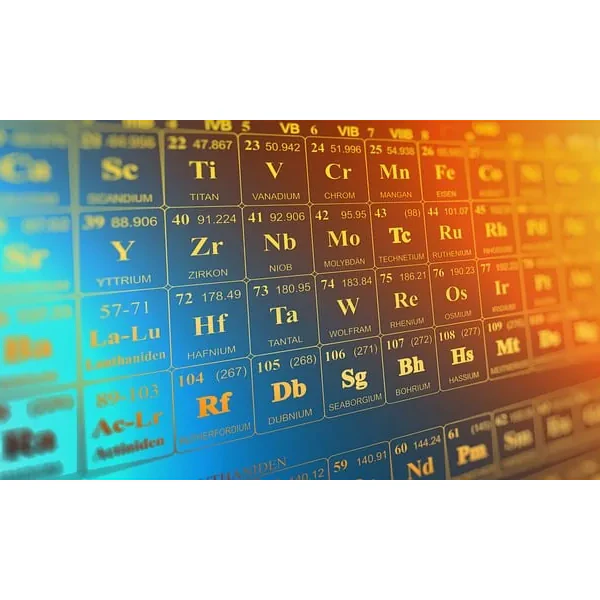
Trace minerals are minerals the body needs in tiny amounts. Tiny does not mean small value.
These nutrients help cells work, carry oxygen, heal cuts, build thyroid hormones, and protect tissues from damage.
Why Trace Minerals Matter
Some trace minerals help turn food into usable energy. Copper helps enzymes that make energy inside cells, and iron helps move oxygen to tissues that need that fuel to work well (NIH ODS, 2022; NIH ODS, 2023).
This is one reason low iron can leave a person tired, weak, or short of breath with normal tasks. Energy needs air, fuel, and the right mineral tools.
Blood Building
Iron helps make hemoglobin, the part of red blood cells that carries oxygen from the lungs to the rest of the body. It also helps make myoglobin, which stores oxygen in muscle (NIH ODS, 2023).
When iron runs low, less oxygen reaches tissues. That can affect work, school, sport, and daily life. Pale skin, low energy, and poor focus can follow.
Thyroid Hormone Production
Iodine is needed to make thyroid hormones. These hormones help guide body speed, body heat, growth, and brain development, most of all in pregnancy and infancy (NIH ODS, 2024).
Selenium also helps because selenium proteins support thyroid hormone use and help protect the thyroid gland from damage (NIH ODS, 2025).
Trace Minerals Need Balance
Minerals can push each other out of balance when dosing is random.
Health Benefits
One health benefit of trace minerals is steadier daily energy. Iron and copper help cells make and use energy.
Chromium may also help the body handle carbs, fats, and protein, though experts still do not know every detail of how it works (NIH ODS, 2021).
A person with poor intake may feel drained even with enough sleep. When food quality improves, energy often improves too, especially if low intake was part of the problem.
Stronger Immune Defense
Zinc helps the immune system fight germs. The body also needs zinc to make DNA and proteins, which are basic parts of repair and defense.
Selenium helps protect cells from damage and supports the body’s response to infection (NIH ODS, 2022; NIH ODS, 2025).
The body needs enough of both to keep immune defenses working as they should.
Zinc helps wounds heal. Skin repair depends on cell growth, protein building, and immune function, and zinc supports all three (NIH ODS, 2022).
Poor zinc status can slow healing. Cuts may take longer to close, and skin may look rough or break down more easily.
Better Taste & Smell
A less known benefit is support for taste and smell. Zinc is important for both senses. When zinc is low, food can seem dull, and appetite may drop (NIH ODS, 2022).
That can start a bad cycle. Less taste can mean less eating, and less eating can mean even less zinc.
Healthy Growth
Iodine and zinc are both key for growth. The body needs iodine for brain and bone development early in life.
Zinc supports growth and normal development during pregnancy, infancy, childhood, and the teen years (NIH ODS, 2024; NIH ODS, 2022).
This is why children and pregnant women need close care with food quality. Low intake during these stages can have larger effects.
Brain Signals
Copper helps the body make substances used by nerves to send signals. It also helps support the nervous system in other ways, along with brain development (NIH ODS, 2022).
Iodine matters here too because brain development depends on healthy thyroid hormone levels, especially before birth and in early life (NIH ODS, 2024).
Protection From Cell Damage
Selenium and manganese help protect cells from damage caused by unstable molecules. This kind of damage is often called oxidative stress.
The body has built in defense systems, and these minerals help those systems do their work (NIH ODS, 2025; NIH ODS, 2021).
Cell protection matters each day because normal life, illness and hard exercise all create stress inside the body.
Stronger Bones
Manganese helps support bone health, blood clotting, and healthy immune function.
Copper helps make connective tissue and blood vessels, which give shape and strength to skin, joints and other body parts (NIH ODS, 2021; NIH ODS, 2022).
Strong structure does not come from calcium alone. The body needs a team of nutrients working together.
Chromium may help the body use carbs, fats and proteins. Molybdenum works as a helper for enzymes that break down some amino acids and other compounds the body needs to process (NIH ODS, 2021; Linus Pauling Institute, n.d.).
These jobs stay out of sight, but they matter. A lot of health depends on quiet work happening inside cells.
Support During Exercise
Iron helps carry oxygen to muscle. Zinc and copper help with repair and energy systems. When trace mineral intake is low, stamina and recovery can suffer, even in people who seem otherwise healthy (NIH ODS, 2023; NIH ODS, 2022).
Athletes are not the only group that needs this support. Parents, shift workers, students, and older adults all rely on the same body systems.
Healthier Hair, Skin & Nails
Zinc, copper, selenium, and iron all support tissues people see in the mirror. Skin repair, hair growth, and nail strength depend on enough nutrients reaching cells each day.
Hair loss, brittle nails, rough skin or cracks at the mouth can have many causes, but poor mineral intake can be one of them (NIH ODS, 2025; NIH ODS, 2022).
Check vs Skip
| Check | Skip |
|---|---|
| Magnesium | Iron supplements |
| Copper | Zinc supplements |
| Selenium | Large mixed doses |
| Iodine from food | Anything Fortified |
Best Food Sources
Whole foods are the best starting point. Different foods bring different trace minerals, so variety helps.
Helpful sources include:
- oysters, mussels, crab, and other seafood
- red meat, poultry, and liver
- eggs, milk, yogurt, and cheese
- beans, lentils, nuts, and seeds
- whole grains and some sea foods that contain iodine
Animal foods supply iron, zinc, selenium and copper in forms the body can often use well. Plant foods can help too, especially beans, nuts, seeds and whole grains.
Food habits that can help:
- eat protein rich foods each day
- include seafood at times if it is available
- use a mix of foods across the week, not the same few every day

Credit – amazon.com
Before changing your diet, supplements, or health routine, talk with a licensed healthcare professional. For any health concerns or questions about a medical condition, get guidance from a physician or another appropriately trained clinician.
Mineral Check
1Check food intake2Check symptoms3Check labs when needed4Salt to taste5Change one mineral at a timeSuggested Posts
 Boron a Small Mighty Mineral With Big Health BenefitsKey Takeaways Boron is a trace mineral your body uses in very small amounts. Boron helps your body...Read MoreCopper Health Benefits For Everyday WellnessKey Takeaways Copper helps cells use oxygen during energy work inside the mitochondria. Ceruloplasmin needs copper to help...Read MoreCeruloplasmin: The Master AntioxidantKey Takeaways Ceruloplasmin helps turn loose iron into a safer form. This protein needs copper to do its...Read More
Evidence Limits
Human studiesMineral specific
Body biologyStrong
Long term proofVariable
Funding riskProduct claims common
Research
Cepeda, V. et al. 2025. Unlocking the power of magnesium: A systematic review and meta-analysis on oxidative stress and inflammation biomarkers. Antioxidants. https://doi.org/10.3390/antiox14060740
Ceballos-Rasgado, M. et al. 2023. Zinc absorption and biomarkers of zinc status: A systematic review and meta-analysis. Nutrition Reviews.
Haider, S. et al. 2025. Zinc supplementation and premenstrual syndrome symptoms: A systematic review and meta-analysis. European Journal of Obstetrics & Gynecology and Reproductive Biology.
Heffernan, S.M. et al. 2019. The role of mineral and trace element supplementation in exercise and athletic performance: A systematic review. Nutrients.
Moabedi, M. et al. 2023. Magnesium supplementation beneficially affects depression in adults: A systematic review and meta-analysis of randomized clinical trials. Nutrients. PMID: 38255352
Vesterlund, G.K. et al. 2023. Effects of magnesium, phosphate, or zinc supplementation in adult ICU patients: A systematic review. Acta Anaesthesiologica Scandinavica. PMID: 36562170
Vinceti, M. et al. 2021. Selenium exposure and the risk of type 2 diabetes: A systematic review and dose–response meta-analysis. Environment International. https://doi.org/10.1016/j.envint.2021.106624
Ye, J. et al. 2026. Effectiveness of mineral supplements (magnesium, chromium, zinc, selenium, chromium picolinate) in reducing insulin resistance in polycystic ovary syndrome: a meta-analysis of randomized controlled trials. BMC Endocrine Disorders. https://doi.org/10.1186/s12902-025-02158-x
Hamedifard, Z. et al. 2020. The effects of combined magnesium and zinc supplementation on metabolic status in patients with type 2 diabetes mellitus and coronary heart disease: A randomized, double-blind, placebo-controlled trial. Biological Trace Element Research.
Kim, H.N. et al. 2018. Effects of zinc, magnesium, and chromium supplementation on metabolic risk factors in adults with metabolic syndrome: A randomized controlled trial. Clinical Nutrition.
Wilborn, C.D. et al. 2004. Effects of zinc magnesium aspartate (ZMA) supplementation on training adaptations and markers of anabolism and catabolism. Journal of the International Society of Sports Nutrition. PMID: 18076213
Vural, Z. et al. 2020. Trace mineral intake and deficiencies in older adults living in the community and institutions. Nutrients. PMID: 32331364
Moreira, D.C.F. et al. 2014. Evaluation of iron, zinc, copper, manganese and selenium content in hospital diets. Clinical Nutrition.
van Dronkelaar, C. et al. 2018. Minerals and sarcopenia: The role of calcium, iron, magnesium and selenium in muscle mass and function. Nutrients. PMID: 28711425
Santos, H.O. et al. 2020. Dietary vs pharmacological doses of zinc: A clinical review. Clinical Nutrition.
Gombart, A.F., Pierre, A. and Maggini, S. 2020. A review of micronutrients and the immune system—working in harmony to reduce the risk of infection. Nutrients. PMID: 32098336
Weyh, C. et al. 2022. The role of minerals in the optimal functioning of the immune system. Nutrients. PMID: 35215420
Wang, J. et al. 2018. Zinc, magnesium, selenium and depression: A review of the evidence. Nutrients. PMID: 29874815
Linus Pauling Institute n.d., Molybdenum, Oregon State University, viewed 12 March 2026, https://lpi.oregonstate.edu/mic/minerals/molybdenum
National Institutes of Health Office of Dietary Supplements 2021, Chromium – Consumer, NIH, viewed 12 March 2026, https://ods.od.nih.gov/factsheets/Chromium-Consumer/
National Institutes of Health Office of Dietary Supplements 2021, Manganese – Consumer, NIH, viewed 12 March 2026, https://ods.od.nih.gov/factsheets/Manganese-Consumer/
National Institutes of Health Office of Dietary Supplements 2022, Copper – Consumer, NIH, viewed 12 March 2026, https://ods.od.nih.gov/factsheets/Copper-Consumer/
National Institutes of Health Office of Dietary Supplements 2022, Zinc – Consumer, NIH, viewed 12 March 2026, https://ods.od.nih.gov/factsheets/Zinc-Consumer/
National Institutes of Health Office of Dietary Supplements 2023, Iron – Consumer, NIH, viewed 12 March 2026, https://ods.od.nih.gov/factsheets/Iron-Consumer/
National Institutes of Health Office of Dietary Supplements 2024, Iodine – Consumer, NIH, viewed 12 March 2026, https://ods.od.nih.gov/factsheets/Iodine-Consumer/
National Institutes of Health Office of Dietary Supplements 2025, Selenium – Consumer, NIH, viewed 12 March 2026, https://ods.od.nih.gov/factsheets/Selenium-Consumer()
Credit – amazon.com
Before changing your diet, supplements, or health routine, talk with a licensed healthcare professional. For any health concerns or questions about a medical condition, get guidance from a physician or another appropriately trained clinician.
Mineral Check
Suggested Posts

Evidence Limits
Research
Cepeda, V. et al. 2025. Unlocking the power of magnesium: A systematic review and meta-analysis on oxidative stress and inflammation biomarkers. Antioxidants. https://doi.org/10.3390/antiox14060740
Ceballos-Rasgado, M. et al. 2023. Zinc absorption and biomarkers of zinc status: A systematic review and meta-analysis. Nutrition Reviews.
Haider, S. et al. 2025. Zinc supplementation and premenstrual syndrome symptoms: A systematic review and meta-analysis. European Journal of Obstetrics & Gynecology and Reproductive Biology.
Heffernan, S.M. et al. 2019. The role of mineral and trace element supplementation in exercise and athletic performance: A systematic review. Nutrients.
Moabedi, M. et al. 2023. Magnesium supplementation beneficially affects depression in adults: A systematic review and meta-analysis of randomized clinical trials. Nutrients. PMID: 38255352
Vesterlund, G.K. et al. 2023. Effects of magnesium, phosphate, or zinc supplementation in adult ICU patients: A systematic review. Acta Anaesthesiologica Scandinavica. PMID: 36562170
Vinceti, M. et al. 2021. Selenium exposure and the risk of type 2 diabetes: A systematic review and dose–response meta-analysis. Environment International. https://doi.org/10.1016/j.envint.2021.106624
Ye, J. et al. 2026. Effectiveness of mineral supplements (magnesium, chromium, zinc, selenium, chromium picolinate) in reducing insulin resistance in polycystic ovary syndrome: a meta-analysis of randomized controlled trials. BMC Endocrine Disorders. https://doi.org/10.1186/s12902-025-02158-x
Hamedifard, Z. et al. 2020. The effects of combined magnesium and zinc supplementation on metabolic status in patients with type 2 diabetes mellitus and coronary heart disease: A randomized, double-blind, placebo-controlled trial. Biological Trace Element Research.
Kim, H.N. et al. 2018. Effects of zinc, magnesium, and chromium supplementation on metabolic risk factors in adults with metabolic syndrome: A randomized controlled trial. Clinical Nutrition.
Wilborn, C.D. et al. 2004. Effects of zinc magnesium aspartate (ZMA) supplementation on training adaptations and markers of anabolism and catabolism. Journal of the International Society of Sports Nutrition. PMID: 18076213
Vural, Z. et al. 2020. Trace mineral intake and deficiencies in older adults living in the community and institutions. Nutrients. PMID: 32331364
Moreira, D.C.F. et al. 2014. Evaluation of iron, zinc, copper, manganese and selenium content in hospital diets. Clinical Nutrition.
van Dronkelaar, C. et al. 2018. Minerals and sarcopenia: The role of calcium, iron, magnesium and selenium in muscle mass and function. Nutrients. PMID: 28711425
Santos, H.O. et al. 2020. Dietary vs pharmacological doses of zinc: A clinical review. Clinical Nutrition.
Gombart, A.F., Pierre, A. and Maggini, S. 2020. A review of micronutrients and the immune system—working in harmony to reduce the risk of infection. Nutrients. PMID: 32098336
Weyh, C. et al. 2022. The role of minerals in the optimal functioning of the immune system. Nutrients. PMID: 35215420
Wang, J. et al. 2018. Zinc, magnesium, selenium and depression: A review of the evidence. Nutrients. PMID: 29874815
Linus Pauling Institute n.d., Molybdenum, Oregon State University, viewed 12 March 2026, https://lpi.oregonstate.edu/mic/minerals/molybdenum
National Institutes of Health Office of Dietary Supplements 2021, Chromium – Consumer, NIH, viewed 12 March 2026, https://ods.od.nih.gov/factsheets/Chromium-Consumer/
National Institutes of Health Office of Dietary Supplements 2021, Manganese – Consumer, NIH, viewed 12 March 2026, https://ods.od.nih.gov/factsheets/Manganese-Consumer/
National Institutes of Health Office of Dietary Supplements 2022, Copper – Consumer, NIH, viewed 12 March 2026, https://ods.od.nih.gov/factsheets/Copper-Consumer/
National Institutes of Health Office of Dietary Supplements 2022, Zinc – Consumer, NIH, viewed 12 March 2026, https://ods.od.nih.gov/factsheets/Zinc-Consumer/
National Institutes of Health Office of Dietary Supplements 2023, Iron – Consumer, NIH, viewed 12 March 2026, https://ods.od.nih.gov/factsheets/Iron-Consumer/
National Institutes of Health Office of Dietary Supplements 2024, Iodine – Consumer, NIH, viewed 12 March 2026, https://ods.od.nih.gov/factsheets/Iodine-Consumer/
National Institutes of Health Office of Dietary Supplements 2025, Selenium – Consumer, NIH, viewed 12 March 2026, https://ods.od.nih.gov/factsheets/Selenium-Consumer()