Key Takeaways
- Synthetic B vitamins are factory chemicals made through industrial production steps.
- Real B vitamins are in liver, eggs, meat, dairy and shellfish.
- Folic acid is synthetic B9, not the folate found in real food.
- Cyanocobalamin is cheap synthetic B12 with a cyanide group attached.
- Fortified foods add synthetic vitamins to processed products after manufacturing.
Factory B Vitamins
Chemical Production
Synthetic B vitamins are made in chemical plants and industrial vats. They are not grown in real food.
They are made through reactions, fermentation, conversion, purification, drying and powder handling.
The label shows a vitamin name. The label does not show the chemical work used to make it.
Industrial niacin production uses pyridine based chemicals and strong oxidizers.
One review describes nicotinic acid production from 5 ethyl 2 methylpyridine with nitric acid, with nitrous oxide made as waste gas (1).
The bottle says niacin. The production route uses chemical plant materials. Industrial vitamin B6 production still relies heavily on chemical synthesis.
A 2025 paper states that industrial vitamin B6 production depends mainly on chemical synthesis, harsh reaction conditions and waste heavy steps (2).
Pyridoxine hydrochloride is a synthetic chemical salt. It is not B6 in liver, meat or fish.
Cyanocobalamin is cheap synthetic B12. The cyano part means a cyanide group is attached.
StatPearls describes cyanocobalamin as a cobalt containing compound with a cyanide group in its structure (3). Food B12 is in liver, meat, eggs, dairy and shellfish without that cyanide group.
Harsh Raw Materials
Pyridine is an industrial chemical. ATSDR states that pyridine exposure harms the liver, nervous system, kidneys, eyes and skin (4).
Pyridine chemistry is used in niacin production. The finished powder is cleaned, but the production trail still starts with harsh chemistry.
Hydrochloric acid is corrosive. CDC guidance says concentrated hydrogen chloride burns the skin, eyes, nose, throat, airways and digestive tract (5).
Many synthetic vitamins are sold as hydrochloride salts. A clean looking capsule can come from corrosive acid chemistry.
Hydrogen cyanide blocks oxygen use inside cells. CDC says hydrogen cyanide binds cytochrome oxidase in mitochondria and stops cells from using oxygen (6).
Cyanocobalamin is not cyanide poisoning. It is still synthetic B12 with a cyanide group attached.
Formaldehyde is a known human carcinogen. OSHA lists formaldehyde as a cancer hazard, and the National Cancer Institute says IARC classifies formaldehyde as carcinogenic to humans (7, 8).
It belongs to chemical manufacturing, not food.
Isobutyraldehyde also has a clear hazard record. New Jersey health documents state that isobutyraldehyde irritates the eyes, skin, nose, throat and lungs (9).
Propylene glycol exposure can irritate the skin, eyes, nose and mouth after repeated contact, according to ATSDR (10). These chemicals do not belong in the same story as liver, eggs or shellfish.
Food B Vitamins
Real Food Sources
Real B vitamins are found in liver, eggs, meat, dairy and shellfish. Liver contains B12, riboflavin, niacin, folate and choline.
Egg yolks contain riboflavin, biotin and choline. Shellfish contains high B12. Meat contains niacin, B6 and B12.
Food contains vitamins with the rest of the meal. Liver contains B vitamins with copper, retinol, protein and fat. Eggs contain B vitamins with cholesterol and yolk fat.
Dairy contains riboflavin and B12 with minerals and animal fat. Real food brings the full nutrient package together.
Fortified food is different. Refined flour loses nutrients during processing, then industry adds selected synthetic vitamins back.
Cereal gets sprayed with synthetic chemicals after processing. Drinks, bars and powders use added synthetic vitamins to make weak products look better.
Folic Acid
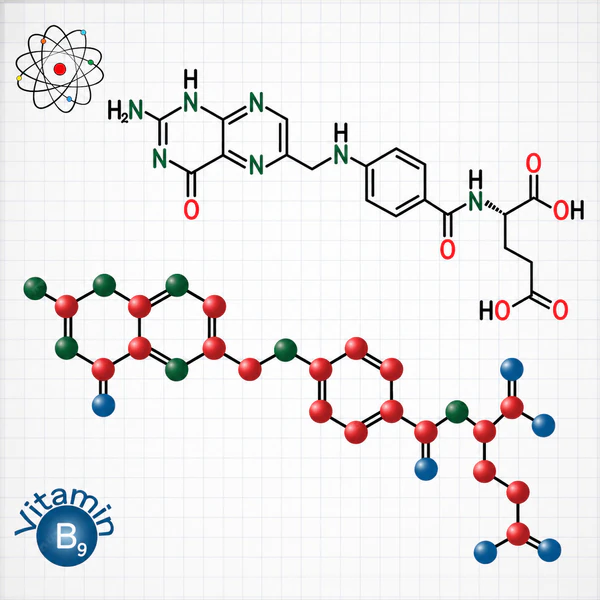
Folic acid is synthetic B9. Food folate is different. The body must reduce folic acid before it enters normal folate pathways.
High intake from pills, fortified flour, cereal and drinks can push more folic acid into the blood than the body processes.
A large United States serum study found unmetabolized folic acid in almost every tested sample after fortification became common (11).
Synthetic folic acid can remain in blood as synthetic folic acid. Food folate does not create the same exposure.
Folic acid also has a long link with B12 problems. A 2024 review describes the concern that high folic acid intake can improve anemia signs while B12 linked nerve injury continues underneath (12).
Fortified flour and cheap multivitamins made synthetic folic acid a daily background chemical.
Liver and eggs contain folate in real food. They also contain nutrients used by blood, nerves, liver tissue and energy systems.
Synthetic folic acid is one lab made compound. It does not contain the rest of the food.
Cyanocobalamin
Cyanocobalamin is common because it is cheap and stable. Food B12 is mainly methylcobalamin, adenosylcobalamin and hydroxocobalamin.
These forms are in liver, meat, eggs, dairy and shellfish. They do not need a cyanide group for shelf life.
Normal cyanocobalamin doses do not equal cyanide poisoning. A cyanide bound synthetic B12 form is a cheap factory product. It is not the same thing as real B12 in actual food.
Cyanocobalamin also helps sell bad food. Cereal companies add it to processed grain and print B12 on the box.
A fortified label can make processed starch look useful. Liver, eggs, meat, dairy and shellfish already contain B12 without that trick.
Health Risks
Hidden Doses
Fortified foods hide synthetic vitamins in daily products. Enriched flour, cereal, protein bars and energy drinks often contain thiamine mononitrate, riboflavin, niacinamide, folic acid, pyridoxine hydrochloride and cyanocobalamin.
The total dose rises across the day. A multivitamin adds more. A B complex adds more again. Fortified drinks add another layer.
The person thinks they ate normal food, while processed products keep adding synthetic vitamins.
Fortification is chemical repair after processing damages food. Refined grain becomes enriched grain. Sweet cereal becomes a vitamin delivery product.
Poor food gets a health label because industry adds lab made nutrients and prints numbers on the box.
B6 Nerve Injury
Vitamin B6 proves that B vitamins are not harmless at any dose. High B6 intake can damage nerves.
A review in Nutrients states that both low B6 status and high B6 intake are linked with peripheral neuropathy (13).
B6 nerve injury can cause tingling, burning, numbness, pain and balance trouble. Many cases involve supplements.
People can also stack B6 from multivitamins, fortified drinks, energy products and processed foods without counting the total intake.
Food B6 comes in normal food amounts. Meat, liver, fish and eggs contain B6 with protein and fat. A synthetic pill can deliver a large isolated dose. Fortified products can add more through the day.
Niacin Load
Niacin in meat and fish is normal food nutrition. High dose synthetic niacin acts more like a drug. It can cause flushing, stomach upset and liver strain in some people. Large isolated doses do not match food.
Industrial niacin production can use pyridine compounds and strong oxidizers. The finished powder may pass purity tests.
The origin is still chemical manufacturing. Meat, fish, liver and eggs do not need that production route.
The word vitamin makes many people lower their guard. That is wrong with synthetic B vitamins.
An isolated factory compound is not the same as a nutrient in food. The label number does not tell the whole story.
Better Choices
Liver & Eggs
Liver is one of the strongest B vitamin foods. It contains B12, riboflavin, niacin, folate and choline. It also contains copper and retinol.
These nutrients support blood, nerves, liver function and energy production.
Egg yolks contain choline, biotin, riboflavin, fat and cholesterol. Removing the yolk removes much of the value.
Whole eggs make more sense than egg whites with a synthetic vitamin pill added later.
Meat contains B vitamins with protein and fat. Dairy contains riboflavin and B12. Shellfish contains very high B12 with minerals.
These foods do not need enrichment claims because they already contain real nutrients.
Label Rules
Avoid foods that say enriched or fortified. Those words usually mean synthetic vitamins were added after processing.
Check flour, cereal, bars, drinks, powders and plant milks. Many of them contain added folic acid and synthetic B vitamins.
Watch for these names on labels.
- Folic acid
- Cyanocobalamin
- Pyridoxine hydrochloride
Unfortified nutritional yeast is different from fortified nutritional yeast. Fortified yeast often contains added folic acid, cyanocobalamin or other synthetic B vitamins.
The label must say non fortified. If the label lists added vitamins, treat it as a fortified product.
Direct Choice
Get B vitamins from liver, eggs, meat, dairy and shellfish. These foods contain B vitamins with protein, fat, minerals and other nutrients.
Avoid popular mass market brands, especially vitamins. Avoid fortified foods, energy drinks, vitamin powders and random B complex pills.
For any health concerns or questions about a medical condition, get guidance from a physician or another appropriately trained clinician. Before changing your diet, supplements or health routine, talk with a licensed healthcare professional.
Suggested Posts


Research
Lisicki, D. et al. 2022. Methods to produce nicotinic acid with potential industrial applications. Materials. DOI: 10.3390/ma15030765. PMID: 35160703.
Jiang, A.T. et al. 2025. Enhanced microbial production of pyridoxine Vitamin B6 in Escherichia coli. Microbial Cell Factories.
Vasavada, A. and Sanghavi, D.K. 2024. Cyanocobalamin. StatPearls. PMID: 32310492.
Agency for Toxic Substances and Disease Registry. 1992. Toxicological profile for pyridine.
Agency for Toxic Substances and Disease Registry. 2014. Medical management guidelines for hydrogen chloride.
Agency for Toxic Substances and Disease Registry. 2014. Medical management guidelines for hydrogen cyanide.
Occupational Safety and Health Administration. 2011. Formaldehyde hazard recognition.
National Cancer Institute. 2011. Formaldehyde and cancer risk.
New Jersey Department of Health. 2008. Isobutyraldehyde hazardous substance fact sheet.
Agency for Toxic Substances and Disease Registry. 1997. Toxicological profile for propylene glycol.
Pfeiffer, C.M. et al. 2015. Unmetabolized folic acid is detected in nearly all serum samples from US children, adolescents and adults. Journal of Nutrition. DOI: 10.3945/jn.114.201210. PMID: 25527668.
Miller, J.W. et al. 2024. Excess folic acid and vitamin B12 deficiency. Food and Nutrition Bulletin. DOI: 10.1177/03795721241229503. PMID: 38938345.
Muhamad, R. et al. 2023. The role of vitamin B6 in peripheral neuropathy. Nutrients. DOI: 10.3390/nu15132964. PMID: 37447150.
Crider, K.S. et al. 2011. Folic acid food fortification. Its history, effect, concerns and future directions. Nutrients. DOI: 10.3390/nu3030370. PMID: 22254102.
Smith, A.D. et al. 2008. Is folic acid good for everyone? American Journal of Clinical Nutrition. DOI: 10.1093/ajcn/87.3.517. PMID: 18326588.
Averianova, L.A. et al. 2020. Production of vitamin B2 riboflavin by microorganisms. Microorganisms. DOI: 10.3390/microorganisms8111667. PMID: 33114646.
Jurgenson, C.T. et al. 2009. The structural and biochemical foundations of thiamin biosynthesis. Nature Chemical Biology. DOI: 10.1038/nchembio.208. PMID: 19783941.
Du, Q. et al. 2011. Thiamin vitamin B1 biosynthesis and regulation. Annual Review of Nutrition. DOI: 10.1146/annurev.nutr.012809.104704. PMID: 21568740.
Tylicki, A. et al. 2018. Thiamine and selected thiamine antivitamins. International Journal of Molecular Sciences. DOI: 10.3390/ijms19030834. PMID: 29562678.