Key Takeaways
- The same nutrient can act in new ways when dose and form change.
- Whole foods slow absorption and give nutrients with fats, proteins, and minerals.
- Isolated high-dose supplements can push pathways the body may not handle well.
- Synthetic forms may need extra conversion before cells can use them well.
- Long-term safety data still leave major gaps for daily high-dose use.
Core Chemistry
Same Molecule Basics
A natural nutrient and a lab made nutrient can share the same basic chemical shape. In that narrow sense, the molecule can bind to the same enzyme or transporter in the body.
Many synthetic products can raise blood levels of a given nutrient. Still, human health does not rest on chemistry alone. A nutrient enters a living system, not a lab tube.
The gut, liver, blood, and cells all shape what happens next. A rise on a lab test does not always show the full body effect over months or years (Bailey and Gregory, 1999; Gregory, 2001).
Body Context
Whole foods bring nutrients in a mixed package. Meat, eggs, dairy, and other minimally processed foods carry protein, fat, minerals, and natural cofactors that change how digestion and absorption unfold.
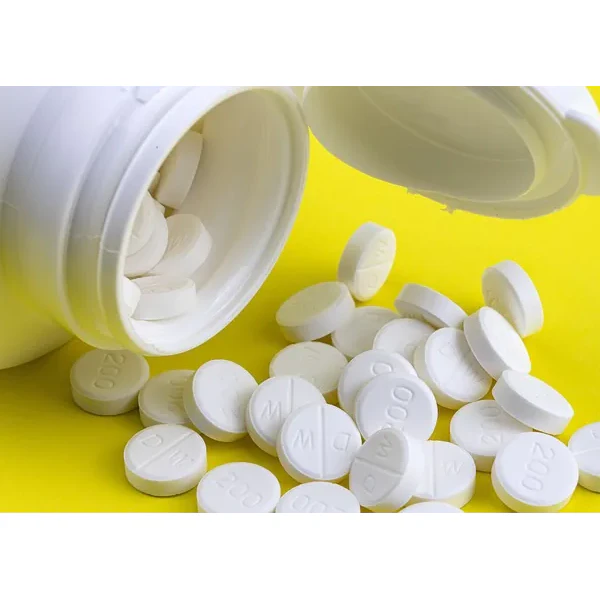
A pill or fortified food gives an isolated compound, often in a larger dose and with faster delivery. That shift can alter how much reaches the blood at once and how the liver has to process it.
Research on folate forms has shown that bioavailability, which means how much the body can absorb and use, changes with source and form (Wright et al., 2003; Obeid et al., 2016).
Slow Unknowns
Short trials can measure blood levels, urine output, or one marker such as homocysteine. Those tests have some use, but they do not map the slow effects of daily use over years.
Small shifts in methylation, which is a key cell process, or redox balance, which helps control oxidative stress, may take a long time to show up in health outcomes.
This is more likely when a person eats mostly so called fortified foods, synthetic isolates, or very high doses every day for long stretches (Obeid et al., 2016; Stover, 2004).
Form And Dose
Folate Forms
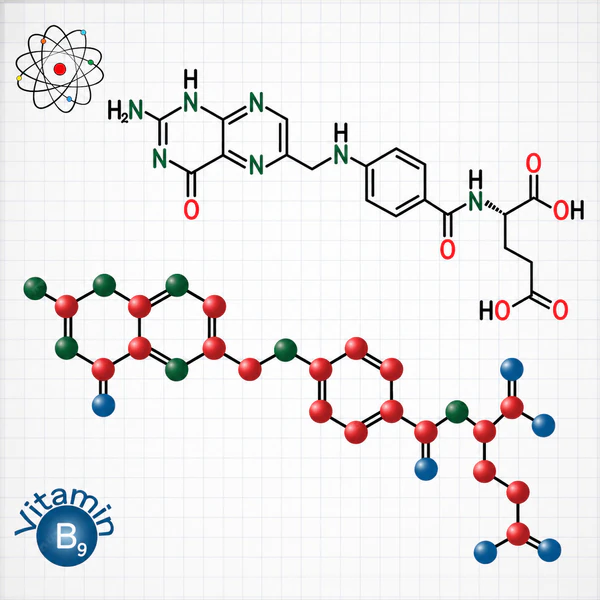
Folate gives one of the clearest examples. Folate is the broad name for a family of vitamin B9 forms found in food and the body.
Folic acid is a synthetic form often used in supplements and fortification.
The liver must convert folic acid before cells can use it well, and this step can be slow and highly variable in humans (Bailey and Ayling, 2009).
Studies on 5-MTHF, a biologically active folate form, have shown that different forms can produce different handling in the body even when they aim at the same end point (Lamers et al., 2006; Venn et al., 2002).
Vitamin E Forms
Vitamin E gives another strong example. Natural and synthetic vitamin E do not behave in exactly the same way in the blood.
Human studies have found a stronger plasma response from natural RRR-alpha-tocopheryl acetate than from synthetic all-rac-alpha-tocopheryl acetate (Traber et al., 1998).
That does not prove every synthetic form is harmful. It does show that the body can favor one shape over another.
For a person trying to judge long term risk, that difference should not be brushed aside as minor.
Dose Pressure
Food rarely gives the massive doses found in fortified products or concentrated supplements.
A steak, egg yolks, cheese, or liver will feed the body in a slower and more bounded way than a synthetic isolate designed to flood one pathway.
When dose rises, enzymes can get saturated, which means they cannot keep up. Excess may then move down side paths that remain less studied.
A nutrient that supports health in food may still cause trouble when pulled out, concentrated, and taken in large amounts for years (Institute of Medicine, 1998; McNulty and Pentieva, 2004).
Food Matrix
Whole Food Delivery
Whole foods do more than carry one vitamin. They bring a food matrix, which means the full structure of fat, protein, water, minerals, and natural compounds around that nutrient.
That structure slows release and can change how much enters the blood at one time. It can also change how full a person feels, which may help cut the urge to graze all day.
Eggs, red meat, dairy, shellfish, and liver deliver highly available nutrients in forms the body tends to use well.
Many plant foods, by contrast, can bring antinutrients such as phytates and lectins that bind minerals or irritate the gut.
Fortified Foods
Fortified foods often look helpful on paper because they add nutrients back into highly processed grain products.
Yet fortification does not rebuild the original food structure. It adds isolated forms to a refined base that may still be high in starch, low in stable animal fat, and easy to overeat.
That setup can leave a person with a false sense of security. A cereal box may show added vitamins, but the body still has to handle synthetic isolates in a fast delivery package.
The evidence on folic acid shows that unmetabolized folic acid can appear in blood when intake runs high enough (Bailey and Ayling, 2009).
Better Daily Use
A safer daily base often looks simple:
- One to three meals made up of eggs, meat, fish, shellfish, dairy, and other minimally processed animal foods
- Animal fats instead of seed oils, with fewer refined grains and less sugar
- Extra care with supplements unless there is a clear reason, a careful dose, and a form the body can use well
That approach lowers reliance on fortified products and repeated hits of isolated compounds. It also respects the fact that the body has long handled nutrients in food, not in a stream of synthetic add ons.
Risk Signals
Antioxidant Trials
Large trials on isolated antioxidants offer a warning. Researchers hoped these products would lower disease risk. Some trials did not show benefit, and some found harm in certain groups.
Beta carotene with vitamin A increased lung cancer risk in smokers in one major study, and another large review found no clear support for routine antioxidant supplements to prevent death (Omenn et al., 1996; Bjelakovic et al., 2012).
Another major trial in male smokers also failed to show the hoped for cancer protection from beta carotene and vitamin E (The Alpha-Tocopherol Beta-Carotene Cancer Prevention Study Group, 1994).
These studies show that isolated nutrients can act in ways that simple theory did not predict.
Carotenoid Limits
Carotenoids such as beta carotene add another layer. The body must convert beta carotene into active vitamin A, and that conversion can vary.
Reviews have described major limits in bioavailability and conversion, especially when plant intake, gut function, and total diet differ from person to person (Castenmiller and West, 1998; Haskell, 2012).
This helps explain why nutrient labels can mislead. A food or pill may contain a precursor, yet the body may not turn it into enough of the active form.
Animal foods often avoid that weak link by providing the active nutrients directly.
A Cautious Standard
The body is complex, the evidence has blind spots, and long term daily use of isolated nutrients still leaves real unknowns.
You do not need to fear every supplement, but blind trust makes little sense. Nutrient dense animal foods, fewer eating times, no grazing, and less dependence on fortified processed products can cut many of the unknowns that come with synthetic isolates.
Before changing your diet, supplements, or health routine, talk with a licensed healthcare professional. For any health concerns or questions about a medical condition, get guidance from a physician or another appropriately trained clinician.
Suggested Posts

Research
Bailey, L.B. and Gregory, J.F., 1999. Folate metabolism and requirements. Journal of Nutrition, 129(4), pp.779-782.
Gregory, J.F., 2001. Case study: folate bioavailability. Journal of Nutrition, 131(4), pp.1376S-1382S.
Wright, A.J.A. et al., 2003. Comparison of folate bioavailability from food sources and folic acid supplements in human subjects. American Journal of Clinical Nutrition, 77(3), pp.776-780.
Obeid, R. et al., 2016. Folate bioavailability: a systematic review and meta-analysis. Nutrients, 8(11), p.711.
Stover, P.J., 2004. Physiology of folate and vitamin B12 in health and disease. Nutrition Reviews. doi:10.1301/nr.2004.jun.S3-S12.
Bailey, S.W. and Ayling, J.E., 2009. The extremely slow and variable activity of dihydrofolate reductase in human liver and its implications for high folic acid intake. Proceedings of the National Academy of Sciences of the United States of America, 106(36), pp.15424-15429.
Lamers, Y. et al., 2006. Supplementation with [6S]-5-methyltetrahydrofolate or folic acid equally reduces plasma homocysteine concentrations in healthy women. American Journal of Clinical Nutrition, 84(1), pp.156-161.
Venn, B.J. et al., 2002. Comparison of the effect of low-dose supplementation with L-5-methyltetrahydrofolate or folic acid on plasma homocysteine: a randomized placebo-controlled study. American Journal of Clinical Nutrition. doi:10.1093/ajcn/75.4.658
Traber, M.G. et al., 1998. Human plasma vitamin E response to supplementation with RRR-α-tocopheryl acetate versus all-rac-α-tocopheryl acetate. American Journal of Clinical Nutrition, 67(4), pp.669-684.
Institute of Medicine, 1998. Folate. In: Dietary Reference Intakes for Thiamin, Riboflavin, Niacin, Vitamin B6, Folate, Vitamin B12, Pantothenic Acid, Biotin, and Choline. National Academy Press.
McNulty, H. and Pentieva, K., 2004. Folate bioavailability. Proceedings of the Nutrition Society. doi:10.1079/PNS2004363.
Omenn, G.S. et al., 1996. Effects of a combination of beta carotene and vitamin A on lung cancer and cardiovascular disease. New England Journal of Medicine, 334(18), pp.1150-1155.
Bjelakovic, G. et al., 2012. Antioxidant supplements for prevention of mortality in healthy participants and patients with various diseases. Cochrane Database of Systematic Reviews, 3, CD007176.
The Alpha-Tocopherol Beta-Carotene Cancer Prevention Study Group, 1994. The effect of vitamin E and beta carotene on the incidence of lung cancer and other cancers in male smokers. New England Journal of Medicine. doi:10.1056/NEJM199404143301501.
Castenmiller, J.J.M. and West, C.E., 1998. Bioavailability and bioconversion of carotenoids. Annual Review of Nutrition. doi:10.1146/annurev.nutr.18.1.19.
Haskell, M.J., 2012. The challenge to reach nutritional adequacy for vitamin A: beta-carotene bioavailability and conversion. American Journal of Clinical Nutrition. doi:10.3945/ajcn.111.031484.
Traber, M.G., 2007. Vitamin E regulatory mechanisms. Annual Review of Nutrition. doi:10.1146/annurev.nutr.27.061406.093819.
Traber, M.G. and Stevens, J.F., 2011. Vitamins C and E: beneficial effects from a mechanistic perspective. Free Radical Biology and Medicine. doi:10.1016/j.freeradbiomed.2011.05.017.