
Key Takeaways
- Spinach, chard, almonds and cacao can turn one smoothie into a heavy oxalate dose.
- Chia, flax, oats, beans and soy can block minerals while looking rich on paper.
- Fruit bowls and smoothie bowls often bring sugar, starch and hunger with a healthy image.
- Meat, eggs, shellfish and liver give dense nutrition without plant defense chemicals.
- Your body should feel fed, steady and calm after real food, not bloated or hungry.
Many so called superfoods are low quality nonesense with a good marketing budget.
The package says clean. The color looks fresh. The ingredient list sounds virtuous. Your body still has to deal with the real food inside.
- Spinach is still spinach after it goes into a smoothie.
- Almonds are still high oxalate food after they become almond milk.
- Chia seeds still bring phytate after they become pudding.
- Oats are still grain after a brand calls them heart healthy.
Real food should feed you well without a sales pitch.
Green Food Traps
Spinach & Chard
Spinach is one of the clearest examples of a health food that can work against you.
People put raw spinach into smoothies because it disappears easily. Two packed cups can vanish into one drink. Add almond milk, cacao, beet powder or green powder, and the oxalate load rises fast.
Oxalate can bind minerals and can raise urinary oxalate in some people. Human research shows dietary oxalate and oxalate precursors can affect urinary oxalate levels (1).
Swiss chard and beet greens have the same basic problem. They look clean because they are dark green. The color does not tell you whether the food is easy on the gut or safe to use every day in large amounts.
Kidney stone research describes dietary oxalate as a factor in calcium oxalate stone formation for susceptible people (2).
A spinach smoothie is not a magic drink. It is a fast way to swallow a large amount of raw plant material.
Almonds & Cacao
Almonds have a health halo because they are sold as natural, low carb and clean.
Almond milk, almond flour, almond butter and almond based bars can turn almonds into a daily staple. That can push oxalate higher than people expect.
Cacao has the same issue. A spoon of cacao in a smoothie sounds harmless. Daily cacao in smoothies, bars, keto desserts and protein snacks can add up.
The problem is the repeated dose.
A few almonds once in a while are different from almond milk at breakfast, almond flour bread at lunch and almond butter snacks at night. The body sees the total load, not the branding.
Research on dietary calcium and oxalate found that meal composition can change urinary oxalate after oxalate loads (3).
That does not make high oxalate foods harmless. It shows why the full meal and total diet count.
Beets & Beet Greens
Beets are often sold as blood flow food.
Beet powder, beet juice and beet gummies make them easy to overuse. The color looks powerful, so people assume the food must be strong.
Beets bring sugar and oxalate. Beet greens can bring even more oxalate than the root.
A beet drink can also bypass the normal stop signals of chewing. You would not eat several beets, greens and a fruit bowl in a few minutes. A juice or smoothie makes that easy.
Food form changes the dose. The blender makes the food faster, not better.
Seeds & Grains
Chia & Flax
Chia seeds and flax seeds are sold as omega rich superfoods.
They also bring phytate. Phytate is a plant storage compound that can bind minerals such as zinc and iron.
A major review describes phytate as a compound that affects mineral bioavailability in humans (4).
Chia pudding can look better than cereal because the label sounds cleaner. The body still has to handle a bowl of seeds.
Flax meal has the same problem. It looks harmless because it is ground into powder. Grinding does not remove the plant defense issue.
A seed based meal can test high for minerals on paper while giving the body less access to those minerals.
Oats & Bran
Oats are treated like a safe default health food. They are still grain. Oats bring starch, phytate and a weak protein profile compared with eggs, meat or shellfish.
Bran is even more misleading. Wheat bran is praised because it contains minerals and fiber. The same outer layer also carries a large share of the phytate.
Phytate can reduce zinc absorption, and zinc bioavailability research has treated phytate as a major dietary factor (5).
A bowl of oats with flax, chia, berries and almond milk may look like a clean breakfast. It is still a starch and seed bowl with mineral blockers.
A person may feel full for a short time, then hungry again soon after. Full does not mean well fed.
Beans & Lentils
Beans and lentils are sold as cheap protein.
They are mostly starch with some protein. They also carry phytate, lectins and other plant compounds that can bother the gut.
Common bean research found that polyphenols and phytic acid contribute to low iron bioavailability from beans in young women (6).
That is the issue with many plant based superfoods. The nutrition label shows minerals. The body may not get full use of them.
A large bean bowl can leave gas, pressure and hunger. The food may look virtuous while the gut gives a clear warning.
Animal Foods Supply Dense Nutrients
Only Animal foods supply B12, retinol, carnosine, creatine and taurine along with other vitamins and minerals in usable forms.
Plant Protein Problems
Soy Foods
Soy is one of the most over praised plant foods. Tofu, soy milk, soy protein powder, soy burgers and edamame are sold as clean protein.
Soy still brings phytate and plant compounds that can reduce mineral access. A human study found that soy protein with phytate inhibited iron absorption (7).
Soy protein powder makes the dose easier to hide. A scoop looks small. The body still receives a processed plant protein with the same basic mineral problem.
Soy burgers also carry a bigger problem. They imitate meat while removing what makes meat valuable.
Meat gives you complete protein and highly usable nutrients. Soy products need processing, flavoring and marketing to even superficially look like a replacement.
Pea Protein
Pea protein has the same marketing trick. A pea protein shake sounds clean because peas sound harmless. The final product is still a processed plant protein powder.
Pea protein does not match the nutrient package of meat, eggs or shellfish. It may help a label claim protein, but it does not turn a smoothie into a strong meal.
Many people add pea protein to banana, oat milk, nut butter and berries. The final drink becomes a fast mix of plant protein, sugar, starch, seed or nut fat and fiber sludge.
Plant Meat
Plant meat is the lowest form of this idea. To copy meat it uses
- peas,
- soy,
- seed oils,
- gums,
- starches,
- flavors
- additives
The product tries to look modern, but the base is cheap plant material. Real meat does not need that work. Beef, lamb, eggs and seafood are already food.
Meat gives complete protein and key micronutrients that are hard to replace with plants. A review on meat nutrition describes its value in the human diet, including protein, vitamin B12, iron and zinc (8).
Plant meat is not a superfood. It is processed food wearing a health label.
Use vs Avoid
| Use | Avoid |
|---|---|
| Ruminant meat | Low fat processed foods |
| Eggs | Seed oils |
| Seafood | Anything Fortified |
| Organs | Carbohydrates |
Sweet Health Foods
Acai & Fruit Bowls
Acai bowls are often dessert with a health costume. The bowl may have a full sugar bomb with
- acai puree,
- banana,
- mango,
- granola,
- honey,
- oats,
- almond butter
- seeds.
Granola makes it worse. It is usually grain, sugar, seed oils or nut pieces baked into a crunchy topping.
A fruit bowl does not become a strong meal because it has a purple base and a few seeds on top.
The same problem shows up with smoothie bowls. They can carry banana, pineapple, dates, apple juice, oat milk, almond butter and protein powder.
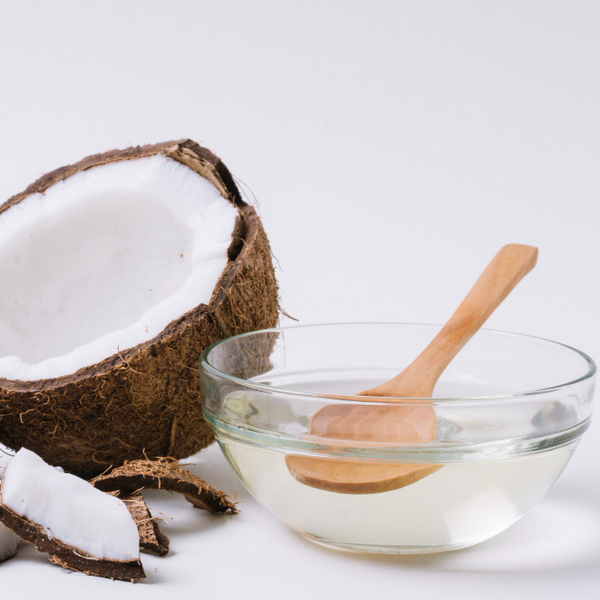
Coconut Yogurt
Coconut yogurt sounds clean because it avoids dairy. Most versions are weak compared with real dairy.
Many rely on starches, gums, added sugar and flavoring. The protein is often low unless the company adds processed plant protein.
Plain full fat dairy gives a more complete food. Eggs and meat are stronger still. The health food aisle often flips this around. A weak coconut product gets treated as superior because it is plant based.
That is marketing, not nutrition.
Fortified Cereal
Fortified cereal is one of the clearest examples of weak food with a strong label. The base is grain. The factory adds synthetic chemicals so the box can list so called vitamins and minerals.
Phytate research explains why minerals in grains do not automatically mean strong mineral nutrition (9).
A food should not need a factory to look useful.
Meal Check
Real Food Standard
Meat & Eggs
A real superfood should feed you well in a small amount. Beef, lamb and eggs do that without powders, bars or label tricks.
Eggs give high quality protein, fat, choline and nutrients in the yolk. A review on eggs describes their nutritional value and bioactive compounds (10). The yolk is the best part.
A steak and eggs meal gives more usable nutrition than a large bowl of oats, chia, berries and almond milk. The bowl looks busy. The animal foods do more work.
Shellfish & Liver
Shellfish gives you a lot in a small serving. Oysters, mussels and clams bring minerals that are hard to get from plant foods.
Shellfish research describes it as a source of protein, zinc, copper, iodine and selenium (11).
Liver is even more direct. It gives you retinol, copper, B vitamins and other nutrients in a dense form.
Plant based superfoods often need a long explanation. Liver does not. It is nutrient dense because the food itself is rich. A small amount can do more than a large plate of leaves.
Your Body Test
Use your body as the final test. Good food should keep hunger quiet for hours. It should sit well in the stomach. It should not leave bloating, gas, reflux, sleepiness or fast cravings.
Spinach smoothies, chia pudding, oat bowls, soy shakes, almond flour snacks, cacao drinks, beet juice and acai bowls may look healthy. They can still leave the body underfed or irritated.
Real food is easier to judge. Meat, eggs, shellfish, liver, butter and tallow do not need a long story. They feed the body in a direct way.
A real superfood should make eating easier, not turn every meal into a branded plant chemistry project.
For any health concerns or questions about a medical condition, get guidance from a physician or another appropriately trained clinician. Before changing your diet, supplements, or health routine, talk with a licensed healthcare professional.
Suggested Posts


Research
Crivelli, J.J., Mitchell, T., Knight, J., Wood, K.D., Assimos, D.G. and Holmes, R.P. (2020) Contribution of dietary oxalate and oxalate precursors to urinary oxalate excretion. Nutrients.
Mitchell, T., Kumar, P., Reddy, T., Wood, K.D., Knight, J., Assimos, D.G. and Holmes, R.P. (2019) Dietary oxalate and kidney stone formation. American Journal of Physiology Renal Physiology.
Liebman, M. and Chai, W. (1997) Effect of dietary calcium on urinary oxalate excretion after oxalate loads. American Journal of Clinical Nutrition.
Schlemmer, U., Frølich, W., Prieto, R.M. and Grases, F. (2009) Phytate in foods and significance for humans. Molecular Nutrition & Food Research. Available at https://pubmed.ncbi.nlm.nih.gov/19774556/
Wise, A. (1995) Phytate and zinc bioavailability. International Journal of Food Sciences and Nutrition. Available at https://pubmed.ncbi.nlm.nih.gov/7712343/
Petry, N., Egli, I., Zeder, C., Walczyk, T. and Hurrell, R. (2010) Polyphenols and phytic acid contribute to the low iron bioavailability from common beans in young women. Journal of Nutrition. Available at https://pubmed.ncbi.nlm.nih.gov/20861210/
Hurrell, R.F., Juillerat, M. A., Reddy, M.B., Lynch, S.R., Dassenko, S.A. and Cook, J.D. (1992) Soy protein, phytate, and iron absorption in humans. American Journal of Clinical Nutrition. Available at https://pubmed.ncbi.nlm.nih.gov/1503071/
Pereira, P.M.C.C. and Vicente, A.F.R.B. (2013) Meat nutritional composition and nutritive role in the human diet. Meat Science. Available at https://pubmed.ncbi.nlm.nih.gov/23273468/
Bohn, L., Meyer, A.S. and Rasmussen, S.K. (2008) Phytate. Impact on environment and human nutrition. A challenge for molecular breeding. Journal of Zhejiang University Science B. Available at https://pubmed.ncbi.nlm.nih.gov/18357620/
Réhault Godbert, S., Guyot, N. and Nys, Y. (2019) The Golden Egg. Nutritional Value, Bioactivities, and Emerging Benefits for Human Health. Nutrients. Available at https://pmc.ncbi.nlm.nih.gov/articles/PMC6470839/
Venugopal, V. and Gopakumar, K. (2017) Shellfish. Nutritive Value, Health Benefits, and Consumer Safety. Comprehensive Reviews in Food Science and Food Safety. Available at https://pubmed.ncbi.nlm.nih.gov/33371588/
Collings, R., Harvey, L.J., Hooper, L., Hurst, R., Brown, T.J., Ansett, J., King, M. and Fairweather Tait, S.J. (2013) The absorption of iron from whole diets. American Journal of Clinical Nutrition. Available at https://pubmed.ncbi.nlm.nih.gov/23719560/
Petry, N., Egli, I., Campion, B., Nielsen, E. and Hurrell, R. (2013) Genetic reduction of phytate in common bean seeds increases iron absorption in young women. Journal of Nutrition. Available at https://pubmed.ncbi.nlm.nih.gov/23784069/
Holmes, R.P., Goodman, H.O. and Assimos, D.G. (2001) Contribution of dietary oxalate to urinary oxalate excretion. Kidney International. Available at https://pubmed.ncbi.nlm.nih.gov/11135080/
Massey, L.K., Roman Smith, H. and Sutton, R.A.L. (1993) Effect of dietary oxalate and calcium on urinary oxalate and risk of formation of calcium oxalate kidney stones. Journal of the American Dietetic Association. Available at https://pubmed.ncbi.nlm.nih.gov/8335871/
Disler, P.B., Lynch, S.R., Charlton, R.W., Torrance, J.D., Bothwell, T.H., Walker, R.B. and Mayet, F. (1975) The effect of tea on iron absorption. Gut. Available at https://pubmed.ncbi.nlm.nih.gov/1168162/
Hurrell, R.F., Reddy, M. and Cook, J.D. (1999) Inhibition of non haem iron absorption in man by polyphenolic containing beverages. British Journal of Nutrition. Available at https://pubmed.ncbi.nlm.nih.gov/10999016/
Delimont, N.M., Haub, M.D. and Lindshield, B.L. (2017) The impact of tannin consumption on iron bioavailability and status. Current Developments in Nutrition. Available at https://pubmed.ncbi.nlm.nih.gov/29955693/
Kim, J., Paik, H.Y., Joung, H., Woodhouse, L.R., Li, S. and King, J.C. (2007) Effect of dietary phytate on zinc homeostasis in young and elderly Korean women. Journal of the American College of Nutrition. Available at https://pubmed.ncbi.nlm.nih.gov/17353577/
Turnlund, J.R., King, J.C., Keyes, W.R., Gong, B. and Michel, M.C. (1984) A stable isotope study of zinc absorption in young men. Effects of phytate and alpha cellulose. American Journal of Clinical Nutrition. Available at https://pubmed.ncbi.nlm.nih.gov/6496386/