How Much Sugar Does Your Body Need Every Day?

Key Takeaways Glucose & Daily Need Blood Sugar Your body needs some glucose in the blood every day because several tissues still depend on it. Red blood cells are the clearest example because they lack mitochondria, so they must make energy through glycolysis. Some parts of the kidney, eye and nervous system also keep using … Read more

How The Body Stores & Releases Energy Throughout The Day

Key Takeaways Stored Energy After Meals After you eat, your body breaks food into smaller parts it can use. Protein becomes amino acids, fat becomes fatty acids and carbs become sugar in the blood. Fresh fuel then moves through the body, and insulin rises to help cells take in what they need. Extra sugar can … Read more

How To Control Your Appetite Naturally Without Drugs

Key Takeaways Appetite Signals Hunger Signals Your appetite is your body asking for food. It can rise when your stomach is empty, when you sleep poorly, when stress stays high or when you eat food that digests too fast. The best place to start is with meals that keep you full for several hours. Packaged … Read more

Can Berberine Help Support Healthy Blood Sugar?

Key Takeaways Blood Sugar Basics Berberine & Glucose Berberine is a yellow plant compound found in herbs such as barberry, goldenseal and Oregon grape. People use it most often for blood sugar, insulin response, lipids and gut related concerns. Human trials and meta analyses show that berberine can lower fasting glucose, HbA1c and after meal … Read more

Chronic Kidney Disease Common Causes & Treatment

Key Takeaways What CKD Means Basic Definition Chronic kidney disease, or CKD, means the kidneys stay damaged for at least three months, or they filter blood less well than they should. The kidneys normally remove waste, balance fluid, and help control minerals in the blood. When those jobs weaken over time, waste builds up, swelling … Read more

PAM Enzyme Effects On Hormones, Peptides & Health

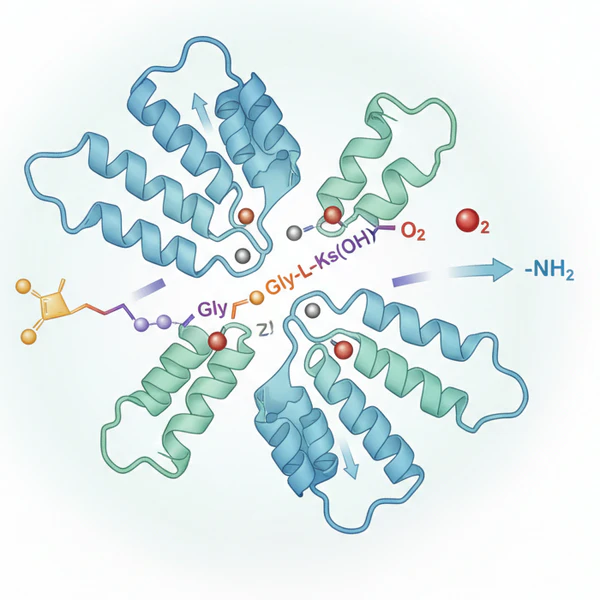
Key Takeaways PAM Basics What PAM Does PAM gives many peptide hormones and neuropeptides their active final form. The full name is peptidylglycine alpha amidating monooxygenase. It adds a small chemical group called an amide to the tail end of certain peptides. That last step can decide whether a signal is strong enough to do … Read more

Manage Blood Sugar Naturally With Simple Daily Habits

Key Takeaways Food Choices Sugar Drinks Sugar drinks raise blood sugar quickly because they enter the body fast. Soda, juice, sweet tea and sweet coffee drinks do not need much digestion before the sugar reaches the blood. They also do a poor job of satisfying hunger, so they can add a large sugar load without … Read more

Book Review: The Magnesium Factor By Dr. Mildred Seelig & Dr. Andrea Rosanoff

Key Takeaways “The Magnesium Factor” by Dr. Mildred Seelig and Dr. Andrea Rosanoff sheds light on the critical yet often underestimated role of magnesium in cardiovascular health. The book meticulously outlines how magnesium interacts with the body’s systems, particularly focusing on its relationship with the heart and blood vessels. Combining Dr. Seelig’s extensive research on … Read more

Copper Health Benefits For Everyday Wellness

Key Takeaways Copper In Daily Health Energy Copper helps the body make usable energy from food at the cell level. That link reaches into ordinary daily life because every tissue depends on steady fuel for movement repair warmth and clear thinking. Copper supports enzymes inside mitochondria, the small parts of cells that turn food into … Read more

Ketogenic Diet Benefits: What Science Says

keto

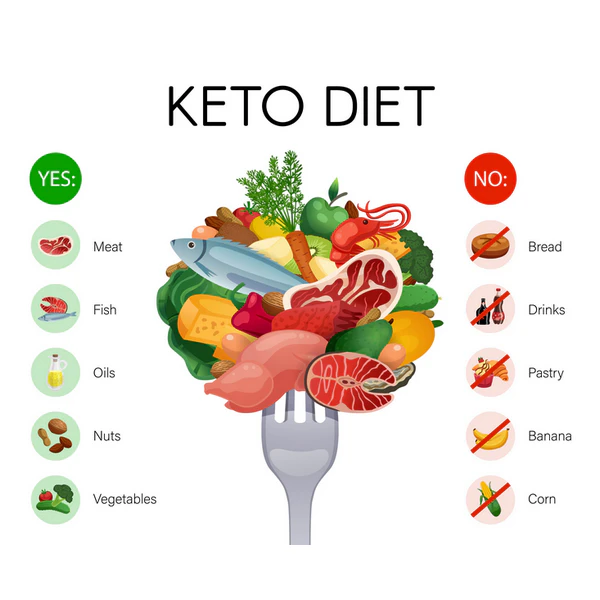
Key Takeaways Keto Basics Fuel Shift A ketogenic diet keeps carbs very low so your body makes more ketones. Ketones come from fat. Your liver makes them when sugar from food drops low enough. Many people use keto for fat loss because it removes the main foods that keep hunger high and blood sugar moving … Read more

Is Red Meat Bad For Your Heart In Everyday Meals

Key Takeaways Beef & Human Nutrition Nutrient Dense Food Beef gives dense, easy to use nutrition in a small amount of food. It brings complete protein, heme iron, zinc, selenium, B12, creatine, carnitine, and fat that helps with fullness after a meal. That makes beef a strong fit for people who want fewer meals, steadier … Read more

How To Lower Triglycerides Fast

Key Takeaways Main Food Drivers Cut Sugar Triglycerides are fats in your blood. Your liver can make more of them when sugar and starch keep coming in. Sweet drinks, desserts, bread, cereal, pasta and snack foods are common triggers. Controlled feeding research found that high carb intake can raise triglyceride production in the liver (1). … Read more

Why Continuous Glucose Monitors Are Gaining Popularity

Key Takeaways What CGMs Show Device Basics A continuous glucose monitor, or CGM, is a small sensor worn on the skin. It checks glucose in the fluid under the skin every few minutes and sends those readings to a phone or reader. Continuous glucose monitors can help you spot high blood sugar spikes after meals … Read more

How Insulin Regulates Blood Sugar

insulin

Key Takeaways Insulin Release Beta Cells Insulin keeps blood sugar within a safe range across the day. It is made by beta cells in the pancreas, which is a gland behind the stomach. These cells sense rising glucose in the blood, then release insulin into the bloodstream so other tissues can respond (Röder et al., … Read more

Metabolic Health: What It Means and How to Improve It

Key Takeaways Metabolic Health Basics Fuel Handling Metabolic health means your body can use fuel well. Food comes in, energy gets made and your body keeps blood sugar in a safe range. Good fuel handling should feel steady. You should be able to think, move and work without needing sugar or snacks all day. Insulin … Read more