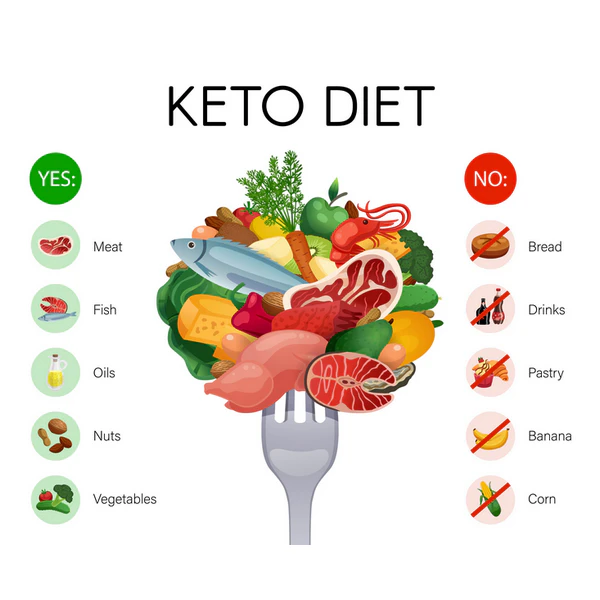
Key Takeaways
- A keto label can hide starches, syrups, sweeteners and serving sizes that push carbs higher.
- Net carb math can make processed snacks look cleaner than the ingredient list shows.
- Keto bread, cereal and bars often keep the same snack habits alive.
- Beef, eggs and sardines are easier to judge than packaged keto products.
- Fewer packaged snacks make ketosis easier because the food stays clearer and simpler.
Label Claims
Front Label Words
A keto label can make a packaged snack look safer than it is. You still need the ingredient list, because the front of the package is where the selling happens.
Keto is a common word on packages. FDA label rules define many food claims, while keto is not listed as a standard nutrient content claim in the same way as low sodium or sugar free (1, 2).
You may see keto on bread, cereal and bars. The word can sit on products that still act like snack food. A bag of keto chips may still keep your hand moving back into the bag.
The front label shows the sales message. The ingredient list shows what you are about to eat.
Ingredient Order
Ingredients are listed by weight, so the first few ingredients show what the product mostly contains (3).
A keto wrap can start with modified starch, wheat gluten and oat fiber. A keto cookie can start with almond flour, soluble fiber and sweeteners. A keto cereal can start with protein isolate, fibers and seed oils.
Read the first five ingredients before you read the carb claim. Ask whether you would eat those ingredients without the keto label. A long list of powders usually means the product is selling an idea.
Serving Size
Serving size can make the carb count look smaller than your real intake. A cereal label may show a small serving, while a normal bowl gives much more.
A bar may show low carbs for half the product. A snack bag may use a tiny serving, even though the food is made for repeated bites.
Count what you actually eat. The label serving is the company number, not your real intake.
Hidden Carb Sources
Starches & Fillers
Many keto products use starches and fillers for texture. Common examples include tapioca starch, potato starch and modified starch.
These ingredients help copy bread, chips and cookies. They also make the product harder to judge. The food may look low carb on the front while the ingredient list shows a processed snack.
A burger patty, eggs or sardines gives protein and fat without starch fillers. These foods are easier to track because the food is clear.
Sweeteners & Fibers
Net carbs usually means total carbs minus fiber and some sugar alcohols. This math can make a product look cleaner than it is.
Many keto bars use soluble corn fiber, chicory root fiber and sugar alcohols. These ingredients can lower the printed net carb number while keeping the sweet snack habit alive.
A ketogenic diet can improve weight, blood sugar and blood fat markers in some trials, but those studies were not built around endless packaged sweets (4, 5).
Sauces & Coatings
Sauces and coatings can carry carbs that are easy to miss. Jerky, meat sticks and dressings may use sweeteners, gums and fruit solids.
A small amount can look harmless. Several servings across the day can change the total. Sweet coating on meat still adds sweet taste and hidden carbs.
Choose plain meat first. Add salt, butter or tallow. Use sauces only when the label is clean.
Protein And Fat Drive Satiety
Animal based meals are harder to overeat when protein and fat replace sugar and snack foods.
Processed Keto Snacks
Snack Habit
Packaged keto snacks make eating more frequent. Frequent eating keeps food on your mind and makes ketosis harder for many people.
Keto often gets easier with fewer eating times. A day built around bars, cookies and shakes keeps the snack habit alive even when the label says low carb.
Low carb trials often show useful changes in weight, triglycerides, HDL and blood sugar in some groups.
The diet effect comes from the whole approach, not from copying junk food with new ingredients (6, 7).
Seed Oils
Many keto snacks still use refined seed oils. The carb number can look low while the fat source stays poor.
You may see sunflower oil, safflower oil and canola oil in keto chips. These oils are common in processed food because they are cheap and easy to use.
Ultra processed food exposure is linked with worse health outcomes in large reviews, including obesity and cardiometabolic disease (8, 9).
Better Swaps
Use simple swaps when hunger is real.
- Eggs instead of bars
- Burger patties instead of chips
- Sardines instead of crackers
These foods give protein and fat without sweeteners, starches or serving size games. They also keep you away from snack foods that pretend to be diet tools.
Use vs Avoid
| Use | Avoid |
|---|---|
| Ruminant meat | Seed oils |
| Eggs | Sugar drinks |
| Seafood | Packaged snacks |
| Animal fats | Fortified grains |
Better Keto Choices
Read First
Read the ingredient list before the net carb number. The first few ingredients tell you more than the front label.
Watch for starches, syrup solids and seed oils. Soluble fibers and sugar alcohols also deserve caution when they carry the product.
A keto product should make eating easier. A long ingredient list usually makes eating more confusing.
Count Real Intake
Net carbs can help, but total carbs and portion size still count. A low net carb product can still be easy to overeat.
Keto cereal, keto granola and keto cookies are common problem foods. They look controlled on the label and act like regular snack foods in daily use.
The real question is how the product affects your day. If it brings cravings, bloating or repeated snacking, it is making keto harder.
Keep Food Clear
Shop for clear food first. Beef, lamb and eggs are easier to understand than a box of keto snacks.
Sardines, salmon and shellfish also fit low carb eating without label tricks. Butter, tallow and full fat dairy can round out food choices when you tolerate them well.
Packaged keto products should stay rare. Use them as backups, not daily staples. The more a product tries to copy bread, cereal or candy, the more carefully you should read it.
For any health concerns or questions about a medical condition, get guidance from a physician or another appropriately trained clinician. Before changing your diet, supplements, or health routine, talk with a licensed healthcare professional.
Suggested Posts
Research
U.S. Food and Drug Administration (2024a) Label claims for conventional foods and dietary supplements. Available at https://www.fda.gov/
U.S. Food and Drug Administration (2022) Nutrient content claims. Available at https://www.fda.gov/
Electronic Code of Federal Regulations (2026) 21 CFR Part 101 Food Labeling. Available at https://www.ecfr.gov
Bueno, N.B. et al. (2013) Very low carbohydrate ketogenic diet v. low fat diet for long term weight loss. British Journal of Nutrition. Available at https://pubmed.ncbi.nlm.nih.gov/
Yancy, W.S. Jr et al. (2004) A low carbohydrate, ketogenic diet versus a low fat diet to treat obesity and hyperlipidemia. Annals of Internal Medicine. Available at https://pubmed.ncbi.nlm.nih.gov/
Parry Strong, A. et al. (2022) Very low carbohydrate ketogenic diets in type 2 diabetes. A systematic review and meta analysis of randomized controlled trials. Diabetes, Obesity and Metabolism. Available at https://pubmed.ncbi.nlm.nih.gov/
Luo, W. et al. (2022) Low carbohydrate ketogenic diets reduce cardiovascular risk factor levels in obese or overweight patients with T2DM. Frontiers in Nutrition. Available at https://pubmed.ncbi.nlm.nih.gov/
Lane, M.M. et al. (2024) Ultra processed food exposure and adverse health outcomes. BMJ. Available at https://pubmed.ncbi.nlm.nih.gov/
Dai, S. et al. (2024) Ultra processed foods and human health. Clinical Nutrition. Available at https://pubmed.ncbi.nlm.nih.gov/
Chiavaroli, L. et al. (2023) Important food sources of fructose containing sugars and adiposity. American Journal of Clinical Nutrition. Available at https://pubmed.ncbi.nlm.nih.gov/
Jafari, A. et al. (2024) The effect of low fructose diet on anthropometric and metabolic factors. Nutrition, Metabolism and Cardiovascular Diseases. Available at https://pubmed.ncbi.nlm.nih.gov/
Foster, G.D. et al. (2003) A randomized trial of a low carbohydrate diet for obesity. New England Journal of Medicine. Available at https://pubmed.ncbi.nlm.nih.gov/
Yancy, W.S. Jr et al. (2010) A randomized trial of a low carbohydrate diet vs orlistat plus a low fat diet for weight loss. Archives of Internal Medicine. Available at https://pubmed.ncbi.nlm.nih.gov/
Fattore, E. et al. (2021) Effect of fructose instead of glucose or sucrose on cardiometabolic markers. Nutrition Reviews. Available at https://pubmed.ncbi.nlm.nih.gov/
Lane, M.M. et al. (2021) Ultraprocessed food and chronic noncommunicable diseases. Obesity Reviews. Available at https://pubmed.ncbi.nlm.nih.gov/33167080/
Moradi, S. et al. (2023) Ultra processed food consumption and adult obesity risk. Critical Reviews in Food Science and Nutrition. Available at https://pubmed.ncbi.nlm.nih.gov/34190668/