Key Takeaways
- Alpha gal syndrome is a delayed allergy that usually starts after certain tick bites.
- Reactions often come hours after mammal meat, dairy, gelatin or related product exposure.
- Symptoms can hit the skin, gut, lungs or circulation with different force each time.
- Testing works best when your food history and tick exposure are reviewed together.
- Support starts with strict trigger control, tick bite prevention and a clear emergency plan.
Alpha Gal Basics
Tick Bite Link
Alpha gal syndrome is an allergy to a sugar found in most mammals. The sugar is called galactose alpha 1,3 galactose. Humans do not make this sugar in the same way.
A tick bite can train your immune system to treat this sugar as a threat, then later meals can set off symptoms (1).
This condition is different from most food allergies because the reaction is often delayed. You may eat beef at dinner and wake during the night with itching, stomach pain or swelling.
That delay can confuse people for years because the food and reaction feel too far apart (2).
Mammal Meat Reaction
Most people connect alpha gal syndrome with beef, pork and lamb. Some also react to dairy, gelatin or other mammal derived ingredients.
The reaction can change by person, dose and context. Alcohol, exercise, poor sleep or another stressor may make a reaction stronger in some people.
The body reacts through IgE antibodies. These antibodies can bind alpha gal after exposure. The first medical clue came from reactions to cetuximab, a cancer drug that carries alpha gal.
Later research connected the same immune target to delayed reactions after mammal meat (3).
Main Symptoms
Skin & Gut Signs
Common symptoms include hives, itching, stomach pain, nausea and diarrhea. Some people mainly feel gut symptoms with little or no skin reaction.
That makes the condition easy to miss because many people search for stomach causes first, then never connect the reaction to a tick bite or a meal hours earlier (4).
Reactions can feel random because the same food does not always cause the same response.
A smaller portion may cause nothing one day, then a larger fatty meal may cause a stronger reaction later.
This uneven response does not rule out alpha gal syndrome. It is one reason a clear food and symptom record can help.
Breathing & Circulation
Severe reactions can include throat swelling, breathing trouble, dizziness, fainting or a sharp drop in blood pressure.
These signs need emergency care. Alpha gal syndrome can cause anaphylaxis, and delayed timing does not make it mild or harmless (2).
A clinician may give a person an emergency plan and an epinephrine auto injector when risk is high. That is general safety planning for a dangerous allergy.
It does not fix the cause. It gives the person a way to respond while avoiding triggers and preventing new tick bites.
Common Causes
Tick Exposure
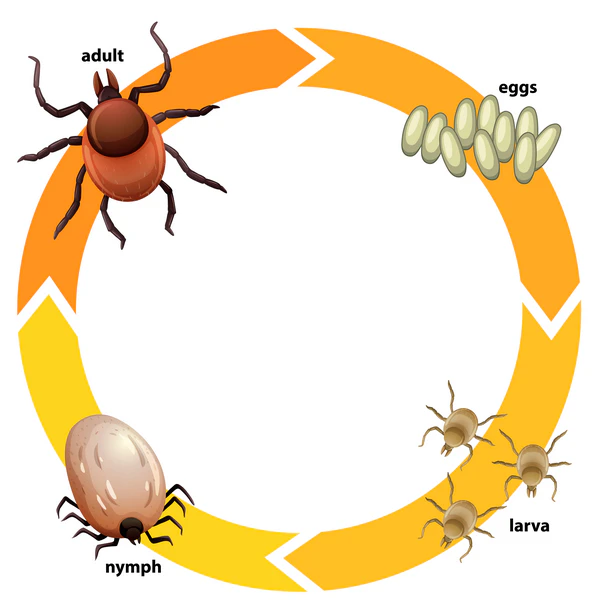
In the United States, the lone star tick is the main tick linked with alpha gal syndrome. Cases cluster most strongly in the southern, midwestern and mid Atlantic regions.
CDC data found more than 90,000 suspected cases from 2017 through 2022, and the real number may be much higher because many people never get tested (5).
Other tick species may also be involved in some regions.
Reports outside the classic lone star tick range deserve attention because tick ranges change, travel happens and local exposure can be missed.
A past bite, a cluster of small bites or a heavy outdoor season can all be useful clues.
Testing Clues
Testing usually looks for IgE antibodies to alpha gal. A positive test alone does not prove the full condition. Symptoms and timing still count.
The clearest picture comes from a delayed reaction after mammal food, a history of tick exposure and a matching blood test (6).
Many health workers still miss alpha gal syndrome. One CDC survey found low confidence among many clinicians in diagnosis and management.
This creates long delays for people who keep having night reactions, stomach attacks or repeated allergy episodes without a clear answer (7).
Natural Support
Trigger Control
The first step is removing clear triggers while working with a trained clinician. For many people, that means avoiding beef, pork, lamb and venison.
Some people must also avoid dairy, gelatin or hidden mammal ingredients. The level of avoidance depends on the person and reaction history.
This condition is a real allergy exception to normal ancestral eating. Ruminant meat is usually a strong food for many people, but alpha gal syndrome changes the rules for the affected person.
Safer animal foods often include eggs, poultry and wild seafood when tolerated. Each person still needs a cautious plan because reactions can differ.
Labels can be hard because mammal derived ingredients show up in places people do not expect. Gelatin capsules, some medical products and certain personal care items may be issues for sensitive people.
CDC notes that some people with severe alpha gal syndrome may react to ingredients in certain medications or vaccines, although this is rare (8).
Tick Bite Prevention
Preventing new tick bites is central because new bites may raise risk again or make reactions return. Use body checks after outdoor time.
Check the scalp, waist, groin, knees and ankles carefully. Showering after outdoor exposure can help you find ticks before they stay attached.
Outdoor habits should be boring and consistent. Wear long clothing in brush. Keep grass short near the home. Treat outdoor gear when needed.
CDC advises tick bite prevention because future bites may reactivate allergic reactions in people with alpha gal syndrome (8).
Tick removal should be careful and fast. Crushing the tick can increase exposure to tick fluids.
Use proper tick removal methods and clean the area after removal. Keep a photo if possible because the tick type may help the clinician understand exposure.
Food Replacement
Food replacement should protect nutrient intake without pushing grains, seed oils or fortified products.
Eggs, poultry and wild seafood can cover protein for many people with alpha gal syndrome.
Butter or ghee may trigger some people because they come from mammals, so tolerance must be handled person by person.
A low carb approach can still work without mammal meat. Meals can center on eggs, sardines, salmon, shellfish or poultry thighs.
Use tolerated natural fats instead of seed oils. Avoid fortified grains because they add weak nutrition and often bring extra gut stress.
People with stronger dairy reactions need more planning. Calcium marketing often pushes fortified plant drinks, but that path adds additives and weak food quality.
Better support comes from tolerated real foods, careful mineral status and clinician guided allergy work.
Medical Planning
Alpha gal syndrome needs a written emergency plan if reactions have been serious. The plan should name warning signs, safe foods, trigger foods and emergency steps.
Family members should know the delay because a reaction can happen long after dinner.
Tell your dentist, pharmacist and clinician about alpha gal syndrome before new products or procedures.
Some medical products can contain mammal derived ingredients. The risk varies by product and by person, so guessing is unsafe.
Some people improve over time when they avoid new tick bites and avoid triggers. CDC states that some people may later tolerate alpha gal containing products again, but that decision should be made with a clinician. Testing, reaction history and careful judgment matter more than hope (8).
For any health concerns or questions about a medical condition, get guidance from a physician or another appropriately trained clinician. Before changing your diet, supplements or health routine, talk with a licensed healthcare professional.
Suggested Posts


Research
CDC 2026, About Alpha gal Syndrome, Centers for Disease Control and Prevention.
CDC 2026, Symptoms of Alpha gal Syndrome, Centers for Disease Control and Prevention.
Chung, C.H. et al. 2008, Cetuximab induced anaphylaxis and IgE specific for galactose alpha 1,3 galactose, New England Journal of Medicine, 358, 1109 to 1117. DOI 10.1056/NEJMoa074943. PMID 18337601.
Croglio, M.P., Commins, S.P. and McGill, S.K. 2021, Isolated gastrointestinal alpha gal meat allergy is a cause for gastrointestinal distress without anaphylaxis, Gastroenterology, 160, 2178 to 2180.e1. DOI 10.1053/j.gastro.2021.01.218. PMID 33524403.
Thompson, J.M. et al. 2023, Geographic distribution of suspected alpha gal syndrome cases, United States, January 2017 to December 2022, Morbidity and Mortality Weekly Report, 72, 815 to 820. DOI 10.15585/mmwr.mm7230a2.
Commins, S.P. 2020, Diagnosis and management of alpha gal syndrome, lessons from 2,500 patients, Expert Review of Clinical Immunology, 16, 667 to 677. DOI 10.1080/1744666X.2020.1782745. PMID 32571129.
Carpenter, A. et al. 2023, Health care provider knowledge regarding alpha gal syndrome, United States, March to May 2022, Morbidity and Mortality Weekly Report, 72, 809 to 814. DOI 10.15585/mmwr.mm7230a1.
CDC 2026, Managing Alpha gal Syndrome, Centers for Disease Control and Prevention.
Commins, S.P. et al. 2009, Delayed anaphylaxis, angioedema, or urticaria after consumption of red meat in patients with IgE antibodies specific for galactose alpha 1,3 galactose, Journal of Allergy and Clinical Immunology, 123, 426 to 433.e2. DOI 10.1016/j.jaci.2008.10.052. PMID 19070355.
Commins, S.P. and Platts Mills, T.A.E. 2013, Delayed anaphylaxis to red meat in patients with IgE specific for galactose alpha 1,3 galactose, Current Allergy and Asthma Reports, 13, 72 to 77. DOI 10.1007/s11882-012-0315-y.
Tripathi, A., Commins, S.P., Heymann, P.W. and Platts Mills, T.A.E. 2014, Delayed anaphylaxis to red meat masquerading as idiopathic anaphylaxis, Journal of Allergy and Clinical Immunology In Practice, 2, 259 to 265. PMID 24811014.
Commins, S.P. et al. 2014, Delayed clinical and ex vivo response to mammalian meat in patients with IgE to galactose alpha 1,3 galactose, Journal of Allergy and Clinical Immunology, 134, 108 to 115.
Mitchell, C.L. et al. 2020, Association between lone star tick bites and increased alpha gal sensitization, Annals of Allergy Asthma and Immunology, 125, 470 to 472.e1.
Wilson, J.M. et al. 2019, Investigation into the alpha gal syndrome, characteristics of 261 children and adults reporting red meat allergy, Journal of Allergy and Clinical Immunology In Practice, 7, 2348 to 2358.e4.
Chacon Osorio, G.R., Palraj, R., van Nunen, S. and White, M.J. 2022, Newly recognized alpha gal syndrome in the upper midwestern United States, Mayo Clinic Proceedings, 97, 1754 to 1755. DOI 10.1016/j.mayocp.2022.07.003. PMID 36058588.
Saunders, E.F. et al. 2025, Alpha gal syndrome after Ixodes scapularis tick bite and deer meat exposure, Emerging Infectious Diseases, 31.
McGill, S.K., Commins, S.P. and Platts Mills, T.A.E. 2023, AGA clinical practice update on alpha gal syndrome for gastroenterologists, Clinical Gastroenterology and Hepatology.
Caron, L., Ortolani, V.G.R., Bono, E., Ratti, C.P. and Iemoli, E. 2022, Alpha gal syndrome and delayed anaphylaxis after ingestion of red meat, a case report, Allergology Select, 6, 299 to 303. DOI 10.5414/ALX02394E.