Key Takeaways
- A lone star tick bite can trigger alpha gal syndrome in some people.
- Alpha gal syndrome can cause delayed reactions after beef, pork, lamb or dairy.
- Symptoms often begin hours after eating, which makes the cause easy to miss.
- The allergy can cause hives, gut pain, swelling or life threatening reactions.
- Prevention starts with tick checks, trigger tracking and avoiding new tick bites.
Lone Star Tick
Tick Bite Risk
A lone star tick bite can cause a meat allergy in some people. The allergy is called alpha gal syndrome. It happens when the immune system reacts to a sugar found in most mammals.
CDC says alpha gal syndrome can happen after a tick bite, and red meat, dairy and other products can trigger reactions in sensitive people (1).
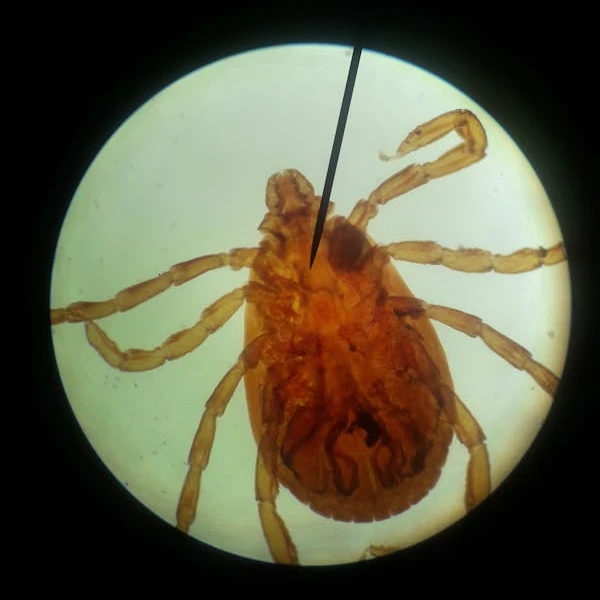
The lone star tick is the main tick linked to this problem in the United States. Its scientific name is Amblyomma americanum.
CDC surveillance found suspected cases mostly in areas where lone star ticks are established or reported. The strongest clusters appeared across parts of the South, Midwest and mid Atlantic states (2).
Tick Name Confusion
The longhorned tick is a different tick. People sometimes mix the names because both names sound similar.
The longhorned tick usually means the Asian longhorned tick, Haemaphysalis longicornis. The tick most tied to alpha gal syndrome in the United States is the lone star tick.
A lone star tick has a clear white spot on the back of the adult female. Younger ticks can be much harder to spot because they are small.
You do not need to identify the tick perfectly to take the bite seriously. A bite followed by delayed food reactions deserves attention.
Meat Allergy Link
Alpha Gal Sugar
Alpha gal is a sugar found in most mammals. Beef, pork and lamb can carry it. Some dairy and gelatin products can also be a problem for sensitive people.
Humans do not make this sugar in the same way, so the immune system can treat it as foreign after the wrong tick exposure.
The first major clue came from severe reactions to cetuximab. Researchers found that some patients had IgE antibodies to alpha gal.
Later work connected the same immune target to delayed reactions after mammal meat (3, 4).
Delayed Reaction
Most food allergies hit fast. Alpha gal syndrome often hits hours later. CDC says symptoms usually appear two to six hours after exposure to products that contain alpha gal.
This delay makes the cause harder to see because dinner may feel unrelated by midnight (5).
A person may eat beef one night and wake with itching, cramps or swelling. Another person may react after pork, lamb or dairy.
The amount eaten can change the reaction. Alcohol, exercise or poor sleep may also make a reaction stronger in some people.
Hidden Triggers
Meat is the obvious trigger, but it is not the only possible trigger. Gelatin, some capsules and certain medical products may contain mammal derived ingredients.
CDC notes that people with alpha gal syndrome can react to mammal meat, dairy and products made from mammals (1).
Food labels can miss the real problem because they do not always make mammal derived ingredients clear. This creates extra risk for people with strong reactions.
A careful food record helps you connect symptoms to meals, supplements or procedures without guessing.
Symptoms & Testing
Common Signs
Alpha gal syndrome can cause hives, itching, swelling, stomach pain, nausea, diarrhea, breathing trouble or dizziness. Some people mainly get gut symptoms.
Research has described patients with stomach symptoms from alpha gal syndrome without the obvious skin signs people expect from allergies (6).
A mild reaction can still teach you something important. Repeated reactions can get more serious, and the next exposure can be less predictable.
Severe throat swelling, fainting, breathing trouble or collapse needs emergency care. This condition can become life threatening.
Diagnosis Clues
Diagnosis works best when symptoms, food history and tick exposure are reviewed together. A blood test can look for IgE antibodies to alpha gal.
A positive test needs the right story behind it. A delayed reaction after mammal food makes the result more useful (7).
Many people spend years chasing random stomach problems, skin reactions or nighttime allergy attacks.
CDC reported that many health care providers had limited knowledge of alpha gal syndrome. This gap can delay diagnosis when people have clear clues in their history (8).
You can make the appointment more useful by writing down the details before you go. Record the food, the time eaten and the time symptoms started.
Add recent tick bites or outdoor exposure. Keep the record short and clear so the pattern becomes easier to see.
Natural Support
Trigger Avoidance
The main support step is avoiding the foods and products that trigger symptoms. For many people, this means avoiding beef, pork and lamb.
Some people must also avoid dairy or gelatin. The level of avoidance depends on your reaction history and medical guidance.
This allergy changes the normal food plan. Ruminant meat is usually a strong traditional food, but alpha gal syndrome makes it unsafe for some people.
Many people can still use eggs, poultry and wild seafood when tolerated. Those foods can help protect protein intake without grains, seed oils or fortified products.
Do not replace meat with fortified grain foods or seed oil heavy products. Those foods create a weak trade.
If mammal meat triggers reactions, use tolerated real foods instead. Keep meals steady and simple while you sort out your personal trigger list.
Tick Prevention
Preventing new tick bites is central. CDC says avoiding future tick bites may help reduce the chance of worsening reactions.
New bites can keep the immune system stirred up and may bring symptoms back after a calmer stretch (9).
Check your body after yard work, hiking or time in brush. Look at the scalp, waist and groin. Check behind the knees and around the ankles. Shower after outdoor exposure so small ticks are easier to find.
Remove ticks carefully with fine tweezers. Pull upward with steady pressure and avoid crushing the tick. Clean the bite area afterward. Save a photo of the tick if you can because identification may help later.
Emergency Plan
Anyone with serious reactions needs a clear emergency plan from a trained clinician. The plan should explain danger signs, food triggers and emergency steps.
Family members should understand the delay because symptoms can start long after the meal.
Medical and dental products deserve extra care. Tell clinicians, dentists and pharmacists about alpha gal syndrome before new products or procedures. Some products may contain mammal derived ingredients. The risk differs by product and person, so direct review is safer than guessing.
For any health concerns or questions about a medical condition, get guidance from a physician or another appropriately trained clinician. Before changing your diet, supplements or health routine, talk with a licensed healthcare professional.
Suggested Posts


Research
CDC 2026, About Alpha gal Syndrome, Centers for Disease Control and Prevention.
Thompson, J.M. et al. 2023, Geographic distribution of suspected alpha gal syndrome cases, United States, January 2017 to December 2022, Morbidity and Mortality Weekly Report, 72, 815 to 820. DOI 10.15585/mmwr.mm7230a2.
Chung, C.H. et al. 2008, Cetuximab induced anaphylaxis and IgE specific for galactose alpha 1,3 galactose, New England Journal of Medicine, 358, 1109 to 1117. DOI 10.1056/NEJMoa074943. PMID 18337601.
Commins, S.P. et al. 2009, Delayed anaphylaxis, angioedema, or urticaria after consumption of red meat in patients with IgE antibodies specific for galactose alpha 1,3 galactose, Journal of Allergy and Clinical Immunology, 123, 426 to 433.e2. DOI 10.1016/j.jaci.2008.10.052. PMID 19070355.
CDC 2026, Symptoms of Alpha gal Syndrome, Centers for Disease Control and Prevention.
Croglio, M.P., Commins, S.P. and McGill, S.K. 2021, Isolated gastrointestinal alpha gal meat allergy is a cause for gastrointestinal distress without anaphylaxis, Gastroenterology, 160, 2178 to 2180.e1. DOI 10.1053/j.gastro.2021.01.218. PMID 33524403.
Commins, S.P. 2020, Diagnosis and management of alpha gal syndrome, lessons from 2,500 patients, Expert Review of Clinical Immunology, 16, 667 to 677. DOI 10.1080/1744666X.2020.1782745. PMID 32571129.
Carpenter, A. et al. 2023, Health care provider knowledge regarding alpha gal syndrome, United States, March to May 2022, Morbidity and Mortality Weekly Report, 72, 809 to 814. DOI 10.15585/mmwr.mm7230a1.
CDC 2026, Managing Alpha gal Syndrome, Centers for Disease Control and Prevention.
Platts Mills, T.A.E. et al. 2020, Diagnosis and management of patients with the alpha Gal syndrome, Journal of Allergy and Clinical Immunology In Practice, 8, 15 to 23.e1. PMID 31568928.
Patel, C. et al. 2020, Diagnosis and management of alpha gal syndrome, Journal of Allergy and Clinical Immunology In Practice, 8, 15 to 23.
Tripathi, A., Commins, S.P., Heymann, P.W. and Platts Mills, T.A.E. 2014, Delayed anaphylaxis to red meat masquerading as idiopathic anaphylaxis, Journal of Allergy and Clinical Immunology In Practice, 2, 259 to 265. PMID 24811014.
Commins, S.P. et al. 2014, Delayed clinical and ex vivo response to mammalian meat in patients with IgE to galactose alpha 1,3 galactose, Journal of Allergy and Clinical Immunology, 134, 108 to 115.
Wilson, J.M. et al. 2019, Investigation into the alpha gal syndrome, characteristics of 261 children and adults reporting red meat allergy, Journal of Allergy and Clinical Immunology In Practice, 7, 2348 to 2358.e4.
Shishido, A.A. et al. 2025, A review of alpha gal syndrome for the infectious diseases physician, Open Forum Infectious Diseases.
McGill, S.K., Commins, S.P. and Platts Mills, T.A.E. 2023, AGA clinical practice update on alpha gal syndrome for gastroenterologists, Clinical Gastroenterology and Hepatology.
Chacon Osorio, G.R., Palraj, R., van Nunen, S. and White, M.J. 2022, Newly recognized alpha gal syndrome in the upper midwestern United States, Mayo Clinic Proceedings, 97, 1754 to 1755. DOI 10.1016/j.mayocp.2022.07.003. PMID 36058588.
Saunders, E.F. et al. 2025, Alpha Gal Syndrome after Ixodes scapularis tick bite and deer meat exposure, Emerging Infectious Diseases, 31.