Key Takeaways
- BPH symptoms often begin with weak flow, urgency and night urination.
- BPH is common with aging, but it is not prostate cancer.
- Insulin resistance can push prostate growth and worsen urinary symptoms.
- Inflammation, stress and poor mineral status can add pressure over time.
- Natural support works best when you also get proper testing.
Understanding BPH
BPH Basics
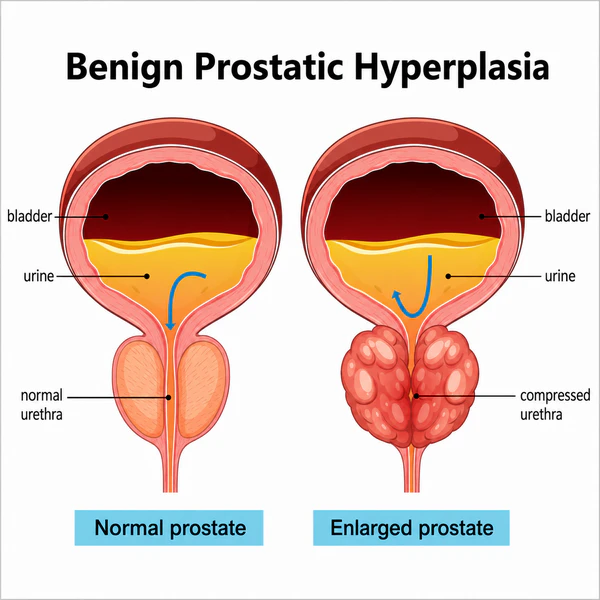
BPH means benign prostatic hyperplasia. Your prostate gland becomes larger and starts pressing on the urethra, which is the tube that carries urine out of your body.
This can make urination slower, weaker and harder to finish.
BPH becomes more common as you age, and it is one of the main causes of lower urinary tract symptoms in older men (1).
Urinary Changes
The most common symptoms are weak urine flow, starting and stopping, dribbling, urgency and frequent urination.
You may wake several times at night to pee. You may also feel like your bladder still has urine inside after you finish.
Symptoms can build slowly, which makes them easy to ignore. You may start planning your day around bathrooms.
You may avoid long drives, meetings or sleep because your bladder feels unpredictable.
More serious symptoms include blood in urine, fever, severe pelvic pain, repeated infections or being unable to urinate.
These signs need medical care quickly. A blocked bladder can become more than a comfort problem.
Causes & Drivers
Age & Hormones
Your prostate changes as you age. Testosterone, DHT, estrogen balance and local growth signals can all affect prostate tissue.
Your prostate responds to the wider state of your metabolism, inflammation and aging biology.
Insulin Pressure
High insulin is one of the strongest overlooked drivers. Insulin rises after carbohydrate intake, especially sugar, flour, grains, sweet drinks and snack foods.
When insulin stays high often, tissue growth signals can stay switched on longer than they should.
A study on men with BPH found hyperinsulinemia was a risk factor for developing prostate enlargement (2).
Another study found metabolic factors, including glucose and body size, were linked with BPH (3).
A systematic review and meta analysis found metabolic syndrome was associated with benign prostate enlargement (4).
BPH is often treated as a plumbing problem only. The plumbing view is incomplete.
Your urinary symptoms may be showing you that blood sugar, insulin and inflammation have been moving in the wrong direction for years.
Inflammation
Inflammation can make prostate tissue more irritated and swollen. It can also affect bladder sensitivity, so you feel urgency before your bladder is truly full.
A review connected BPH, lower urinary tract symptoms and metabolic syndrome through inflammation and hormone signaling (5).
Oxidative stress also deserves attention. One study found altered ceruloplasmin and antioxidant enzyme levels in men with BPH and prostate cancer (6).
Ceruloplasmin is tied to copper and iron handling, which connects mineral status with tissue stress.
Natural Support
Food Choices
Start with the glucose load. Remove sweet drinks, desserts, bread, pasta, cereal, crackers and fortified grain products.
These foods can keep insulin high and often replace more nutrient dense foods that give your prostate better support.
Base meals on beef, lamb, eggs, wild seafood, butter, ghee, tallow, liver and shellfish.
These foods give protein, retinol, zinc, copper, selenium and natural fats in forms your body can use well.
They also make it easier to eat one to three proper meals without constant snacking.
Some diet studies point in different directions, and nutrition research often mixes weak food questionnaires with broad lifestyle habits.
One large study linked diet patterns with symptomatic BPH, but this kind of work cannot prove cause by itself (7).
Mineral Support
Magnesium may support muscle relaxation, sleep quality and glucose control. Food based copper from liver or shellfish supports normal iron handling.
Cod liver oil is useful when you need a traditional source of retinol, vitamin D and omega 3 fats together.
Testing & Care
Useful Tests
A clinician may use PSA, urine testing, prostate exam, ultrasound, MRI or cystoscopy.
PSA can rise from BPH, infection, inflammation, recent ejaculation, cycling or cancer.
One PSA result should be read with your symptoms, age, prostate size and follow up testing.
You should ask clear questions. Ask whether your symptoms look more like BPH, infection, prostatitis or cancer.
Ask whether your bladder is emptying well. Ask whether your kidneys show any stress from urine backing up.
Treatment Choices
Common drug options include alpha blockers and 5 alpha reductase inhibitors.
These can help some men, but side effects can include dizziness, sexual problems and mood changes. You deserve a clear discussion before using long term medication.
Procedures can help when blockage is severe or medication fails.
You should understand the risks for ejaculation, erections, bleeding, urinary control and repeat treatment.
A second opinion is reasonable when the recommendation feels rushed.
Natural support can reduce pressure on the system, but it cannot replace medical evaluation. Severe retention, blood in urine, fever, kidney strain or possible cancer needs proper care. Your best position is calm, informed and unwilling to be pushed by fear.
For any health concerns or questions about a medical condition, get guidance from a physician or another appropriately trained clinician. Before changing your diet, supplements or health routine, talk with a licensed healthcare professional.
Suggested Posts


Research
Parsons, J.K. 2010. Benign prostatic hyperplasia and male lower urinary tract symptoms. Current Bladder Dysfunction Reports, 5, pp.212 to 218.
Hammarsten, J. and Högstedt, B. 2001. Hyperinsulinaemia as a risk factor for developing benign prostatic hyperplasia. European Urology, 39, pp.151 to 158.
Parsons, J.K. et al. 2006. Metabolic factors associated with benign prostatic hyperplasia. Journal of Clinical Endocrinology and Metabolism, 91, pp.2562 to 2568.
Gacci, M. et al. 2015. Metabolic syndrome and benign prostatic enlargement. BJU International, 115, pp.24 to 31.
Vignozzi, L., Gacci, M. and Maggi, M. 2016. Lower urinary tract symptoms, benign prostatic hyperplasia and metabolic syndrome. Nature Reviews Urology, 13, pp.108 to 119.
Nandeesha, H., Koner, B.C. and Dorairajan, L.N. 2006. Altered levels of plasma ceruloplasmin and antioxidant enzymes in patients with benign prostatic hyperplasia and prostate cancer. Biomedicine and Pharmacotherapy, 60, pp.639 to 643.
Kristal, A.R. et al. 2008. Dietary patterns, supplement use and the risk of symptomatic benign prostatic hyperplasia. American Journal of Epidemiology, 167, pp.925 to 934.
Wang, J.Y., Fu, Y.Y. and Kang, D.Y. 2016. The association between metabolic syndrome and characteristics of benign prostatic hyperplasia. Medicine, 95(19), e3243.
Dahle, S.E. et al. 2002. Body size and serum levels of insulin and leptin in relation to the risk of benign prostatic hyperplasia. Journal of Urology, 168, pp.599 to 604.
Sarma, A.V. and Parsons, J.K. 2009. Diabetes and benign prostatic hyperplasia. Current Urology Reports, 10, pp.267 to 275.
McVary, K.T. 2006. BPH: epidemiology and comorbidities. American Journal of Managed Care, 12, pp.S122 to S128.
Udensi, U.K. and Tchounwou, P.B. 2016. Oxidative stress in prostate hyperplasia and carcinogenesis. Journal of Experimental and Clinical Cancer Research, 35, 139.
Parsons, J.K. 2007. Lifestyle factors, benign prostatic hyperplasia and lower urinary tract symptoms. Current Opinion in Urology, 17, pp.1 to 4.
Parsons, J.K. et al. 2008. Physical activity, benign prostatic hyperplasia and lower urinary tract symptoms. European Urology, 53, pp.1228 to 1235.
Roehrborn, C.G. 2008. Pathology of benign prostatic hyperplasia. International Journal of Impotence Research, 20 Suppl 3, pp.S11 to S18.