Bee Pollen Nutrition: What It Is & How to Use It

bee pollen

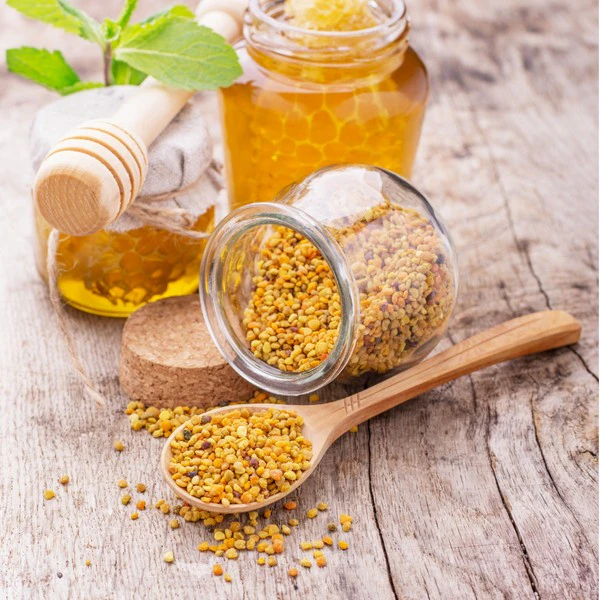
Key Takeaways Bee Pollen Basics What is It Bee pollen is a mix of flower pollen, nectar and bee secretions packed into small granules. Bees collect it from flowering plants and carry it back to the hive as food. Reviews describe it as a complex natural material rather than a single uniform ingredient because its … Read more

How Your Cells Keep Their Shape Under Pressure

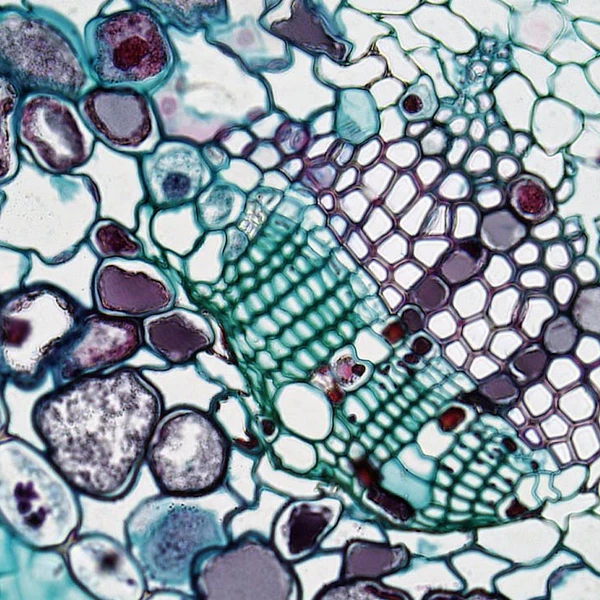
Key Takeaways Cell Shape Basics Cells live under constant pressure. Blood flow pushes on vessel cells, muscles stretch and relax, and immune cells squeeze through tight gaps. A cell stays intact because force gets shared across connected parts, not because one part is strong enough on its own. Mechanotransduction research describes how physical force at … Read more

Ginger For Stomach Relief & Joint Comfort

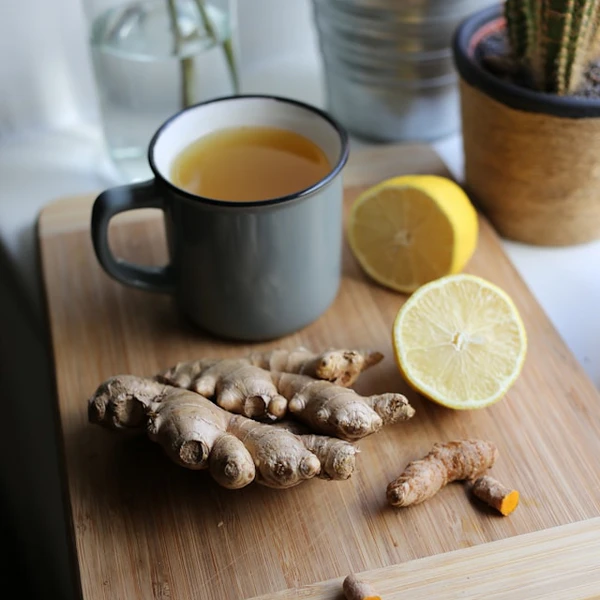
Key Takeaways Stomach Relief Nausea Support Ginger has the strongest human research for nausea and vomiting. Reviews of randomized trials found benefit in several settings, including general nausea, digestive discomfort and nausea after surgery, though the size of the benefit changed from one study to another (1, 2, 3). Older clinical trials also pointed in … Read more

Is Tea Good for You or Just Overhyped?

tea

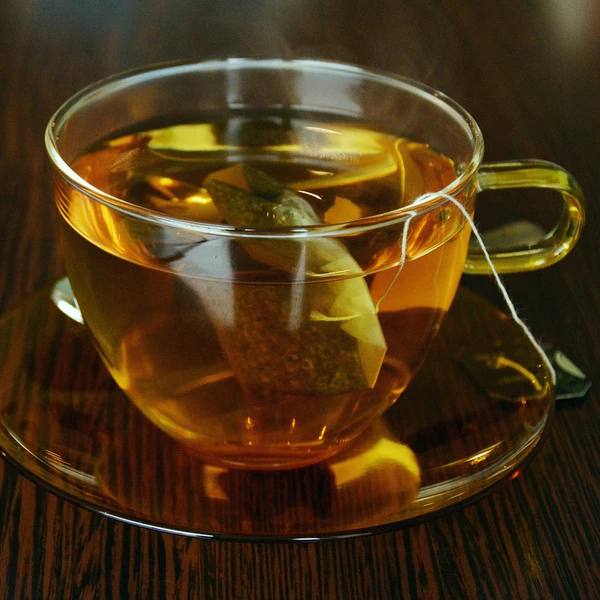
Key Takeaways What Tea Gives Nutrition Tea is a drink with a few useful effects, not a serious source of nourishment. A plain cup gives water, caffeine and plant compounds, yet it does not compare with eggs, meat, fish, shellfish or dairy for protein, minerals or vitamins. Large reviews of human studies suggest tea is … Read more

CLA Sources & Fat Loss Facts

Key Takeaways CLA In Foods CLA Basics Conjugated linoleic acid is a group of fatty acids found mostly in the fat of ruminant animals such as cattle sheep and goats. The main natural form in food is called cis 9 trans 11 CLA. People usually eat it in beef lamb butter cheese and whole milk … Read more

Nutritional Yeast for Health: What the Research Shows

nutritional yeast

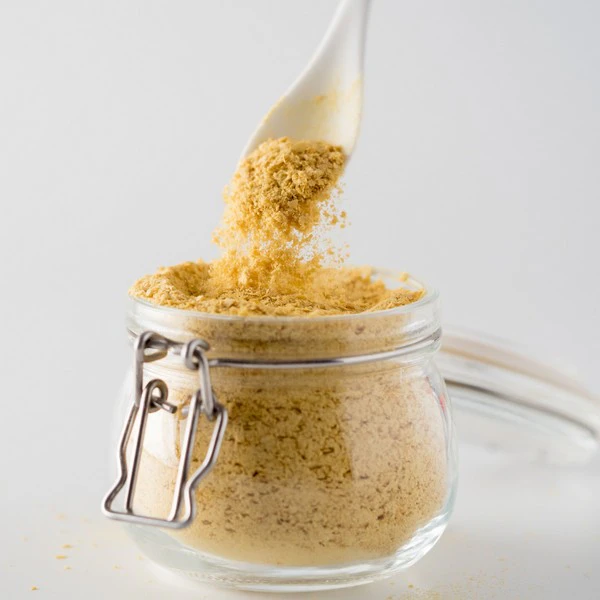
Key Takeaways What is Nutritional Yeast Inactive Yeast Nutritional yeast is an inactive form of Saccharomyces cerevisiae sold as flakes or powder with a savory taste. Harvard Health describes it as a seasoning used for a cheese like flavor, not as a stand alone staple food (1). Most people use one to three tablespoons at … Read more

Top Signs Of Nutrient Deficiency

nutrient deficiency

Key Takeaways Low Energy Tired All Day Ongoing fatigue is one of the most common warning signs of nutrient deficiency. Iron deficiency can cut stamina, lower exercise tolerance, and make it harder to think clearly. Low B12 can do the same, especially when it affects red blood cells or nerve tissue. Low vitamin C and … Read more

Eggs: A Comprehensive Guide

Key Takeaways Egg Nutrition Protein & Fat Eggs are one of the easiest whole foods to use every day. They give complete protein, natural fat and important nutrients in a small package. Complete protein means the egg gives all essential amino acids your body must get from food. Protein helps repair muscle, skin, organs, hair … Read more