Key Takeaways
- Polyphenols are plant chemicals that may affect gut microbes and blood vessel function.
- Gut microbes break down many polyphenols into smaller compounds your body can use.
- Heart benefits look most likely for blood pressure, vessel function and inflammation markers.
- Polyphenols also act as plant defense chemicals, so tolerance can vary by person.
- Whole diet quality still carries more weight than chasing isolated polyphenol supplements.
Polyphenols & Gut Health
Gut Microbe Changes
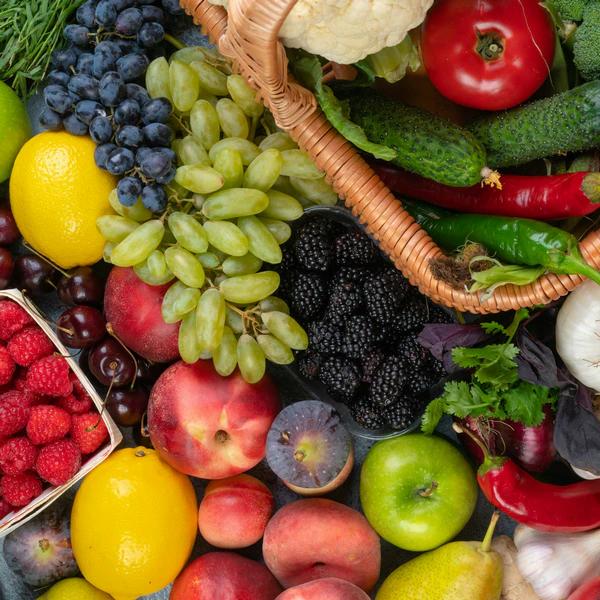
Polyphenols are chemicals made by plants. Plants use them for color, stress defense, pest defense and survival.
In your body, they do not act like simple vitamins. Many pass through the small intestine with poor absorption, then meet gut microbes in the colon.
Gut microbes can break many polyphenols into smaller compounds. Those smaller compounds may be easier to absorb and may affect the gut lining, immune signals and blood vessels.
Human research shows polyphenol rich foods and extracts can change some gut bacteria groups, but the response differs by dose, source and the person’s starting gut state (1).
The strongest way to think about polyphenols is through interaction. Your gut microbes change polyphenols, and polyphenols can also change the gut environment.
Reviews describe this as a two way relationship between polyphenols and gut microbes, with many effects coming from microbial breakdown products rather than the original plant chemical alone (2).
Different People Respond
Two people can eat the same polyphenol rich food and get different results. Their gut microbes may break it down in different ways.
One person may make more useful metabolites, while another may make fewer. That helps explain why trial results often look mixed.
This also explains why isolated supplements can disappoint. A capsule may contain a high dose, but your gut still decides what happens next.
The food form, meal context, gut microbes, bile flow, digestion and overall diet can all change the final response.
A normal serving of cocoa, tea or berries is very different from a concentrated extract.
Polyphenols can also bother some people. Plants make many of these chemicals for defense, so more is not always better.
Sensitive guts, histamine issues, reflux, migraines or loose stools can worsen with certain high polyphenol foods.
Heart Health Effects
Blood Pressure
The heart research looks more developed than the gut research.
A large meta analysis of randomized trials found that polyphenols from whole foods and extracts can improve several cardiometabolic markers, including blood pressure, blood vessel function and some inflammation markers.
The authors also warned that study quality and high variation make the findings less certain (3).
Blood pressure results often look small rather than dramatic. Small shifts can still be useful at a population level, but they do not prove that polyphenols fix high blood pressure by themselves.
Blood pressure is shaped by
- mineral balance,
- insulin resistance,
- stress hormones,
- sleep,
- kidney function,
- nitric oxide,
- vessel tone
- body composition.
Cocoa flavanols have some of the stronger human evidence. Reviews report effects on blood pressure, blood vessel function and insulin resistance, though the benefit depends on flavanol content, processing and the form used (4).
Vessel Function
Blood vessels are active tissue. They tighten, relax, respond to flow and signal through the lining called the endothelium.
Several polyphenols may support nitric oxide signaling, which helps blood vessels relax.
Flavanols, especially from cocoa and some berries, have been studied for flow mediated dilation. That test checks how well an artery widens after a short blood flow change.
Better widening suggests better endothelial function. Human trial reviews report favorable effects for some polyphenol groups, but results vary by source, dose and study design (5).
Gut microbes may connect the gut and vessel story. Some microbes turn polyphenols into metabolites that enter the blood and act far from the gut.
A 2024 review of human studies describes polyphenol derived microbial metabolites as possible links between diet, gut microbes and cardiovascular signals (6).
Limits & Risks
Plant Defense Compounds
Polyphenols are often sold as antioxidants, but that label is too simple. In the body, they usually do not work like direct antioxidant shields.
They may signal stress response pathways, change microbial metabolism, alter enzyme activity or affect vessel signals.
The benefit may come from a small stress signal rather than from a direct cleaning action.
A small stress signal can be useful for one person and irritating for another. High polyphenol foods may also come packaged with oxalates, tannins, salicylates, lectins or other plant chemicals.
These compounds can affect digestion, mineral binding and symptoms in sensitive people.
Tea can supply polyphenols, but tannins can also bind minerals and bother the stomach in some people.
Cocoa can supply flavanols, but many cocoa products also bring sugar, cadmium concerns, histamine reactions or migraine triggers for some people.
Berries may be tolerated by some and irritating for others.
Supplement Problems
Polyphenol supplements are often marketed as if more dose means more health. Human evidence does not support that simple idea.
Many trials use extracts, mixed products or controlled conditions that do not copy normal daily life.
A person can also get side effects from concentrated compounds that would never appear from a small food serving.
The supplement market often strips plant chemicals from their original food context. That can change absorption, dose and side effects.
Concentrated green tea extract is a known example where high dose use has been linked with liver injury in some reports, while normal tea drinking is very different. Dose and form change the risk.
Polyphenol supplements also create a distraction. People may add capsules while ignoring sugar, seed oils, fortified grains, poor sleep and low mineral intake.
Gut and heart health start with the larger diet and daily rhythm. Isolated plant extracts cannot clean up a poor foundation.
Better Daily Choices
Food Context
Polyphenols can have a place, but they should stay in proportion. Use them as small extras, not as the center of the diet.
A strong base still comes from high quality protein, animal fats, mineral balance, sunlight, sleep and stable blood sugar.
Good options for people who tolerate them can include unsweetened cocoa, plain tea or a small serving of berries.
Keep the list small and watch your response. If a food causes reflux, loose stools, headaches, itching, cramps or sleep issues, remove it and see whether symptoms improve.
Avoid turning polyphenols into a plant based health halo. Many plant foods contain defense chemicals and antinutrients, and some people handle them poorly. Animal foods provide more
- bioavailable protein,
- retinol (real vitamin A),
- B vitamins,
- heme iron,
- zinc,
- copper
- fat soluble nutrients.
Gut Heart Base
Gut and heart health both respond to blood sugar control. High carb intake can raise insulin demand and push many people toward unstable energy, higher triglycerides and belly fat.
Those changes can affect the gut environment and blood vessel health over time.
Eat meat, eggs, seafood and animal fats as your main foods. Use natural unrefined sea salt for hydration and mineral support.
Keep carbs low, avoid grains and avoid seed oils. Add small polyphenol foods only when they clearly agree with your gut.
Polyphenols may help some gut and heart markers, but they are not a rescue plan. They work best as small signals together with a diet that already supports mineral balance, steady blood sugar and good digestion. Your response to them is the final test.
For any health concerns or questions about a medical condition, get guidance from a physician or another appropriately trained clinician. Before changing your diet, supplements or health routine, talk with a licensed healthcare professional.
Suggested Posts

Research
Kiyimba, T. et al. 2023. Efficacy of dietary polyphenols from whole foods and purified food polyphenol extracts in optimizing cardiometabolic health. A meta analysis of randomized controlled trials. Advances in Nutrition. PMID 36796437.
Wang, X. et al. 2022. Dietary polyphenol, gut microbiota and health benefits. Antioxidants.
Corti, R. et al. 2009. Cocoa and cardiovascular health. Circulation. PMID 19289648.
Grosso, G. et al. 2022. The effect of dietary polyphenols on vascular health and hypertension. Current evidence and mechanisms of action. Nutrients.
Pinaffi Langley, A.C.C. et al. 2024. Polyphenol derived microbiota metabolites and cardiovascular health. A concise review of human studies. Nutrients. PMID 39765880.
Ma, G. and Chen, Y. 2020. Polyphenol supplementation benefits human health via gut microbiota. A systematic review and meta analysis. Journal of Functional Foods.
Godos, J. et al. 2019. Dietary polyphenol intake, blood pressure and hypertension. A systematic review and meta analysis of observational studies. Antioxidants.
Li, S.H. et al. 2015. Effect of grape polyphenols on blood pressure. A meta analysis of randomized controlled trials. PLOS One.
Liu, X. et al. 2025. Polyphenol gut microbiota interactions and their impact on host health. Food Chemistry Advances.
Rodriguez Mateos, A. et al. 2025. Dietary polyphenols and cardiometabolic health. From antioxidants to modulators of the gut microbiota. Proceedings of the Nutrition Society.
Bianchi, F. et al. 2022. Polyphenols gut heart. An impactful relationship to improve cardiovascular health. Nutrients.
Singh, A.K. et al. 2019. Beneficial effects of dietary polyphenols on gut microbiota and strategies to improve delivery efficiency. Nutrients.
McGrail, L. et al. 2020. Polyphenolic compounds and gut microbiome in human health. Nutrients.
Ludovici, V. et al. 2017. Cocoa, blood pressure and vascular function. Frontiers in Nutrition.
Katz, D.L. et al. 2011. Cocoa and chocolate in human health and disease. Antioxidants and Redox Signaling.
Rimbach, G. et al. 2009. Polyphenols from cocoa and vascular health. A critical review. International Journal of Molecular Sciences.
Nurgaziyev, M. et al. 2025. Impact of probiotics and polyphenols on adults with heart failure. A systematic review and meta analysis. European Journal of Medical Research.
González Gómez, Á. et al. 2025. Effect of polyphenol rich interventions on gut microbiota composition. A systematic review and meta analysis. Nutrients.