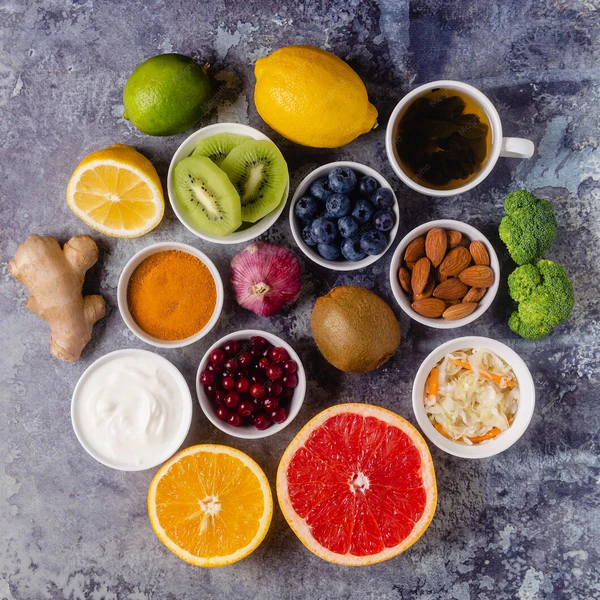
Key Takeaways
- Flavonoids are plant chemicals, not required nutrients your body must get every day.
- Many flavonoids change in the gut before your body can use them.
- More flavonoids do not always mean better digestion, energy or heart health.
- Some flavonoid rich foods can trigger reflux, headaches, loose stools or poor sleep.
- Healthy eating starts with protein, animal fats, minerals and steady blood sugar.
Flavonoid Basics
Plant Chemicals
Flavonoids are compounds made by plants. Plants use them for color, stress defense, pest defense and survival.
Your body can respond to some of these compounds, but you do not need them the way you need sodium, magnesium, amino acids or retinol from animal foods.
Many health claims call flavonoids antioxidants. That claim often comes from lab tests, not normal digestion.
Human studies show many polyphenols and flavonoids have low absorption in the small intestine.
Many reach the colon before gut microbes break them into smaller compounds your body may use (1).
A food can look strong on an antioxidant chart and still act differently in your gut. Your stomach acid, bile flow, enzymes, gut microbes and the rest of the meal all change the final effect.
A high score on a chart does not prove better digestion, better blood flow or better energy.
Gut Breakdown
Your gut microbes handle many flavonoids before your bloodstream sees them. They split larger compounds into smaller metabolites.
Those smaller compounds may affect gut lining cells, immune signals, blood vessel tone and inflammation markers.
Reviews describe this close link between flavonoids and gut microbes in human digestion (2).
This helps explain why one person may handle tea, cocoa or berries well while another person feels worse.
One gut may break a compound into a useful metabolite. Another gut may fail to do that well.
Healthy eating gets messy when every plant compound gets sold as a clear benefit. Flavonoids can help some people in small amounts.
They can also bother sensitive people when the dose is high, the food is irritating or the gut is already inflamed.
Common Myths
Antioxidant Myth
The first myth says flavonoids work because they directly clean up free radicals inside your body. Many flavonoids change before they reach tissue.
Flavonoids may work more through cell signals than direct cleanup. They can affect enzymes, nitric oxide signals, gut microbes and stress response systems.
A review in Journal of Nutritional Science describes several actions, including antioxidant linked effects, while also showing that flavonoids act through more than one route (3).
This changes the way you should look at them. You do not need to chase the darkest berry, strongest tea or highest extract dose.
Your body already has its own antioxidant systems. Those systems need
- minerals,
- protein,
- sleep,
- sunlight,
- stable blood sugar
- good energy production.
More Is Better
The second myth says more flavonoids means more health. That idea sells powders, capsules, extracts and green drinks.
A small serving of food and a concentrated extract are very different exposures. Higher dose can change the effect and raise side effects.
Green tea extract shows the problem clearly. Normal tea use is not the same as concentrated extract use.
LiverTox reports that green tea extract has been linked with acute liver injury in rare cases, including severe cases (4).
A trial analysis also found liver enzyme elevations in some people using green tea extract. The risk was not common, but it shows why concentrated plant chemicals deserve care (5).
Heart Health Halo
The third myth says flavonoid rich foods automatically protect your heart. Some human trials show small improvements in blood pressure, blood vessel function and inflammation markers.
A large meta analysis of randomized trials found possible cardiometabolic benefits from dietary polyphenols, while the studies differed in source, dose, length and quality (6).
Cocoa flavanols have stronger research than many other flavonoid sources.
Reviews report effects on blood pressure and blood vessel function, but processed chocolate often brings sugar, seed oils, low cocoa content or heavy processing (7).
Heart health depends on mineral balance, insulin levels, blood sugar, sleep, sunlight, stress, body composition and food quality.
Flavonoids cannot make up for sugar, grains, seed oils, fortified foods and constant snacking. Small plant signals work best when the main diet already supports the body.
Plant Defense Issues
Gut Reactions
Flavonoid rich foods can bother some people.
- Tea can cause nausea or reflux.
- Cocoa can trigger headaches, itching or histamine type symptoms in some people.
- Berries can worsen loose stools for others.
Many high flavonoid foods also contain other plant chemicals. Tannins can bind minerals and leave a dry mouth feeling.
Some foods also bring oxalates, salicylates or other defense compounds. The total chemical load can be too much for a sensitive gut.
Gut advice often tells people to add more colorful plants. That advice ignores the person eating the food.
A person with reflux, irritable bowels, migraines, skin flares or loose stools may need fewer plant chemicals for a while. Symptoms should guide food choices more than a chart.
Supplement Problems
Flavonoid supplements often look clean and natural. The dose can still be high. The capsule may also contain fillers, additives or mixed extracts.
Your gut and liver still need to process the whole product.
Research on flavonoids uses many different sources. Grape extract, cocoa flavanols, quercetin capsules and green tea extract are different products.
Results from one product do not prove the same effect from another product.
Food amounts are easier to judge than capsules, but food can still bother some people.
If tea, cocoa, berries or plant extracts worsen sleep, digestion, skin or headaches, stop using them and watch what changes.
Clearer Food Choices
Better Base
Flavonoids are optional plant chemicals. They are not the base of human nutrition. The base should supply protein, healthy fats, minerals and fat soluble nutrients.
Meat, eggs, seafood, butter, ghee and tallow give dense nourishment in a form your body can use well.
They support stable blood sugar better than sugar rich and grain based foods. They also avoid the defense compound load that comes with many plants.
Flavonoid foods can be small extras when you tolerate them. Unsweetened cocoa, plain tea or a small serving of berries may work for some people.
Simple Test
Test one flavonoid rich food at a time. Keep the amount small. Keep the rest of your diet steady for several days. Track digestion, sleep, skin, headaches, energy and cravings.
Remove the food if symptoms get worse. Keep it if you feel well and enjoy it. This gives you clearer feedback than adding many new plant foods at once.
Flavonoids may help some gut and heart markers when the food is tolerated. They can also confuse healthy eating when they create a health halo around sugar, extracts, plant chemicals or processed products. Start with real food, steady blood sugar, mineral balance and clear body feedback.
For any health concerns or questions about a medical condition, get guidance from a physician or another appropriately trained clinician. Before changing your diet, supplements or health routine, talk with a licensed healthcare professional.
Suggested Posts

Research
Manach, C. et al. 2005. Bioavailability and bioefficacy of polyphenols in humans. I. Review of 97 bioavailability studies. American Journal of Clinical Nutrition. PMID 15640486.
Xiong, H.H. et al. 2023. The interaction between flavonoids and intestinal microbes. Nutrients.
Panche, A.N. et al. 2016. Flavonoids. An overview. Journal of Nutritional Science.
National Institute of Diabetes and Digestive and Kidney Diseases. 2020. Green Tea. LiverTox. Clinical and Research Information on Drug Induced Liver Injury.
Yu, Z. et al. 2017. Effect of green tea supplements on liver enzyme elevation. Results from a randomized intervention study in the United States. Cancer Prevention Research.
Kiyimba, T. et al. 2023. Efficacy of dietary polyphenols from whole foods and purified food polyphenol extracts in optimizing cardiometabolic health. A meta analysis of randomized controlled trials. Advances in Nutrition. PMID 36796437.
Corti, R. et al. 2009. Cocoa and cardiovascular health. Circulation. PMID 19289648.
Teschke, R. et al. 2014. Green tea extract and the risk of drug induced liver injury. Expert Opinion on Drug Metabolism and Toxicology. PMID 25316200.
Grosso, G. et al. 2022. The effect of dietary polyphenols on vascular health and hypertension. Current evidence and mechanisms of action. Nutrients.
Mansour, H. et al. 2024. Flavonoids, gut microbiota and cardiovascular disease. Pharmacological Research. PMID 39383791.
Wang, X. et al. 2022. Dietary polyphenol, gut microbiota and health benefits. Antioxidants.
Pinaffi Langley, A.C.C. et al. 2024. Polyphenol derived microbiota metabolites and cardiovascular health. A concise review of human studies. Nutrients. PMID 39765880.
Singh, A.K. et al. 2019. Beneficial effects of dietary polyphenols on gut microbiota and strategies to improve delivery efficiency. Nutrients.
McGrail, L. et al. 2020. Polyphenolic compounds and gut microbiome in human health. Nutrients.
Li, S.H. et al. 2015. Effect of grape polyphenols on blood pressure. A meta analysis of randomized controlled trials. PLOS One.
Godos, J. et al. 2019. Dietary polyphenol intake, blood pressure and hypertension. A systematic review and meta analysis of observational studies. Antioxidants.
Ludovici, V. et al. 2017. Cocoa, blood pressure and vascular function. Frontiers in Nutrition.
Katz, D.L. et al. 2011. Cocoa and chocolate in human health and disease. Antioxidants and Redox Signaling.