Key Takeaways
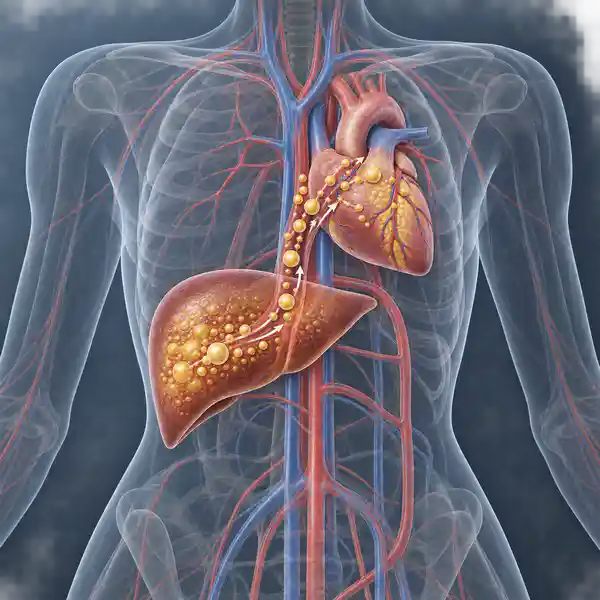
- De novo lipogenesis means the liver makes new fat from extra sugar and starch.
- Sweet drinks, juice, flour and frequent snacks can raise liver fat production.
- Fructose reaches the liver fast and can push fat making higher.
- More liver fat can raise VLDL, triglycerides and fatty liver risk.
- Less sugar, fewer grains, better meals, sleep and movement lower the liver load.
What De Novo Lipogenesis Means
Making New Fat From Sugar
De novo lipogenesis means new fat making. The liver uses extra sugar and starch from food and turns part of that fuel into fat. The process is normal in small amounts, but it becomes a problem when the liver has to make too much fat too often.
Carbohydrate first becomes glucose or fructose after digestion. Some glucose gets used for energy. Some gets stored as glycogen in the liver and muscles.
When the liver keeps receiving more fuel than it needs, more of that fuel can be turned into fat.
Researchers describe liver de novo lipogenesis as a normal pathway that becomes much more active in fatty liver disease and insulin resistance (1).
The danger comes from the amount of fat being made and the length of time the pathway stays active.
Sugar Enters The Liver
The liver receives sugar from the blood after meals. Glucose can go to many tissues, but fructose goes heavily to the liver. Sweet drinks, fruit juice and sugar can send fructose to the liver fast.
The liver breaks sugar into smaller parts. Those parts can be burned for energy or used to make fat. High insulin makes storage more likely, especially when meals keep bringing in sugar and starch all day.
Two liver signals, SREBP 1c and ChREBP, help turn high sugar and high insulin into more fat making activity (1). These names are technical, but the plain point is simple. More sugar flow can switch on more liver fat making.
Fructose Pushes The Pathway Hard
Fructose deserves special care because the liver handles so much of it directly. Soda, juice and sweetened drinks deliver fructose quickly. These drinks add sugar without much chewing and without strong fullness.
High fructose intake has been linked with higher liver fat production, fatty liver and worse triglyceride control (2). Fructose can also raise uric acid and put extra strain on liver energy handling.
Whole fruit and soda are different foods, but the liver still has to process the fructose.
People with fatty liver, high triglycerides or poor blood sugar control often do better when juice and sweet fruit are reduced. Juice is the easiest target because it delivers sugar quickly.
Why The Liver Suffers
Fat Builds Inside Liver Cells
Fatty liver means liver cells carry too much fat. De novo lipogenesis can supply a large part of that fat in people with fatty liver. The liver receives extra sugar and starch, then turns some of it into stored fat.
Lambert and colleagues found higher de novo lipogenesis in people with non alcoholic fatty liver disease than in people without fatty liver (3). This helps explain why fatty liver often improves when sugar and starch fall.
Fatty liver can stay quiet for years. Many people feel normal while the liver is already storing too much fat. High triglycerides, high waist size, raised liver enzymes and high fasting insulin can all point toward liver stress.
Insulin Resistance Makes It Worse
Insulin resistance means the body needs more insulin to handle the same food. The liver can keep making fat while the body already has too much stored fuel. This creates a poor cycle because fat buildup and insulin resistance can feed each other.
Smith and colleagues showed that insulin resistance drives higher liver de novo lipogenesis in people with fatty liver disease (4).
This is one reason fatty liver often appears with high triglycerides, rising blood sugar and abdominal weight gain.
Frequent starch meals can keep the cycle moving. A person eats bread, cereal or pasta. Blood sugar and insulin rise. Hunger returns soon after, and the liver gets another load to process.
Liver Stress Can Grow Quietly
Liver fat is not harmless storage. Too much fat inside liver cells can raise oxidative stress, inflammation and injury. Some people progress from simple fat buildup to liver inflammation and scarring.
Routine liver enzymes can miss early fatty liver. ALT and AST may look normal while liver fat is already high. Imaging, fasting insulin, triglycerides and waist size can give more useful context.
The strongest food change is direct. Remove sweet drinks, juice, flour, cereal, bread and snack foods. The liver gets less sugar and starch, so it has less raw material to turn into fat.
Heart & Blood Fat Risks
The Liver Sends Out VLDL
The liver can pack newly made fat into VLDL particles. VLDL carries triglycerides through the blood. When the liver keeps making more fat, more triglyceride rich VLDL can leave the liver.
A 2024 review explains that VLDL production depends on triglyceride supply, including fat made through de novo lipogenesis (5). More liver fat making can therefore raise blood triglycerides.
High triglycerides often appear with fatty liver, low HDL and insulin resistance. This blood work usually shows poor fuel handling. It should not be blamed on animal fat by default when sugar and starch intake are high.
Triglycerides Show Fuel Overflow
Triglycerides are fats carried in the blood. High triglycerides often mean the liver is sending out more fat than the body is clearing well. This often happens when the liver receives too much carbohydrate fuel.
Triglyceride rich lipoproteins and their remnants are linked with heart disease risk in genetic, population and clinical research (6). High triglycerides deserve attention because they show a real metabolic problem.
A person with high triglycerides should look first at sugar, juice, flour, grains, alcohol and snacks. These foods can push the liver to make and export more fat. Removing them often changes triglycerides quickly.
Heart Risk Goes Beyond Cholesterol
Heart risk often rises when fatty liver, high triglycerides, high blood pressure and poor blood sugar appear together. De novo lipogenesis connects to this because excess carbohydrate can become liver fat and blood fat.
Old heart advice focused too much on cholesterol and saturated fat. That focus misses the liver. A liver making too much fat from sugar and starch can raise triglycerides and VLDL while the real driver sits in carbohydrate load and insulin resistance.
Meat, eggs, seafood and animal fats do not flood the liver with sugar. Sweet drinks, flour, cereal and frequent starch do. Heart advice should start with the foods that drive the liver problem.
Animal Foods Supply Dense Nutrients
Only Animal foods supply B12, retinol, carnosine, creatine and taurine along with other vitamins and minerals in usable forms.
What Raises De Novo Lipogenesis
Sweet Drinks
Sweet drinks are the clearest problem. Soda, juice, sweet tea, sports drinks and sweet coffee drinks send sugar into the body fast. They add calories without the same fullness as solid food.
The liver receives that sugar quickly. Fructose from these drinks goes straight into liver pathways that can feed fat production. Reviews link fructose intake with higher de novo lipogenesis and fatty liver risk (2).
Removing sweet drinks lowers the liver load immediately. Water, mineral water and unsweetened drinks are easier on the liver. No one needs liquid sugar.
Flour And Grains
Flour and grains break down into glucose. Bread, pasta, cereal, crackers and baked snacks can keep glucose and insulin high when eaten often. Fortified flour still gives a starch load, even when synthetic nutrients are added back.
Large starch meals can fill liver glycogen and push more storage pressure. In insulin resistance, the liver can keep making fat while blood sugar control gets worse. The same person may see higher waist size and higher triglycerides.
Grains are not needed for human nutrition. Meat, eggs and seafood provide stronger nutrition without the same glucose load. Removing grains makes the liver’s job easier.
Snacking Keeps The Liver Busy
Snacking keeps food coming into the body for more hours of the day. Each snack can bring more glucose and more insulin. The liver gets less time away from incoming fuel.
One to three solid meals work better for many adults. Meals with enough protein and animal fat keep hunger steady longer. Fewer snacks mean fewer sugar signals.
A longer overnight break gives the liver more time away from food. Sleep helps this process because poor sleep raises hunger and worsens insulin resistance. A tired body usually wants more sugar and starch.
How To Lower The Liver Load
Remove The Biggest Drivers
Sweet drinks should go first. Juice, soda and sweet coffee drinks send sugar to the liver fast. Cutting them removes one of the strongest daily triggers.
Flour and grains should go next. Bread, cereal, pasta and snack foods keep carbohydrate intake high and replace better food. These foods also make overeating easier for many people.
Meals should start with meat, eggs or seafood. Add butter, ghee or tallow when more fat is needed. This gives the body protein and fat without a large sugar load.
Eat Enough Protein & Animal Fat
Protein supports muscle, liver repair and satiety. Animal protein gives complete amino acids in direct form. Meat, eggs and seafood also provide B12, choline and minerals.
Animal fat keeps meals satisfying. Butter, ghee and tallow are better daily fats than seed oils. Stable animal fats also make low sugar eating easier to keep.
Very lean meals can leave people hungry. Hunger pulls people back toward snacks and starch. Enough animal fat makes the change easier to sustain.
Move Every Day
Muscle helps clear glucose from the blood. Walking after meals can reduce glucose swings. Lifting builds muscle that can store and use more fuel.
Exercise can lower liver fat even without major weight loss. A 2025 review describes lower liver fat and lower de novo lipogenesis with exercise and ketogenic diets through better fuel handling (7).
Movement does not need to be extreme. Walking, lifting and short hard efforts can all help. Sleep and recovery should stay strong enough to keep the habit steady.
Use vs Avoid
| Use | Avoid |
|---|---|
| Ruminant meat | Low fat processed foods |
| Eggs | Seed oils |
| Seafood | Anything Fortified |
| Organs | Carbohydrates |
Testing & Tracking
Blood Markers
Triglycerides are one of the most useful markers. High triglycerides often point toward liver fat production and poor carbohydrate handling. Low HDL with high triglycerides makes the signal stronger.
ALT, AST and GGT can give liver clues, but normal numbers do not rule out fatty liver. Fasting insulin, HbA1c, waist size and liver imaging can add more useful information.
Ferritin can rise with liver stress or inflammation. High ferritin should not be treated as automatic iron need. Iron, copper and ceruloplasmin should be read together when the picture is unclear.
Food Response
A two to four week test can show how strongly food affects the liver pattern. Remove sweet drinks, grains, flour and snack foods. Build meals around meat, eggs, seafood and animal fats.
Track waist size, morning hunger, blood pressure, energy and triglycerides when labs are available. Lower triglycerides and a smaller waist often show that the liver load is falling.
Avoid changing too many things at once. Several new supplements can hide what food changes are doing. Removing sugar and starch is the cleanest first test.
Meal Check
Long Term Health
Liver Health
High de novo lipogenesis can keep feeding fatty liver. The liver receives too much sugar and starch, then turns part of that excess into fat. Liver cells then carry more fat than they should.
Fatty liver can progress in some people. Risk rises with insulin resistance, obesity, high triglycerides and poor blood sugar control. Better food can lower pressure on the liver within weeks.
The liver responds quickly because it handles food every day. Less sugar and starch means less raw material for new fat. Better meals give the liver more room to recover.
Heart Health
Heart health is tied to liver health. A liver that sends out too much triglyceride rich VLDL is showing fuel overflow. High triglycerides, fatty liver and insulin resistance often appear together.
Cholesterol fear can distract from this problem. Triglycerides, VLDL output, waist size, blood pressure and glucose control all deserve attention. A person with fatty liver needs less sugar and starch before anything else.
Animal foods should not be blamed for a liver process driven mainly by excess carbohydrate and insulin resistance. Meat, eggs, seafood and animal fats can support a lower sugar diet that reduces de novo lipogenesis.
Daily Support
Better Meals
Use meat, eggs or seafood as the base of the meal. Add butter, ghee or tallow for enough fat. Eat until the meal is satisfying.
Avoid juice, soda, cereal, bread, pasta and snack foods. These foods add the sugar and starch load that pushes liver fat making. They also keep hunger moving for many people.
Small amounts of low starch plant food can be used when digestion and glucose stay steady. Grains should stay out because they add starch and replace better food.
Sleep & Alcohol
Poor sleep worsens insulin resistance. A tired body often craves sugar and starch. Better sleep makes hunger easier to control and helps the liver handle fuel better.
Alcohol adds work for the liver. Heavy intake can raise liver fat and liver injury risk. Anyone with fatty liver or high triglycerides should treat alcohol as a major burden.
Morning light, dark nights and a steady bedtime help the rhythm. The liver does better when sleep and food timing stay steady.
Clear Bottom Line
De novo lipogenesis is the liver making fat from extra sugar and starch. Small amounts are normal. High amounts can feed fatty liver, raise VLDL and push triglycerides higher.
Sweet drinks, juice, flour, grains and frequent snacks are the clearest drivers. Fructose adds extra liver pressure because the liver handles much of it directly.
The strongest support is straightforward. Remove sweet drinks. Remove grains and flour. Build meals around meat, eggs, seafood and animal fats. Move daily and sleep well enough for the liver to recover.
For any health concerns or questions about a medical condition, get guidance from a physician or another appropriately trained clinician. Before changing your diet, supplements, or health routine, talk with a licensed healthcare professional.
Suggested Posts

Research
Sanders, F.W.B. and Griffin, J.L., 2016. De novo lipogenesis in the liver in health and disease. Cellular and Molecular Life Sciences, 73, 627 to 648. DOI 10.1007/s00018 015 2061 7. PMID 26490495.
Ter Horst, K.W. and Serlie, M.J., 2017. Fructose consumption, lipogenesis and non alcoholic fatty liver disease. Nutrients, 9, 981. DOI 10.3390/nu9090981. PMID 28878197.
Lambert, J.E. et al., 2014. Increased de novo lipogenesis is a distinct characteristic of individuals with nonalcoholic fatty liver disease. Gastroenterology, 146, 726 to 735. DOI 10.1053/j.gastro.2013.11.049. PMID 24316260.
Smith, G.I. et al., 2020. Insulin resistance drives hepatic de novo lipogenesis in nonalcoholic fatty liver disease. Journal of Clinical Investigation, 130, 1453 to 1460. DOI 10.1172/JCI134165. PMID 31874155.
Van Zwol, W. et al., 2024. VLDL biogenesis and secretion. It takes a village. Journal of Lipid Research, 65, 100556. DOI 10.1016/j.jlr.2024.100556. PMID 38852551.
Xu, D. et al., 2024. Triglyceride rich lipoproteins and cardiovascular diseases. Signal Transduction and Targeted Therapy, 9, 113. DOI 10.1038/s41392 024 01866 3. PMID 38811625.
Paoli, A. et al., 2025. The influence of physical exercise, ketogenic diet and intermittent fasting on de novo lipogenesis and metabolic health. Nutrients, 17, 663. DOI 10.3390/nu17040663.
Cohen, C.C. et al., 2021. Dietary sugar restriction reduces hepatic de novo lipogenesis in adolescent boys with fatty liver disease. Journal of Clinical Investigation, 131, e150996. DOI 10.1172/JCI150996. PMID 34907907.
Softic, S., Cohen, D.E. and Kahn, C.R., 2016. Role of dietary fructose and hepatic de novo lipogenesis in fatty liver disease. Digestive Diseases and Sciences, 61, 1282 to 1293. DOI 10.1007/s10620 016 4054 0. PMID 26856717.
Chiu, S. et al., 2018. Dietary carbohydrates and fatty liver disease. Current Opinion in Clinical Nutrition and Metabolic Care, 21, 277 to 282. DOI 10.1097/MCO.0000000000000471. PMID 29697539.
Geidl Flueck, B. and Gerber, P.A., 2023. Fructose drives de novo lipogenesis affecting metabolic health. Journal of Endocrinology, 257, e220270. DOI 10.1530/JOE 22 0270. PMID 36996080.
Costabile, G. et al., 2022. Reduction of de novo lipogenesis mediates beneficial effects of isoenergetic diets on fatty liver. Nutrients, 14, 2213. DOI 10.3390/nu14112213. PMID 35684031.
Donnelly, K.L. et al., 2005. Sources of fatty acids stored in liver and secreted via lipoproteins in patients with nonalcoholic fatty liver disease. Journal of Clinical Investigation, 115, 1343 to 1351. DOI 10.1172/JCI23621. PMID 15864352.
Miller, M. et al., 2011. Triglycerides and cardiovascular disease. A scientific statement from the American Heart Association. Circulation, 123, 2292 to 2333. DOI 10.1161/CIR.0b013e3182160726. PMID 21502576.
Truong, X.T. et al., 2025. Hepatic insulin resistance and steatosis in metabolic dysfunction associated steatotic liver disease. Journal of Molecular Medicine, 103, 215 to 231. DOI 10.1007/s00109 024 02445 2.