Key Takeaways
- Uric acid rises when the body makes too much or clears too little.
- High uric acid can form crystals that trigger gout flares and stones.
- Fructose can raise uric acid by draining cell energy during processing.
- Insulin resistance can reduce kidney uric acid clearance and raise blood levels.
- Better management starts with less fructose, better meals, hydration and testing.
Uric Acid Basics
Body Waste
Uric acid is made when the body breaks down purines. Purines come from your own cells and from some foods.
Your body also makes purines because they are part of DNA, RNA and cell energy chemistry. Uric acid then moves through the blood and should leave mainly through the kidneys.
Uric acid is not automatically harmful. It can act as an antioxidant in the blood, and the body has carried it for a long time in human biology.
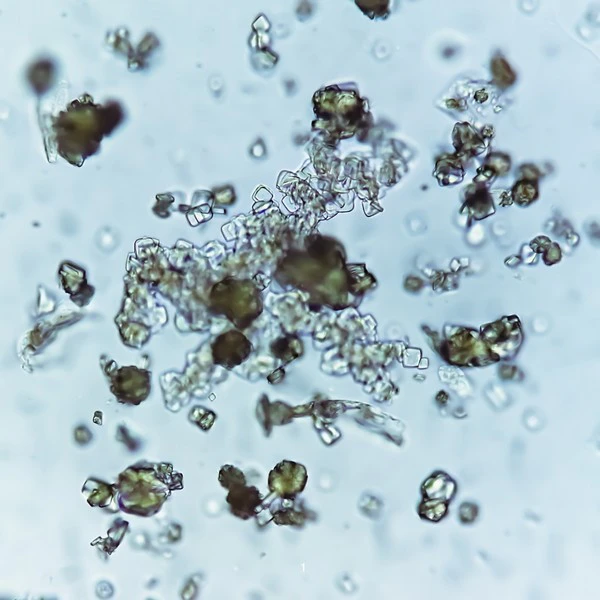
Problems grow when blood levels stay high enough for urate crystals to form. Those crystals can irritate joints, kidneys and other tissues (1).
High uric acid is called hyperuricemia. It can happen because the body makes too much, clears too little through the kidneys or both.
Blood sugar problems, insulin resistance, dehydration, alcohol and some health conditions can all push levels higher.
Crystal Trouble
Urate crystals can form when uric acid stays high and the blood or urine becomes a better setting for crystal growth. In joints, those crystals can trigger gout.
Gout often starts as sudden severe pain, swelling, heat and redness in one joint. The big toe is common, but ankles, knees, fingers, wrists and elbows can also be affected.
A single gout flare can feel like a random attack. Repeated flares usually mean the deeper level problem has not been corrected.
Blood uric acid, kidney function, urine findings, blood sugar, waist size and food habits all give useful clues. Guessing from pain alone can miss kidney stones, infection or another joint problem.
Main Effects
Gout Flares
Gout is one of the clearest effects of high uric acid. When urate crystals land inside a joint, immune cells react strongly.
The result can be intense pain within hours. A flare can make bedsheets feel too heavy on the joint.
Research on gout and diet links high uric acid with purine load, alcohol, fructose, insulin resistance and kidney clearance problems (1).
Beer brings alcohol and purines together, while spirits can still impair uric acid clearance. Alcohol can also dehydrate the body and disturb sleep.
Kidney Stones
Uric acid can also damage the urinary system through stones. Stones can block urine flow and cause severe pain.
Uric acid stones are linked with acidic urine, low urine volume, insulin resistance and high uric acid load.
Kidney function testing and urine testing can help separate uric acid stones from other stone types.
Hydration is a basic step because more urine lowers concentration. Urine that stays dark most of the day often means fluid intake is too low for the current heat, sweat and food load.
Salt balance also affects fluid handling. Water without enough salt and minerals may not solve the whole problem for some people.
Kidney stones need proper care when pain is severe, fever appears or urine flow drops. Fever with a blocked stone can become dangerous.
A person with one kidney, pregnancy, severe vomiting or uncontrolled pain should get urgent care. Home changes can support prevention, but acute stones may need medical treatment.
Blood Vessels & Kidneys
Chronic high uric acid often shows up with;
- high blood pressure,
- insulin resistance,
- kidney disease,
- fatty liver
- higher cardiovascular risk.
A 2023 review found hyperuricemia linked with chronic kidney disease across many studies (2).
Another review describes links between high uric acid, hypertension, coronary artery disease and metabolic disease (3).
Association does not prove uric acid alone causes every problem. The link is still useful because high uric acid often marks a stressed metabolic state.
High insulin, high fructose intake, kidney strain and blood vessel stress can appear together. Uric acid can be both a marker and a possible driver in the same person.
Blood vessel lining can be affected by oxidative stress and inflammation. High uric acid can also connect with nitric oxide changes, kidney blood flow changes and salt handling.
The kidney then becomes central because it controls blood pressure, fluid balance and uric acid clearance.
Major Drivers
Fructose Load
Fructose is one of the strongest food drivers of uric acid. The liver handles much of the fructose load. During that process, cell energy can drop quickly, and purine breakdown can rise.
More purine breakdown means more uric acid production. Reviews describe fructose and uric acid as linked drivers of metabolic stress, blood pressure changes and insulin resistance (4).
Sweet drinks are the clearest problem. Soda, fruit juice, sweet tea, energy drinks and many bottled drinks can deliver a large fructose hit without real satiety.
The body gets sugar fast and still wants food later. That makes sweet drinks far worse than a normal whole meal.
High fructose corn syrup is especially poor because it appears in cheap processed foods and drinks. Desserts, sauces, breakfast foods, snack bars and flavored yogurts can all contain it.
Fruit juice also deserves caution because it gives sugar without chewing and without the normal limits of eating whole food.
Insulin Resistance
Insulin resistance can push uric acid higher by changing kidney handling. When insulin stays high, the kidney may hold onto more uric acid instead of clearing it well.
Uric acid also appears to worsen insulin resistance in some research models, which can create a bad loop.
A 2026 review describes uric acid as closely linked with insulin resistance and metabolic disease risk (5).
Bread, cereal, pasta, rice, sweet drinks, desserts and snack foods can keep insulin demand high. Frequent eating can add to that load because the body gets less time away from incoming fuel.
A lower sugar, lower starch plan often makes more sense for uric acid than counting purines alone.
Weight loss can lower uric acid for some people, but rapid weight loss can raise uric acid for a time.
Crash dieting can trigger flares because tissue breakdown and dehydration rise. A steadier plan based on real meals works better than extreme restriction.
Food Context
Purines from food can raise uric acid, but the full food context counts. Organ meats and some seafood are high in purines, yet they also contain dense nutrients.
Sugar and alcohol often cause a larger problem because they raise production or reduce clearance without adding strong nourishment.
For someone with active gout flares, personal trigger tracking helps. Some people react to beer, shrimp or organ meats. Others flare more from sweet drinks, dehydration or rapid weight change.
The worst move is to remove nutrient dense animal foods while keeping bread, sweets, alcohol and processed snacks.
Full fat dairy may help some people with uric acid control, and plain dairy is usually a better choice than sweetened low fat products.
Eggs, beef, lamb, butter, ghee and tallow are low in sugar and help meals feel steady. Wild seafood should be handled based on personal response, uric acid level and flare history.
Management Steps
Remove Fructose
The first food step is to remove sweet drinks. Soda, juice, sports drinks, sweet coffee, sweet tea and energy drinks can all push uric acid higher.
A 2020 review explains that fructose can raise uric acid and contribute to metabolic syndrome features (4).
Desserts and packaged sweet foods should also come down hard. They usually combine sugar, starch, seed oils and additives. Fortified cereals and grain snacks are weak foods with a health costume.
Choose real meals instead. Meat, eggs, full fat dairy, butter, ghee, tallow, broth and selected seafood give protein, fat and minerals without a large sugar load.
A person with repeated gout flares may need to test seafood and organ meats carefully, but sugar removal should come first.
Improve Clearance
Uric acid leaves through urine, so kidney clearance counts. Drink enough water to keep urine pale most of the day.
Add salt through real meals when heat, sweating or low carb eating increases fluid loss. Avoid dehydration from alcohol, long heat exposure or hard exercise without fluid replacement.
Blood sugar control also helps clearance. Lower insulin can support better kidney handling of uric acid. Walking after meals can help muscles pull glucose from the blood.
Strength training gives the body a larger place to store fuel and can support metabolic health over time.
Sleep affects appetite, blood sugar and stress hormones. Poor sleep can make cravings stronger and insulin resistance worse the next day.
A dark room, morning light and steady meal timing can support the system. The kidney does not work apart from the rest of metabolism.
Track Results
Testing should guide the plan. Blood uric acid gives one useful number, but it does not tell the whole story.
Kidney function, fasting glucose, fasting insulin, triglycerides, blood pressure and urine findings add context. Stone history, flare pattern and joint symptoms also count.
Many gout care guidelines focus on lowering urate below a target in people with established gout.
The 2020 American College of Rheumatology guideline also conditionally recommends limiting alcohol, purine intake and high fructose corn syrup for people with gout (6).
A flare diary can be useful. Track sweet drinks, alcohol, dehydration, sleep loss, big meals, seafood, organ meats, illness and hard exercise.
Over a few months, triggers often become clearer. The goal is not fear of food. The goal is seeing what your body keeps reacting to.
Warning Signs
Gout Signs
A hot, swollen, very painful joint can be gout, but infection can look similar. Fever, spreading redness, severe illness or a first sudden joint attack needs medical care.
A joint infection can damage tissue quickly, so it should not be treated at home as gout without proper evaluation.
Repeated flares deserve testing. High uric acid, kidney strain, blood sugar problems and high blood pressure often travel together. Managing only the pain while ignoring the metabolic signals leaves the deeper problem active.
Stone Signs
Severe side pain, blood in urine, fever, chills, vomiting or trouble urinating needs urgent care. Uric acid stones can be painful and can block urine.
A blocked kidney with infection is an emergency. Stone type should be confirmed when possible because prevention depends on the kind of stone.
For any health concerns or questions about a medical condition, get guidance from a physician or another appropriately trained clinician. Before changing your diet, supplements or health routine, talk with a licensed healthcare professional.
Research
Zhang, Y. et al. 2022. Gout and diet. A comprehensive review of mechanisms and management. Nutrients, 14(17), 3525. Available at: https://pmc.ncbi.nlm.nih.gov/articles/PMC9459802/
Barman, Z. et al. 2023. Association between hyperuricemia and chronic kidney disease. Cureus, 15(1), e33875. Available at: https://pmc.ncbi.nlm.nih.gov/articles/PMC9942427/
Gaubert, M. et al. 2020. Hyperuricemia and hypertension, coronary artery disease, kidney disease. From concept to practice. International Journal of Molecular Sciences, 21(11), 4066. Available at: https://pmc.ncbi.nlm.nih.gov/articles/PMC7312288/
Russo, E. et al. 2020. Fructose and uric acid. Major mediators of cardiovascular disease risk starting at pediatric age. International Journal of Molecular Sciences, 21(12), 4479. Available at: https://pmc.ncbi.nlm.nih.gov/articles/PMC7352635/
Ali, N. et al. 2026. Serum uric acid as a mediator of insulin resistance. Nutrients. Available at: https://pmc.ncbi.nlm.nih.gov/articles/PMC12793067/
FitzGerald, J.D. et al. 2020. 2020 American College of Rheumatology guideline for the management of gout. Arthritis Care and Research, 72(6), pp. 744 to 760. Available at: https://pmc.ncbi.nlm.nih.gov/articles/PMC10563586/
Johnson, R.J. et al. 2009. Hypothesis. Could excessive fructose intake and uric acid cause type 2 diabetes? Endocrine Reviews, 30(1), pp. 96 to 116. Available at: https://pmc.ncbi.nlm.nih.gov/articles/PMC2647706/
Lubawy, M. et al. 2023. High fructose diet induced hyperuricemia accompanying metabolic syndrome. International Journal of Environmental Research and Public Health, 20(4), 3596. Available at: https://pmc.ncbi.nlm.nih.gov/articles/PMC9960726/
Lee, T.H. et al. 2021. Hyperuricemia and progression of chronic kidney disease. Journal of Clinical Medicine, 10(18), 4230. Available at: https://pmc.ncbi.nlm.nih.gov/articles/PMC8466342/
Petreski, T. et al. 2020. Hyperuricemia, the heart, and the kidneys. To treat or not to treat? Disease Markers, 2020, 7813540. Available at: https://pmc.ncbi.nlm.nih.gov/articles/PMC7534372/
Yee, M.S.L. et al. 2021. Impact of microplastics and nanoplastics on human health. Nanomaterials, 11(2), 496. Available at: https://pmc.ncbi.nlm.nih.gov/articles/PMC7920297/
Sayehmiri, K. et al. 2020. Fructose feeding and hyperuricemia. A systematic review and meta analysis. Clinical Nutrition Research, 9(2), pp. 122 to 133. Available at: https://www.e-cnr.org/journal/view.php?doi=10.7762/cnr.2020.9.2.122
Mun, K.H. et al. 2018. Effect of uric acid on the development of chronic kidney disease. Journal of Preventive Medicine and Public Health, 51(4), pp. 199 to 206. Available at: https://www.jpmph.org/journal/view.php?doi=10.3961/jpmph.18.112
Agarwal, V. et al. 2024. Dietary fructose. A literature review of current evidence. Cureus, 16(11), e73344. Available at: https://pmc.ncbi.nlm.nih.gov/articles/PMC11663027/
Baumann, A. et al. 2022. Fructose, a trigger of metabolic diseases? A narrative review. Exploration of Digestive Diseases, 1(3), pp. 86 to 95. Available at: https://www.explorationpub.com/Journals/edd/Article/10055