Key Takeaways
- Vegan food can use less cropland when it replaces heavy grain feed systems.
- Plant farming still needs land, water, fuel, machines, fertilizer and sprays.
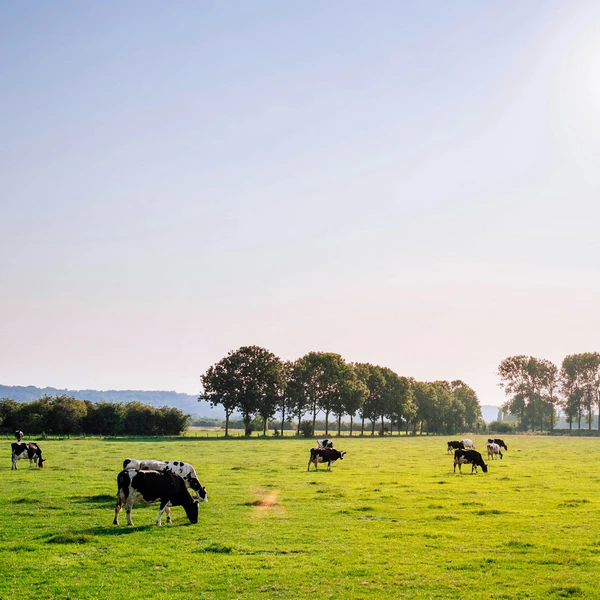
- Cattle and sheep can make food from grass people cannot eat.
- Soil, water, habitat and nutrients should be counted before praising any diet.
- The farm behind the food says more than the label.
Food & Land
Cropland Use
Vegan diets remove meat, eggs, milk and butter. Many global food studies show lower land use when people eat crops directly instead of growing crops for animal feed.
A large Science paper found large gaps in land use, emissions, water use and pollution between different foods and farms (1).
Corn and soy feed use cropland before they become food. Farmers must plant the crop, harvest it and move it. More steps bring more fuel use and more land demand.
Dry hills grow grass better than corn or beans. Thin soil can lose topsoil when it is plowed every year. Rough pasture can stay covered while cattle and sheep turn grass into meat and fat.
People cannot digest grass. Cattle and sheep can. Grass land can feed people through animals without becoming a crop field.
Animal Feed
Some animal farms use large amounts of grain feed. These farms use cropland that could grow food for people. They also use fuel and fertilizer before the animal ever reaches the plate.
Global feed data show a wider picture. Mottet and colleagues reported that most livestock feed dry matter comes from grass, crop residues and other material people do not currently eat (2).
Corn feed and grass pasture belong in separate groups. A feedlot depends on crop fields. A pasture depends on living grass. Each one creates a different land result.
A vegan argument loses force when it treats all animal feed like human food. Grass, stalks and crop leftovers are not the same as beans on a dinner plate.
Land Recovery
Lower feed crop demand can free some cropland. Old fields can return to forest, wetland or native grass when people protect them. Land recovery needs time, water repair and steady care.
A former crop field can also become housing, roads or another crop field. Diet change alone does not protect land. Local rules decide what happens after farming changes.
Plant Farming Costs
Field Inputs
Vegan diets need crop fields. Grain comes from fields. Beans come from fields. Plant protein powders come from fields and factories.
Fields need seed, fuel and machines. Many farms also use fertilizer and sprays. Rain can carry soil, fertilizer and spray residue into streams.
A vegan product can come from careful farming. It can also come from bare soil and heavy spray use. The label does not show the farm.
A package on a shelf hides most of the work. It hides the field, the water source and the factory. It also hides the fuel used before the food reached the store.
Soil
Soil can disappear faster than it returns. Repeated plowing loosens the ground. Bare fields lose topsoil in wind and rain.
Covered soil holds more water. Roots hold soil together. Pasture can keep living plants on the ground for much of the year.
Animals on grass can return manure to the soil. Crop fields can also protect soil when farmers keep roots and cover on the ground. Poor management damages land in either case.
Water
Water cost depends on where the crop grows. A crop grown with rain in a wet region uses local water differently from the same crop grown with irrigation in a dry region.
Almonds, rice and export vegetables can draw heavily from rivers and aquifers in dry areas. Poore and Nemecek found large differences in water use between foods and farms (1).
A clean label cannot show the water burden. A food can look harmless in a shop while draining a stressed water source far away.
Climate & Food Value
Emissions
Food production releases greenhouse gases through land clearing, fertilizer, fuel and waste.
Our World in Data describes food as a large source of emissions, land use, water use and water pollution (3).
Vegan diets often rank lower in climate studies because they remove ruminant methane and reduce grain feed demand.
A United Kingdom study found lower average environmental effects for vegan diets than high meat diets across several measures (4).
Average figures can hide important farm details. A thirsty crop in a dry region can damage water supplies. A pasture animal can make food from grass without plowing.
Food has to nourish people. Low emissions mean less when the food gives poor nutrition. A fair comparison should include the nutrients people can actually use.
Methane
Cattle and sheep release methane during digestion. Methane warms strongly over shorter time frames. Climate reports place heavy pressure on ruminants for this reason.
Cattle and sheep also turn grass into dense food. They can use plants people cannot eat. They can use land that grows crops poorly.
The Food Climate Research Network found that pasture based livestock still add greenhouse gases overall after soil carbon gains are included (5).
Greenhouse gases belong in the discussion. Soil cover, water use and nutrient value belong there too.
A food choice can reduce methane while increasing crop demand. More crop fields can bring more plowing, more sprays and more irrigation in some regions.
Nutrients
Animal foods provide complete protein, B12 and retinol in direct forms. Plants do not provide the same nutrient package.
Vegan diets usually need more planning because several nutrients are harder to get from plants alone.
Many environmental studies count food by weight, calories or protein. These measures miss key nutrients. A pound of starch and a pound of meat do not feed the body in the same way.
Food value should include usable nutrition. A smaller amount of nutrient dense food can feed the body better than a larger amount of weaker food.
Wildlife, Waste & Factories
Habitat
Wildlife needs space, water and cover. Lower feed crop demand can help when old fields return to protected habitat. Recovery works best when land has clear protection.
Crop expansion can harm wildlife. Fields can replace habitat. Sprays can reduce insects. Irrigation can weaken wetlands.
Benton and colleagues describe food production as a major pressure on biodiversity through land use and farming methods (6).
Wildlife gains depend on what happens on the land after food demand changes.
Processed Vegan Food
A vegan label can sit on whole food or factory food. Beans differ from fake meat. Potatoes differ from seed oils. A short food chain is easier to judge.
Many vegan products depend on refined starches, seed oils and additives. Factory processing uses energy and packaging. Long transport adds more steps before the food reaches a plate.
A green package can hide a weak farm source. The crop may come from far away. The factory may use several inputs. The final product may say more about branding than land care.
Waste
Food waste damages every diet. Wasted food wastes land, water and fuel. UNEP reported that households, food service and retail wasted about 1.05 billion tonnes of food in 2022 (7).
Waste cuts into any claimed environmental gain. Food left to rot still used land and water. Lower waste reduces pressure before any major diet change.
Buy less than you throw away. Store food well. Use the food already in the kitchen.
Better Food Judgement
Farm Details
A vegan label tells one thing only. It means the food contains no animal product. It does not show soil care, water use or nutrient value.
A better food check starts at the farm. Was the soil covered. Was water used carefully. Did the farm protect insects and birds.
Good cropland should grow suitable food. Grassland should stay covered and produce food through animals when that suits the place. Fragile land should be protected.
Clearer Choice
Vegan food can lower land demand when it replaces a grain feed system. It can also shift pressure into crop farming, factory processing and dry region water use. The details decide the result.
The best food choices protect land and feed people well. They keep waste low. They use water carefully. They provide nutrients in forms the body can use.
The label gives a small clue. The farm tells the real story. Soil, water, habitat and nutrition show the true environmental cost.
For any health concerns or questions about a medical condition, get guidance from a physician or another appropriately trained clinician. Before changing your diet, supplements, or health routine, talk with a licensed healthcare professional.
Suggested Posts
Research
Poore, J. and Nemecek, T., 2018. Reducing food’s environmental impacts through producers and consumers. Science, 360, 987 to 992. DOI 10.1126/science.aaq0216. PMID 29853680.
Mottet, A. et al., 2017. Livestock. On our plates or eating at our table. A new analysis of the feed and food debate. Global Food Security, 14, 1 to 8. DOI 10.1016/j.gfs.2017.01.001.
Ritchie, H., 2022. Environmental Impacts of Food Production. Our World in Data.
Scarborough, P. et al., 2023. Vegans, vegetarians, fish eaters and meat eaters in the UK show discrepant environmental impacts. Nature Food, 4, 565 to 574. DOI 10.1038/s43016 023 00795 w. PMID 37474804.
Garnett, T. et al., 2017. Grazed and Confused. Ruminating on cattle, grazing systems, methane, nitrous oxide, the soil carbon sequestration question and what it all means for greenhouse gas emissions. Food Climate Research Network.
Benton, T.G. et al., 2021. Food system impacts on biodiversity loss. Three levers for food system transformation in support of nature. Chatham House.
United Nations Environment Programme, 2024. Food Waste Index Report 2024. UNEP.
Clark, M.A. et al., 2022. Estimating the environmental impacts of 57,000 food products. Proceedings of the National Academy of Sciences, 119, e2120584119. DOI 10.1073/pnas.2120584119. PMID 35939701.
Aleksandrowicz, L. et al., 2016. The impacts of dietary change on greenhouse gas emissions, land use, water use and health. PLoS ONE, 11, e0165797. DOI 10.1371/journal.pone.0165797. PMID 27812156.
Hallström, E., Carlsson Kanyama, A. and Börjesson, P., 2015. Environmental impact of dietary change. A systematic review. Journal of Cleaner Production, 91, 1 to 11. DOI 10.1016/j.jclepro.2014.12.008.
Tilman, D. and Clark, M., 2014. Global diets link environmental sustainability and human health. Nature, 515, 518 to 522. DOI 10.1038/nature13959. PMID 25383533.
Herrero, M. et al., 2013. Biomass use, production, feed efficiencies and greenhouse gas emissions from global livestock systems. Proceedings of the National Academy of Sciences, 110, 20888 to 20893. DOI 10.1073/pnas.1308149110. PMID 24344273.
Searchinger, T. et al., 2018. Creating a Sustainable Food Future. World Resources Institute.
Food and Agriculture Organization of the United Nations, 2019. The State of the World’s Biodiversity for Food and Agriculture. FAO.
Savory, A. and Butterfield, J., 2016. Holistic Management. A Commonsense Revolution to Restore Our Environment. Island Press.