Key Takeaways
- Gout starts when uric acid crystals collect inside joints and trigger inflammation.
- The first flare often causes sudden pain, heat, swelling and redness.
- Fructose, alcohol, dehydration and insulin resistance can push uric acid higher.
- Kidney clearance is central because most uric acid leaves through urine.
- Natural support starts with less sugar, better hydration, real meals and tracking.
Gout Basics
Uric Acid Crystals
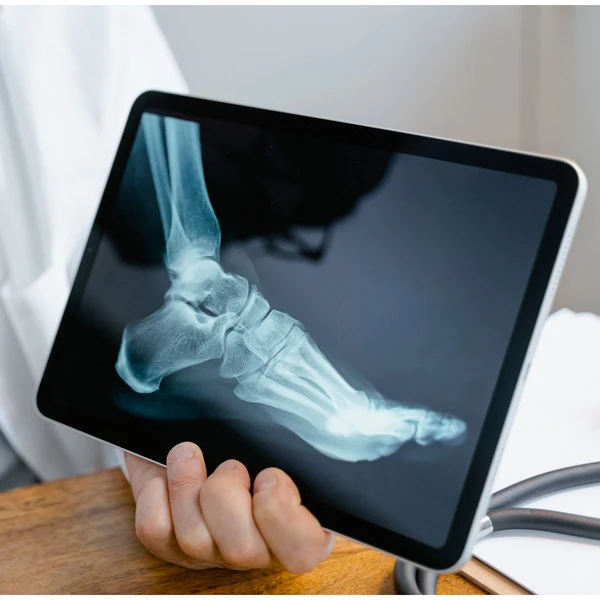
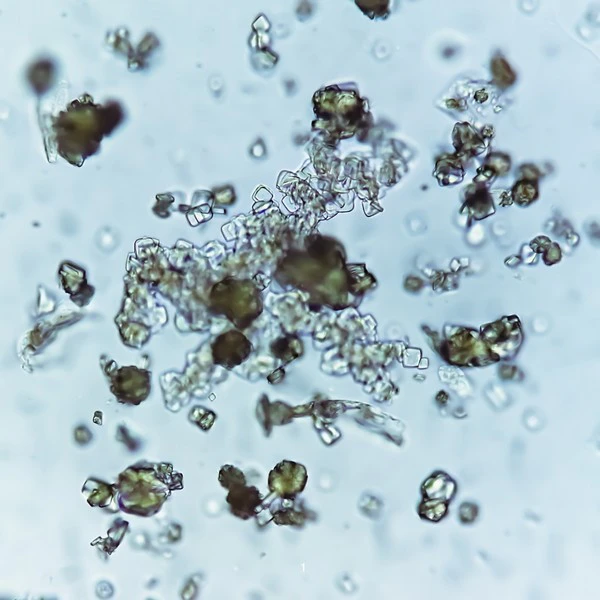
Gout is a painful form of arthritis caused by urate crystals inside joints. These crystals form when uric acid stays high enough in the blood for long enough.
Uric acid comes from purine breakdown, and purines come from your own cells and some foods. The body clears most uric acid through the kidneys.
A gout flare can feel sudden and severe. The joint can become hot, red, swollen and so tender that even light touch hurts.
The big toe is common, but gout can also hit the ankle, knee, wrist, finger or elbow. Reviews describe gout as an inflammatory joint disease driven by urate crystal buildup after high uric acid (1).
High uric acid is called hyperuricemia. Not everyone with high uric acid gets gout.
Some people have high levels for years without flares. Gout begins when crystals form, settle in tissue and wake up the immune system.
Flare Cycle
A flare often starts at night or early morning. The pain can rise fast over several hours. The joint may look shiny, swollen and deep red. Walking can become hard when the foot or ankle is involved.
Flares can settle after days or weeks, but the crystal burden can remain. Repeated flares usually mean the deeper uric acid problem is still active.
Pain can disappear while crystals remain in joints, tendons or soft tissue. This is why gout should be treated as a metabolic warning, not only a joint problem.
Main Causes
Fructose Load
Fructose is one of the strongest food drivers of high uric acid. The liver handles much of the fructose load.
During that process, cell energy can fall quickly, which increases purine breakdown and uric acid production.
A review on fructose and uric acid describes fructose as a driver of uric acid production and metabolic strain (2).
Sweet drinks are the clearest target. Soda, fruit juice, sweet tea, energy drinks, sports drinks and sweet coffee can deliver a large sugar load without real fullness.
High fructose corn syrup in processed food adds the same problem through sauces, desserts, cereals and snack foods.
A low purine diet can backfire when it pushes people toward more starch and sugar.
Popular garbage advice is usually to cut meat sharply, then fill the plate with bread, pasta, cereal and fruit juice.
That way you can keep insulin high and push uric acid up higher through fructose and poor kidney clearance.
Kidney Clearance
The kidney controls much of the uric acid story. Uric acid must leave through urine. When the kidney clears less uric acid, blood levels rise.
Dehydration, high insulin, kidney disease, alcohol and some medical conditions can all reduce clearance.
Insulin resistance is a major driver because high insulin can make the kidney hold onto more uric acid.
A 2026 review describes uric acid as closely linked with insulin resistance and metabolic disease risk (3).
Low urine volume can also raise risk. When urine is concentrated, uric acid has less room to stay dissolved.
This can raise the chance of crystals and stones. Dark urine most of the day is a useful warning sign that fluid and salt balance may be poor.
Alcohol & Stress
Alcohol raises gout risk through several routes. Beer brings alcohol and purines together. Spirits can still reduce uric acid clearance and raise dehydration risk.
Alcohol also worsens sleep, which can make hunger, stress hormones and blood sugar harder to control the next day.
Illness, fasting, rapid weight loss, hard training without enough fluid and poor sleep can also trigger flares in some people.
Rapid tissue breakdown can raise purine load. Dehydration thickens the urine and makes clearance harder.
Symptoms & Risks

Joint Signs
The classic sign is sudden severe joint pain with swelling, heat and redness. The first joint is often the big toe.
Some people also get flares in the ankle, knee, wrist or fingers. The joint can feel tight, hot and extremely tender.
Gout can be mistaken for injury, infection or other arthritis. A hot swollen joint with fever or severe illness needs urgent care because joint infection can look similar.
A first flare should be checked, especially if pain is severe or the diagnosis is not clear.
Repeated attacks can damage joints over time. Some people develop hard urate deposits called tophi.
These can appear near joints, fingers, toes, elbows or ears. Tophi usually show that uric acid has been high for a long time.
Kidney Stones
High uric acid can also form kidney stones. Uric acid stones are more likely when urine is acidic and concentrated.
Stone pain can be severe and may start in the side or back before moving toward the groin. Blood in urine, nausea and urgent urination can also appear.
A review on hyperuricemia and kidney disease found links between high uric acid and chronic kidney disease across many studies (4).
Kidney stones with fever, vomiting, one kidney, pregnancy or trouble passing urine need urgent care.
A blocked infected kidney can become dangerous. Natural steps are useful for prevention, but severe stone symptoms need proper medical help.
Metabolic Warning
Gout often points to a wider metabolic problem. High uric acid often appears with insulin resistance, high blood pressure, fatty liver and high triglycerides.
A review on hyperuricemia describes links with hypertension, kidney disease, coronary artery disease and metabolic disease (5).
The joint flare gets attention because it hurts. The bigger work happens between flares.
Blood sugar, fasting insulin, triglycerides, kidney function, waist size and blood pressure need attention. Gout is a clear sign that fuel handling and clearance need cleanup.
Natural Treatment
Remove Sugar
The strongest natural step is removing sweet drinks and high fructose foods. Soda, juice, sweet tea, sports drinks, energy drinks and sweet coffee should go first.
These drinks raise uric acid pressure and do not satisfy hunger.
The 2020 American College of Rheumatology guideline conditionally recommends limiting high fructose corn syrup for people with gout (6).
Desserts, candy, cereal, pastries and sweet snack bars should also be removed. These foods usually combine sugar, starch, seed oils and additives.
Fortified grains are still weak foods because added synthetic nutrients do not fix the sugar and starch load.
Use real meals instead. Beef, lamb, eggs, full fat dairy, butter, ghee, tallow, broth and selected seafood give steady fuel without a large sugar hit.
Some people with active gout may need to test seafood and organ meats carefully because purine response varies.
Hydration & Salt
Hydration helps because uric acid leaves through urine. More urine can reduce crowding of uric acid in the kidneys.
Pale urine most of the day is a better sign than forcing a fixed number of bottles.
Salt also affects fluid balance. People who eat fewer carbs often lose more sodium and water, especially early on.
Salted meals and broth can help the body hold fluid better. Drinking plain water all day while eating very little salt can still leave some people weak or headachy.
Alcohol should be reduced sharply or removed. It can raise uric acid, reduce clearance, worsen sleep and dehydrate the body.
Beer is especially poor for gout. A person with repeat flares should treat alcohol as a major trigger until proven otherwise.
Blood Sugar Control
Lowering insulin resistance helps the kidney clear uric acid more cleanly. Walking after meals is a useful start because muscle can pull glucose from the blood.
Strength training helps over time because muscle gives the body a larger place to store fuel. Better muscle lowers the pressure on the liver and blood sugar system.
A clear meal rhythm also helps. One to three real meals gives the body time away from constant incoming fuel.
Constant snacking keeps insulin signals coming through the day. Larger steady meals with protein and animal fat often reduce the need for snacks.
Sleep should be protected. Poor sleep can worsen cravings, stress hormones and insulin resistance.
Morning light, a darker room, less late screen use and real evening meals can help. Gout risk is not only about one food.
Testing & Follow Up
Useful Labs
Blood uric acid is useful, but it is not the only number. Kidney function, fasting glucose, fasting insulin, triglycerides, liver enzymes, blood pressure and urine findings add context.
A person with gout and high triglycerides likely has a wider fuel handling problem. Uric acid can fall during a flare in some people, so one test does not always tell the full story.
Repeat testing can be useful after the flare settles. Stone history, flare timing, alcohol use, sweet drink use and dehydration all help explain the number.
Flare Tracking
Write down
- alcohol,
- sweet drinks,
- desserts,
- dehydration,
- poor sleep,
- hard exercise,
- illness,
- seafood,
- organ meats and
- very large meals before each flare.
Over time, the repeated triggers become easier to see.
Do not treat all high purine foods the same. Some people flare after beer, shrimp or organ meats. Others flare after juice, soda, poor sleep or dehydration.
A trigger diary lets you protect nutrient dense foods that do not bother you while removing foods that clearly do.
Urgent Care
Get urgent care for a hot swollen joint with fever, severe illness or a first severe attack. Infection can look like gout and needs fast treatment.
Get urgent care for kidney stone signs with fever, vomiting, low urine output, pregnancy or severe pain.
Natural treatment has a real place, but gout can become serious. The best plan lowers uric acid pressure, improves kidney clearance and protects joints. Remove fructose, reduce alcohol, hydrate well, support salt balance, eat real meals and track your own triggers.
For any health concerns or questions about a medical condition, get guidance from a physician or another appropriately trained clinician. Before changing your diet, supplements or health routine, talk with a licensed healthcare professional.
Suggested Posts

Research
Zhang, Y. et al. 2022. Gout and diet. A comprehensive review of mechanisms and management. Nutrients, 14(17), 3525. Available at: https://pmc.ncbi.nlm.nih.gov/articles/PMC9459802/
Russo, E. et al. 2020. Fructose and uric acid. Major mediators of cardiovascular disease risk starting at pediatric age. International Journal of Molecular Sciences, 21(12), 4479. Available at: https://pmc.ncbi.nlm.nih.gov/articles/PMC7352635/
Ali, N. et al. 2026. Serum uric acid as a mediator of insulin resistance. Nutrients. Available at: https://pmc.ncbi.nlm.nih.gov/articles/PMC12793067/
Barman, Z. et al. 2023. Association between hyperuricemia and chronic kidney disease. Cureus, 15(1), e33875. Available at: https://pmc.ncbi.nlm.nih.gov/articles/PMC9942427/
Gaubert, M. et al. 2020. Hyperuricemia and hypertension, coronary artery disease, kidney disease. From concept to practice. International Journal of Molecular Sciences, 21(11), 4066. Available at: https://pmc.ncbi.nlm.nih.gov/articles/PMC7312288/
FitzGerald, J.D. et al. 2020. 2020 American College of Rheumatology guideline for the management of gout. Arthritis Care and Research, 72(6), pp. 744 to 760. Available at: https://pmc.ncbi.nlm.nih.gov/articles/PMC10563586/
Johnson, R.J. et al. 2009. Hypothesis. Could excessive fructose intake and uric acid cause type 2 diabetes? Endocrine Reviews, 30(1), pp. 96 to 116. Available at: https://pmc.ncbi.nlm.nih.gov/articles/PMC2647706/
Lubawy, M. et al. 2023. High fructose diet induced hyperuricemia accompanying metabolic syndrome. Mechanisms and dietary therapy proposals. International Journal of Environmental Research and Public Health, 20(4), 3596. Available at: https://pmc.ncbi.nlm.nih.gov/articles/PMC9960726/
Jamnik, J. et al. 2016. Fructose intake and risk of gout and hyperuricemia. A systematic review and meta analysis of prospective cohort studies. BMJ Open, 6(10), e013191. Available at: https://pmc.ncbi.nlm.nih.gov/articles/PMC5073537/
Petreski, T. et al. 2020. Hyperuricemia, the heart and the kidneys. To treat or not to treat? Disease Markers, 2020, 7813540. Available at: https://pmc.ncbi.nlm.nih.gov/articles/PMC7534372/
Lee, T.H. et al. 2021. Hyperuricemia and progression of chronic kidney disease. Journal of Clinical Medicine, 10(18), 4230. Available at: https://pmc.ncbi.nlm.nih.gov/articles/PMC8466342/
Mun, K.H. et al. 2018. Effect of uric acid on the development of chronic kidney disease. Journal of Preventive Medicine and Public Health, 51(4), pp. 199 to 206. Available at: https://www.jpmph.org/journal/view.php?doi=10.3961/jpmph.18.112
Agarwal, V. et al. 2024. Dietary fructose. A literature review of current evidence. Cureus, 16(11), e73344. Available at: https://pmc.ncbi.nlm.nih.gov/articles/PMC11663027/
Baumann, A. et al. 2022. Fructose, a trigger of metabolic diseases? A narrative review. Exploration of Digestive Diseases, 1(3), pp. 86 to 95. Available at: https://www.explorationpub.com/Journals/edd/Article/10055
Du, L. et al. 2024. Hyperuricemia and its related diseases. Reviews in Endocrine and Metabolic Disorders. Available at: https://pmc.ncbi.nlm.nih.gov/articles/PMC11350024/