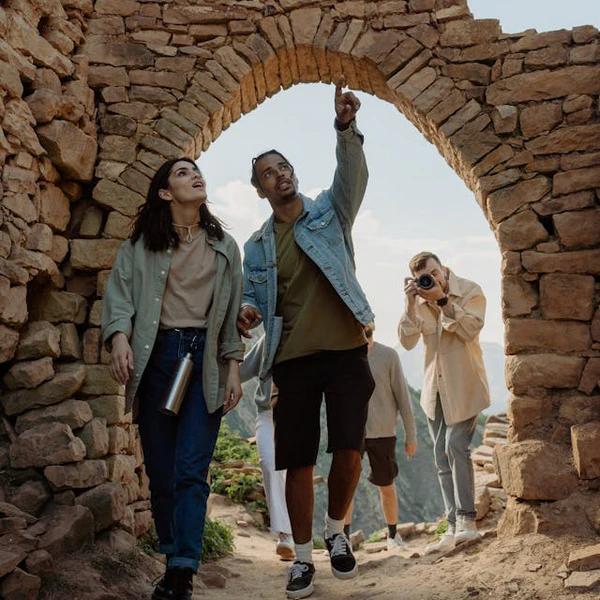
Key Takeaways
- Travel feels better when food, sleep, movement and hydration stay steady.
- Real meals help reduce cravings, sugar crashes and weak airport food choices.
- Walking after meals can support blood sugar, digestion, mood and circulation.
- Morning light helps your body clock adjust when your location changes.
- Lighter packing and a slower pace reduce stress during travel days.
Food & Energy
Real Meals
Travel can break your food routine quickly because airports, hotels, road stops and tourist areas push easy snacks. Bread, pastries, cereal bars, chips, sweet coffee and fried food are everywhere.
These foods can leave you hungry again fast, especially after poor sleep and long sitting. A better travel day starts with real meals that give protein, animal fat and salt.
Eggs, meat, seafood, full fat dairy, cheese, butter, ghee, tallow and broth are stronger choices when you can find them.
Many restaurants can serve eggs, burger patties, grilled meat or fish without bread, fries or sweet sauces.
These meals give longer fuel and reduce the need to keep buying snacks. A steady meal before leaving for the airport can save the whole day.
Travel food does not need to be perfect. The goal is to protect your energy enough to enjoy the trip.
Choose the strongest available meal, then move on with the day. A meat based meal at a diner will usually beat a bag of crackers, a muffin and a sweet drink.
Blood Sugar
Long travel days can strain blood sugar because sitting, stress and poor sleep make the body less steady. Sweet drinks and starch heavy foods can hit harder when you are tired.
Walking after meals can help because muscle pulls sugar from the blood during and after movement.
Vacation research with activity programs found better sleep quality, well being and nervous system balance after a week away (1).
Travel Snacks
Snacks should be backup food, not the base of the trip. Beef sticks without sugar, hard cheese, boiled eggs or sardines can work better than bars, crackers and sweet packaged foods.
Choose foods that actually satisfy hunger. Avoid snacks that make you want more snacks an hour later.
Constant snacking can keep your appetite noisy through the day. Clear meals are usually easier on energy and digestion.
A person who eats enough protein and fat at meals often needs less food between them. Travel becomes easier when you are not hunting for food every two hours.
Movement
Walk Often
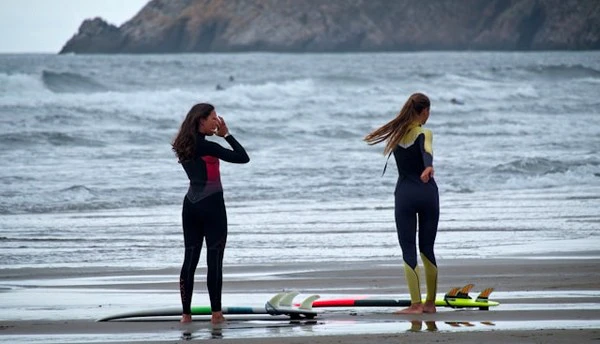
Walking is the easiest habit to keep while travelling. You can walk through airports, around hotels, after meals, through markets, along beaches and across city streets.
Walking helps circulation after long sitting and gives the body a break from chairs. It also helps you see the place in a way taxis and buses never can.
Start the day with a short walk if the area is safe. Morning walking gives light, movement and a clearer sense of the place.
Another walk after dinner can help digestion and sleep. Travel does not need a gym to include useful movement.
Long Sitting
Flights, buses and cars keep the hips, back, calves and shoulders still for too long. Stiffness builds slowly, then makes the rest of the day feel harder.
Stand up when you can, move your ankles, squeeze your calves and walk during stops. Even small movement is better than sitting still for hours.
Long sitting can slow blood flow in the legs. Travel related blood clots are uncommon for most people, but risk rises with long immobility, past clot history, pregnancy, some medical conditions and long flights (2).
Short strength work can also help on longer trips. Squats, pushups, stair climbs, carries and lunges need little space.
Ten minutes can wake up muscle and reduce the heavy feeling that comes from sitting too much. Active muscle also gives food somewhere useful to go.
Travel Can Break Routines Fast
Travel often changes sleep, food timing, sunlight, walking and hydration.
Sleep & Light
Morning Light
Morning light helps set your body clock. This becomes more useful when you cross time zones or spend long hours indoors.
Light tells the brain that the day has started, and that signal can support sleep timing later. Reviews on human circadian rhythm describe light as a major signal for the body clock (3).
Night Routine
Travel can push nights later through restaurants, screens, alcohol, noise and odd schedules. One late night may be fine, but repeated late nights make the trip harder.
Sleep loss can raise hunger, cravings and stress. It can also make small travel problems feel bigger than they are.
Keep the room cool, dark and quiet when possible. Earplugs and an eye mask take little space and can save sleep in noisy hotels.
Put the phone away earlier if you can. Late scrolling keeps your brain tied to the same noise you came to escape.
Food affects sleep during travel. Late desserts, sweet drinks and heavy alcohol can break sleep and make the next morning harder.
A real evening meal with protein, fat and salt usually works better. A short walk after dinner can help the body wind down without needing more food.
Jet Lag
Jet lag happens when your body clock and local time disagree. Light, meals and sleep timing help reset that clock.
Morning light at the destination gives the strongest daily signal. Staying inside a dark room all morning can make the adjustment slower.
Keep meals closer to local time when you arrive. Avoid a packed schedule on the first day after a long flight.
Walking, light, water, salt and a real meal usually help more than forcing a long day on poor sleep. A calmer first day can protect the rest of the trip.
Hydration & Digestion
Salt & Water
Travel can dry you out through airplane air, heat, sweating, walking and broken routines. Water helps, but salt also matters.
If you drink water all day while eating very little salt, you can still feel weak, light headed or headachy. Salted meals, broth and mineral rich animal foods can help keep fluids where the body needs them.
Avoid using sweet drinks as hydration. Juice, soda, sweet coffee and sports drinks add sugar without fixing the main issue.
Water with salty food usually works better. Coconut water may help some people in heat, but it still contains sugar and should not become the main drink.
Gut Calm
Travel changes meal timing, sleep, water, stress and bathroom rhythm. Digestion can slow down, especially with long sitting and low movement.
Walking after meals, eating enough animal fat and drinking salted broth can help many people feel more settled.
A review on travel and gut function notes that travel can change bowel habits through altered routine, food, stress and movement (4).
Use vs Avoid
| Use | Avoid |
|---|---|
| Morning light | Alcohol |
| Water with minerals | Snacks |
| Protein meals | Poor sleep timing |
| Walking | Long sitting without breaks |
Food Safety
Clean Choices
Food safety matters more when you are away from home. Food that sits out too long, old sauces, unsafe water, poor hand hygiene and raw foods in high risk settings can ruin a trip fast.
Choose hot cooked foods when the setting looks questionable. Be more careful with buffets, street ice, raw salads and seafood that does not look fresh.
Travel medicine guidance keeps repeating the same core idea because it works. Clean water, safer food handling and hand hygiene lower the chance of stomach illness during travel (5).
Fermented dairy may help some people if they tolerate it. Plain kefir or yogurt can be useful in some places, but sweetened versions often bring sugar and thickeners.
A calm gut usually prefers simple food. Meat, eggs, seafood, broth, full fat dairy and safe water make a stronger base than random snacks all day.
Bathroom Rhythm
Constipation is common during travel because people sit more, drink less, delay bathroom trips and change meal timing.
A morning walk and a warm drink can help the body return to a normal rhythm. Enough salt and fluid can also help. Rushing out of the room every morning can make the problem worse.
Give yourself time after breakfast when possible. The gut often responds to food, warmth and a relaxed morning.
Travel plans that start too early every day can break that signal. A less rushed morning can help digestion as much as any special product.
Travel Health Check
Pace & Packing
Light Bag
A lighter bag makes the whole trip easier. Heavy luggage strains shoulders, slows walking and adds stress at every transfer.
Stairs, buses, airports, sidewalks and hotel changes all feel better with less weight. Packing less also lowers the chance of losing or forgetting things.
A smaller bag forces clearer choices. Bring clothes that mix well, one good walking shoe and only the toiletries you use daily.
Extra items rarely improve the trip. They usually add weight, delay and decisions.
Simple packing can also protect sleep. A room with fewer loose items is easier to keep calm.
You spend less time searching, sorting and repacking. The day starts faster because your bag is not fighting you.
Slower Days
A packed schedule can turn travel into work. Too many tours, transfers and late nights leave little room for food, walking, sleep or quiet time.
Vacation research links relaxation and control during travel with better happiness during the trip (6).
Return Home
The final day shapes how you return. A slow final morning, water, salt, real food and an earlier night can make the next day easier.
Coming home exhausted can erase much of the benefit. Leave some space for laundry, food shopping and sleep if your schedule allows it.
Healthy travel does not require a perfect routine. Keep the main signals steady. Eat real meals, walk daily, get morning light, drink water with salt, protect sleep and pack lighter. These habits travel well because they are simple and they help the body handle change.
For any health concerns or questions about a medical condition, get guidance from a physician or another appropriately trained clinician. Before changing your diet, supplements or health routine, talk with a licensed healthcare professional.
Suggested Posts
Evidence Limits
Research
Hübner, M. et al. 2022. Effects of a one week vacation with various activity programs on well being, heart rate variability and sleep quality in healthy vacationers. International Journal of Environmental Research and Public Health, 19(24), 16752. Available at: https://pmc.ncbi.nlm.nih.gov
Centers for Disease Control and Prevention. 2024. Blood clots during travel. Available at: https://wwwnc.cdc.gov/
Czeisler, C.A. and Gooley, J.J. 2007. Sleep and circadian rhythms in humans. Cold Spring Harbor Symposia on Quantitative Biology, 72, pp. 579 to 597. Available at: https://pubmed.ncbi.nlm.nih.gov
Vrijkotte, S. et al. 2020. The effect of travelling on gastrointestinal function. United European Gastroenterology Journal. Available at: https://pmc.ncbi.nlm.nih.gov/
Centers for Disease Control and Prevention. 2025. Food and water safety. CDC Yellow Book. Available at: https://wwwnc.cdc.gov/
Kawakubo, A. et al. 2022. What promotes the happiness of vacationers? A focus on vacation experiences. International Journal of Environmental Research and Public Health, 19(12), 7355. Available at: https://pmc.ncbi.nlm.nih.gov
Blank, C. et al. 2018. Short vacation improves stress level and well being in German speaking middle managers. International Journal of Environmental Research and Public Health, 15(1), 130. Available at: https://pmc.ncbi.nlm.nih.gov
Waterhouse, J. et al. 2007. Jet lag. Trends in Neurosciences, 30(9), pp. 456 to 466. Available at: https://pubmed.ncbi.nlm.nih.gov
Youngstedt, S.D. et al. 2016. Circadian and homeostatic regulation of exercise induced phase shifts. Sleep, 39(12), pp. 2195 to 2201. Available at: https://pmc.ncbi.nlm.nih.gov/
Sonnentag, S. and Fritz, C. 2007. The recovery experience questionnaire. Development and validation of a measure for assessing recuperation and unwinding from work. Journal of Occupational Health Psychology, 12(3), pp. 204 to 221. Available at: https://pubmed.ncbi.nlm.nih.gov
Chen, C.C. and Petrick, J.F. 2013. Health and wellness benefits of travel experiences. A literature review. Journal of Travel Research, 52(6), pp. 709 to 719. Available at: https://journals.sagepub.com/doi
Nawijn, J. et al. 2010. Vacationers happier, but most not happier after a holiday. Applied Research in Quality of Life, 5, pp. 35 to 47. Available at: https://link.springer.com/
World Health Organization. 2012. International travel and health. Foodborne diseases and travel. Available at: https://www.who.int/publications/
World Health Organization. 2012. International travel and health. Air travel and health. Available at: https://www.who.int/publications/
Sharma, A. et al. 2021. Travel associated illness and risk prevention. Journal of Travel Medicine. Available at: https://academic.oup.com