Key Takeaways
- Bee propolis is a sticky hive resin made from plant sap, wax and bee enzymes.
- Human studies mostly look at mouth care, blood sugar and kidney markers.
- Propolis products can differ a lot because bees collect resin from local plants.
- Allergy is the main risk, especially for people sensitive to pollen or bee products.
- Propolis may help some people, but strong health claims go beyond the research.
Bee Propolis Basics
Bee Resin
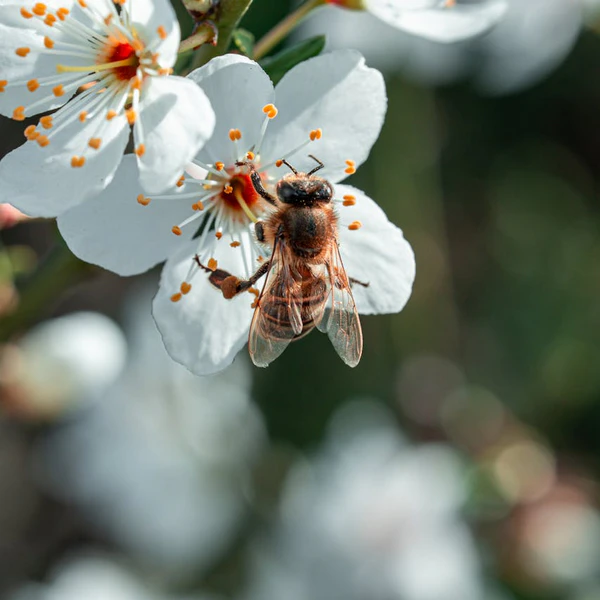
Bee propolis is a thick resin made by bees. Bees collect sticky material from trees and plants.
They mix it with wax and enzymes inside the hive. Bees use it to seal small openings, line hive surfaces and protect the colony.
People use propolis in many forms. Common products include ;
- capsules,
- drops
- throat sprays.
- mouth rinses
- gels
Propolis can contain many natural compounds. A review found flavonoids, phenolic acids and waxes in different samples of propolis (1).
The exact mix depends on the plants near the hive, the season and the place where the bees live.
Product Differences
One bottle of propolis can be very different from another bottle. Bees in Brazil do not collect the same plant resin as bees in Europe. Bees in a forest do not collect the same resin as bees near farms.
A 2005 review explained why propolis is hard to compare between studies. The chemistry changes by region and plant source (2).
The label should name the serving size, country of origin and extract type. Testing for microbes and heavy metals is also useful.
Uses
Gums
Mouth care has some of the best human research on propolis. A 2014 meta analysis found that propolis may reduce dental plaque in some studies (3).
A 2021 review looked at propolis for gum disease. The review found that propolis may help reduce gum pocket depth when used with gum treatment (4).
Mouth Ulcers
A 2024 review found that propolis may reduce pain, redness and healing time in people with recurrent mouth ulcers (5).
A mouth ulcer product gives direct contact with the sore area. That makes the result easier to judge. A person may notice less burning or faster healing.
Blood Sugar
Several human studies have tested propolis in adults with type 2 diabetes.
A 2019 review found lower fasting glucose and HbA1c in people who used propolis (6). The trials were limited, so the result should stay modest.
Blood sugar still depends heavily on daily food. Sugar and starch can keep glucose high.
Fortified grain products can add more problems because they often bring refined starch with added synthetic nutrients.
Kidney Markers
A 2019 trial tested Brazilian green propolis in adults with chronic kidney disease. The study reported lower protein in the urine after propolis use (7).
A 2023 trial tested 250 mg of propolis daily for three months in adults with chronic kidney disease. The study reported some quality of life changes, but kidney markers did not clearly improve (8).
A store bought propolis capsule should not be treated like a kidney treatment. The current research gives a reason for more study.
Safety & Side Effects
Allergy Risk
Allergy is the main safety risk with propolis. A person can react after using it on the skin, lips or inside the mouth. A review on allergic contact dermatitis found propolis reactions in tested skin patients (9).
Reaction signs can include itching, rash and lip swelling. Throat tightness or breathing trouble needs urgent care.
People with asthma, eczema or strong pollen allergy should be more cautious. People with a known bee product allergy should avoid casual use.
A 2025 review found that propolis contact allergy is still being reported through skin products and supplements (10).
First Use
Start with a very small amount if you choose to try propolis. Use only one product at first. A capsule, spray and cream used together make any reaction harder to trace.
Stop using propolis if your skin itches, your lips swell or your throat feels tight. Do not raise the amount after a mild reaction. Allergic reactions can become stronger after repeat exposure.
Higher Risk Groups
Pregnant women, breastfeeding women and young children have less safety data.
People with serious immune problems should avoid casual use unless a trained clinician reviews the product. People preparing for surgery should also be cautious.
Propolis contains many active compounds. Human studies have not checked every possible mix with prescription drugs.
Extra care is sensible for drugs that affect clotting, immune function or liver metabolism. Bring the exact label when asking a clinician about safety.
Smarter Use
Match The Product
Choose the product form based on the reason. Gum care needs a mouth rinse or gel. Throat comfort needs a lozenge or spray. Whole body research usually uses capsules or drops.
Use propolis for a short trial with one clear goal. Gum comfort, mouth sore healing or throat comfort can be easier to judge than vague daily use. Stop if there is no clear benefit.
Better Buying
Choose a product with a clear label. The label should name the source, extract type and serving size. Better companies also show testing for microbes and heavy metals.
Avoid propolis mixed with candy, sweet syrups or long flavor lists. Extra ingredients make reactions harder to track. A cleaner product is easier to test. A small first amount is smarter than a full serving on the first day.
Food Context
High sugar foods, fortified grains, seed oils and ultra processed snacks add stress to the mouth, liver and blood sugar system. Removing those foods gives the body less to handle. Propolis may help some markers, but daily food choices carry more weight.
For any health concerns or questions about a medical condition, get guidance from a physician or another appropriately trained clinician. Before changing your diet, supplements or health routine, talk with a licensed healthcare professional.
Suggested Posts


Research
Anjum, S.I. et al. 2019. Composition and functional properties of propolis. Saudi Journal of Biological Sciences. DOI 10.1016 j.sjbs.2018.08.013. PMID 31762646.
Bankova, V. 2005. Chemical diversity of propolis and the problem of standardization. Journal of Ethnopharmacology. DOI 10.1016 j.jep.2005.05.004. PMID 15993016.
Hwu, Y.J. et al. 2014. Effectiveness of propolis on oral health, a meta analysis. Journal of Nursing Research. PMID 25386865.
López Valverde, N. et al. 2021. Effectiveness of propolis in the treatment of periodontal disease, updated systematic review with meta analysis. Antioxidants. DOI 10.3390 antiox10020269. PMID 33578659.
Roberts, T. et al. 2024. Efficacy and safety of propolis for treating recurrent aphthous stomatitis, a systematic review and meta analysis. Journal of Oral Pathology & Medicine. PMID 38248221.
Karimian, J. et al. 2019. The efficacy of propolis on markers of glycemic control in adults with type 2 diabetes mellitus, a systematic review and meta analysis. Phytotherapy Research. DOI 10.1002 ptr.6356. PMID 30950136.
Silveira, M.A.D. et al. 2019. Effects of Brazilian green propolis on proteinuria and renal function in patients with chronic kidney disease, a randomized double blind placebo controlled trial. BMC Nephrology. DOI 10.1186 s12882 019 1337 7. PMID 31023272.
Anvarifard, P. et al. 2023. The effects of propolis on pro oxidant antioxidant balance, glycemic control and quality of life in chronic kidney disease, a randomized double blind placebo controlled trial. Scientific Reports. DOI 10.1038 s41598 023 37033 z. PMID 37337027.
Walgrave, S.E. et al. 2005. Allergic contact dermatitis from propolis. Dermatitis. PMID 16536336.
de Groot, A. 2025. Contact allergy to propolis update 2013 to 2025. Dermatitis. PMID 41346028.
Silveira, M.A.D. et al. 2021. Efficacy of Brazilian green propolis as an adjunct treatment for hospitalized COVID 19 patients, a randomized controlled clinical trial. Biomedicine & Pharmacotherapy. DOI 10.1016 j.biopha.2021.111526. PMID 34311528.
Silveira, M.A.D. et al. 2023. Standardized Brazilian green propolis extract in hospitalized patients with COVID 19, a randomized double blind placebo controlled clinical trial. Phytomedicine. PMID 37891178.
Zullkiflee, N. et al. 2022. Propolis, its role and efficacy in human health and diseases. Molecules. DOI 10.3390 molecules27186120.
Fukuda, T. et al. 2015. Effect of Brazilian green propolis in patients with type 2 diabetes, a double blind randomized placebo controlled study. Biomedical Reports. DOI 10.3892 br.2015.436.
Samadi, N. et al. 2017. Effects of bee propolis supplementation on glycemic control, lipid profile and insulin resistance in patients with type 2 diabetes, a randomized double blind clinical trial. Journal of Integrative Medicine. PMID 28285617.