Key Takeaways
- Collagen can support skin and joints, but higher intake does not guarantee better results.
- Collagen is an incomplete protein, so it should not replace meat, eggs or seafood.
- Large collagen doses can add more hydroxyproline, which can raise urinary oxalate.
- Skin health still needs enough complete protein, animal fat, minerals and sleep.
- Collagen works best as a small add on, not the center of the diet.
Collagen Basics
Collagen In The Body
Collagen is a structural protein. It helps form skin, tendons, ligaments, cartilage, bone and connective tissue.
The body makes collagen every day from amino acids, minerals and other nutrients that come from food.
Collagen supplements are usually sold as hydrolyzed collagen or collagen peptides. These products are broken down into smaller pieces so they mix into drinks more easily.
They still enter the body as amino acids and small peptides after digestion.
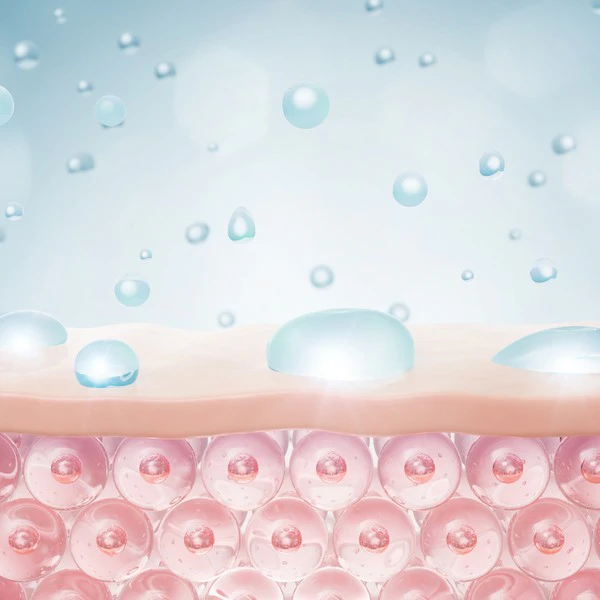
Skin and joint studies show some possible benefit from collagen peptides, especially for skin hydration, skin elasticity and joint symptoms.
A 2023 review found improvements in skin hydration and elasticity across randomized trials, but many trials were short and used different products (1).
Collagen can be useful, but it is not a full food replacement. The body still needs complete protein from meat, eggs and seafood. It also needs enough animal fat and minerals to support repair.
Supplement Claims
Collagen marketing often makes the product sound stronger than the evidence. Better skin is usually shown through small changes in hydration, wrinkles or elasticity scores.
These changes may be real, but they are not the same as a major visible change for every person.
A 2025 meta analysis found that collagen supplements improved skin hydration, elasticity and wrinkles across all trials.
The same paper also reported that trials without pharmaceutical company funding did not show the same skin benefit, while funded trials did show benefit (2).
Funding does not automatically make a study false. It does mean the results need a careful read. Short trials, small groups and brand specific products can make the real world result harder to judge.
Dose Limits
More collagen does not mean the body will build more skin. The body controls collagen repair through many inputs. Protein, minerals, hormones, sleep and injury signals all affect the result.
Most skin trials use measured doses for a set period. Many use around two and a half to ten grams daily. Taking far more than the amount used in studies does not prove a better outcome.
A small amount may be enough if collagen is used at all. Extra powder should not push out meat, eggs, seafood or other real foods. The main diet should still carry the nutrition load.
Protein Quality
Incomplete Protein
Collagen has a narrow amino acid profile. It is rich in glycine, proline and hydroxyproline. It lacks tryptophan, so it is classed as an incomplete protein by standard protein scoring methods (3).
The body needs all essential amino acids to repair tissue. Collagen cannot provide that full set on its own. A diet that leans too much on collagen powder can reduce total protein quality.
Meat, eggs and seafood give complete protein. They also provide minerals and fat soluble nutrients that collagen powder does not provide well.
Displacing Better Food
Collagen can become a problem when it crowds out better food. A person may add several scoops to coffee and count it as a protein meal. That can leave the diet short on essential amino acids.
Beef, lamb or eggs provide complete high quality protein. Wild seafood and shellfish can add iodine, selenium and zinc. Butter, ghee and tallow can support longer lasting meals without seed oils.
Collagen powder does not bring the same nutrient range as animal foods. It does not give heme iron, retinol, copper, choline or the same mineral spread.
Connective Tissue Foods
Food sources of collagen can be more useful than chasing large powder doses. Slow cooked meat, skin, tendons and bone broth can add gelatin rich parts of the animal.
Bone broth should still be made with care. Use good bones, clean water and enough time. Avoid turning broth into the whole diet because it is still not complete protein.
Gelatin rich foods can help balance a high muscle meat diet. They add glycine and connective tissue amino acids.
The best result comes from using the whole animal food base, not from replacing food with powder.
Skin Can React To Food And Stress
Skin flares can change with food, sleep, stress, alcohol, sunlight and topical products.
Skin & Joints
Skin Results
Collagen may help skin in some people. Reviews have reported improvements in hydration, elasticity and wrinkles after daily use for several weeks.
The result depends on dose, product type and the person using it (1, 4).
Skin still needs more than collagen. It needs complete protein, animal fat, minerals and sleep. Sugar, poor sleep and harsh skin products can work against the same skin people are trying to improve.
A collagen drink cannot cancel a weak diet. Skin repair depends on the body having enough raw material. Meat, eggs and seafood should stay first.
Joint Results
Collagen has more reason to be studied for joints because cartilage and connective tissue contain collagen.
Meta analyses have found some improvement in osteoarthritis symptoms with collagen products. The size of the effect and the quality of trials still need a careful read (5, 6).
Joint pain also depends on load, strength and movement. Weak muscles can make joints take more stress. Poor sleep can raise pain sensitivity.
Collagen may help some people, but it should not be the only step. Strength training, walking and enough complete protein remain important. Joints need daily use and recovery, not only a powder.
Check vs Skip
| Check | Skip |
|---|---|
| Food changes | Seed oils |
| Sleep loss | Harsh soaps |
| Alcohol | Random creams |
| New skin products | Ignoring flares |
Too Much Collagen
Hydroxyproline Load
Collagen contains hydroxyproline. The body can turn some hydroxyproline into glyoxylate and oxalate. This is relevant because oxalate is tied to kidney stone risk in susceptible people.
A human study found that five and ten gram gelatin loads raised urinary oxalate and glycolate, while one and two gram loads did not show the same change.
The authors reported that hydroxyproline metabolism can contribute to endogenous oxalate production (7).
This does not mean every person must avoid collagen. It does mean large daily doses deserve more caution, especially for people with a history of kidney stones. More is not automatically safer.
Gut Reactions
Collagen can cause digestive discomfort in some people. Bloating, fullness or loose stool can happen when the dose is too high or the product does not suit the person.
Flavored powders can also contain sweeteners or gums that irritate the gut.
Start with a small amount when testing collagen. Keep the rest of the diet steady. Stop when the product clearly causes gut trouble.
Plain collagen is usually easier to judge than a flavored blend. Added sweeteners, acids and flavor systems can confuse the result.
The reaction may come from the additives instead of the collagen itself.
Product Quality
Collagen source matters. Bovine, marine and porcine collagen come from different raw materials. The final product quality depends on sourcing, processing and testing.
A product should be plain and third party tested when possible. Avoid collagen powders with artificial flavors, sweeteners or long ingredient lists.
Food is still the safer starting point. Meat, eggs, seafood and connective tissue cuts give the body more than collagen fragments. Supplements should fill a narrow gap, not become the main plan.
Skin Tracking Order
Better Use
Small Add On
Collagen works best as a small add on when the diet is already strong.
A small serving can be added to broth, coffee or a meal if it agrees with digestion. It should not replace a real protein serving.
The main meal should still contain complete animal protein. Beef, lamb and eggs can carry the base. Wild seafood and shellfish can add minerals that support skin and connective tissue.
A person using collagen for skin or joints should give it time. Most trials run for weeks, not days. Daily use for a set period gives a cleaner read than random scoops.
Skin Support
Skin support starts with the basics. Eat enough complete protein. Use animal fats instead of seed oils. Keep sugar and starch low when acne, cravings or energy crashes are active.
Sleep also affects skin. Poor sleep can make the face look dull and irritated. Morning light and a darker evening can help the body keep better sleep timing.
Collagen can support the process for some people. It should sit behind food, sleep and steady habits. Skin needs the whole body to be in better order.
Joint Support
Joints need load they can handle. Walking, lifting and basic strength work can help the body keep useful tissue.
Too much rest can make the body weaker, while too much training can keep pain active.
Collagen can be tested for joint comfort if the diet is already solid. Track pain, stiffness and movement for several weeks.
Keep the dose modest and stop if digestion or stone risk becomes a concern.
Use collagen with a full food base. Meat, eggs, seafood and animal fats provide the bigger nutrition picture. Collagen alone cannot replace the tissue support that comes from real food and steady movement.
For any health concerns or questions about a medical condition, get guidance from a physician or another appropriately trained clinician. Before changing your diet, supplements, or health routine, talk with a licensed healthcare professional.
Suggested Posts


Evidence Limits
Research
Pu, S.Y. et al. 2023. Effects of oral collagen for skin anti aging. A systematic review and meta analysis. Nutrients, 15, 2080.
Myung, S.K. et al. 2025. Effects of collagen supplements on skin aging. A systematic review and meta analysis of randomized controlled trials. American Journal of Medicine.
Paul, C. et al. 2019. Significant amounts of functional collagen peptides can be incorporated in the diet while maintaining indispensable amino acid balance. Nutrients, 11, 1079. PMID 31096622.
De Miranda, R.B. et al. 2021. Effects of hydrolyzed collagen supplementation on skin aging. A systematic review and meta analysis. International Journal of Dermatology, 60, pp.1449 to 1461. PMID 33742704.
García Coronado, J.M. et al. 2019. Effect of collagen supplementation on osteoarthritis symptoms. A meta analysis of randomized placebo controlled trials. International Orthopaedics, 43, pp.531 to 538. PMID 30368550.
Simental Mendía, M. et al. 2025. Effect of collagen supplementation on knee osteoarthritis. A systematic review and meta analysis of randomized placebo controlled trials. International Journal of Rheumatic Diseases. PMID 39212129.
Knight, J., Jiang, J., Assimos, D.G. and Holmes, R.P. 2006. Hydroxyproline ingestion and urinary oxalate and glycolate excretion. Kidney International, 70, pp.1929 to 1934. PMID 17021603.
Jiang, J. et al. 2012. Metabolism of 13C5 hydroxyproline in vitro and in vivo. Evidence for primary hyperoxaluria. American Journal of Physiology Gastrointestinal and Liver Physiology, 302, pp.G637 to G643.
Martínez Puig, D. et al. 2023. Collagen supplementation for joint health. The link between composition and scientific knowledge. Nutrients, 15, 1332.
Liang, C.W. et al. 2024. Efficacy and safety of collagen derivatives for osteoarthritis. Osteoarthritis and Cartilage.
Ravindran, R. et al. 2026. Collagen supplementation for skin and musculoskeletal health. An umbrella review of meta analyses on elasticity, hydration and structural outcomes. Nutrients.
Draelos, Z.D. et al. 2021. Oral collagen supplementation. A systematic review of dermatological applications. Journal of Drugs in Dermatology.
Barati, M. et al. 2020. Collagen supplementation and body composition. A systematic review and meta analysis of randomized controlled trials. International Journal of Sport Nutrition and Exercise Metabolism.
Moskowitz, R.W. 2000. Role of collagen hydrolysate in bone and joint disease. Seminars in Arthritis and Rheumatism, 30, pp.87 to 99.
Bello, A.E. and Oesser, S. 2006. Collagen hydrolysate for the treatment of osteoarthritis and other joint disorders. A review of the literature. Current Medical Research and Opinion, 22, pp.2221 to 2232.
Porfírio, E. and Fanaro, G.B. 2016. Collagen supplementation as a complementary therapy for the prevention and treatment of osteoporosis and osteoarthritis. A systematic review. Revista Brasileira de Geriatria e Gerontologia, 19, pp.153 to 164.