Key Takeaways
- Sunburn happens when ultraviolet light damages skin faster than your body can repair it.
- Clothing, shade and shorter exposure give the most reliable protection during strong midday sun.
- Slowly increasing sun exposure may help your skin adapt without causing redness or painful burns.
- Retinol, animal fats and enough protein give your skin nutrients needed for normal repair.
- Aloe vera may calm mild burns, though severe burns need proper medical care quickly.
Sunburn & Skin Damage
Early Signs
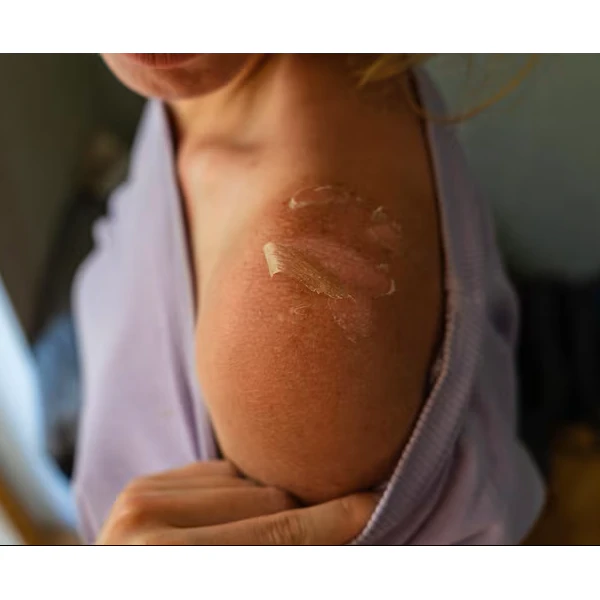
Sunburn is skin damage caused by too much ultraviolet light. Your skin may become red, warm or sore several hours after exposure.
The full burn may not appear until later that day. Pain can become worse overnight even after you have left the sun.
Darker skin can burn without becoming bright red. Tenderness, heat or swelling may be easier to notice.
A mild burn usually affects the top layers of skin. A severe burn can cause blisters, fever or dehydration. Large burns need proper medical care.
Repeated burns can damage skin cells over time. They also raise the chance of early skin ageing and some skin cancers.
Ultraviolet Light
Sunlight contains UVA and UVB rays. UVB causes most visible burning. UVA reaches deeper into the skin and adds to long term damage.
Clouds do not block all ultraviolet light. Water, sand and pale concrete can reflect it back onto your skin.
The strongest sunlight usually falls around the middle of the day. The exact time changes with your location and season.
Your skin colour affects how quickly you burn. Pale skin usually burns sooner. Darker skin has more natural protection but can still burn.
Daily Sun Protection
Use Shade & Clothing
Shade and clothing give steady protection without needing frequent reapplication. A roof, tree or umbrella can reduce direct exposure.
Choose clothing that covers the skin without making you overheat. Tightly woven fabric blocks more light than thin fabric.
A wide hat protects your face, ears and neck. Sunglasses can protect your eyes and the thin skin around them.
Research supports clothing as one of the most dependable forms of sun protection. The amount of protection depends on fabric, weave and coverage. (1)
Shade still allows some reflected ultraviolet light to reach you. Move farther from bright sand or water when the sun is intense.
Limit Strong Sun
Avoid long exposure when the sun feels harsh. Shorter periods reduce the chance of crossing from normal exposure into a burn.
Leave the sun when your skin starts feeling hot or tight. Redness often appears too late to guide your decision.
Build exposure slowly over days or weeks. Someone who has spent months indoors may burn quickly during the first long day outside.
Morning or later afternoon sun is often easier to tolerate. Midday light is stronger and can burn skin faster.
Your skin needs time to respond to sunlight. A sudden jump from ten minutes to two hours gives it little chance to adjust.
Sunscreen
Sunscreen can reduce ultraviolet damage when clothing and shade do not cover the skin. Use enough to cover exposed areas.
No sunscreen blocks all ultraviolet light. Sweating, swimming and rubbing can reduce protection.
Research has found that regular sunscreen use can reduce visible skin ageing. (2)
Sunscreen works best as one part of sun protection. Clothing and shade reduce how much product you need.
Some products can irritate sensitive skin. Stop using a product if it causes burning, swelling or a rash.
Skin Support From Food
Protein & Animal Fat
Skin needs protein to replace damaged cells. Meat, eggs and seafood provide complete protein with the amino acids needed for repair.
Natural animal fat helps support the skin barrier. Butter, tallow or fatty meat also provide fat soluble nutrients.
Low fat diets can leave the skin dry and less able to hold water. Dry skin may feel tighter after sun exposure.
Tallow can also be used on dry skin after sun exposure. Use a small amount on clean skin and stop if irritation develops.
Retinol
Retinol is the active form of vitamin A found in animal foods. Liver, egg yolks and cod liver oil contain retinol.
Vitamin A supports normal skin growth and repair. It also helps maintain the outer skin barrier.
Beta carotene is not the same as retinol. Your body must convert it before it can use it as vitamin A.
Conversion differs from one person to another. Relying only on plant carotenoids may provide less usable vitamin A than expected.
Carotenoids have been studied for their effect on skin response to sunlight. Results suggest that regular use over time may give mild protection, though they cannot prevent a burn during heavy exposure. (3)
Avoid Heavy Sugar Loads
High blood sugar can damage proteins through glycation. This process can weaken collagen and reduce skin flexibility over time.
Sugar also raises insulin and can make fat loss harder. Excess body fat may add to ongoing inflammation.
Removing sugar and refined starch can support steadier blood sugar. It may also reduce the damage linked with repeated glucose spikes.
Food cannot make long sun exposure safe. Better nutrition supports repair but does not replace shade or clothing.
Natural Burn Care
Cool The Skin
Leave the sun as soon as you notice pain or heat. Get indoors or move into deep shade.
Use cool water on the skin. Avoid ice because extreme cold can cause more damage.
A cool damp cloth may ease pain. Replace it when it becomes warm.
Drink water after a long period in the heat. Sweating and a large burn can both increase fluid loss.
Do not break blisters. The skin covering them helps protect the area from infection.
Aloe Vera
Aloe vera gel may cool mild sunburn and reduce discomfort. Choose plain gel without fragrance or alcohol.
Research on aloe vera includes burns and other skin wounds. Some trials found faster healing, though study quality has varied. (4)
Test a small area first. Aloe can irritate some people.
Fresh aloe leaf contains yellow latex close to the outer skin. Remove this layer before using the clear inner gel.
Keep Skin Protected
Keep burnt skin away from more sun until it heals. Loose clothing can reduce rubbing.
Avoid scented lotions on sore skin. Fragrance can increase burning or itching.
Use a plain fat or simple moisturiser when the skin becomes dry. Apply gently without rubbing loose skin away.
Peeling is part of the repair process. Pulling the skin can cause bleeding or infection.
Get medical help for large blisters, severe swelling or signs of infection. Confusion, fainting or vomiting also needs prompt care.
Sunlight Without Burning
Regular Outdoor Light
Sunlight helps set your body clock. Morning light can support sleep and daytime alertness.
Light reaching the eyes gives the brain a clear daytime signal. Sunglasses may reduce that signal when used during low morning light.
Research shows that light affects sleep timing, mood and daily hormone rhythms. (5)
Regular outdoor time may also make sun exposure easier to judge. Someone outside most days usually knows how quickly their skin changes.
Long indoor periods can lead to sudden heavy exposure during weekends or holidays. Those large jumps often cause burns.
Know Your Limit
Your safe exposure time changes each day. Cloud cover, altitude and reflective surfaces can shorten it.
Skin colour and recent sun exposure also change your limit. No fixed number of minutes works for everyone.
Watch how your skin feels during exposure. Heat or tenderness means it is time to cover up.
Do not use a tan as proof that damage did not occur. Tanning is a skin response to ultraviolet injury.
Sunlight has real benefits. Burns are damage and should be prevented.
For any health concerns or questions about a medical condition, get guidance from a physician or another appropriately trained clinician. Before changing your diet, supplements, or health routine, talk with a licensed healthcare professional.
Suggested Posts

Research
Morriss, S. et al. 2025. Sun protection. A practical guide for health professionals. Australian Journal of General Practice. Available at https://pmc.ncbi.nlm.nih.gov/
Lu, J.T. et al. 2022. An overview of ultraviolet protective clothing. Cureus, 14, e28511. Available at https://pmc.ncbi.nlm.nih.gov/
Hughes, M.C.B. et al. 2013. Sunscreen and prevention of skin aging. A randomized trial. Annals of Internal Medicine, 158, pp.781 to 790. DOI 10.7326/0003 4819 158 11 201306040 00002.
Sander, M., Sander, M., Burbidge, T. and Beecker, J. 2020. The efficacy and safety of sunscreen use for the prevention of skin cancer. Canadian Medical Association Journal, 192, pp.E1802 to E1808. Available at https://pmc.ncbi.nlm.nih.gov/
Stahl, W. and Sies, H. 2012. β Carotene and other carotenoids in protection from sunlight. American Journal of Clinical Nutrition, 96, pp.1179S to 1184S. DOI 10.3945/ajcn.112.034819.
Blume, C., Garbazza, C. and Spitschan, M. 2019. Effects of light on human circadian rhythms, sleep and mood. Somnologie, 23, pp.147 to 156. Available at https://pmc.ncbi.nlm.nih.gov/
Hekmatpou, D., Mehrabi, F., Rahzani, K. and Aminiyan, A. 2019. The effect of Aloe vera clinical trials on prevention and healing of skin wound. A systematic review. Iranian Journal of Medical Sciences, 44, pp.1 to 9. Available at https://pmc.ncbi.nlm.nih.gov/
Guan, L.L., Lim, H.W. and Mohammad, T.F. 2021. Sunscreens and photoaging. A review of current literature. American Journal of Clinical Dermatology, 22, pp.819 to 828.
Patel, S.P. and Soo, J.K. 2021. Sun protective clothing and sun avoidance. The most critical components of photoprotection in patients with melanoma. Current Treatment Options in Oncology, 22, 14.
Balić, A. and Mokos, M. 2019. Do we utilize our knowledge of the skin protective effects of carotenoids enough. Antioxidants, 8, 259. Available at https://pmc.ncbi.nlm.nih.gov/
Baswan, S.M. et al. 2021. Role of ingestible carotenoids in skin protection. A review of clinical evidence. Photodermatology Photoimmunology and Photomedicine, 37, pp.490 to 504.
Chen, A.C. et al. 2015. A phase 3 randomized trial of nicotinamide for skin cancer chemoprevention. New England Journal of Medicine, 373, pp.1618 to 1626. PMID 26488693.
Allen, N.C. et al. 2023. Nicotinamide for skin cancer chemoprevention in transplant recipients. New England Journal of Medicine, 388, pp.804 to 812.