Key Takeaways
- Osteoarthritis can make joints painful, stiff and harder to move each day.
- It often affects the knees, hips and hands as people get older.
- Old injuries, weak muscles and extra body fat can raise the risk.
- Strength work helps sore joints feel steadier during walking and stairs.
- Meat, eggs and collagen rich cuts give the body useful joint nutrients.
Osteoarthritis Basics
Joint Wear
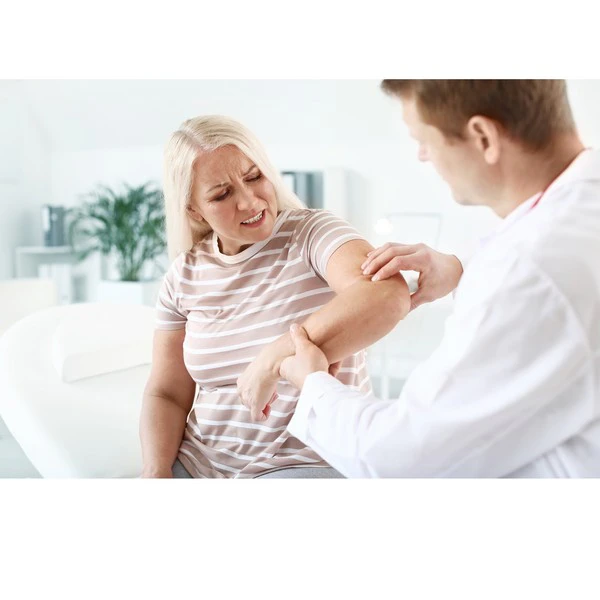
Osteoarthritis happens when a joint becomes worn and painful. It can affect cartilage, bone and the lining inside the joint.
Cartilage is the smooth cover on the ends of bones. It helps bones move with less rubbing during normal movement (1).
A worn joint can hurt during normal life. Pain may show up when you walk, climb stairs or use your hands.
The joint may also feel stiff after sitting or sleeping. The knees, hips and hands are common places for osteoarthritis. The spine and big toe can also be affected.
Some people have mild pain for years before movement gets harder. Other people lose movement faster after an injury or weight gain.
The joint can still feel better with stronger muscles, less body fat and better daily habits. A scan can show joint wear, but daily movement shows how the joint works.
Pain Signals
Pain can come from cartilage, bone or swelling. Weak muscles can also make the joint hurt more. A joint can look worn on a scan and still feel okay.
Another joint can hurt badly while the scan looks less severe. Your pain level is real even when an image does not explain everything.
Walking, stairs and gripping show how the joint handles normal life. These tasks tell you what still works and what needs work.
Long rest often makes the joint weaker. Careful movement can make the joint less stiff. Stronger muscles can make the joint easier to use through the day.
Symptoms
Pain & Stiffness
Joint pain is the main symptom. The joint may hurt when you walk, climb stairs or lift something. Stiffness often feels worse after sitting.
It can also feel worse after sleep. Many people feel looser after gentle movement. Stiffness that lasts for many hours may point to another problem.
Get proper care for sudden severe pain. Get care for fever or major swelling. Get care if the joint locks or gives way.
These signs can mean a different problem is present. Pain that keeps getting worse should not be ignored. A joint that keeps failing during normal movement needs assessment.
Swelling & Noise
A sore joint may swell after heavy use. It may feel warm or tight. Some people hear clicking or grinding.
Joint noise by itself does not always mean damage. A noisy joint with pain should be checked. A swollen joint should be checked too.
- Hand osteoarthritis can cause hard bumps near finger joints.
- Knee osteoarthritis can make stairs harder.
- Hip osteoarthritis can cause groin pain (2).
Less Movement
Osteoarthritis can make a joint harder to bend. A knee may not bend well. A hip may feel tight. Fingers may lose grip strength.
Less movement can make muscles weaker. Weak muscles place more strain on sore joints. This can make pain worse over time.
Full rest is usually a poor long term solution. The joint needs movement it can handle. Pain should guide the amount.
Swelling the next day usually means the work was too much. A better plan uses movement, strength work and rest in the right amounts.

Inflammation Is A Signal
Inflammation can rise from infection, injury, poor sleep, excess sugar, stress or tissue damage.
Main Causes
Old Injury
Old injuries can raise osteoarthritis risk. A torn ligament can change how a joint moves.
A fracture can change how force passes through the joint. The knee is a common site after sports injury (3).
Good rehab after injury is important. The joint needs strength again. It also needs balance and control.
If one side stays weak, the other side may take more strain. This can create pain in a new place over time.
Weak Muscle
Weak muscles make joints work harder. Strong muscles help guide the joint during movement. They also help absorb force when you walk, stand or climb stairs.
Weak thighs can make knee pain worse. Weak hips can make walking harder. Weak grip can make hand pain more obvious.
Exercise can reduce knee osteoarthritis pain. It can also improve daily function (4). Hard training should not be the starting point.
Repeatable training should come first. A sore joint needs strength work that matches your current ability.
Extra Body Fat
Extra body fat can raise knee pain. More body weight means more force through the joint. Body fat can also raise inflammatory signals.
Weight loss with exercise can improve knee pain. It can also improve daily movement in people with excess weight (5).
Fat loss should protect muscle. Losing muscle can make joints less stable. Keep protein high during fat loss.
Lift weights if your body can handle it. Stronger legs help sore knees. A lighter body with stronger legs usually moves better.
High Carb Food
Processed food can replace better food. Sweet snacks, soft drinks and fried food give calories with little use for joint health.
These foods can also make fat loss harder. A diet full of starch and cheap oils can push body fat higher. More body fat can make painful knees worse.
Low carb eating may help some people with knee osteoarthritis. A 2024 study found less pain after a low carb diet in women with knee osteoarthritis (6).
Another trial found more pain relief from low carb eating than low fat eating (7).
Check vs Skip
| Check | Skip |
|---|---|
| Sleep | Single cause claims |
| Blood sugar | Ignoring sugar |
| Infection signs | Ignoring sleep |
| Injury | Random anti inflammatory stacks |
Natural Remedies
Lift Weights
Strength work helps sore joints. Stronger muscles help the joint move with more control. This can make walking easier.
It can also make stairs easier. Start with movements you can control. Use sit to stands, step ups and slow squats. Keep each movement smooth and stop if the joint swells later.
Train two to four days each week if your body allows it. Use a weight you can control. Add weight slowly.
Pain the next day means the work was too much. The joint should feel more useful over time. It should not feel more swollen after every session.
Walk Often
Walking can help osteoarthritis when the amount is right. Short walks can reduce stiffness and keep the joint moving.
Do not force long walks during a flare. Use shorter walks instead. Ten minutes can be enough at the start. More swelling means the amount was too much.
Cycling can help when walking hurts. Water exercise can also help. Choose movement you can repeat without a flare.
Lose Fat Safely
Fat loss can help sore knees and hips. The knee carries body weight all day. Less body fat can reduce strain on the joint.
Keep protein high while losing fat. Meat, eggs and seafood are useful choices. Strength work helps protect muscle.
Avoid crash diets. A smaller body with weaker muscles can still have joint pain. Fat loss should make movement easier.
It should not leave you weak. Better food works best when it is joined with lifting, walking and better sleep.
Eat Collagen Rich Food
Cartilage, tendons and ligaments use collagen. Collagen rich foods give amino acids used in these tissues. A 2024 review found that collagen products improved osteoarthritis pain and function (8).
Use slow cooked meat, bone broth and gelatin rich cuts. Keep complete protein in the diet too. Collagen does not replace meat or eggs.
It works better as part of a diet that already gives enough protein. Joint tissue needs repair material every day, not only when pain flares.
Sleep Better
Poor sleep can make pain feel stronger. It can also reduce the desire to move. This can make stiffness worse.
Get morning sunlight when possible. Keep the room dark at night. Keep caffeine earlier in the day if it affects sleep.
Better sleep can make training easier. It can also help appetite control. A rested body often handles pain better.
Poor sleep can make the same joint feel worse the next day. Sleep should be treated as part of joint care, not as an afterthought.
Inflammation Check
Food & Supplements
Food Choices
Eat foods that help muscle and joint tissue. Meat gives complete protein. Eggs give protein and fat soluble nutrients.
Seafood gives minerals and long chain omega fats. Full fat dairy can help if you tolerate it. Butter and ghee add animal fats.
Avoid grains, seed oils and ultra processed food. Low fat food with starch often leave out the foods that help muscle and connective tissue.
Supplement Options
- Magnesium can help when cramps or poor sleep are an issue.
- Cod liver oil can give you Vitamin A, D and Omega 3.
- Taurine can support muscle function.
- Creatine monohydrate can help strength training.
Supplements cannot replace food. They cannot replace lifting. They cannot replace sleep.
Use them only as extra support when the base is already strong. The base is better food, stronger muscles and better daily movement.
Get Proper Care
Get a proper exam if pain starts after an injury. Get help if the joint locks. Get help if the joint gives way.
Fever or redness needs care. Sudden weakness also needs care. Night pain that keeps getting worse needs care.
A good physical therapist can check how you walk. They can check how you squat. They can check how you use stairs. Rest can help during a flare, but long rest often makes joints weaker. The right care should help you move with more confidence.
For any health concerns or questions about a medical condition, get guidance from a physician or another appropriately trained clinician. Before changing your diet, supplements or health routine, talk with a licensed healthcare professional.
Suggested Posts

Evidence Limits
Research
National Institute of Arthritis and Musculoskeletal and Skin Diseases. 2023. Osteoarthritis. NIAMS.
World Health Organization. 2023. Osteoarthritis. WHO Fact Sheet.
Centers for Disease Control and Prevention. 2024. Osteoarthritis. CDC.
Fransen, M. et al. 2015. Exercise for osteoarthritis of the knee. Cochrane Database of Systematic Reviews. DOI 10.1002/14651858.CD004376.pub3. PMID 26405113.
Messier, S.P. et al. 2013. Effects of intensive diet and exercise on knee joint loads, inflammation and clinical outcomes among overweight and obese adults with knee osteoarthritis. JAMA. DOI 10.1001/jama.2013.277669. PMID 24065013.
Wiggins, A.M. et al. 2024. The effect of a low carbohydrate diet on evoked pain and quality of life in Non Hispanic Black women with knee osteoarthritis. BMC Musculoskeletal Disorders. DOI 10.1186/s12891-024-08198-7. PMID 39702235.
Strath, L.J. et al. 2020. The effect of low carbohydrate and low fat diets on pain in individuals with knee osteoarthritis. Pain Medicine. DOI 10.1093/pm/pnz234. PMID 30742254.
Liang, C.W. et al. 2024. Efficacy and safety of collagen derivatives for osteoarthritis. A trial sequential meta analysis. Osteoarthritis and Cartilage. DOI 10.1016/j.joca.2023.12.010. PMID 38218227.
Bannuru, R.R. et al. 2019. OARSI guidelines for the non surgical management of knee, hip and polyarticular osteoarthritis. Osteoarthritis and Cartilage. DOI 10.1016/j.joca.2019.06.011. PMID 31278997.
Hunter, D.J. and Bierma Zeinstra, S. 2019. Osteoarthritis. The Lancet. DOI 10.1016/S0140-6736(19)30417-9. PMID 31034380.
Kolasinski, S.L. et al. 2020. 2019 American College of Rheumatology Arthritis Foundation Guideline for the Management of Osteoarthritis of the Hand, Hip and Knee. Arthritis Care and Research. DOI 10.1002/acr.24131. PMID 31908149.
Skou, S.T. et al. 2018. Total knee replacement and non surgical treatment of knee osteoarthritis. 2 year outcome from two parallel randomized controlled trials. Osteoarthritis and Cartilage. DOI 10.1016/j.joca.2018.04.014. PMID 29723634.
Honvo, G. et al. 2020. Role of collagen derivatives in osteoarthritis and cartilage repair. A systematic scoping review with evidence mapping. Rheumatology and Therapy. DOI 10.1007/s40744-020-00240-5. PMID 33113112.
Field, R. et al. 2022. Effects of a Low Carbohydrate Ketogenic Diet on Reported Pain, Blood Biomarkers and Quality of Life in Patients with Chronic Pain. Pain Medicine. DOI 10.1093/pm/pnab278. PMID 34534353.
de Paz Lugo, P. et al. 2018. High glycine concentration increases collagen synthesis by articular chondrocytes in vitro. Amino Acids. DOI 10.1007/s00726-018-2638-x. PMID 30171225.
Zeng, C. et al. 2015. Association between dietary magnesium intake and radiographic knee osteoarthritis. PLoS One. DOI 10.1371/journal.pone.0127666. PMID 26005929.