Do Low Carb Diets Require Different Nutrient Targets?

Key Takeaways Nutrient Targets Common nutrient targets were built for broad groups. Most people in those groups ate mixed diets with more starch, sugar, fortified foods and packaged food than a strict low carb eater. A low carb diet changes the food supply. It also changes insulin, water balance and salt handling. Those changes can … Read more

How Popular Health Advice Ignores Ancestral Wisdom

Key Takeaways Classic Advice What You Were Told To Fear You were told to eat less meat, eggs, butter, salt and animal fat. You were also told to eat more grains, cereal, low fat foods, seed oils and so called ‘fortified’ foods with added industrial factory made synthetic vitamins. Many people heard those rules from … Read more

Bee Pollen Nutrition: What It Is & How to Use It

bee pollen

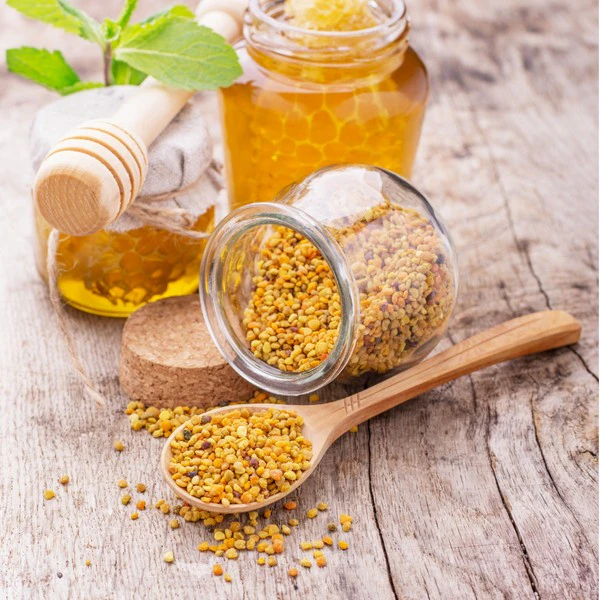
Key Takeaways Bee Pollen Basics What is It Bee pollen is a mix of flower pollen, nectar and bee secretions packed into small granules. Bees collect it from flowering plants and carry it back to the hive as food. Reviews describe it as a complex natural material rather than a single uniform ingredient because its … Read more

Are Green Smoothies Healthy or Harmful?

Key Takeaways Green Smoothie Risks Oxalate Load Green smoothies look clean because they are green, cold and easy to drink. Your kidneys do not judge food by color. They deal with the full load of oxalate, sugar, potassium, nitrate, pesticide residue and plant chemicals inside the glass. Oxalate is a plant compound that binds minerals … Read more

How Your Cells Keep Their Shape Under Pressure

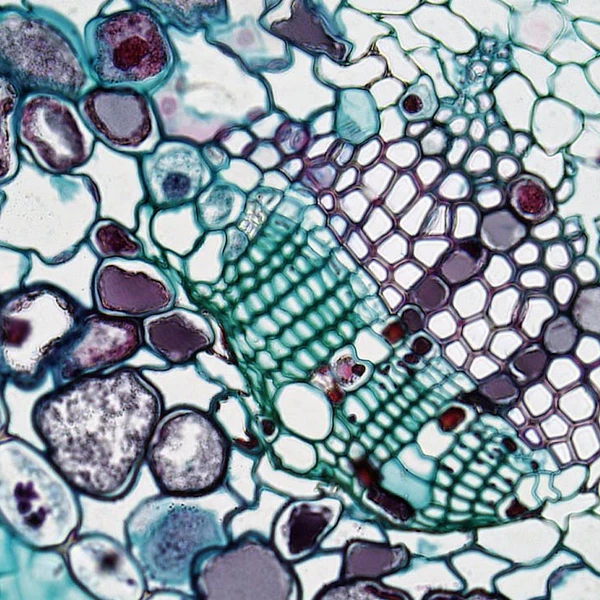
Key Takeaways Cell Shape Basics Cells live under constant pressure. Blood flow pushes on vessel cells, muscles stretch and relax, and immune cells squeeze through tight gaps. A cell stays intact because force gets shared across connected parts, not because one part is strong enough on its own. Mechanotransduction research describes how physical force at … Read more

Ginger For Stomach Relief & Joint Comfort

Key Takeaways Stomach Relief Nausea Support Ginger has the strongest human research for nausea and vomiting. Reviews of randomized trials found benefit in several settings, including general nausea, digestive discomfort and nausea after surgery, though the size of the benefit changed from one study to another (1, 2, 3). Older clinical trials also pointed in … Read more

Antinutrients Guide To Foods Effects & Prep Tips

Key Takeaways What They Do Antinutrients are natural compounds in many plant foods that can reduce how much of a nutrient your body absorbs from a meal. The best known examples are phytate, oxalate, tannins and lectins. (1, 2, 3) Plants make these compounds for their own protection. That protective function helps explain why many … Read more

Is Tea Good for You or Just Overhyped?

tea

Key Takeaways What Tea Gives Nutrition Tea is a drink with a few useful effects, not a serious source of nourishment. A plain cup gives water, caffeine and plant compounds, yet it does not compare with eggs, meat, fish, shellfish or dairy for protein, minerals or vitamins. Large reviews of human studies suggest tea is … Read more
CLA Sources & Fat Loss Facts

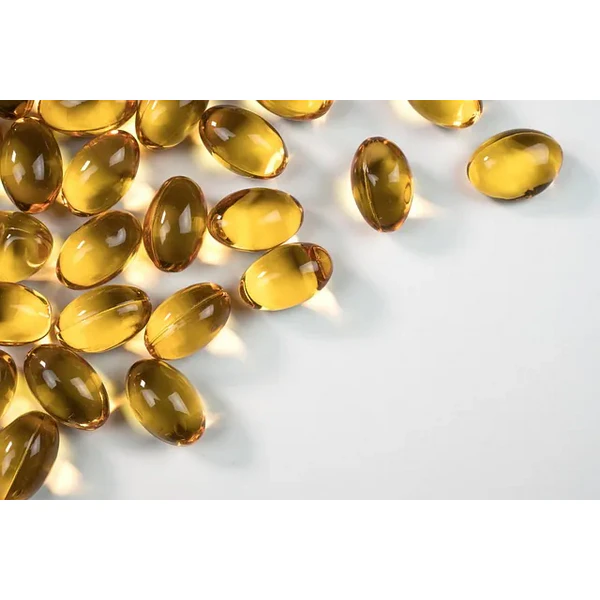
Key Takeaways CLA In Foods CLA Basics Conjugated linoleic acid is a group of fatty acids found mostly in the fat of ruminant animals such as cattle sheep and goats. The main natural form in food is called cis 9 trans 11 CLA. People usually eat it in beef lamb butter cheese and whole milk … Read more
Plant Based Diet Downsides That Can Affect Health

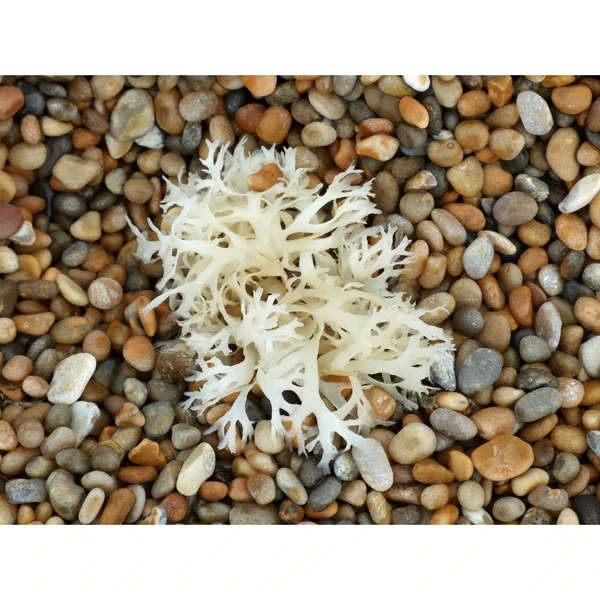
Key Takeaways Nutrient Gaps Vitamin B12 Vitamin B12 is one of the hardest nutrients to cover on a fully plant based diet because dependable natural sources come from animal foods. Reviews comparing vegans with meat eaters keep finding the same problem. Vegans tend to have lower intake and poorer blood status, with the risk rising … Read more

Meat & The Environment Beyond Simple Climate Claims

Key Takeaways Production Systems Matter Pasture & Feedlot Meat does not come from one uniform system. A cow finished in a feedlot with grain from large monocrops has a very different footprint from a cow raised mostly on pasture, and both differ again from mixed systems that use pasture for most of life and grain … Read more

Carnivore Diet Results: What People May Notice & Why

Key Takeaways Early Changes Hunger Drops Meat, eggs, seafood and animal fat give your body dense food without sugar. Many people notice fewer snack thoughts because protein and fat slow the rush back to hunger. A review of ketogenic diets found that hunger often stays lower during weight loss, even when weight loss usually makes … Read more

Tallow: Benefits, Uses & Nutrition

Key Takeaways Tallow is a stable cooking fat made from rendered beef or mutton fat. It gives energy, supports heat based cooking, and adds rich taste. Beef tallow has mostly saturated and monounsaturated fats, with very little water. Skin use may help dryness, though strong human studies are still limited. Quality, source, and how you … Read more

Vegetable Oil Health Risks: What Evidence Really Shows

vegetable oil

Key Takeaways What is Seed Oil The name vegetable oil deliberately creates the false impression of squeezing carrots and cabbages. The true source of so called vegetable oil usually means a liquid fat pressed and or chemically extracted from garbage seeds. Common types include soybean, rapeseed and safflower. Many of these oils have a high … Read more

Nutritional Yeast for Health: What the Research Shows

nutritional yeast

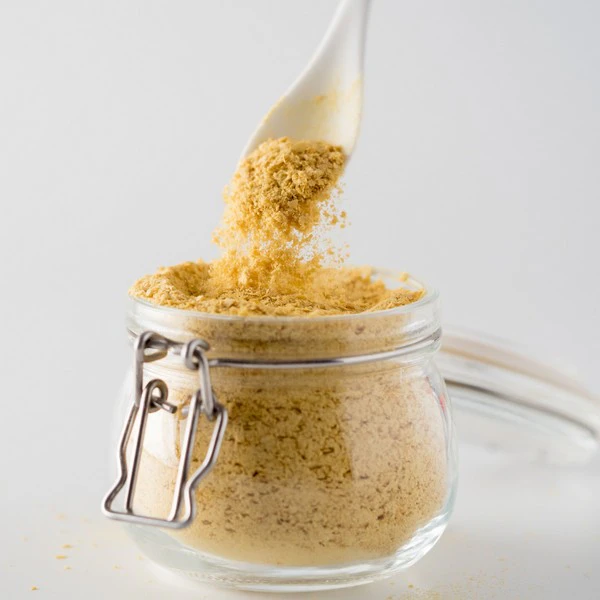
Key Takeaways What is Nutritional Yeast Inactive Yeast Nutritional yeast is an inactive form of Saccharomyces cerevisiae sold as flakes or powder with a savory taste. Harvard Health describes it as a seasoning used for a cheese like flavor, not as a stand alone staple food (1). Most people use one to three tablespoons at … Read more
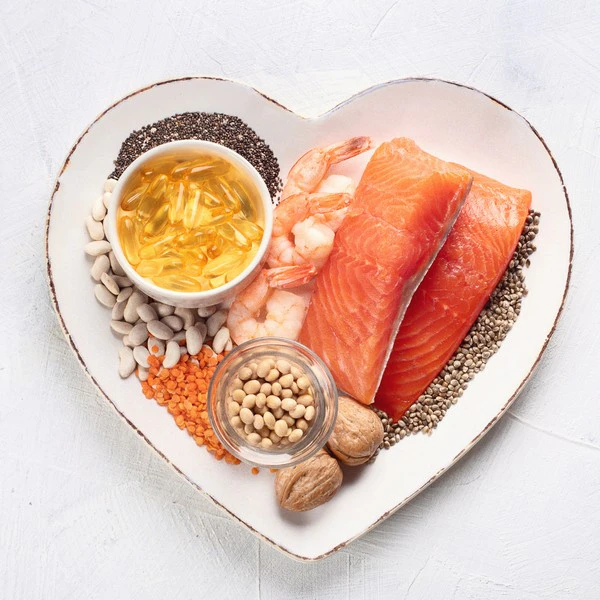
Ultra-Processed Foods Health Effects Backed By Evidence

ultra processed food

Key Takeaways NOVA Basics Ultra-processed foods are not just foods that were cooked, canned or frozen. In the NOVA system, they are industrial formulations made with ingredients such as refined starches, sugars, oils, protein isolates, flavorings, colors, emulsifiers and sweeteners. These products are built to be ready to eat, highly tasty and easy to overuse … Read more

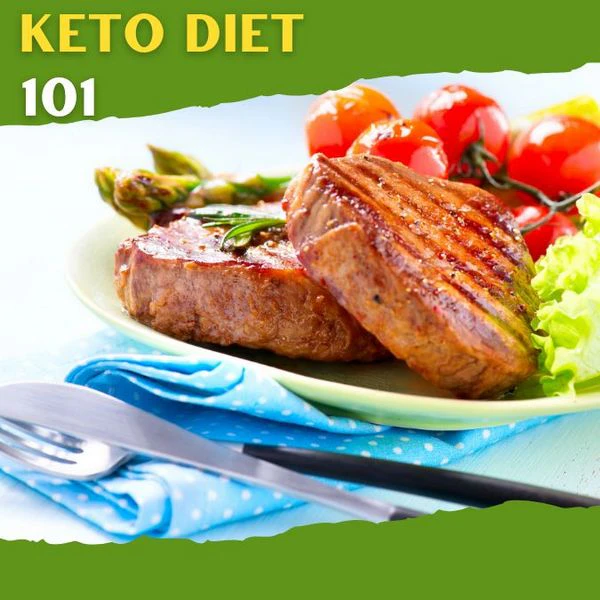
Protein Claims On Product Labels Vs Actual Ingredients

Key Takeaways Protein Claims Spread Wide Protein Halo Protein claims are no longer limited to tubs of powder. They now sit on candy like bars, breakfast cereal, yogurt cups, puddings, chips, cookies, frozen meals, and bottled drinks. That front label can pull the eye to one good sounding number while the rest of the product … Read more

Cod Liver Oil Benefits For Heart, Joint & Bone Health

Key Takeaways Natural Vitamin D & Omega 3 Real Vitamin D Cod liver oil gives natural vitamin D in a whole food form alongside marine fats and retinol. Many people do better with that kind of package than with isolated fortified products or stand alone synthetic pills. Vitamin D supports immune signaling, calcium handling and … Read more

Top Signs Of Nutrient Deficiency

nutrient deficiency

Key Takeaways Low Energy Tired All Day Ongoing fatigue is one of the most common warning signs of nutrient deficiency. Iron deficiency can cut stamina, lower exercise tolerance, and make it harder to think clearly. Low B12 can do the same, especially when it affects red blood cells or nerve tissue. Low vitamin C and … Read more

11 Trace Minerals Benefits That Support Whole Body Health

trace minerals

Key Takeaways Trace minerals are minerals the body needs in tiny amounts. Tiny does not mean small value. These nutrients help cells work, carry oxygen, heal cuts, build thyroid hormones, and protect tissues from damage. The body cannot make trace minerals on its own. Food has to bring them in day after day. When intake … Read more

Healthy Fat: Is Butter Better?

butter

Key Takeaways Butter As Traditional Fat Cream To Butter Butter starts as cream. Cream comes from milk, then churning brings the fat together into a solid dairy fat. People used butter long before factory spreads, refined seed oils, food gums, bleaching steps or lab made fat blends entered the food supply. Traditional butter has a … Read more

Ketogenic Diet Benefits: What Science Says

keto

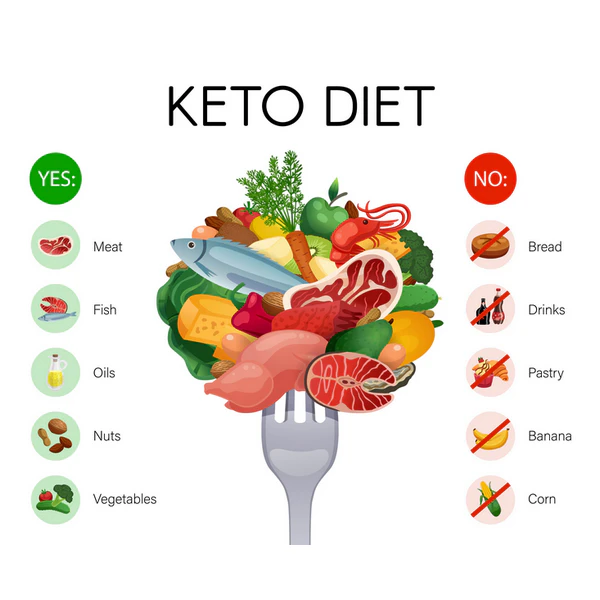
Key Takeaways Keto Basics Fuel Shift A ketogenic diet keeps carbs very low so your body makes more ketones. Ketones come from fat. Your liver makes them when sugar from food drops low enough. Many people use keto for fat loss because it removes the main foods that keep hunger high and blood sugar moving … Read more

TMAO Red Meat & Heart Health

Key Takeaways Trimethylamine N-oxide Name & Path Trimethylamine N-oxide is a small compound found in blood and urine. The body can make it after gut microbes break down parts of food such as choline, carnitine, and betaine. The liver then turns that first byproduct into TMAO through a second step ((Mueller et al., 2015); (Tang … Read more

EWG Dirty Dozen 2026 Guide

Key Takeaways What The List Shows Dirty Dozen Basics The Environmental Working Group, or EWG, updates its Dirty Dozen list each year. The 2026 guide ranks 12 fruits and vegetables with the highest pesticide concerns in EWG’s review of U.S. produce testing data. This year’s list is spinach, kale collard mustard greens, strawberries, grapes, nectarines, … Read more

Is Sugar Actually Bad for You? Facts About Health Effects

sugar

Key Takeaways What Sugar Means Added Sugar Sugar is a fast burning carbohydrate found in fruit and many packaged foods. The main health problem in modern diets is added sugar that shows up all day in yogurt, cereal, sauces, and snack foods. The FDA requires added sugars to be listed on the Nutrition Facts label … Read more

Eggs: A Comprehensive Guide

Key Takeaways Egg Nutrition Protein & Fat Eggs are one of the easiest whole foods to use every day. They give complete protein, natural fat and important nutrients in a small package. Complete protein means the egg gives all essential amino acids your body must get from food. Protein helps repair muscle, skin, organs, hair … Read more

Protein: You Probably Need More

Key Takeaways Protein Basics Daily Repair Protein is made from amino acids. Your body uses amino acids to repair muscle, skin, bone, tendons, hair, nails and organs. You use protein every day, even when you do not train. Walking, lifting, working, healing and normal aging all create repair work inside the body. Muscle is one … Read more