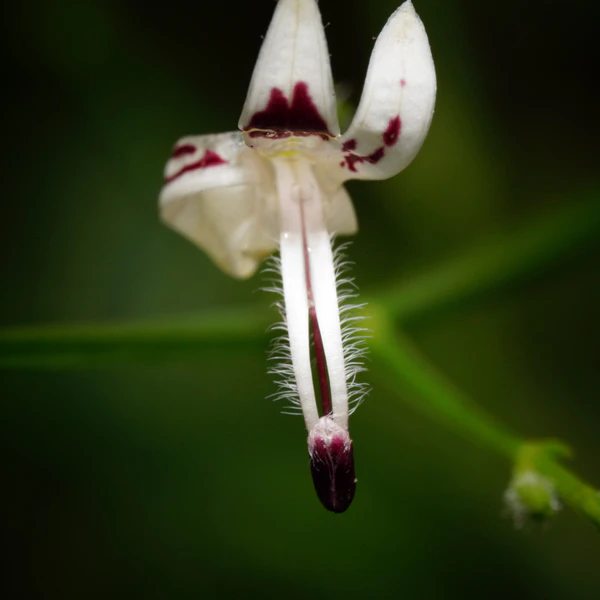
Key Takeaways
- Andrographis helped ease cold symptoms in some trials, although the improvement did not always last.
- A trial in people with bowel inflammation found some benefit, but the disease rarely disappeared completely.
- Nausea and diarrhoea have occurred in trials, and serious allergic reactions have been reported outside trials.
- Australia restricted new low risk andrographis medicines in September 2026 after hundreds of severe allergy reports.
- People taking regular medicines or planning pregnancy should avoid self treatment with concentrated andrographis products without advice.
Andrographis is a bitter herb used in traditional Indian and Chinese medicine. You can find it in capsules, tablets and liquid extracts sold for colds and sore throats.
Uses & Human Studies
Colds & Sore Throats
Andrographis contains a natural compound called andrographolide. Researchers have studied whether this compound and other substances in the plant can help people recover from respiratory infections.
In 2010, researchers tested an andrographis extract called KalmCold in 223 adults with mild respiratory infections. Half received the extract, while the others received a placebo.
Both groups started feeling better during the study. However, by the fifth day, the people taking andrographis reported less coughing, sore throat and other cold symptoms than those taking the placebo.
The researchers also found that the overall improvement in symptoms was greater among people receiving andrographis. The study lasted only five days, so it could not tell us whether the extract prevented complications or produced lasting benefits. (1)
A larger trial published in 2023 tested another andrographis extract in 300 people with common cold symptoms.
Participants received either 200 or 400 milligrams of the extract daily, or a placebo, for seven days.
By the third day, both andrographis groups reported less severe symptoms than those taking the placebo. However, by days five and seven, the difference between the groups was no longer clear.
The extract was supplied by a company that also funded the study. No participants reported unwanted physical symptoms during the short trial, although later safety reports have identified serious reactions involving andrographis products. (2)
Researchers have also examined results from many older trials.
A 2017 review included 33 controlled trials involving 7,175 people with respiratory infections. Overall, those taking andrographis reported less coughing and sore throat pain than people receiving a placebo.
Some studies also found that people recovered sooner.
However, many trials were poorly designed, and researchers used different extracts and combinations of herbs. The authors could not confidently determine how much benefit people would get from a particular product. (3)
Gut Inflammation
Andrographis has also been tested in people with ulcerative colitis, a disease that causes inflammation and sores inside the large intestine.
People with ulcerative colitis may experience diarrhoea, abdominal pain and bleeding. The illness can improve for a while and then become worse again.
In 2013, researchers tested an andrographis extract called HMPL 004 in 224 adults with mild or moderate ulcerative colitis.
Participants received either 1,200 milligrams of the extract, 1,800 milligrams or a placebo every day for eight weeks.
Among those taking the higher amount, 60% experienced an improvement in their illness. About 40% of the placebo group also improved.
The lower amount did not work significantly better than the placebo.
The researchers also checked whether the disease had improved enough to count as remission. They found no clear difference between the extract and placebo groups on that measurement.
Unwanted effects occurred in all three groups at similar rates. The trial provides some evidence of benefit, although eight weeks is too short to determine whether the treatment helps people avoid future flare ups. (4)
People with ulcerative colitis should not replace their prescribed treatment with andrographis. The disease can cause serious complications when inflammation remains uncontrolled.
Joint Pain
Researchers have tested andrographis in people with rheumatoid arthritis, a disease in which the immune system attacks the joints.
Rheumatoid arthritis can cause pain, swelling and stiffness. It can also permanently damage joints when the disease is not properly controlled.
A 2009 study involved 60 patients who received either an andrographis extract or a placebo for fourteen weeks.
People taking andrographis reported some improvement in joint pain. However, the difference in the main pain measurement was too small to show that the extract worked better than the placebo.
Researchers also recorded improvements in joint swelling and some other measurements during treatment.
The study was small, and several findings were based on changes within the treatment group rather than clear differences between the groups. Larger trials would be needed before andrographis could be considered a reliable treatment for rheumatoid arthritis. (5)
Other Health Claims
COVID Research
During the COVID pandemic, researchers tested andrographis because laboratory experiments showed that some compounds in the plant could interfere with viruses.
Human trials have produced less impressive results.
One study in Thailand compared andrographis with a placebo in adults who had mild COVID symptoms or had tested positive without feeling ill.
A total of 165 people completed the trial. They received their treatment for five days, and researchers checked their symptoms and whether their illness became more severe.
Both groups improved during treatment. The researchers found no clear difference between the groups in overall recovery or worsening illness.
People taking andrographis reported earlier improvement in headache and loss of smell. However, the extract did not significantly reduce the chance of their illness becoming more severe.
Some participants experienced mild diarrhoea, and researchers found no liver or kidney problems during the short treatment period. (6)
Andrographis has not been proven to prevent COVID, reduce hospital admissions or protect people from serious complications. A few improvements in individual symptoms cannot answer those larger questions.
Immune Effects
Laboratory experiments show that andrographolide can affect how certain immune cells respond to inflammation. Researchers have also tested whether it changes substances involved in the body’s response to infection.
These findings help explain why andrographis has been studied for colds and inflammatory diseases.
However, changing the activity of immune cells does not guarantee better protection against illness. The immune system needs to respond to infections without causing unnecessary damage to healthy tissue.
Researchers have not shown that taking andrographis every day prevents common infections in healthy adults. They also have very little information about what happens when someone takes concentrated extracts for several years.
Side Effects & Allergies
Severe Allergic Reactions
The most serious concern is anaphylaxis, a sudden allergic reaction that can become life threatening within minutes.
Anaphylaxis can cause swelling of the tongue or throat, difficulty breathing and a dangerous fall in blood pressure. It requires immediate emergency treatment.
Australia’s Therapeutic Goods Administration has received hundreds of reports of allergic reactions linked to products containing andrographis.
Its updated safety review recorded 287 reports of anaphylaxis up to December 31, 2025. One person died after a reported reaction in June 2024.
Some people reacted the first time they took a product. Others had taken andrographis before without experiencing problems.
Many reported reactions involved products containing several herbs, making it difficult to identify the responsible ingredient in every case.
However, the Australian regulator concluded that andrographis itself posed a serious enough risk to require stronger action. (7)
A previous uneventful experience with andrographis does not guarantee that the next dose will be safe.
If you develop itching, hives or swelling after taking a product containing andrographis, stop using it and seek medical advice. Trouble breathing, throat swelling or fainting requires emergency treatment.
Other Reactions
Human trials have reported nausea, vomiting and diarrhoea after people took andrographis extracts. Some participants also experienced dizziness, tiredness or skin rashes.
These problems were usually mild during the short trials, and many participants completed treatment without reporting any side effects.
However, researchers often tested the products for only a few days or weeks. Those studies could not reliably detect rare reactions or problems that develop after long term use.
A product containing several herbs may also cause reactions that are difficult to trace to one ingredient.
Pregnancy & Medicines
There is too little human research to establish whether concentrated andrographis products are safe during pregnancy or breastfeeding.
Some animal experiments have raised concerns about possible effects on fertility and pregnancy. Researchers have not established whether those findings apply to people.
Anyone who is pregnant, breastfeeding or trying to conceive should avoid andrographis unless an appropriately trained clinician has advised otherwise.
There are also concerns about interactions with medicines.
Laboratory and animal studies suggest that andrographis may affect blood pressure and blood clotting. Researchers have also examined whether it changes the way the body processes certain medicines.
These effects have not been fully tested in people, so the size of the risk remains uncertain.
The US National Institutes of Health advises caution with medicines that lower blood pressure, reduce blood clotting or suppress the immune system. People taking regular medication should check with their clinician before using andrographis. (8)
Products & Current Safety
Different Extracts
Andrographis supplements can contain dried leaves, whole plant powder or concentrated extracts. The amount of andrographolide can vary greatly between them.
Some manufacturers list the total amount of extract, while others state how much andrographolide the product contains.
For example, a capsule containing 400 milligrams of an extract is not necessarily equivalent to 400 milligrams of dried plant material.
Studies have used different preparations and amounts. A product that worked in one trial may contain different ingredients from the supplement available in a shop.
Some cold and flu products also combine andrographis with echinacea and other herbs. Both andrographis and echinacea have been linked with serious allergic reactions.
Buying a product from a familiar brand does not remove the risk of anaphylaxis.
Australia’s 2026 Restrictions
On September 17, 2026, Australia stopped allowing andrographis in new medicines sold through its lower risk medicine system.
The government made this decision after reviewing reports of severe allergic reactions and examining whether stronger warning labels would be enough to protect consumers.
The authorities decided that the danger could not be controlled adequately through the existing system.
The change did not immediately remove every andrographis product already being sold. Some existing products remained available while regulators considered further action.
In October 2026, manufacturers began recalling certain products containing the herb. Australia’s regulator advised consumers not to use the affected products. (9)
These restrictions apply to Australia’s medicine rules. Other countries may regulate andrographis differently.
However, the safety reports are relevant wherever the herb is sold.
Weighing The Benefits
Andrographis helped relieve cold symptoms in several human trials, especially during the first few days of illness. Researchers also found some improvement in people with ulcerative colitis.
However, the benefits were inconsistent, and studies involving other conditions have not produced convincing results.
The risk of severe allergic reactions is more concerning than the mild side effects recorded in earlier trials.
Australia’s decision shows how much the understanding of andrographis safety has changed as more people have used it.
If you are considering andrographis for a cold or another health problem, discuss the reported allergy risk and possible medicine interactions with a qualified clinician.
The current evidence does not justify treating it as a harmless supplement for everyday immune support.
For any health concerns or questions about a medical condition, get guidance from a physician or another appropriately trained clinician. Before changing your diet, supplements, or health routine, talk with a licensed healthcare professional.
Suggested Posts
Research
Saxena, R.C. et al. (2010) ‘A randomized double blind placebo controlled clinical evaluation of extract of Andrographis paniculata (KalmCold) in patients with uncomplicated upper respiratory tract infection’, Phytomedicine, 17(3–4), pp. 178–185.
Raj, J.P. et al. (2023) ‘Efficacy and safety of AP-Bio (KalmCold) in participants with uncomplicated upper respiratory tract viral infection (common cold): A phase III, double-blind, parallel group, randomized placebo-controlled trial’, Complementary Therapies in Medicine, 73, 102934.
Hu, X.Y. et al. (2017) ‘Andrographis paniculata (Chuān Xīn Lián) for symptomatic relief of acute respiratory tract infections in adults and children: A systematic review and meta-analysis’, PLOS ONE, 12(8), e0181780.
Sandborn, W.J. et al. (2013) ‘Andrographis paniculata extract (HMPL-004) for active ulcerative colitis’, American Journal of Gastroenterology, 108(1), pp. 90–98.
Burgos, R.A. et al. (2009) ‘Efficacy of an Andrographis paniculata composition for the relief of rheumatoid arthritis symptoms: a prospective randomized placebo-controlled trial’, Clinical Rheumatology, 28(8), pp. 931–946.
Kanokkangsadal, P. et al. (2023) ‘Andrographis paniculata extract versus placebo in the treatment of COVID-19: a double-blinded randomized control trial’, Research in Pharmaceutical Sciences, 18(6), pp. 592–603.
Therapeutic Goods Administration (2026) ‘Andrographis paniculata (Andrographis) and anaphylaxis: updated safety review and supplementary report’. Australian Government, 8 April.
National Institutes of Health, Office of Dietary Supplements (2025) ‘Dietary Supplements for Immune Function and Infectious Diseases’, Health Professional Fact Sheet.
Therapeutic Goods Administration (2026) ‘Andrographis recalls: Concerns over allergy risk’. Australian Government, 1 October, updated 16 October.
Thamlikitkul, V. et al. (1991) ‘Efficacy of Andrographis paniculata, Nees for pharyngotonsillitis in adults’, Journal of the Medical Association of Thailand, 74(10), pp. 437–442.
Melchior, J. et al. (2000) ‘Double-blind, placebo-controlled pilot and phase III study of activity of standardized Andrographis paniculata Herba Nees extract fixed combination (Kan jang) in the treatment of uncomplicated upper-respiratory tract infection’, Phytomedicine, 7(5), pp. 341–350.
Cáceres, D.D. et al. (1999) ‘Use of visual analogue scale measurements (VAS) to assess the effectiveness of standardized Andrographis paniculata extract SHA-10 in reducing the symptoms of common cold. A randomized double blind-placebo study’, Phytomedicine, 6(4), pp. 217–223.
Poolsup, N. et al. (2004) ‘Andrographis paniculata in the symptomatic treatment of uncomplicated upper respiratory tract infection: systematic review of randomized controlled trials’, Journal of Clinical Pharmacy and Therapeutics, 29(1), pp. 37–45.
Thompson Coon, J. and Ernst, E. (2004) ‘Andrographis paniculata in the treatment of upper respiratory tract infections: a systematic review of safety and efficacy’, Planta Medica, 70(4), pp. 293–298.
Tan, M.L. and Lim, L.E. (2015) ‘The effects of Andrographis paniculata extract and diterpenoids on the CYP450 isoforms’ activities, a review of possible herb–drug interaction risks’, Drug and Chemical Toxicology, 38(3), pp. 241–253.
Therapeutic Goods Administration (2024) ‘Medicines containing Andrographis paniculata safety advisory’. Australian Government, 2 July.
Therapeutic Goods Administration (2026) ‘High-moderate risk changes to permissible ingredients: Andrographis paniculata 2026’. Australian Government, 18 September.
Therapeutic Goods Administration (2015) ‘Products containing Andrographis paniculata’. Australian Government, 8 October.