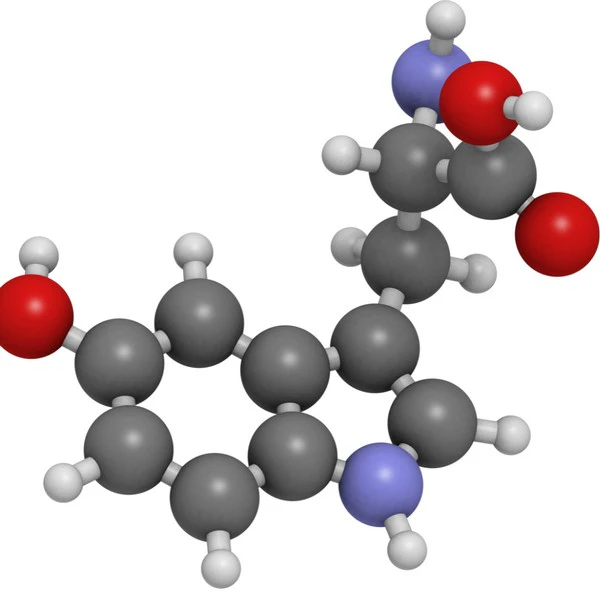
5 HTP Effects, Safety, Risks & Uses

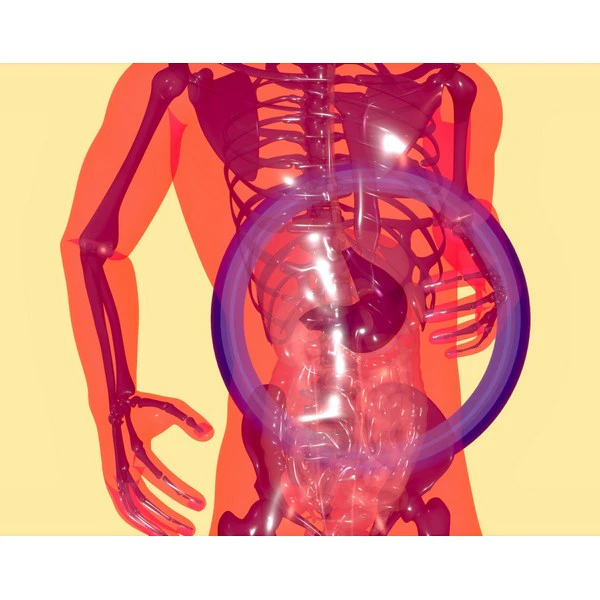
Key Takeaways 5 HTP Basics 5 HTP is short for 5 hydroxytryptophan. Your body makes it from tryptophan, which is an amino acid found in food. It sits on the path toward serotonin, a chemical involved in mood, sleep, appetite and pain signaling. Supplement makers sell 5 HTP as a direct way to raise serotonin, … Read more

How Saffron Affects Your Health

saffron

Key Takeaways Saffron & The Body Plant Compounds Saffron comes from the dried red stigma of Crocus sativus. It has been used for a long time in cooking and traditional healing. Modern research focuses on compounds such as crocin and safranal because they may affect the brain, the nervous system and oxidative stress. Most of … Read more

How Taurine Improves Sleep, Focus & Workout Recovery

Key Takeaways Taurine Basics Taurine is an amino sulfonic acid found throughout the body. Taurine does not build muscle protein the way most amino acids do. Taurine stays in cells as a free compound, with high levels in the heart, skeletal muscle and retina. Reviews of taurine biology describe it as abundant in many tissues … Read more

How Humic & Fulvic Acids Affect Your Health

humic fulvic

Key Takeaways What Are They Humic and fulvic acids are carbon rich compounds formed when plants and microbes break down over long periods. They show up in soil, peat, lignite and shilajit, which is why labels often use those terms loosely. Product labels blur those categories far too often. Some formulas contain mostly fulvic acid, … Read more

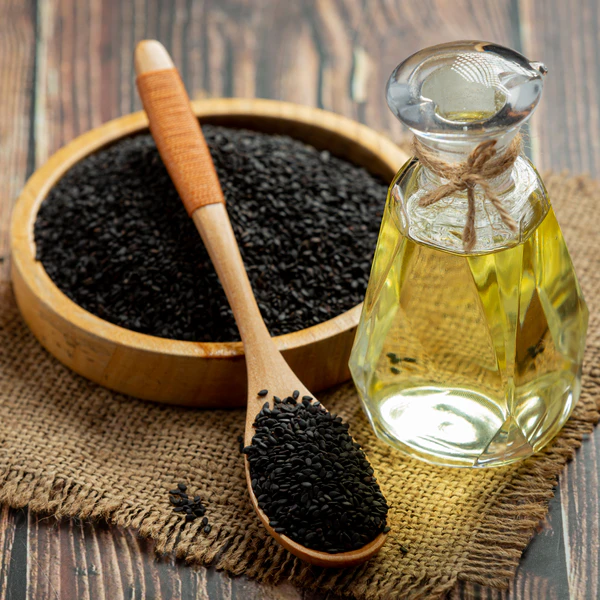
Can Black Seed Oil Help Hair, Skin & Overall Wellness?

Key Takeaways Black Seed Oil Benefits Nigella Sativa Black seed oil comes from the seeds of Nigella sativa, a plant often called black cumin. Most discussion of black seed oil benefits centers on thymoquinone, a compound studied for anti inflammatory and antioxidant activity. Human research exists, but much of it is still early, condition specific … Read more

Are Plant Sterols Safe?

plant sterols

Key Takeaways LDL Lowering Limits Short Trial Effects Plant sterols lower LDL in many short human trials by reducing part of cholesterol absorption in the gut. That finding is consistent across controlled studies and pooled reviews that used fortified foods or sterol enriched products (1, 2, 3). The usual drop is modest and often lands … Read more

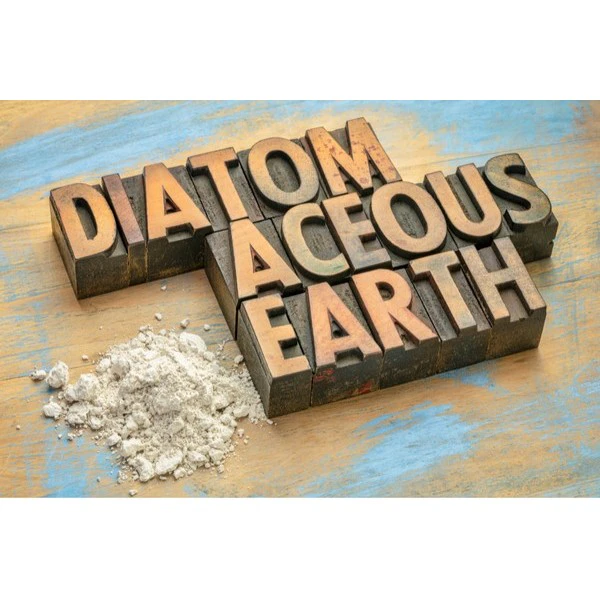
Diatomaceous Earth For Everyday Natural Use

Key Takeaways Diatomaceous Earth Basics What Is It Diatomaceous earth is a soft powder made from fossil algae called diatoms. Most products are mainly silica, often described as amorphous silica rather than crystalline silica. People use it in homes, gardens and some personal routines. Uses range from dry pest control to adding small amounts to … Read more

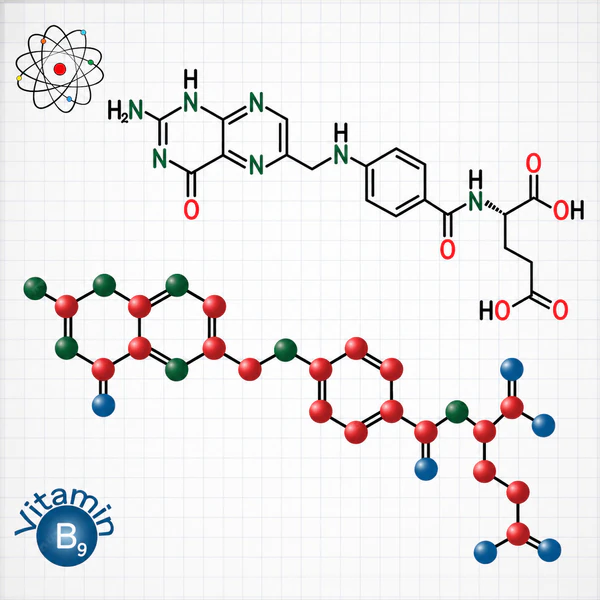
Synthetic B Vitamins Vs Natural & Health Risks

Key Takeaways Factory B Vitamins Chemical Production Synthetic B vitamins are made in chemical plants and industrial vats. They are not grown in real food. They are made through reactions, fermentation, conversion, purification, drying and powder handling. The label shows a vitamin name. The label does not show the chemical work used to make it. … Read more

Synthetic Zinc Supplements: Risks & Dangers

zinc

Key Takeaways Zinc Pills Synthetic Zinc Synthetic zinc is zinc put into pills, capsules, drops, lozenges and drink powders. Common forms include zinc gluconate, zinc sulfate and zinc acetate. These products give zinc by itself. Food does not work that way because food gives zinc with other minerals, fat and protein. Adults have an upper … Read more

Supplements Explained: Benefits & Risks

Key Takeaways Supplements are products that add vitamins, minerals, herbs, amino acids or other substances to the diet. They can help in some cases, but they are not a stand-in for meals built from real food [NIH ODS, 2023]. Food has protein, fat, minerals and other compounds together in a form the body knows well. … Read more

Iodine & What the Highest Quality Evidence Shows

Key Takeaways What Iodine Does Thyroid Hormone Iodine is a trace mineral the body uses to make thyroid hormone. These hormones help control growth, brain development, body heat, and energy use. The need for iodine rises in pregnancy because the mother must support her own thyroid system and the developing baby’s brain at the same … Read more
Vitamin E Complex Guide To Tocotrienols & Tocopherols

Key Takeaways Vitamin E Complex Four Tocopherols Vitamin E is a fat soluble nutrient family. It includes alpha, beta, gamma and delta tocopherol. It also includes alpha, beta, gamma and delta tocotrienol. Many labels still treat vitamin E as if alpha tocopherol is the whole story, though the full family has eight natural forms with … Read more

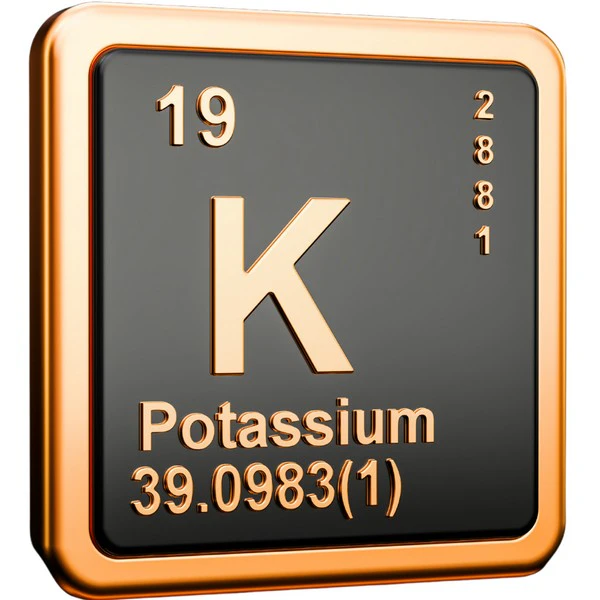
Potassium Benefits & Sources

potassium

Key Takeaways Potassium is a mineral the body needs each day. It helps cells hold the right amount of fluid, helps nerves send signals, and helps muscles squeeze and relax. This mineral also works with sodium. When that balance is off, blood pressure, muscle function, and heart rhythm can suffer (Palmer, 2015). What Potassium Does … Read more
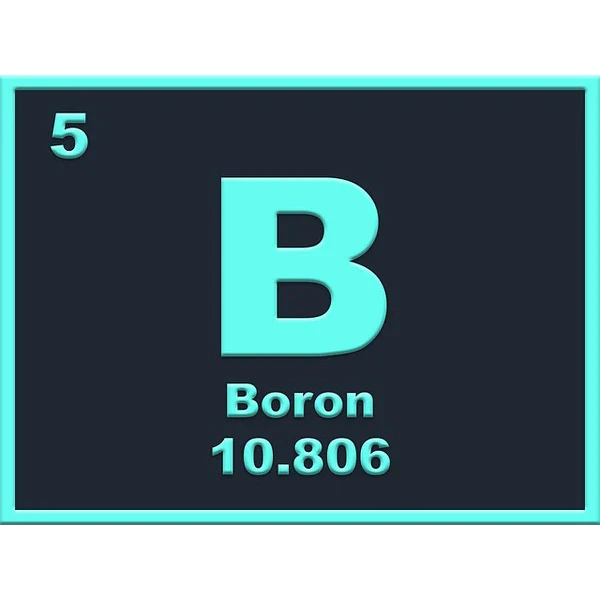
Boron a Small Mighty Mineral With Big Health Benefits

boron

Key Takeaways Boron Basics Small But Useful Boron is a trace mineral. Your body only needs a small amount, but small does not mean weak. Boron is tied to bone health, mineral use, joint comfort, brain function and normal hormone signals. Human research is still limited, but several studies show real reasons to take boron … Read more
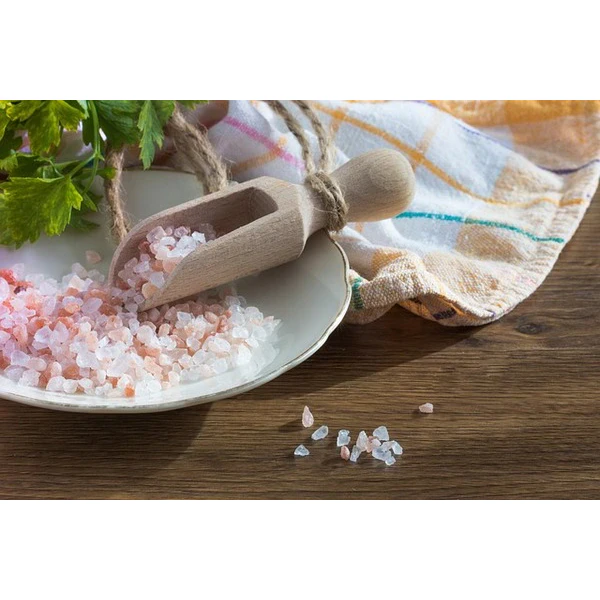
Unrefined Sea Salt Benefits & Uses

Sea Salt

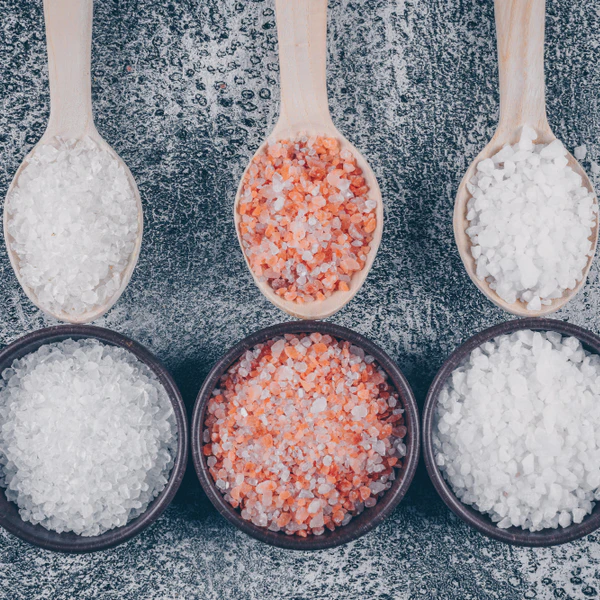
Key Takeaways Salt Origins Sea salt health benefits begin with origin and handling, because sea salt comes from seawater that dries down into crystals, while common table salt usually goes through heavier refining so the finished product looks whiter, flows faster, and behaves the same way in factories, storage, and packaging. Britannica’s overview of salt … Read more
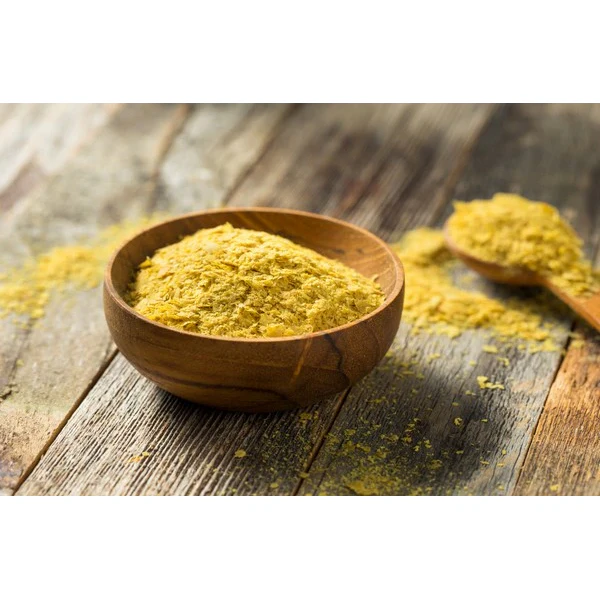
TMG Betaine Anhydrous: Uses, Safety, Dosage Basics

TMG

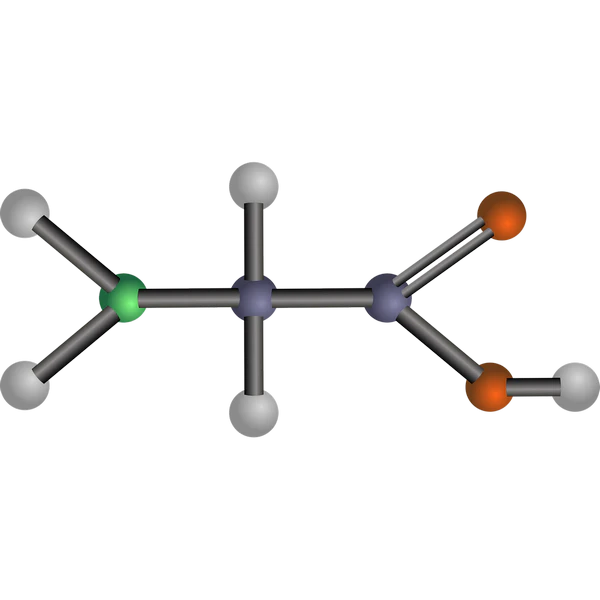
Key Takeaways TMG is short for trimethylglycine. Many labels call it betaine anhydrous. Most of the time, those two names point to the same supplement ingredient. People use it for lab support, exercise goals, and sometimes liver goals. TMG can help in a narrow set of cases, and it can also feel wrong for some … Read more
Whole Food Vitamin C Complex Guide To Real Sources

Key Takeaways Real Vitamin C Sources Food Comes First Whole food vitamin C means you get vitamin C from real food or dried whole food powders. You get ascorbate inside a wider food package, with polyphenols, minerals, organic acids and other plant compounds. Acerola, amla and camu camu are common whole food sources because they … Read more

Magnesium Benefits for Modern Life, Stress, Sleep & Cellular Energy

Key Takeaways Magnesium & Energy Cell Energy Your body uses magnesium every time your cells make energy. ATP is the small energy carrier inside your cells. Magnesium attaches to ATP so your body can use that energy for muscle movement, brain signals and normal repair (1). Low magnesium gives your cells less help with daily … Read more
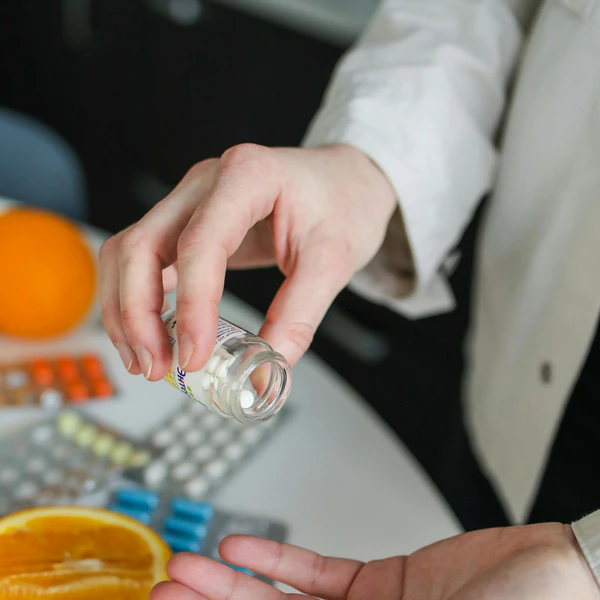
11 Trace Minerals Benefits That Support Whole Body Health

trace minerals

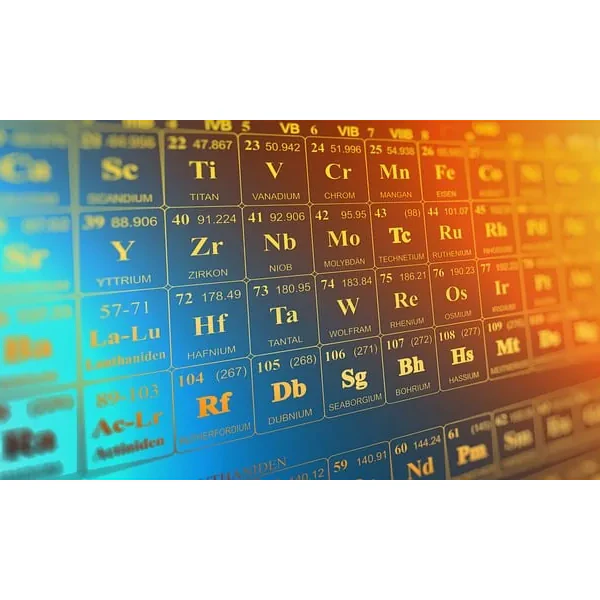
Key Takeaways Trace minerals are minerals the body needs in tiny amounts. Tiny does not mean small value. These nutrients help cells work, carry oxygen, heal cuts, build thyroid hormones, and protect tissues from damage. The body cannot make trace minerals on its own. Food has to bring them in day after day. When intake … Read more
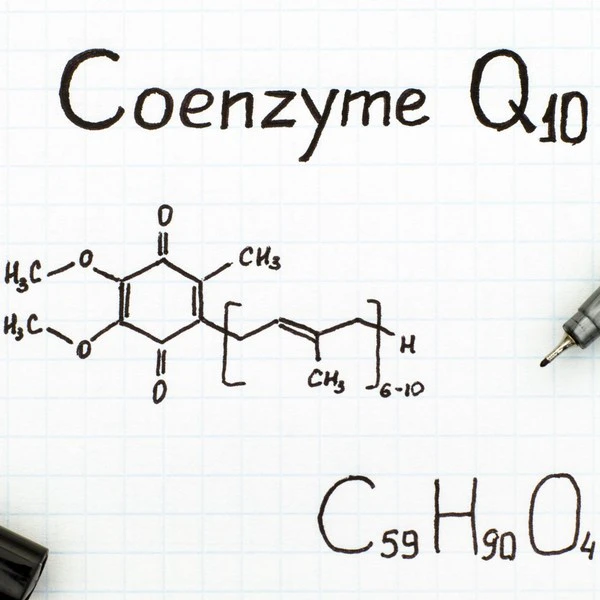
Copper Health Benefits For Everyday Wellness

Key Takeaways Copper In Daily Health Energy Copper helps the body make usable energy from food at the cell level. That link reaches into ordinary daily life because every tissue depends on steady fuel for movement repair warmth and clear thinking. Copper supports enzymes inside mitochondria, the small parts of cells that turn food into … Read more
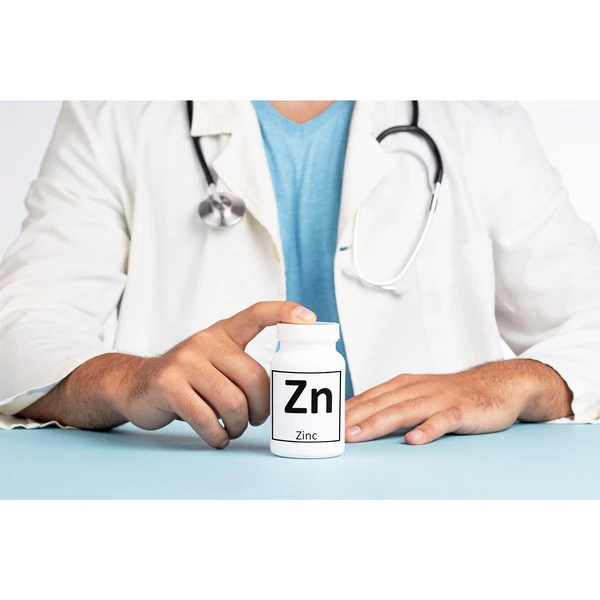
Proteolytic Enzymes & Heart Health: What the Research Shows

Key Takeaways Blood needs to flow with ease. The body makes clots to stop bleeding, then clears them when the job is done. This clean up step helps keep blood moving through small and large vessels. A group of enzymes may help with that process. These include nattokinase, serrapeptase, lumbrokinase, and bromelain. Each one works … Read more

Natural vs Synthetic Nutrients: Hidden Long Term Risks

Key Takeaways Core Chemistry Same Molecule Basics A natural nutrient and a lab made nutrient can share the same basic chemical shape. In that narrow sense, the molecule can bind to the same enzyme or transporter in the body. Many synthetic products can raise blood levels of a given nutrient. Still, human health does not … Read more