
Key Takeaways
- Autophagy helps cells break down worn parts and reuse some of the material.
- Fasting can raise autophagy signals, but human proof is still limited.
- Exercise can affect autophagy in muscle, though the response depends on the workout.
- Sleep supports the body clocks that help repair work happen at the right time.
- Autophagy works best as a daily rhythm, not a chase for extreme stress.
Autophagy Basics
Cell Cleanup
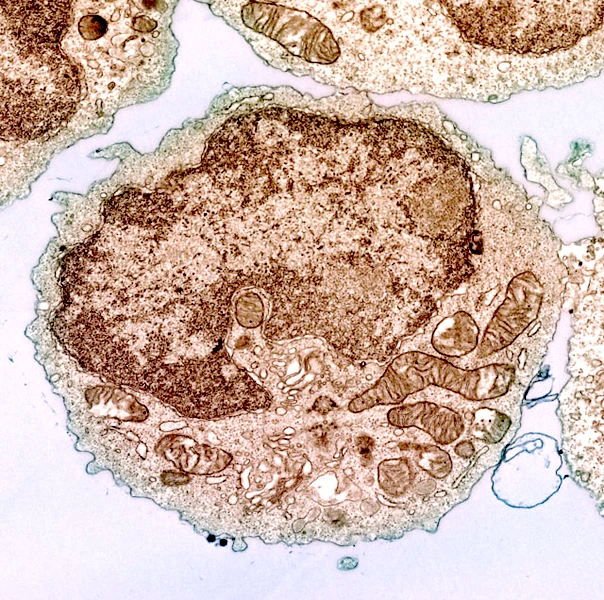
Autophagy is a normal cell process. Cells use it to break down damaged parts, old proteins and other waste inside the cell. Some of the material can then be reused for repair and energy.
This process rises when cells face stress. Food shortage, exercise and normal repair signals can all affect it.
A review describes autophagy as a lysosome based cleanup system that helps cells adapt to stress and keep internal balance (1).
Autophagy is not a feeling. Hunger, sweat or soreness do not prove that autophagy is high. Most claims online go beyond what people can measure at home.
Human Evidence
Most strong autophagy research comes from cells and animals. Human studies are harder because autophagy is difficult to measure in living tissue.
Blood markers can help, but they do not show the whole body.
A 2025 randomized trial measured autophagic flux in blood cells from adults with obesity.
Intermittent fasting with time restricted eating showed a higher change than standard care after six months, but the increase within the fasting group was not clearly significant.
The authors said more human research is needed (2).
Fasting may affect autophagy in people, but the proof is still early. It is better to build a routine that supports repair than to pretend every skipped meal guarantees deep cell cleanup.
Fasting
Food Breaks
Fasting gives the body a break from incoming food. During that break, insulin usually falls and stored fuel becomes more important.
A review of fasting, calorie restriction and autophagy found that food deprivation can raise autophagy across many tissues in the available literature.
Much of the evidence still comes from animal and cell studies, so human claims need restraint (1).
Finish dinner earlier and eat again the next day when hunger is real. This gives a longer food break without turning fasting into punishment.
Long fasts are not automatically better. They can disturb sleep, raise stress and make some people overeat later. A steady daily rhythm often works better than a hard fast followed by rebound eating.
Eating Window
Time restricted eating keeps food within a shorter part of the day. Many people do this by eating earlier and stopping food several hours before bed.
This can support sleep, blood sugar and appetite control when the meals are strong enough.
A controlled trial found that early time restricted feeding improved insulin sensitivity, blood pressure and oxidative stress in men with prediabetes, even without weight loss (3).
The last meal should not be too close to bed when sleep is already poor. Digestion can keep the body active at night. Better sleep gives the body a stronger repair window.
Fasting Can Backfire Under Stress
Fasting can worsen sleep, training and stress when the body is already underfed.
Sleep
Repair Timing
Sleep gives the body regular time for repair. The brain, hormones and immune system all follow daily timing signals. Autophagy also follows body clocks in many tissues.
Light affects those clocks. Human light research shows that light exposure can change circadian rhythm, sleep and mood (4).
Morning light helps set the day. Lower light at night helps the body move toward sleep. A darker bedroom also gives the brain a clearer night signal.
Sleep Loss
Poor sleep can work against repair. It can raise stress signals, worsen blood sugar control and make hunger harder to read. A tired body often asks for caffeine and sugar instead of recovery.
A large review linked sleep with cardiometabolic risk factors and cardiovascular disease across observational and genetic studies (5).
Sleep extension research also suggests that adding sleep may improve some cardiometabolic markers in people who usually sleep too little (6).
Protecting sleep helps fasting work better. A person who sleeps badly often handles hunger worse the next day. A shorter eating window should not come at the cost of worse sleep.
Better vs Worse
| Better | Worse |
|---|---|
| Enough protein on eating days | Low protein |
| Good sleep | Poor sleep |
| Minerals | Hard training underfed |
| Clear reason | Ignoring stress |
Exercise
Muscle Signals
Exercise gives muscle a reason to renew itself. Muscle contractions use fuel, create repair signals and stress the cell in a controlled way. Autophagy helps clear damaged parts inside muscle cells.
A 2023 review of human exercise studies found that exercise probably regulates autophagy, but the response depends on tissue and exercise type (7).
Endurance work and strength work may send different signals. The dose also counts. Enough work can support repair, while too much work with poor sleep can make recovery worse.
Better Dose
Walking is the easiest place to start. It raises energy use, helps blood sugar and usually does not strain recovery. A walk after meals can also help the body handle fuel.
Harder sessions can be useful when recovery is good. Hill walking, lifting or short intervals can give a stronger signal. The session should end while form is still good.
Training should not wreck sleep. Poor sleep, strong cravings and falling performance mean the total load is too high. Lower the dose until the body feels steadier.
Fasting Check
Daily Routine
Food & Recovery
Autophagy rises during low fuel periods, but tissue repair still needs nutrients. A long fast followed by weak food does not support the body well. Repair needs enough complete protein, minerals and animal fat.
One clear meal can be enough to show the idea. Slow cooked beef with salt gives protein, fat, minerals and connective tissue without a sugar load.
This supports fasting better than ending a fast with fortified grain food or sweet snacks.
Avoid seed oils and ultra processed foods during the eating window. They crowd out better food and make hunger harder to read. Fasting works better when the meals are worth eating.
Caffeine & Alcohol
Caffeine can help alertness, but late caffeine can damage sleep. A systematic review found that caffeine can reduce later sleep depending on dose and timing (8).
Use caffeine earlier in the day when sleep is sensitive. Stop sooner when the body feels wired at night. Better sleep is more useful for repair than another late stimulant.
Alcohol can make sleep lighter and more broken. It can also weaken judgment around food. A routine aimed at repair should keep alcohol low or remove it during the test period.
Safe Limits
Fasting is not a contest. Dizziness, weakness, sleep disruption or obsessive food thoughts are signs to stop or shorten the fast. A body under heavy stress may need sleep and food stability before longer fasting.
Pregnancy, childhood, eating disorder history and serious illness need trained guidance. People using glucose lowering drugs also need care because fasting can change blood sugar.
Use a narrow test for several weeks. Keep morning light, an earlier dinner and steady walking in place. Add harder exercise only when sleep and hunger stay stable.
For any health concerns or questions about a medical condition, get guidance from a physician or another appropriately trained clinician. Before changing your diet, supplements, or health routine, talk with a licensed healthcare professional.
Suggested Posts
Evidence Limits
Research
Bagherniya, M., Butler, A.E., Barreto, G.E. and Sahebkar, A. 2018. The effect of fasting or calorie restriction on autophagy induction. A review of the literature. Ageing Research Reviews, 47, pp.183 to 197. DOI 10.1016/j.arr.2018.08.004. PMID 30172870.
Bensalem, J. et al. 2025. Intermittent time restricted eating may increase autophagic flux in humans. An exploratory analysis. Journal of Physiology, 603, pp.3019 to 3032. DOI 10.1113/JP287938. PMID 40345145.
Sutton, E.F. et al. 2018. Early time restricted feeding improves insulin sensitivity, blood pressure and oxidative stress even without weight loss in men with prediabetes. Cell Metabolism, 27, pp.1212 to 1221. DOI 10.1016/j.cmet.2018.04.010. PMID 29754952.
Blume, C., Garbazza, C. and Spitschan, M. 2019. Effects of light on human circadian rhythms, sleep and mood. Somnologie, 23, pp.147 to 156.
Yang, C. et al. 2024. Associations of sleep with cardiometabolic risk factors and cardiovascular diseases. An umbrella review of observational and mendelian randomization studies. Sleep Medicine Reviews, 78, 101965. DOI 10.1016/j.smrv.2024.101965. PMID 39137553.
Henst, R.H.P. et al. 2019. The effects of sleep extension on cardiometabolic risk factors. A systematic review. Journal of Sleep Research, 28, e12865. DOI 10.1111/jsr.12865. PMID 31166059.
Chen, X.K. et al. 2023. Does exercise regulate autophagy in humans. A systematic review and meta analysis. Sports Medicine Open. PMID 40395322.
Gardiner, C. et al. 2023. The effect of caffeine on subsequent sleep. A systematic review and meta analysis. Sleep Medicine Reviews, 69, 101764. PMID 36870101.
Rocchi, A. and He, C. 2017. Regulation of exercise induced autophagy in skeletal muscle. Current Pathobiology Reports, 5, pp.177 to 186.
Tam, B.T., Siu, P.M. and Wang, Y. 2014. Autophagic cellular responses to physical exercise in skeletal muscle. Sports Medicine, 44, pp.625 to 640. PMID 24549475.
Halling, J.F. and Pilegaard, H. 2017. Autophagy dependent beneficial effects of exercise. Cold Spring Harbor Perspectives in Medicine, 7, a029777.
Wolska, W. et al. 2025. The role of intermittent fasting in the activation of autophagy. Nutrients. PMID 40429883.
Ma, Y.N. et al. 2023. Influence of intermittent fasting on autophagy in the liver. World Journal of Gastroenterology. PMID 37661370.
De Cabo, R. and Mattson, M.P. 2019. Effects of intermittent fasting on health, aging and disease. New England Journal of Medicine, 381, pp.2541 to 2551. DOI 10.1056/NEJMra1905136. PMID 31881139.
Cienfuegos, S. et al. 2020. Effects of four hour and six hour time restricted feeding on weight and cardiometabolic health. Cell Metabolism, 32, pp.366 to 378.