Key Takeaways
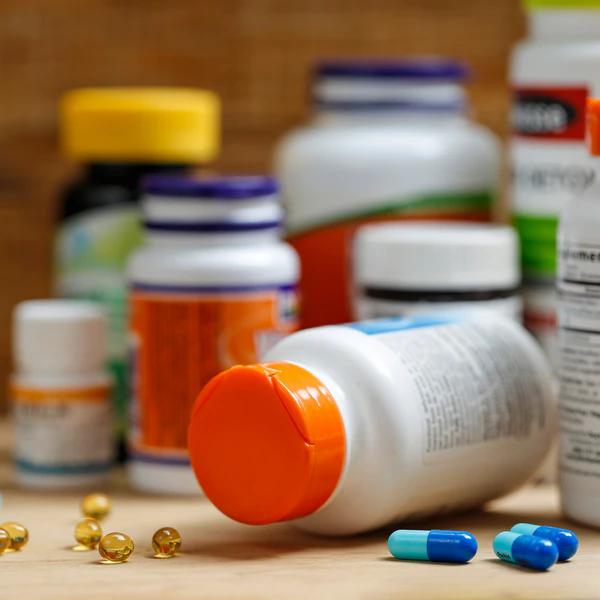
- Autophagy supplements can affect cell cleanup, drug metabolism and blood clotting.
- Stronger autophagy signaling is not always better for every person.
- Berberine, curcumin and resveratrol need the most interaction caution.
- Urolithin A has better human data for mitophagy than many popular options.
- Supplements work best after sleep, protein, strength work and mineral balance.
Autophagy Supplement Basics
Autophagy Basics
Autophagy is the cleanup system inside your cells. It helps remove damaged proteins and worn cell parts. Mitophagy is the same idea focused on damaged mitochondria.
Many supplements are sold as autophagy boosters, but most evidence comes from cell studies and animal work. Human proof is thinner for many of these compounds than the marketing suggests (1).
Stacking Signals
Your body already raises autophagy during fasting, hard training and low energy states. Supplements can add another signal on top of that.
Some people stack several compounds at once because they think more cleanup means better aging. That can create a stronger push than the body needs.
Cell cleanup is controlled for a reason. Too little cleanup can let damaged parts build up.
Too much pressure on repair pathways can become stressful, especially during illness, heavy training or low food intake. A worn down person may need food and sleep before more cellular stress.
Autophagy supplements also touch other systems. Some affect AMPK, sirtuins, blood clotting, gut bacteria or drug handling enzymes.
A person may start one supplement for cell cleanup and still change blood sugar, appetite, liver enzyme activity or how a drug moves through the body.
Dose Pressure
Dose changes the story. A small amount from food is not the same as a concentrated extract.
A daily capsule can push the same pathway every day with less natural feedback. Long term human data are still limited for most autophagy supplements.
Product quality also changes risk. Many formulas mix extracts, black pepper, stimulants and high dose antioxidants in one bottle.
That makes side effects harder to trace. A person may blame one compound while another added ingredient caused the problem.
Main Supplement Groups
Polyphenol Group
Hydroxytyrosol comes from olives and olive oil. Research links it with AMPK and autophagy signaling, mostly through lab and animal work.
Human evidence is stronger for oxidative stress markers than for direct autophagy outcomes. It may be gentler than many extracts, but concentrated dosing still deserves caution (2).
Resveratrol is often sold for sirtuin activation and cell aging. It can affect SIRT1, inflammation and autophagy related pathways.
Human results are mixed across outcomes, and dosing varies widely between studies.
Resveratrol also affects drug metabolism enzymes, which makes interaction risk more serious for people using regular medications (3).
Curcumin can affect autophagy, inflammation and blood clotting signals. Many curcumin products add piperine to raise absorption.
Piperine can sharply increase curcumin levels and may also change drug handling. That combination deserves extra caution around blood thinning drugs, surgery or bleeding risk (4).
Quercetin may affect mitochondrial stress pathways and autophagy signals. It also has poor natural absorption, so many products use higher doses or special forms.
Higher exposure can raise the chance of side effects or interactions. People using several supplements should avoid treating quercetin as harmless just because it is found in foods.
Mitochondria Group
Urolithin A has stronger human data than many popular autophagy supplements. It targets mitophagy, which means cleanup of damaged mitochondria.
Human trials show better muscle endurance and better mitochondrial markers in some adults. The best evidence supports muscle fatigue resistance more than broad energy claims (5, 6).
AMPK Group
Berberine is one of the strongest compounds in this group. It can affect AMPK, glucose handling, gut microbes and liver enzyme systems.
Berberine also has known concerns around CYP enzymes and P glycoprotein, which help move many drugs through the body (7).
NMN and NAD boosters aim to raise NAD levels, which feed energy and repair chemistry. Human trials suggest NMN can raise NAD related markers and appears well tolerated in short studies.
Long term outcomes are still not settled. People should be careful with aggressive claims about anti aging, cancer prevention or major energy gains (8).
Oleoylethanolamide, often called OEA, is linked with fatty acid oxidation, appetite signaling and PPAR alpha activity.
Human evidence is still much smaller than the marketing around fat burning and metabolism.
OEA may fit some metabolic research questions, but it should not be treated as a proven autophagy tool for general use (9).
Fasting Can Backfire Under Stress
Fasting can worsen sleep, training and stress when the body is already underfed.
Risks & Interactions
Blood Sugar Risk
Berberine can lower blood sugar in some people. That may sound useful, but it can become a problem when combined with fasting, low carbohydrate eating or glucose lowering drugs.
A person may feel shaky, weak or lightheaded when several glucose lowering pressures happen together.
NMN, resveratrol and OEA may also affect energy metabolism. The effect may be small for one compound and stronger when several are stacked.
People often misread low fuel as detox or healing. A clearer reading is that the body may be underfed or overstressed.
Blood Thinning Risk
Curcumin and resveratrol need caution around blood thinning drugs and surgery. They can affect platelet activity and clotting signals.
A small food amount is not the same as a concentrated capsule. High dose products become more relevant when bleeding risk already exists.
Hydroxytyrosol and quercetin can also affect oxidative stress and vascular biology. That does not make them dangerous by default.
It means concentrated extracts should be treated with respect. A person using several blood active compounds should avoid stacking them casually.
Drug Handling Risk
Drug handling enzymes and transporters decide how long many compounds stay active in the body. Resveratrol and berberine can affect these systems.
Curcumin products with piperine can also change exposure. The risk rises with narrow dose drugs, several medications or liver stress.
A supplement can make a drug stronger or weaker. It can also change side effects without an obvious warning sign.
People often miss this because supplements are sold as natural. Natural compounds can still change enzyme activity, transporters and blood levels.
Better vs Worse
| Better | Worse |
|---|---|
| Enough protein on eating days | Low protein |
| Good sleep | Poor sleep |
| Minerals | Hard training underfed |
| Clear reason | Ignoring stress |
Food Sources & Better Base
Spermidine Sources
Spermidine is tied to autophagy and aging research. It is found in foods, and many supplements use wheat germ because it is rich in spermidine.
Wheat germ is still a wheat product. People avoiding grains, gluten or high lectin foods should not treat wheat germ as a clean choice.
Other food sources contain smaller amounts. Food based spermidine is harder to dose than a capsule.
Human research is still developing, so claims about longevity should stay restrained. A person can support autophagy without making wheat germ a daily habit.
Stronger Daily Base
Autophagy works better when the body has enough nutrients to rebuild after cleanup. Prioritize grass fed ruminant meat, organs and pasture raised eggs.
Add wild seafood if tolerated. Use butter, ghee or tallow for stable fat. Keep carbohydrates low enough to avoid energy swings.
Low protein intake weakens the whole plan. Cell cleanup without enough repair material can leave a person feeling worse.
Strength work also gives the body a reason to maintain muscle. Sleep gives the repair process time to finish.
Stacking Mistakes
The common mistake is taking every autophagy compound at once.
Hydroxytyrosol, spermidine, resveratrol, urolithin A, NMN, berberine, curcumin, quercetin and OEA all push different systems.
Combining them makes it harder to know what helped and what caused side effects.
Another mistake is using autophagy supplements while under eating. Fasting, low calories and hard training already create stress.
Adding several capsules can push the body further. Fatigue, poor sleep and irritability are signs to reduce pressure and rebuild the base.
Fasting Check
Safer Use
Start Narrow
Choose one compound for one clear reason. Urolithin A makes more sense for muscle fatigue and mitophagy.
Berberine points more toward glucose handling and AMPK. Curcumin points more toward inflammation pathways. A clear reason makes results easier to judge.
Use the lowest serious dose and track one outcome. Good options include grip time, training volume, fasting glucose, sleep quality or recovery after training.
Change one thing at a time. Keep the rest of the routine stable.
Pause Points
Pause before surgery, dental procedures or any situation with bleeding risk. Curcumin, resveratrol and high dose polyphenol stacks deserve special caution here.
Pause during illness if appetite is low and energy is poor. The body may need food and rest more than extra cleanup signals.
Stop if a supplement clearly worsens sleep, digestion, mood or energy. A bad reaction does not prove the compound is bad for everyone.
It means the dose, timing or personal context may be wrong. The body gives useful feedback when you change only one thing.
Best Candidates
The best candidate already eats enough protein, sleeps well and trains regularly. That person has a stable base and can track changes.
A person with poor sleep, low food intake or heavy stress should fix those first. Supplements rarely overcome a weak foundation.
People using regular drugs need more caution. Berberine, resveratrol and curcumin deserve the most attention because they can affect drug handling or clotting signals. Urolithin A appears better tolerated in human trials, but long term data are still limited. NMN also needs more long term outcome research.
For any health concerns or questions about a medical condition, get guidance from a physician or another appropriately trained clinician. Before changing your diet, supplements or health routine, talk with a licensed healthcare professional.
Suggested Posts
Evidence Limits
Research
Kuerec, A.H. et al. 2024. Targeting aging with urolithin A in humans: A systematic review. Ageing Research Reviews. DOI: 10.1016/j.arr.2024.102397. PMID: 39002645.
de Pablos, R.M. et al. 2019. Hydroxytyrosol protects from aging process via AMPK and autophagy; a review of its effects on cancer, metabolic syndrome, osteoporosis, immune mediated and neurodegenerative diseases. Pharmacological Research. DOI: 10.1016/j.phrs.2019.03.005. PMID: 30853597.
Guthrie, A.R. et al. 2017. Effects of resveratrol on drug and carcinogen metabolizing enzymes, implications for cancer prevention. Pharmacology & Therapeutics. DOI: 10.1016/j.pharmthera.2017.03.005.
El Saadony, M.T. et al. 2023. Impacts of turmeric and its principal bioactive curcumin on human health. Food Science & Nutrition. DOI: 10.1002/fsn3.3214.
Liu, S. et al. 2022. Effect of Urolithin A Supplementation on Muscle Endurance and Mitochondrial Health in Older Adults: A Randomized Clinical Trial. JAMA Network Open. DOI: 10.1001/jamanetworkopen.2021.44279. PMID: 35050355.
Singh, A. et al. 2022. Urolithin A improves muscle strength, exercise performance, and biomarkers of mitochondrial health in a randomized trial in middle aged adults. Cell Reports Medicine. DOI: 10.1016/j.xcrm.2022.100633. PMID: 35584623.
Ai, X. et al. 2021. Berberine: A Review of its Pharmacokinetics Properties and Therapeutic Potentials in Diverse Vascular Diseases. Frontiers in Pharmacology. DOI: 10.3389/fphar.2021.762654.
Wen, J. et al. 2024. The Effects of Nicotinamide Mononucleotide Supplementation on Physical Performance and Health in Middle Aged and Older Adults: A Systematic Review of Randomized Control Trials. Advances in Nutrition. DOI: 10.1016/j.advnut.2024.100256.
Tutunchi, H. et al. 2020. A systematic review of the effects of oleoylethanolamide, a high affinity endogenous ligand of PPAR alpha, on the management and prevention of obesity. Clinical and Experimental Pharmacology and Physiology. DOI: 10.1111/1440-1681.13238. PMID: 31868943.
Madeo, F. et al. 2018. Spermidine: a physiological autophagy inducer acting as an anti aging vitamin in humans? Autophagy. DOI: 10.1080/15548627.2018.1530929.
Hofer, S.J. et al. 2024. Spermidine is essential for fasting mediated autophagy and longevity. Nature Cell Biology. DOI: 10.1038/s41556-024-01468-x.
Andreux, P.A. et al. 2019. The mitophagy activator urolithin A is safe and induces a molecular signature of improved mitochondrial and cellular health in humans. Nature Metabolism. DOI: 10.1038/s42255-019-0073-4. PMID: 32694802.
Denk, D. et al. 2025. Effect of the mitophagy inducer urolithin A on age related immune remodeling in humans. Nature Aging. DOI: 10.1038/s43587-025-00996-x. PMID: 41174221.
Song, Q. et al. 2023. The Safety and Antiaging Effects of Nicotinamide Mononucleotide in Human Clinical Trials: an Update. Advances in Nutrition. DOI: 10.1016/j.advnut.2023.10.001.
Tutunchi, H. et al. 2023. Effects of oleoylethanolamide supplementation on inflammatory, oxidative stress and antioxidant parameters in patients with nonalcoholic fatty liver disease: a randomized placebo controlled clinical trial. BMC Gastroenterology. DOI: 10.1186/s12876-023-02717-x.