Key Takeaways
- Chlorella can cause nausea, gas, loose stool, rash and other unwanted reactions.
- Warfarin users need care because chlorella can contain high vitamin K.
- Algae products can carry metals, microbes or toxins when testing is poor.
- Allergy symptoms after chlorella can move fast and need quick action.
- Pregnant women, children and medication users should avoid casual chlorella use.
Chlorella Basics
Freshwater Algae
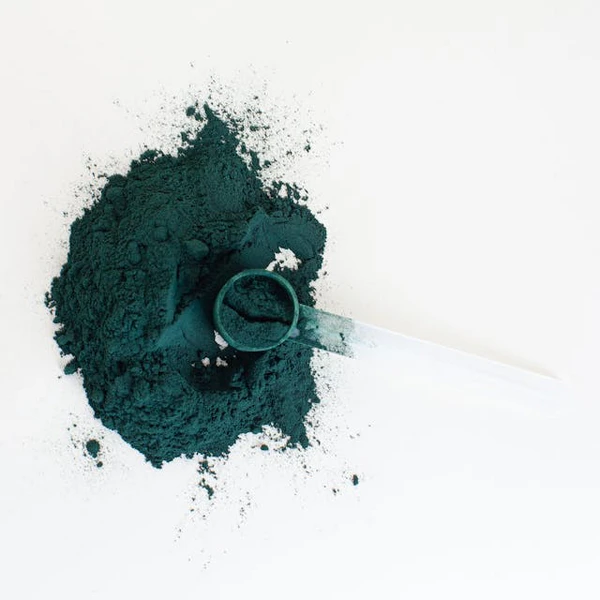
Chlorella is a freshwater green algae sold as tablets, capsules and powders. It is often sold for detox, immune support, energy and nutrient support.
Chlorella contains protein, pigments, minerals and vitamin K. It can also carry unwanted substances from the water, growing system, drying process or storage site.
Algae absorb compounds from their environment, so product quality changes the safety picture.
A review in Nutrients describes chlorella as a supplement with possible effects on immune markers, oxidative stress and metabolic health.
The same review also shows that many claims still need better human research before strong claims are made (1).
Safety Depends On Source
Chlorella safety depends on the exact product. A clean product from a controlled growing system is different from a cheap powder with no batch report.
Powders can make dose control harder because people may scoop more than they realize. Tablets and capsules can also vary in quality.
Added herbs, sweeteners or blends make side effects harder to track because several compounds enter the body at once.
Clean food, sunlight, sleep, minerals and enough protein should come before green powders. Chlorella should never be used to cover poor meals, high sugar intake, alcohol use or poor sleep.
Common Side Effects
Gut Symptoms
Chlorella can upset the gut. Nausea, gas or loose stool can happen, especially when the dose starts high. WebMD lists diarrhea, nausea, gas and green stool among reported reactions (2).
These symptoms can come from the algae, the dose or added ingredients. Some people react to the pigment load.
Others react because the product contains fillers or other plant compounds. A single ingredient product gives a cleaner read than a blend.
Stop use if gut symptoms keep going or feel strong. Do not keep raising the dose because a label promises detox.
Bad stomach pain, lasting diarrhea or repeated vomiting means the product is not working well for your body.
Skin & Breathing
Stop using chlorella if you get a rash, swelling or trouble breathing. Get medical help fast if your throat swells.
LactMed lists allergic reactions, asthma and severe allergy reports linked with chlorella use or chlorella tablet preparation (3).
Some users may also react to sunlight after taking chlorella. LactMed lists photosensitivity reactions after chlorella use. That means normal sun exposure may lead to unusual redness, burning or rash in some people (3).
Do not keep taking chlorella through skin or breathing reactions. Allergy symptoms can change quickly. A supplement is not worth testing again when breathing, throat or face symptoms appear.
Headache & Fatigue
Some people report headache, dizziness or tiredness after chlorella. These symptoms are hard to interpret because many causes are possible.
The product may affect digestion, blood sugar, histamine response or inflammation signals.
Blends make this harder. A product may include chlorella with spirulina, herbs or probiotics. If symptoms start after a blend, you cannot know which ingredient caused the problem.
A clean trial uses one product at a time. Start low, track symptoms and stop if you feel worse. More green powder does not mean better support.
Drug Interaction Risks
Warfarin Concern
Warfarin users need the clearest warning. Chlorella can contain high vitamin K, and vitamin K can reduce the effect of warfarin.
A published case report described warfarin therapy affected by chlorella because of its vitamin K content (4).
Warfarin works through vitamin K control. A sudden rise in vitamin K intake can shift INR results.
Sudden stopping can also shift INR, so starting and stopping high vitamin K supplements can both cause problems.
People using warfarin should not add chlorella on their own. Any change needs clinician review and INR checks. The same care applies to other high vitamin K supplements or large diet changes.
Blood Sugar Drugs
Chlorella may affect blood sugar in some people. A review of human research found possible effects on glucose and lipid markers, but study quality and results vary (5).
People using blood sugar drugs need caution because added effects may push glucose too low.
Low carb eating, fasting or hard exercise can add to that risk. The safer move is to track glucose and review the exact product with a clinician.
Low blood sugar can show up as shaking, sweating or confusion. Those signs can become risky during driving, training or sleep.
Stop guessing and check the number if you use glucose lowering medication.
Immune Drugs
Chlorella is often sold as immune support. That claim needs care for people using immune suppressing drugs. This includes people with transplants, autoimmune disease or cancer care plans.
A Chlorella derived supplement trial in healthy adults did not raise antibody response to flu vaccination across the full study group (6).
A supplement can affect immune markers without giving a clear real life benefit.
People with autoimmune disease should be careful with any product sold as immune boosting.
A stronger immune push is not always helpful when immune activity is already misdirected. Stop use if joint pain, rash or fatigue gets worse.
Contamination Concerns
Metals & Toxins
Algae products can carry contaminants when growing and testing are poor. A 2025 study of commercial spirulina and chlorella products found concerns with elements and cyanotoxins in some products (7).
Other research on microalgae supplements found wide differences in essential and toxic element levels between products. The authors stressed the need to control contaminated algae biomass before sale (8).
Cyanotoxins can also contaminate algae products. A review in Toxins warned that microalgae products can contain toxic compounds when production is poorly controlled (9).
Testing Proof
A safer chlorella product should have a current batch report. The report should match the lot number on the container. It should test for metals, microbes and cyanotoxins.
Organic labeling does not prove safety. Clean algae depends on water quality, growing controls and storage. A nice label can still hide weak testing.
Avoid products with vague detox claims. Avoid sweetened powders and large blends. Simple products are easier to judge and easier to stop.
Higher Risk Groups
Pregnancy & Breastfeeding
Pregnancy is a poor time to experiment with chlorella. A baby is more vulnerable to metals and unwanted compounds.
LactMed says chlorella use by a mother would not be expected to harm most breastfed infants, but it also notes reports of green breast milk and the vitamin K concern with warfarin (3).
Pregnant and breastfeeding women should avoid casual use unless a trained clinician reviews the exact product.
Children & Kidney Issues
Children should not use chlorella casually. Their smaller body size makes contamination more concerning. A small dose for an adult can be a larger exposure for a child.
People with kidney disease should also avoid casual use. The kidneys help clear wastes and some unwanted compounds. A contaminated algae product can add stress to a system that already needs care.
People with liver disease need the same caution. A small chronic hepatitis C trial reported chlorella was generally tolerated, but the study was small and specific (10).
Safer Use Checks
Product Rules
Choose chlorella only when the brand gives clear testing. The label should show the dose, ingredient list and lot number. The company should give a batch report without excuses.
Use one product at a time. Do not start chlorella with a full stack of powders, capsules and herbs. If a reaction starts, you need to know which product caused it.
Keep the dose low. High doses can raise gut reactions, vitamin K exposure and contaminant exposure. More algae does not mean better health.
Stop Use Signs
Stop using chlorella if you get strong gut pain, rash or trouble breathing. Get medical help fast if your throat swells. Warfarin users should contact their clinician if INR changes after chlorella use.
Bring the container and lot number to any medical visit after a reaction. The exact product gives better clues than the word chlorella. Product quality can vary a lot between brands.
Chlorella may suit some adults when the product is clean and the dose stays low. The main concerns are gut reactions, allergy, vitamin K, drug interactions and contamination. Safety depends on the exact product, not the green color or natural label.
For any health concerns or questions about a medical condition, get guidance from a physician or another appropriately trained clinician. Before changing your diet, supplements or health routine, talk with a licensed healthcare professional.
Suggested Posts

Research
Bito, T. et al., 2020. Potential of Chlorella as a Dietary Supplement to Promote Human Health. Nutrients. DOI 10.3390/nu12092524. PMID 32842578
WebMD, 2026. Chlorella. Uses, Side Effects and More. Available at https://www.webmd.com/vitamins/ai/ingredientmono-907/chlorella
National Library of Medicine, 2021. Chlorella. Drugs and Lactation Database LactMed. Available at https://www.ncbi.nlm.nih.gov/books/NBK501822/
Ohkawa, S. et al., 1995. Warfarin therapy and chlorella. Rinsho Ketsueki. PMID 8777808
Barghchi, H. et al., 2023. The effects of Chlorella vulgaris on cardiovascular risk factors. Pharmacological Research. DOI 10.1016/j.phrs.2023.106722. PMID 37018990
Halperin, S.A. et al., 2003. Safety and immunoenhancing effect of a Chlorella derived dietary supplement in healthy adults undergoing influenza vaccination. CMAJ. PMID 12925424
Sochacka, M. et al., 2025. Spirulina and Chlorella Dietary Supplements. Are They a Safe Source of Nutrients? Toxins. DOI 10.3390/toxins17080380
Rzymski, P. et al., 2019. Essential and toxic elements in commercial microalgal food supplements. Journal of Applied Phycology. DOI 10.1007/s10811-018-1681-1
Sánchez Parra, E. et al., 2020. Are Cyanotoxins the Only Toxic Compound Potentially Present in Microalgae Products? Toxins. DOI 10.3390/toxins12090552. PMID 32899723
Azocar, J. et al., 2013. Efficacy and safety of Chlorella supplementation in adults with chronic hepatitis C virus infection. World Journal of Gastroenterology. DOI 10.3748/wjg.v19.i7.1085. PMID 23467577
Tan, C.S.S. et al., 2021. Warfarin and food, herbal or dietary supplement interactions. A systematic review. British Journal of Clinical Pharmacology. DOI 10.1111/bcp.14404. PMID 32478963
Merchant, R.E. and Andre, C.A., 2001. A review of recent clinical trials of the nutritional supplement Chlorella pyrenoidosa in the treatment of fibromyalgia, hypertension and ulcerative colitis. Alternative Therapies in Health and Medicine. PMID 11347287
An, H.J. et al., 2008. Chlorella vulgaris improves immune response in healthy people. Nutrition Journal. DOI 10.1186/1475-2891-7-31. PMID 18854061
Panahi, Y. et al., 2012. A randomized controlled trial of 6 week Chlorella vulgaris supplementation on oxidative stress and lipid profile in non alcoholic fatty liver disease. Clinical Nutrition. DOI 10.1016/j.clnu.2011.08.004. PMID 21955452
Lee, S.H. et al., 2010. Chlorella supplementation reduces blood pressure and oxidative stress in smokers. Nutrition Research and Practice. DOI 10.4162/nrp.2010.4.3.203. PMID 20607067