Key Takeaways
- Methylene blue may support cell energy by helping electrons move inside mitochondria.
- Brain research shows possible benefits for memory, focus and mental energy.
- Safety depends on dose, product quality, health status and drug use.
- Serotonin active drugs and G6PD deficiency need extra care.
- Food, sleep, sunlight and minerals still form the energy base.
Energy Effects
Cell Energy
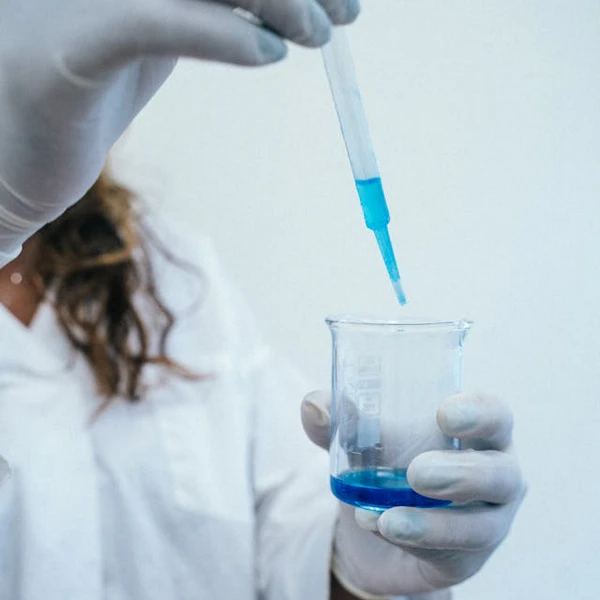
Methylene blue is a blue dye with real effects in the body. Cells make energy through tiny parts called mitochondria.
Mitochondria use electron movement to turn food into energy. Methylene blue can accept electrons and pass them along again (1).
Researchers study methylene blue because this action may support energy chemistry. The idea is not random.
It comes from how the dye behaves inside cells. Better electron flow may help some stressed mitochondria work more smoothly.
Daily Energy
Many people are interested in methylene blue because they want better energy. Mitochondria help make energy, and methylene blue can affect mitochondria.
Some people may notice clearer energy when dose, product quality and personal health all line up.
Energy still needs raw materials. Your body needs protein, animal fat and minerals. Beef, eggs and oysters give strong support for normal energy chemistry.
Methylene blue may support a process, but it does not replace food.
Medical Use
Methylene blue has real medical uses. Clinicians use it in specific care settings. Medical use gives better control over dose, product quality and safety checks.
Home use needs the same respect. A clean product, clear strength and careful dose matter. The best products show the amount per drop, ingredients and lot testing.
Brain Effects
Memory & Focus
The brain uses a lot of energy. Methylene blue has drawn interest for memory and focus because brain cells depend heavily on mitochondria.
Reviews describe possible brain support through electron cycling and redox effects (2).
One human study gave healthy adults one oral dose. Researchers used brain imaging during attention and memory tasks.
They reported stronger activity in some brain areas and better memory retrieval after dosing (3).
Human research is still small. The early results are interesting. Larger studies would help show who benefits most and how long the effect lasts.
Brain Fog
Brain fog can come from many places. Poor sleep, stress and alcohol can lower focus. Low minerals or poor food can also make thinking feel slow.
Methylene blue may help some people because it can affect brain energy chemistry. It should be viewed as a strong tool rather than a basic nutrient. Results may differ because people differ.
Safety Points
Serotonin Active Drugs
Methylene blue can affect serotonin handling. It can block monoamine oxidase A, an enzyme that helps break down serotonin.
Research shows this action explains the concern when methylene blue is combined with serotonin active drugs (4).
Pharmaceutical drugs are usually the main source of problems although they are sold as being harmless.
There are so many simple everyday things that become a problem when combined with pharmaceutical drugs. Serotonin drugs are very powerful chemicals that push brain chemistry.
Methylene blue can slow serotonin breakdown. Too much serotonin activity can cause sweating, shaking and a fast heart rate. So the combination could create a problem.
More serious cases can involve fever, stiff muscles and seizures. Antidepressants are the common concern. Some pain medicines and cough products can also affect serotonin.
G6PD Status
G6PD helps red blood cells handle stress. Some people inherit low G6PD activity. Many people do not know their status because they have never been tested.
Methylene blue can be a problem for people with G6PD deficiency. A PharmGKB review says it should be avoided in people with this deficiency because hemolysis risk can rise (5).
A malaria review also describes this red blood cell risk in G6PD deficient people (6).
Testing gives better information than guessing. Family background can offer clues, but testing is clearer. Anyone with known G6PD deficiency needs careful guidance before exposure.
Pregnancy & Nursing
Pregnancy and breastfeeding need a higher safety standard. LactMed states that safety information is not available for oral methylene blue during breastfeeding.
It also notes labeling advice to stop breastfeeding during treatment and for up to eight days after use (7).
StatPearls reports serious fetal concerns after intra amniotic exposure, including intestinal atresia and fetal death (8).
Different exposure routes are not the same. Still, pregnancy and breastfeeding need clear medical guidance.
Product Quality
Clean Products
Product quality changes the whole picture. Medical grade, lab grade and aquarium grade are different. A product made for human use should have clear strength, clean ingredients and proper testing.
A good label should tell you the concentration. It should show the amount per serving. It should also show lot testing. Clean labeling makes safer use easier.
Normal Effects
Methylene blue can turn urine, stool or saliva blue or green. Skin color can also change in some people. The color change shows the dye is moving through the body.
Some people get nausea, belly pain or headache. Others may notice dizziness, sweating or painful urination. These effects do not happen to everyone, but they are known enough to take seriously.
Energy Base
Food
Methylene blue may support energy chemistry, but the body still needs real food. Mitochondria need amino acids, animal fat and minerals. Beef, eggs and oysters give dense nutrition in forms the body can use well.
Copper supports normal iron handling and energy chemistry. Magnesium supports many enzyme reactions. Salt and iodine support daily function. These basics support energy every day.
Seed oils, fortified grains and low protein meals can make energy harder. Whole traditional foods with enough animal fat give the body better raw materials.
Sleep
Sleep supports repair. Morning sunlight helps set your body clock. Dark evenings help your brain prepare for deeper sleep.
Poor sleep can make energy worse even when supplements are added. Late screens, alcohol and stress can also reduce recovery. Better sleep and light habits often improve energy in a steadier way.
Methylene blue can be useful for some people in the right setting. The benefits are worth studying, and the safety checks are worth respecting.
For any health concerns or questions about a medical condition, get guidance from a physician or another appropriately trained clinician. Before changing your diet, supplements or health routine, talk with a licensed healthcare professional.
Suggested Posts


Research
Tucker, D. et al. 2018. From mitochondrial function to neuroprotection, role of methylene blue. Translational Neurodegeneration. DOI 10.1186 s40035 018 0115 8. PMID 29430215.
Gonzalez Lima, F. and Auchter, A. 2015. Protection against neurodegeneration with low dose methylene blue and near infrared light. Frontiers in Cellular Neuroscience. DOI 10.3389 fncel.2015.00179. PMID 26029068.
Rodriguez, P. et al. 2016. Multimodal randomized functional MR imaging of the effects of methylene blue in the human brain. Radiology. DOI 10.1148 radiol.2016152893. PMID 27340997.
Ramsay, R.R. et al. 2007. Methylene blue and serotonin toxicity, inhibition of monoamine oxidase A confirms a theoretical prediction. British Journal of Pharmacology. DOI 10.1038 sj.bjp.0707430. PMID 17721552.
McDonagh, E.M. et al. 2013. PharmGKB summary, methylene blue pathway. Pharmacogenetics and Genomics. DOI 10.1097 FPC.0b013e3283649b83. PMID 23958817.
Müller, O. et al. 2013. Haemolysis risk in methylene blue treatment of G6PD deficient children with uncomplicated malaria, a synopsis of the current evidence. Malaria Journal. DOI 10.1186 1475 2875 12 102. PMID 23135803.
National Library of Medicine. 2026. Methylene Blue. Drugs and Lactation Database LactMed. National Center for Biotechnology Information.
Ostrovsky, A. et al. 2026. Methylene Blue. StatPearls. National Center for Biotechnology Information.
Oz, M. et al. 2011. Cellular and molecular actions of methylene blue in the nervous system. Medicinal Research Reviews. DOI 10.1002 med.20205. PMID 20730872.
Rojas, J.C. et al. 2012. Low dose methylene blue enhances memory consolidation and extinction in object recognition and inhibitory avoidance tasks. Neurobiology of Learning and Memory. DOI 10.1016 j.nlm.2011.12.003. PMID 22245383.
Atamna, H. et al. 2008. Methylene blue delays cellular senescence and enhances key mitochondrial biochemical pathways. The FASEB Journal. DOI 10.1096 fj.08 116822. PMID 18606871.
Peter, C. et al. 2000. Pharmacokinetics and organ distribution of intravenous and oral methylene blue. European Journal of Clinical Pharmacology. DOI 10.1007 s002280000124. PMID 11009042.
Schirmer, R.H. et al. 2011. Methylene blue as an antimalarial agent. Redox Report. DOI 10.1179 135100010X12634696358428. PMID 21234162.
Warth, A. et al. 2009. Intraoperative use of methylene blue in parathyroid surgery, risks and benefits. Langenbeck’s Archives of Surgery. DOI 10.1007 s00423 009 0479 1. PMID 19308403.