
Key Takeaways
- Magnesium has strong human research and may help your blood vessels relax.
- Potassium can lower blood pressure, but kidney problems make careless use risky.
- Taurine may help when stress, poor sleep and mineral loss raise pressure.
- Cod liver oil gives EPA, DHA, retinol and natural vitamin D together.
- Home readings show whether a supplement changes your real blood pressure.
Best Supported Options
Magnesium
Magnesium is one of the better studied supplements for blood pressure. Your blood vessels, nerves and muscles use magnesium every day.
A large review of controlled trials found that magnesium supplements lowered both blood pressure numbers in adults (1).
Magnesium helps blood vessels relax. It also helps muscle cells handle calcium properly. Poor sleep, heavy sweating, long stress and low mineral intake can all raise the need for magnesium.
Potassium
Potassium helps your body control fluid, sodium and blood vessel tension. A 2020 review found that higher potassium intake lowered blood pressure, especially in people who already had high blood pressure (2).
A 2025 review also found that potassium lowered blood pressure more clearly in people with hypertension (3).
Low carb eating can increase sodium and water loss, especially in the early weeks. Heat, sweating and stress can also raise mineral needs.
Potassium bicarbonate and potassium bitartrate are the better supplement choices when potassium use makes sense.
Potassium needs more caution than magnesium. Kidney disease, heart rhythm problems and some drugs can make potassium unsafe.
Too much potassium can disturb the heartbeat. If any of those apply to you, get guidance before using potassium.
Taurine
Taurine is found in animal foods, especially seafood and darker meat. It helps cells manage water and minerals. It also supports calmer blood vessel tone.
A controlled human trial found that taurine lowered clinic and 24 hour blood pressure in people with raised readings (4).
A review of controlled trials also found that taurine lowered blood pressure by a small amount (5).
Use plain taurine powder or capsules. Do not use energy drinks as a taurine source. Sugar, caffeine and additives can push pressure in the wrong direction.
People taking blood pressure drugs should track readings because pressure can fall too low.
Helpful Add Ons
Cod Liver Oil
Cod liver oil gives EPA and DHA with retinol and natural vitamin D. That nutrient mix is closer to a traditional food source than refined fish oil.
A review of controlled trials found that EPA and DHA lowered blood pressure, with the clearest result around 2 to 3 grams daily of combined EPA and DHA (6).
Garlic
Garlic can lower blood pressure in some people. A review found that garlic preparations lowered blood pressure more than placebo in people with hypertension (7).
Another review found a similar benefit in controlled trials (8). Garlic can also cause reflux, stomach burning, gas and strong odor.
Garlic can raise bleeding concern in some people. Be careful before surgery or when blood thinning drugs are involved.
CoQ10
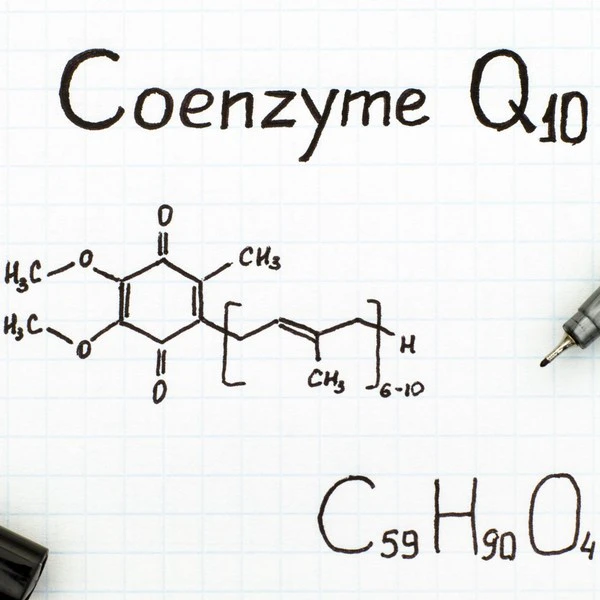
CoQ10 has research behind it, especially in people with metabolic and heart related problems. A 2022 review found that CoQ10 lowered systolic blood pressure in people with cardiometabolic disease (9).
CoQ10 is fat soluble, so it should be taken with a meal that contains fat. A low fat meal makes less sense for this supplement.
People under heart care should ask a qualified clinician before using it. Drug use, planned surgery and serious illness can change the safety picture.
Vascular Risk Is Not One Marker
Triglycerides, pressure, insulin resistance, clot risk and inflammation give more context than LDL alone.
Food & Mineral Base
Lower The Strain
Supplements do less when daily food keeps pushing pressure up. Ultra processed food, seed oils, fortified grains and high sugar foods can strain blood sugar and mineral balance.
They also replace real nutrient dense food. Better food lowers the need for constant correction from pills and powders.
Carbohydrates should stay low for many people with high blood pressure. This is especially true when belly fat, insulin resistance or unstable blood sugar are present.
Lower carb eating can shift water and sodium needs quickly. Some people feel weak when they cut carbs and salt at the same time.
Use Salt Wisely
Salt is not automatically the enemy. Natural unrefined sea salt can help when sodium loss is part of the problem.
Signs can include lightheadedness, cramps, headaches, low energy and feeling worse after cutting carbs. Your body needs sodium for fluid balance, nerve signals and muscle function.
Potassium and sodium work together. Magnesium helps nerves, muscles and blood vessels work normally.
Blood pressure often improves when these minerals are handled together. Chasing one mineral while ignoring the others can create new problems.
Stronger signal vs Weaker signal
| Stronger signal | Weaker signal |
|---|---|
| Triglycerides | LDL alone |
| Blood pressure | Total cholesterol alone |
| Blood sugar | One lab marker |
| Fasting insulin | Generic heart advice |
Clear Starting Plan
Track First
Start with home readings before you add anything.
- Use the same cuff, same arm and same time of day.
- Sit quietly for several minutes first.
- Write the number down because memory is not reliable enough.
Magnesium is a good first step for many people. Magnesium glycinate or magnesium taurate in the evening is an easy start.
Track your blood pressure for one full week before adding another supplement. Clear tracking shows what changed.
Add Slowly
Add electrolytes when symptoms point toward mineral loss. Low carb eating, heat, sweating and stress can raise the need for sodium, potassium and magnesium.
Use natural unrefined sea salt and trace minerals first. Add potassium only when your health situation allows it.
Taurine can come next when readings stay high or stress feels high. Cod liver oil can follow when EPA, DHA, retinol and natural vitamin D are wanted together.
Keep changes slow enough to understand. Too many changes at once make the result hard to read.
Watch Symptoms
A supplement that works can lower pressure too far. Dizziness, weakness, faintness, blurred vision or sudden poor exercise tolerance are warning signs.
Blood pressure drugs can add to the drop. The whole mix needs review when numbers fall too quickly.
Large changes in readings deserve attention. Kidney disease, pregnancy, heart rhythm problems and complex drug use all change supplement safety. Use supplements like real tools. Track the result and stop guessing when your body gives clear signals.
For any health concerns or questions about a medical condition, get guidance from a physician or another appropriately trained clinician. Before changing your diet, supplements or health routine, talk with a licensed healthcare professional.
Suggested Posts

Evidence Limits
Research
Zhang, X. et al. 2016. Effects of Magnesium Supplementation on Blood Pressure A Meta Analysis of Randomized Double Blind Placebo Controlled Trials. Hypertension. PMID 27402922.
Filippini, T. et al. 2020. Potassium Intake and Blood Pressure A Dose Response Meta Analysis of Randomized Controlled Trials. Journal of the American Heart Association. PMID 32500831.
Granal, M. et al. 2025. Effect of changes in potassium intake on blood pressure A systematic review and meta analysis. Journal of Human Hypertension. PMID 40612568.
Sun, Q. et al. 2016. Taurine Supplementation Lowers Blood Pressure and Improves Vascular Function in Prehypertension Randomized Double Blind Placebo Controlled Study. Hypertension. PMID 26781281.
Guan, L. and Miao, P. 2020. The effects of taurine supplementation on obesity, blood pressure and lipid profile A meta analysis of randomized controlled trials. European Journal of Pharmacology. PMID 32871172.
Zhang, X. et al. 2022. Omega 3 Polyunsaturated Fatty Acids Intake and Blood Pressure A Dose Response Meta Analysis of Randomized Controlled Trials. Journal of the American Heart Association. PMID 35647665.
Ried, K. et al. 2008. Effect of garlic on blood pressure A systematic review and meta analysis. BMC Cardiovascular Disorders. PMID 18554422.
Xiong, X.J. et al. 2015. Garlic for hypertension A systematic review and meta analysis of randomized controlled trials. Phytomedicine. PMID 25837272.
Zhao, D. et al. 2022. Dose Response Effect of Coenzyme Q10 Supplementation on Blood Pressure Among Patients With Cardiometabolic Disorders A Grading of Recommendations Assessment, Development and Evaluation Assessed Systematic Review and Meta Analysis of Randomized Controlled Trials. Advances in Nutrition. PMID 36130103.
Argeros, Z. et al. 2025. Magnesium Supplementation and Blood Pressure A Systematic Review and Meta Analysis. Nutrients. PMID 41000008.
Dibaba, D.T. et al. 2017. The effect of magnesium supplementation on blood pressure in individuals with insulin resistance, prediabetes, or noncommunicable chronic diseases A meta analysis of randomized controlled trials. American Journal of Clinical Nutrition. PMID 28724644.
Whelton, P.K. et al. 1997. Effects of oral potassium on blood pressure Meta analysis of randomized controlled clinical trials. JAMA. PMID 9168293.
Jee, S.H. et al. 2002. The effect of magnesium supplementation on blood pressure A meta analysis of randomized clinical trials. American Journal of Hypertension. PMID 12160191.
Kass, L. et al. 2012. Effect of magnesium supplementation on blood pressure A meta analysis. European Journal of Clinical Nutrition. PMID 22318649.
Miller, P.E. et al. 2014. Long Chain Omega 3 Fatty Acids Eicosapentaenoic Acid and Docosahexaenoic Acid and Blood Pressure A Meta Analysis of Randomized Controlled Trials. American Journal of Hypertension. PMID 24610882.
Rosenfeldt, F.L. et al. 2007. Coenzyme Q10 in the treatment of hypertension A meta analysis of the clinical trials. Journal of Human Hypertension. PMID 17287847.
Lentjes, M.A.H. et al. 2015. Contribution of cod liver oil related nutrients vitamins A, D, E and marine fatty acids to intake, and associations with plasma concentrations in the EPIC Norfolk cohort. Journal of Human Nutrition and Dietetics. PMID 25228113.