Key Takeaways
- Your gut lining replaces worn cells every few days, helping your intestine absorb food and block germs.
- Small intestine cells use nutrients from food, while colon cells also use fuel produced by bacteria.
- Protein helps supply materials for new cells, but extra supplements have not been proven useful for everyone.
- Some medicines and gut illnesses can damage the lining, even when everyday symptoms have several possible causes.
- Tests and treatments for a damaged gut lining need proper medical guidance, especially when symptoms persist.
Gut Lining & Repair
A Thin Protective Layer
The lining of your intestine is only one cell thick. Despite being so thin, it separates the food and bacteria inside your gut from the tissues underneath.
These cells work closely together. They allow digested nutrients and water to pass through while controlling what can move between them.
Your intestine also produces mucus that covers the cells and helps protect them. The mucus keeps many bacteria from coming into direct contact with the intestinal wall.
Immune cells underneath the lining provide another level of protection. They help the body respond when harmful germs reach places where they should not be.
Researchers have examined these protective layers in people with digestive diseases. The findings show that mucus, intestinal cells and immune defences work together to protect the gut. (1)
New Cells Every Few Days
Your intestinal lining is constantly losing old cells and replacing them with new ones. Many of the cells covering the small intestine live for only three to five days.
New cells grow in small pockets within the intestinal wall. As they develop, they move towards the surface and take over the work of older cells.
Some absorb nutrients. Others produce mucus or substances that help control bacteria.
A group of special cells, called stem cells, produces these replacements. The body normally controls their growth so enough new cells are available without producing too many.
Researchers have spent decades studying how these cells grow and develop. A major review published in 2019 explained how the intestine replaces its lining so frequently while continuing to digest food and protect the body. (2)
Replacing worn cells is normal. It does not mean the intestine is constantly injured or that someone needs a supplement to make it repair itself.
Energy For Gut Cells
Fuel In The Small Intestine
The small intestine absorbs most of the nutrients released during digestion. Its cells also use some of those nutrients for their own energy and growth.
Protein is broken down into amino acids, which the body uses to make new proteins and repair tissues. The intestinal lining needs these materials because its cells are replaced so frequently.
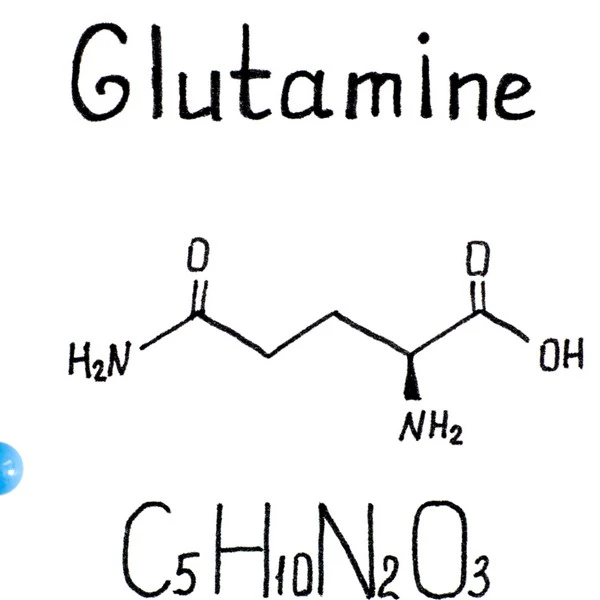
One amino acid called glutamine can provide energy to cells in the small intestine. These cells can also use glucose and other substances.
Researchers have examined how amino acids are digested and used inside the intestine. They found that intestinal cells use some amino acids directly before the remaining nutrients enter the bloodstream. (3)
The intestine normally receives these nutrients from food. Eating enough protein helps supply the materials needed for growth and repair throughout the body.
Fuel In The Colon
The colon, or large intestine, works differently from the small intestine. It absorbs water and salts from material left over after digestion.
The colon also contains large numbers of bacteria. Some of these bacteria break down food that reaches the colon without being fully digested.
During this process, they produce substances called short chain fatty acids. One of them is butyrate, which cells lining the colon can use for energy.
In 1980, researchers tested cells taken from human colons to see which substances they could use for energy.
They found that the cells used butyrate readily. They also found that the cells could use glucose and glutamine, although butyrate was an important energy source in their experiments.
The research showed that gut bacteria can help provide energy to cells in the colon. It did not establish that everyone needs to eat more carbohydrate to maintain a healthy intestinal lining. (4)
Bacteria & Butyrate
Different bacteria break down different substances. Some use carbohydrates that reach the colon, while others use protein left over from digestion.
The amount of butyrate produced can therefore change when someone changes their diet.
Researchers tested this in a small study involving people who ate either an animal based diet or a plant based diet for several days.
Both diets changed the bacteria living in the participants’ intestines. The animal based diet increased some bacteria that tolerate bile and reduced certain bacteria that break down plant carbohydrates.
The researchers also found changes in the substances those bacteria produced. These changes happened within days, showing how quickly gut bacteria respond to food. (5)
However, researchers did not establish that either diet damaged or repaired the intestinal lining. A change in gut bacteria does not automatically mean someone’s digestion has improved or become worse.
The colon can also use energy from substances carried in the blood. Its cells do not depend entirely on butyrate produced by bacteria.
Damage & Recovery
After A Gut Infection
Some infections can damage the intestinal lining and leave people with digestive problems after the infection has cleared.
These problems may include frequent diarrhoea or abdominal pain. In some people, the intestine also becomes more permeable, allowing more substances to pass through its lining than usual.
Researchers tested whether glutamine could help adults who developed irritable bowel syndrome after an intestinal infection.
The trial involved people who had diarrhoea and increased intestinal permeability. Participants received either glutamine or a placebo for eight weeks.
Among those who completed the trial, about 80% of the glutamine group experienced a substantial improvement in symptoms, compared with about 6% of the placebo group.
The researchers also measured improvements in diarrhoea and intestinal permeability.
These were people with a specific digestive problem after an infection. The results do not mean that everyone should take glutamine or that it will help every kind of gut problem. (6)
Pain Medicines & Gut Damage
Certain pain medicines can damage the digestive system when used regularly, particularly medicines such as ibuprofen and naproxen.
These medicines can irritate the stomach and small intestine. In some people, they can cause ulcers or bleeding.
They can also affect how well the intestinal lining controls which substances pass through it.
Researchers have studied these effects in humans and found that some pain medicines can increase intestinal permeability. Repeated exposure can also damage the cells lining the intestine.
A 2018 review examined how these medicines injure the digestive tract. The researchers described damage to the intestinal lining and the processes that can lead to inflammation or ulcers. (7)
If you regularly need pain medicine, speak with a clinician about the safest way to manage your pain. Do not stop prescribed treatment without medical advice.
Inflammation & Disease
Crohn’s disease and ulcerative colitis can cause inflammation that damages the intestinal lining.
Crohn’s disease may affect different parts of the digestive tract, while ulcerative colitis affects the large intestine and rectum.
People with these conditions may experience diarrhoea, abdominal pain and bleeding. The intestinal lining can become damaged enough to interfere with normal digestion and absorption.
Infections can also injure the intestine, sometimes causing temporary problems that improve as the infection clears.
When someone has ongoing inflammation, replacing old cells may not be enough to restore normal function. The cause of the damage needs to be identified and treated.
Supporting Normal Repair
Enough Nutrients
Your intestine needs protein, energy, vitamins and minerals to maintain its cells. Eating too little for a long time can make it harder for the body to maintain healthy tissues.
Meat, eggs and seafood provide complete protein along with several important vitamins and minerals. These foods can help meet normal nutritional needs without requiring large amounts of sugar or starch.
Someone who is recovering from a serious illness may need more careful nutritional support, especially if diarrhoea or intestinal inflammation has reduced their ability to absorb food.
The amount of food someone can tolerate may also change during an illness. People with severe digestive conditions sometimes need advice about which foods they can eat comfortably.
There is no single diet that has been proven to repair every damaged intestine. The cause of the problem and the person’s nutritional needs must both be considered.
Gut Repair Products
Many supplements are sold with claims that they can strengthen the intestinal lining or stop substances from passing through it.
Some contain amino acids or bacteria. Others contain mixtures of plant extracts and vitamins.
Researchers have tested certain ingredients, although much of the research involves animals or people who already have digestive diseases.
A 2024 review examined twelve studies of diet and intestinal permeability in healthy people.
Some studies found improvements after certain dietary treatments, while others reported different results. The researchers concluded that there was too little good evidence to say that changing the diet reliably improves intestinal permeability in healthy adults. (8)
Someone who feels well and digests food normally has no clear reason to assume that their intestinal lining needs special treatment.
Gut Tests & Symptoms
Abdominal pain, bloating and diarrhoea can have many causes. These symptoms cannot tell you whether the intestinal lining is damaged.
Food intolerance, infections and digestive diseases can all cause similar problems.
Doctors may use blood tests, stool tests or examinations of the intestine to find out what is happening. The tests needed depend on the symptoms and the condition being investigated.
Intestinal permeability can also be measured in research, but these tests are difficult to interpret and are not routinely needed for most digestive complaints.
A group of international experts published recommendations in 2026 on testing the intestinal lining in people with inflammatory bowel disease. They explained that researchers still need better agreement on which tests to use and how to interpret the results. (9)
Persistent diarrhoea, unexplained weight loss or blood in the stool should be checked by a clinician. Severe abdominal pain also needs prompt medical attention.
Your intestinal lining already has a system for replacing old cells and repairing everyday wear. Good nutrition supplies the materials needed for this work, while other parts of the digestive system help protect the new cells.
When the lining becomes damaged by illness or other causes, finding and treating the problem is more useful than assuming a supplement will repair it.
For any health concerns or questions about a medical condition, get guidance from a physician or another appropriately trained clinician. Before changing your diet, supplements, or health routine, talk with a licensed healthcare professional.
Suggested Posts
Research
Camilleri, M. (2019) ‘The Leaky Gut: Mechanisms, Measurement and Clinical Implications in Humans’, Gut, 68(8), pp. 1516–1526.
Gehart, H. and Clevers, H. (2019) ‘Tales from the crypt: new insights into intestinal stem cells’, Nature Reviews Gastroenterology & Hepatology, 16, pp. 19–34.
Beaumont, M. and Blachier, F. (2020) ‘Amino Acids in Intestinal Physiology and Health’, Advances in Experimental Medicine and Biology, 1265, pp. 1–20.
Roediger, W.E.W. (1980) ‘Role of anaerobic bacteria in the metabolic welfare of the colonic mucosa in man’, Gut, 21(9), pp. 793–798.
David, L.A. et al. (2014) ‘Diet rapidly and reproducibly alters the human gut microbiome’, Nature, 505, pp. 559–563.
Zhou, Q. et al. (2019) ‘Randomised placebo-controlled trial of dietary glutamine supplements for postinfectious irritable bowel syndrome’, Gut, 68(6), pp. 996–1002.
Bjarnason, I. et al. (2018) ‘Mechanisms of Damage to the Gastrointestinal Tract From Nonsteroidal Anti-Inflammatory Drugs’, Gastroenterology, 154(3), pp. 500–514.
do Nascimento, D.S.M. et al. (2024) ‘Can Diet Alter the Intestinal Barrier Permeability in Healthy People? A Systematic Review’, Nutrients, 16(12), 1871.
Vieujean, S. et al. (2026) ‘International consensus on intestinal epithelial barrier assessment and therapeutic effects in inflammatory bowel diseases clinical trials’, Gut.
van der Flier, L.G. and Clevers, H. (2009) ‘Stem cells, self-renewal, and differentiation in the intestinal epithelium’, Annual Review of Physiology, 71, pp. 241–260.
Crosnier, C., Stamataki, D. and Lewis, J. (2006) ‘Organizing cell renewal in the intestine: stem cells, signals and combinatorial control’, Nature Reviews Genetics, 7, pp. 349–359.
Chapman, M.A. et al. (1994) ‘Butyrate oxidation is impaired in the colonic mucosa of sufferers of quiescent ulcerative colitis’, Gut, 35(1), pp. 73–76.
Roediger, W.E.W. (1980) ‘The colonic epithelium in ulcerative colitis: an energy-deficiency disease?’, The Lancet, 316(8197), pp. 712–715.
Johnson, A.J. et al. (2019) ‘Daily Sampling Reveals Personalized Diet-Microbiome Associations in Humans’, Cell Host & Microbe, 25(6), pp. 789–802.e5.
Venkataraman, A. et al. (2016) ‘Variable responses of human microbiomes to dietary supplementation with resistant starch’, Microbiome, 4, 33.
Wastyk, H.C. et al. (2021) ‘Gut-microbiota-targeted diets modulate human immune status’, Cell, 184(16), pp. 4137–4153.e14.
Palleja, A. et al. (2018) ‘Recovery of gut microbiota of healthy adults following antibiotic exposure’, Nature Microbiology, 3, pp. 1255–1265.
Tanes, C. et al. (2021) ‘Role of Dietary Fiber in the Recovery of the Human Gut Microbiome and its Metabolome’, Cell Host & Microbe, 29(3), pp. 394–407.e5.