
Key Takeaways
- Low carb diets help many people lose weight, although keeping the weight off takes continued effort.
- Cutting carbohydrates can improve blood sugar control in type 2 diabetes and sometimes reduce medication needs.
- Healthy kidneys have tolerated low carbohydrate diets in trials, but existing kidney disease needs individual care.
- Cholesterol can rise in some people and improve in others, so check your own blood results.
- Your body can make glucose without eating grains, although every diet still needs enough essential nutrients.
Low carb diets are blamed for damaging kidneys, starving the brain and raising the risk of heart disease. Another familiar claim is that the weight always comes back.
Weight Loss Claims
Weight Loss Fails
People can lose weight when they eat fewer carbohydrates. Researchers have demonstrated this in trials where adults followed low carbohydrate and low fat diets for several months or longer.
A review of 53 trials found that low fat diets did not produce better long term weight loss than other diets when both groups received similar support. In trials comparing low carbohydrate with low fat eating, the low carbohydrate groups lost slightly more weight on average.
The difference was modest, although it clearly contradicts claims that carbohydrate restriction cannot work. (1)
In another trial, 148 adults were assigned to reduce either carbohydrates or fat. After a year, the low carbohydrate group had lost about 3.5 kilograms more on average. They also lost more body fat and had lower triglycerides, a type of fat found in the blood. (2)
Calories Still Count
Many people feel less hungry when they replace sugary foods with meals containing enough protein and fat. They may eat less without having to count calories.
Weight loss still depends on the amount of energy the body receives and uses. Someone can gain weight while eating very few carbohydrates if they regularly eat more than their body needs.
A year long trial involving 609 adults found similar average weight loss in the low carbohydrate and low fat groups. Both groups were encouraged to cut back on refined foods, and the people within each group lost very different amounts of weight.
Carbohydrate restriction helped many participants, but it did not guarantee a bigger loss for everyone. (3)
Weight Comes Back
Weight can return after any diet when someone goes back to eating more than before. The weight loss was still real, and regaining weight can happen after other diets too.
In a two year trial involving 322 adults, the low carbohydrate group lost an average of 4.7 kilograms.
The low fat group lost 2.9 kilograms. Neither group maintained all its early weight loss, but people following the lower carbohydrate diet were still lighter at the end of the study. (4)
Blood Sugar Claims
The Brain Needs Carbs
The brain needs some glucose, but you do not need to eat bread or sugar to supply all of it. Your liver makes glucose from other substances when carbohydrate consumption is low.
Your brain can also use ketones, which the liver makes from fat. When carbohydrate consumption remains very low, the brain gradually begins using more ketones for energy.
A scientific review published in 2020 examined whether carbohydrate is an essential nutrient. The authors explained how the body maintains glucose during very low carbohydrate eating.
Protein, essential fats, vitamins and minerals must come from food, but healthy adults do not have an established minimum dietary carbohydrate requirement. (5)
This ability does not mean everyone feels their best eating almost no carbohydrate. People may need time to adjust when they make a large change, and a demanding training schedule can affect how much carbohydrate they prefer to eat.
Diabetes Needs Carbs
Starch turns into glucose during digestion, so eating less of it usually means less glucose enters the blood after meals. This can be especially helpful when someone has type 2 diabetes and struggles to keep blood sugar under control.
A review of 23 controlled trials involving 1,357 people found better blood sugar results after six months on low carbohydrate diets. Some participants reached the researchers’ definition of diabetes remission.
However, that definition sometimes included people still taking diabetes medicine, and the advantage was less certain when the researchers excluded them. The benefits were also smaller after twelve months. (6)
In a separate trial lasting one year, people with type 2 diabetes lost similar amounts of weight on diets containing very different amounts of carbohydrate.
The low carbohydrate group needed less diabetes medication and had steadier blood sugar throughout the day. Both groups also exercised regularly. (7)
Reducing carbohydrates can change blood sugar quickly. Anyone using insulin or medicines that can cause low blood sugar needs medical help adjusting treatment rather than keeping the same dose while sharply reducing carbohydrates.
Protein And Fat Drive Satiety
Animal based meals are harder to overeat when protein and fat replace sugar and snack foods.
Health Risk Claims
Kidney Damage
A low carb diet does not automatically mean eating huge amounts of protein. Some people simply replace sugar and starch with more fat while keeping their protein about the same.
Researchers followed adults with obesity who were assigned to either a low carbohydrate, higher protein diet or a low fat diet for two years.
They did not find that the lower carbohydrate diet harmed kidney function compared with the other diet.
The participants did not have serious kidney disease at the start, so the result cannot tell us what is safe for someone whose kidneys are already damaged. (8)
People with existing kidney problems may need limits on certain nutrients, including protein in some cases. Their needs depend on the cause and stage of the disease.
They should not use a weight loss trial involving people with healthy kidneys as a substitute for personal medical advice.
Heart Disease
Heart health involves more than one cholesterol reading. Some people eating fewer carbohydrates have lower triglycerides and higher HDL cholesterol. Others see a substantial rise in LDL cholesterol, particularly on diets containing large amounts of saturated fat.
In a controlled study, 17 healthy young women completed both a ketogenic diet and a comparison diet.
LDL cholesterol rose in every woman during the ketogenic period, and researchers also measured an increase in ApoB, a blood protein used to assess heart risk. The trial lasted four weeks on each diet, so it could not show whether the changes led to heart attacks later in life. (9)
Blood tests can show how someone responds to their diet. Weight, blood pressure and blood sugar provide other useful information.
Researchers still need longer controlled trials that measure actual heart attacks and deaths before they can settle claims about the effects of different low carbohydrate diets.
Fibre & Nutrients
Cutting grains does not automatically cause constipation or leave someone short of vitamins. Meat, eggs and seafood provide protein and many essential vitamins and minerals, and you can meet important nutrient needs without eating bread or cereal.
Fibre is not an essential nutrient in the same sense as protein or certain vitamins. Some people find that it helps them pass stool comfortably, while others experience bloating when they eat more of it.
Bowel habits can also change with fluid consumption and the amount of food someone eats.
Cutting out a whole group of foods without considering nutrition can still cause problems. The question is whether the diet supplies what the body needs, regardless of whether it includes grains.
Use vs Avoid
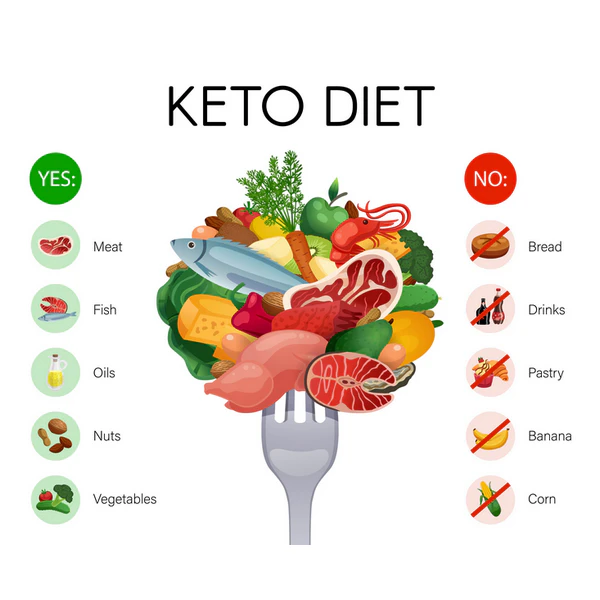
| Use | Avoid |
|---|---|
| Ruminant meat | Seed oils |
| Eggs | Sugar drinks |
| Seafood | Packaged snacks |
| Animal fats | Fortified grains |
Reading The Research
Different Diets
A low carb diet in one trial may allow more than 100 grams of carbohydrate a day, while another allows fewer than 50 grams.
One trial may use mostly unsaturated fat, and another may contain considerably more saturated fat. A result from one version of low carb eating may not apply to another.
A two year trial in adults with type 2 diabetes compared a low carbohydrate diet with a higher carbohydrate diet. Both groups lost weight and improved their blood sugar measurements.
The lower carbohydrate group needed less diabetes medication and had steadier blood glucose during the day.
Researchers did not find worse kidney results in that group. The diet was designed to be low in saturated fat, so the trial cannot tell us how every other low carb diet would perform. (10)
Limits Of Studies
Many diet trials last a few months, and people do not always continue eating as instructed. Researchers also rely heavily on food records, which cannot show exactly what someone ate every day.
When participants start eating more carbohydrates again, the study no longer tests the original restriction as closely.
Studies that follow people for years have another weakness. People who eat differently may also differ in exercise, smoking or other habits. Researchers can adjust for some of those differences, but they cannot reliably assign a later heart attack or death to one food based on a questionnaire.
Choosing A Diet
Carbohydrate restriction can be useful when you want to lose excess weight or improve high blood sugar. It is possible to eat well without grains, but meals still need enough protein and essential nutrients. The amount of carbohydrate you choose should also take account of your health and activity.
Someone with type 2 diabetes who takes medication needs more care than a healthy adult simply cutting back on sweets. People with kidney disease, pregnant women and anyone with a serious medical condition should get advice suited to their situation before making a major dietary change.
Human trials have not shown that every low carb diet is dangerous. Some people see clear benefits, while others get different results. Look at what you want to improve and what actually changes when you eat differently.
For any health concerns or questions about a medical condition, get guidance from a physician or another appropriately trained clinician. Before changing your diet, supplements, or health routine, talk with a licensed healthcare professional.
Suggested Posts


Research
Tobias, D.K. et al. (2015) ‘Effect of low-fat diet interventions versus other diet interventions on long-term weight change in adults: a systematic review and meta-analysis’, The Lancet Diabetes & Endocrinology, 3(12), pp. 968–979.
Bazzano, L.A. et al. (2014) ‘Effects of Low-Carbohydrate and Low-Fat Diets: A Randomized Trial’, Annals of Internal Medicine, 161(5), pp. 309–318.
Gardner, C.D. et al. (2018) ‘Effect of Low-Fat vs Low-Carbohydrate Diet on 12-Month Weight Loss in Overweight Adults and the Association With Genotype Pattern or Insulin Secretion: The DIETFITS Randomized Clinical Trial’, JAMA, 319(7), pp. 667–679.
Shai, I. et al. (2008) ‘Weight loss with a low-carbohydrate, Mediterranean, or low-fat diet’, New England Journal of Medicine, 359(3), pp. 229–241.
Tondt, J., Yancy, W.S. and Westman, E.C. (2020) ‘Application of nutrient essentiality criteria to dietary carbohydrates’, Nutrition Research Reviews, 33(2), pp. 260–270.
Goldenberg, J.Z. et al. (2021) ‘Efficacy and safety of low and very low carbohydrate diets for type 2 diabetes remission: systematic review and meta-analysis of published and unpublished randomized trial data’, BMJ, 372, m4743.
Tay, J. et al. (2015) ‘Comparison of low- and high-carbohydrate diets for type 2 diabetes management: a randomized trial’, American Journal of Clinical Nutrition, 102(4), pp. 780–790.
Friedman, A.N. et al. (2012) ‘Comparative effects of low-carbohydrate high-protein versus low-fat diets on the kidney’, Clinical Journal of the American Society of Nephrology, 7(7), pp. 1103–1111.
Burén, J. et al. (2021) ‘A Ketogenic Low-Carbohydrate High-Fat Diet Increases LDL Cholesterol in Healthy, Young, Normal-Weight Women: A Randomized Controlled Feeding Trial’, Nutrients, 13(3), 814.
Tay, J. et al. (2018) ‘Effects of an energy-restricted low-carbohydrate, high unsaturated fat/low saturated fat diet versus a high-carbohydrate, low-fat diet in type 2 diabetes: A 2-year randomized clinical trial’, Diabetes, Obesity and Metabolism, 20(4), pp. 858–871.
Choy, K.Y.C. and Louie, J.C.Y. (2023) ‘The effects of the ketogenic diet for the management of type 2 diabetes mellitus: A systematic review and meta-analysis of recent studies’, Diabetes & Metabolic Syndrome: Clinical Research & Reviews, 17(12), 102905.
Sacks, F.M. et al. (2009) ‘Comparison of weight-loss diets with different compositions of fat, protein, and carbohydrates’, New England Journal of Medicine, 360(9), pp. 859–873.
Foster, G.D. et al. (2003) ‘A randomized trial of a low-carbohydrate diet for obesity’, New England Journal of Medicine, 348(21), pp. 2082–2090.
Samaha, F.F. et al. (2003) ‘A low-carbohydrate as compared with a low-fat diet in severe obesity’, New England Journal of Medicine, 348(21), pp. 2074–2081.
Merovci, A. et al. (2024) ‘Effect of weight-maintaining ketogenic diet on glycemic control and insulin sensitivity in obese T2D subjects’, BMJ Open Diabetes Research & Care, 12(5), e004199.
McKenzie, A.L. et al. (2024) ‘5-Year effects of a novel continuous remote care model with carbohydrate-restricted nutrition therapy including nutritional ketosis in type 2 diabetes: An extension study’, Diabetes Research and Clinical Practice, 217, 111898.