Key Takeaways
- Oregano oil is a strong plant defense oil, not a gentle daily food.
- Carvacrol and thymol can damage microbes, and they can also irritate you.
- Human proof for broad immune support is thin, narrow and often over sold.
- Undiluted oregano oil can burn skin, mouth, throat and gut tissue.
- Strong immunity starts with sleep, sunlight, animal foods, minerals and real recovery.
The Oil
Plant Defense
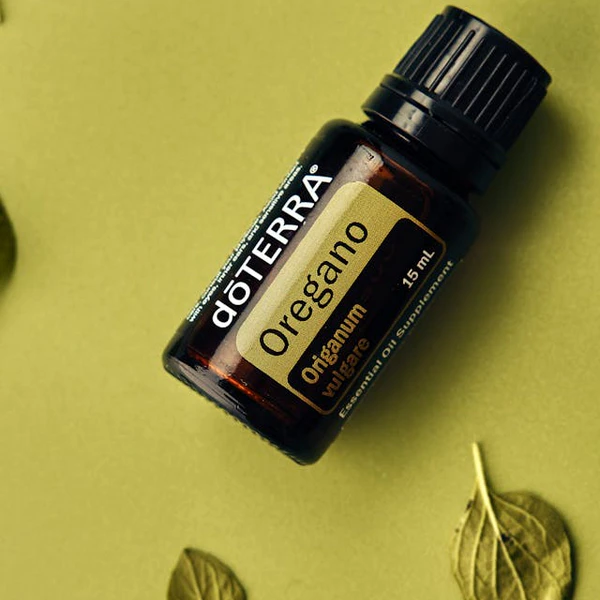
Oregano oil is a concentrated extract of sharp plant defense chemicals. The main compounds are carvacrol and thymol, and these compounds help the plant fight microbes and pests.
Carvacrol and thymol can damage microbial cell membranes in lab studies.
Reviews describe oregano oil as active against bacteria, fungi and other microbes in test settings, mainly because these compounds disturb the structure of microbial cells (1).
Strong Lab Effects
A 2025 study found that oregano oil, carvacrol and thymol had antibacterial effects in lab tests, and some combinations worked better together against tested bacteria (2).
Your body uses barriers, white blood cells, enzymes, mucus, fever, sleep signals and nutrient stores. Oregano oil can press on microbes, but it does not rebuild those systems.
Oregano oil has antimicrobial activity in research settings. Human evidence for general immune support is weak.
Human Proof Is Thin
Throat Spray Study
One human study tested a throat spray that contained several essential oils, including oregano, eucalyptus, peppermint and rosemary.
The study was randomized and double blind. People with upper respiratory infections used the spray, and the researchers checked symptoms such as sore throat, cough and hoarseness.
The spray improved symptoms after 20 minutes compared with placebo, but it did not show the same clear advantage after three days (3).
The result suggests that aromatic oils may change throat comfort for a short time. Relief in the throat is still not proof that the oil kills a virus inside the body.
Parasite Study
Another human study looked at emulsified oregano oil in adults with positive stool tests for intestinal parasites. Fourteen adults took 600 mg daily for six weeks.
Some parasite findings disappeared on follow up stool testing, and some people reported digestive symptom improvement (4).
Parasites, food poisoning, poor bile flow, poor stomach acid, gut irritation and inflammatory bowel disease can overlap. A harsh oil can make symptoms feel better in one person and worse in another.
Viral Claims
Cold and flu claims are the weakest part of the oregano oil story. Reviews describe possible antiviral effects from essential oil compounds, but the human clinical evidence is limited and scattered (5).
A virus inside the body is inside tissue, moving through cells and being handled by immune signals.
The oil would need to reach the right place at the right level for the right time without harming the person. That is a high bar.
Oregano oil has interesting antimicrobial chemistry, and broad immune claims remain weak.
The Safety Problem
Burns & Irritation
Oregano oil can burn. Undiluted essential oil can irritate skin, lips, mouth, throat, stomach and gut tissue.
Some people feel reflux, nausea, burning, diarrhea or a raw gut feeling after taking it. Stronger doses can make the problem worse.
Carvacrol and thymol have shown toxic effects in human intestinal cell models.
One study found that carvacrol and a carvacrol thymol mixture caused cytotoxic effects and visible cell changes in Caco 2 intestinal cells after exposure (6).
The gut lining is living tissue. It is not a place to pour harsh plant oil because a label says immune support.
A product that can damage microbes may also disturb tissue, mucus and normal microbes. Strong does not mean smart.
Higher Risk Groups
Oregano oil should be treated with extra caution during pregnancy, breastfeeding and childhood. The safety evidence is not strong enough to support casual use in these groups.
People with reflux, ulcers, inflamed gut disease, bleeding problems, allergy to mint family plants or very sensitive skin should also be careful. A strong oil can make irritation worse.
Bottles can vary in carvacrol level, carrier oil, purity and directions. Some products are essential oils meant for external use, while others are emulsified or diluted products meant for oral use.
Real Immune Support
Food Comes First
Your body needs amino acids, minerals, fat soluble nutrients and energy to repair barriers and respond to microbes.
Eggs, ruminant meat, oysters, sardines, salmon, butter, ghee, tallow and full fat dairy if tolerated give a stronger base than plant oil drops.
Meat gives complete protein, B12, zinc, creatine and heme iron. Oysters give copper, zinc, selenium and B12. Eggs give choline, retinol, selenium and fat.
Seafood gives DHA, iodine, selenium and protein. These foods help build tissue instead of only attacking microbes.
Seed oils, fortified cereals, ultra processed snacks and high sugar drinks work against that goal.
They crowd out better food and add metabolic strain. Immune strength is harder to sell than a bottle of oil, but the body still runs on food, sleep and minerals.
Sleep & Sunlight
Sleep is direct immune work. Poor sleep can make the body feel weaker, more inflamed and less able to recover. Sunlight helps set the body clock, and that rhythm affects sleep, appetite, mood and daily repair.
Morning outdoor light helps the brain know the day has started. Dark evenings help the body slow down.
Late sugar, alcohol, bright screens and poor food can break that rhythm. Oregano oil cannot repair a life that keeps the nervous system stressed every night.
Stress also changes how illness feels. A tired person often feels every symptom harder.
A rested person has more room to recover. The boring work of sleep and sunlight beats the loud marketing of immune drops.
Short Use Only
Oregano oil makes the most sense as a short use tool for a clear reason. It should be diluted and used with care.
It should never be used undiluted in the mouth or on mucous tissue. More is not better when the oil can burn.
Choose products that state the plant name, carrier oil, carvacrol amount and use directions. Avoid brands that promise to cure infections, replace medical care or cleanse the whole body.
Oregano oil may help in narrow antimicrobial settings, but it is not proven as a broad immune builder. Treat it as a strong plant defense oil with real irritation risk. Build immunity with nutrient dense animal foods, sunlight, sleep, minerals and a lower stress daily routine.
For any health concerns or questions about a medical condition, get guidance from a physician or another appropriately trained clinician. Before changing your diet, supplements or health routine, talk with a licensed healthcare professional.
Suggested Posts
Research
Leyva López, N. et al. 2017. Essential oils of oregano, biological activity beyond their antimicrobial properties. Molecules. DOI 10.3390/molecules22060989. PMID 28621729.
Tao, L. et al. 2025. Antibacterial activities of oregano essential oils and their main components carvacrol and thymol. Frontiers in Pharmacology. DOI 10.3389/fphar.2025.1579283.
Ben Arye, E. et al. 2011. Treatment of upper respiratory tract infections in primary care, a randomized study using aromatic herbs. Evidence Based Complementary and Alternative Medicine. DOI 10.1093/ecam/nep186. PMID 21052500.
Force, M. et al. 2000. Inhibition of enteric parasites by emulsified oil of oregano in vivo. Phytotherapy Research. DOI 10.1002/1099 1573(200005)14:3<213::AID PTR573>3.0.CO;2 M. PMID 10815019.
Prall, S. et al. 2020. Effects of essential oils on symptoms and course of viral respiratory infections in humans, a brief review. Complementary Therapies in Medicine. DOI 10.1016/j.ctim.2020.102559.
Llana Ruiz Cabello, M. et al. 2014. Cytotoxicity and morphological effects induced by carvacrol and thymol on the human cell line Caco 2. Food and Chemical Toxicology. DOI 10.1016/j.fct.2013.11.005. PMID 24326232.
Wani, A.R. et al. 2021. An updated and comprehensive review of the antiviral potential of essential oils and their chemical constituents with special focus on their mechanism of action against various influenza and coronaviruses. Microbial Pathogenesis. DOI 10.1016/j.micpath.2020.104620.
Soltani, S. et al. 2021. A review of the phytochemistry and antimicrobial properties of Origanum vulgare L. and its essential oil. Molecules. DOI 10.3390/molecules26185496.
Imran, M. et al. 2022. Therapeutic application of carvacrol, a comprehensive review. Food Science & Nutrition. DOI 10.1002/fsn3.3065. PMID 36389126.
Sakkas, H. and Papadopoulou, C. 2017. Antimicrobial activity of basil, oregano and thyme essential oils. Journal of Microbiology and Biotechnology. DOI 10.4014/jmb.1608.08024. PMID 27974776.
Horváth, G. and Ács, K. 2015. Essential oils in the treatment of respiratory tract diseases highlighting their role in bacterial infections and their anti inflammatory action. Flavour and Fragrance Journal. DOI 10.1002/ffj.3252.
Tasdemir, D. et al. 2019. Antiprotozoal activity of Turkish Origanum onites essential oil and its components. Molecules. DOI 10.3390/molecules24234368. PMID 31810215.
Strothmann, A.L. et al. 2022. Antiparasitic treatment using herbs and spices, a review of the evidence. Pathogens. DOI 10.3390/pathogens11111277. PMID 36364944.
National Institute of Diabetes and Digestive and Kidney Diseases. 2023. Oregano. LiverTox, Clinical and Research Information on Drug Induced Liver Injury. National Library of Medicine.
Vora, L.K. et al. 2024. Essential oils for clinical aromatherapy, a comprehensive review. Journal of Ethnopharmacology. DOI 10.1016/j.jep.2024.118754.