Key Takeaways
- Boron is a trace mineral your body uses in very small amounts.
- Boron helps your body use calcium, magnesium and vitamin D.
- Boron may help bones, joints, brain function and hormone signals.
- Human studies are useful, but many are still small and short.
- Plant foods can supply boron, but some bring sugar or defense compounds.
Boron Basics
Small But Useful
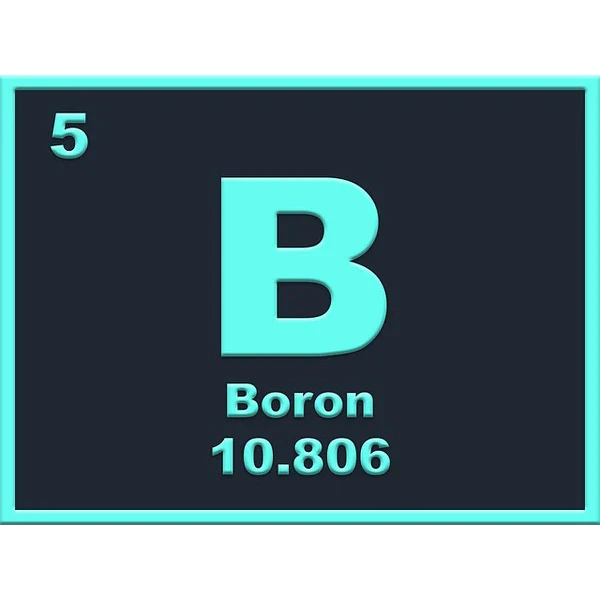
Boron is a trace mineral. Your body only needs a small amount, but small does not mean weak.
Boron is tied to bone health, mineral use, joint comfort, brain function and normal hormone signals.
Human research is still limited, but several studies show real reasons to take boron seriously (1).
Trace minerals work in small amounts because enzymes and cells use tiny amounts at a time. Boron sits close to calcium, magnesium and vitamin D activity.
These nutrients help bones, nerves, muscles and daily energy. Low boron intake can be a bigger problem when the rest of the diet is already low in minerals.
Mineral Use
Boron may help your body hold on to calcium and magnesium. Older human feeding studies found changes in mineral handling when boron intake was very low.
Research reviews also link boron with calcium use, magnesium use and vitamin D activity (2, 3).
Boron does not work alone. Bones need protein, minerals, sunlight, animal fat, strong muscles and steady movement.
Low fat eating works against strong tissue. Fortified processed food also gives a poor mineral supply because isolated added nutrients do not act like whole food.
Boron can help mineral use, but it cannot replace a strong diet. Your body still needs nutrient dense food, enough salt, enough magnesium and better copper balance.
Fortified grains, seed oils and ultra processed food move the body away from good mineral status.
Bones & Joints
Bone Health
Bone is living tissue. Your body breaks down old bone and lays down new bone every day. Boron may help bone by helping calcium and magnesium do their work.
It may also help vitamin D activity and normal hormone signals that keep bone strong (3).
A 2024 pilot study looked at women after menopause who had osteoporosis. Higher boron intake was linked with better bone mineral density.
The same study also found links with lower inflammation markers. The study was small, so it gives a useful human signal rather than final proof (4).
Bone health needs more than a capsule. Protein and fat soluble nutrients are needed for strong tissue.
Grass fed ruminant meat, organs, pasture raised eggs, wild seafood, butter, ghee and tallow give the body dense nutrition without fortified grains or seed oils.
Joint Comfort
Boron has been studied in joint health for many years. Older research linked low boron intake with higher arthritis rates in some regions.
Some people with arthritis also reported better comfort when they used boron. Early work had limits, but it helped push boron into human joint research (5).
A small double blind trial tested calcium fructoborate in people with knee osteoarthritis. The study found changes in inflammation markers and reported no serious adverse events. The trial was short and small, so the result should be read as an early human signal (6).
Joint comfort depends on load, tissue repair, minerals and inflammation control. Boron may help one part of joint health.
Strong muscles, enough protein and less processed food usually do more than one trace mineral alone.
Boron Is A Small But Mighty Mineral
Boron is usually used in doses about 3 mg per day.
Brain & Hormones
Brain Function
Boron also connects with brain function. Human studies found that very low boron intake was linked with worse attention, memory, hand control and task speed.
These controlled feeding studies help show what can happen when intake drops too low (7).
Another review from the same research group described changes in brain electrical activity and mental performance during low boron intake.
People did worse on some tasks when boron intake was low. Boron is better viewed as mineral help for normal brain work, not a quick mental boost (8).
Brain function needs steady minerals. Magnesium, sodium, potassium and copper balance all connect with energy and nerve signals.
Boron sits beside those minerals. A person eating mostly refined food can get enough calories while still missing key mineral needs.
Hormone Signals
A small study in healthy men tested boron and measured hormone markers. The researchers saw changes in free testosterone, estradiol and sex hormone binding globulin.
They also saw changes in some inflammation markers. The study was very small, so it should not be stretched into a large hormone claim (9).
Minerals affect enzymes and body signals. Boron may affect hormone markers through those routes.
Dose, sex, age, diet and health status can change the response. Strong claims need larger human trials with clear outcomes.
Inflammation Markers
Some boron studies show changes in inflammation markers. Trials using calcium fructoborate have reported changes in C reactive protein and other markers in people with knee discomfort. Marker changes are useful, but symptoms and diet still need to be judged together (10).
Inflammation often rises when tissue is under stress. Poor sleep, poor mineral intake, seed oils, high sugar intake and low protein can all add stress.
Boron may help some people, especially when the rest of the diet already gives the body what it needs.
Use vs Skip
| Use | Skip |
|---|---|
| Small dose | High dose guessing |
| Mineral context | Stacking minerals blindly |
| Food sources | Ignoring symptoms |
| Track tolerance | Expecting instant results |
Food Sources & Supplements
Food Sources
Boron comes mainly from soil, water and plant foods. Common food sources include prunes, raisins and avocados.
These foods can supply boron, but some also bring a lot of sugar or plant defense compounds. The source still counts because a useful mineral can come inside a poor food.
Many plant sources of boron are not ideal for everyone. Some higher boron foods can also carry oxalates, phytates, lectins or salicylates.
Sensitive people may feel worse when they chase plant foods just to raise boron. A trace mineral should not push the whole diet in the wrong direction.
A low carb person may prefer a small boron supplement or trace mineral product instead of dried fruit.
Boron intake from food varies widely because soil, water and processing all change the final amount.
Supplement Use
Boron supplements are usually small. Many products provide around 3 milligrams per serving.
Some studies used higher amounts for short periods, but higher intake is not automatically smarter. Trace minerals can help at small amounts and become risky when pushed too high.
The National Institutes of Health lists no recommended daily allowance for boron. It gives an adult upper intake level of 20 milligrams per day.
The same fact sheet says boron intake from food and drinks varies a lot, which makes daily intake hard to guess (11).
People with kidney disease, pregnancy, hormone sensitive conditions or complex health problems need personal guidance before using boron.
Kidneys help handle minerals, so kidney problems change the risk. A small dose, clean product and steady use make more sense than chasing a strong effect.
Better Use
Boron works best when the rest of the diet gives you enough minerals and protein. Remove fortified grains, seed oils, ultra processed food and sugar heavy snacks first.
Keep protein high and use real fats such as butter, ghee, tallow and fatty cuts of ruminant meat.
Boron can help mineral use, bone strength, joint comfort and brain work. The dose should stay small and steady. Large doses and messy supplement stacks can create problems, especially when someone already has poor mineral balance.
For any health concerns or questions about a medical condition, get guidance from a physician or another appropriately trained clinician. Before changing your diet, supplements or health routine, talk with a licensed healthcare professional.
Suggested Posts
Evidence Limits
Research
Nielsen, F.H. 2014. Update on human health effects of boron. Journal of Trace Elements in Medicine and Biology. DOI: 10.1016/j.jtemb.2014.06.023. PMID: 25063690.
Hunt, C.D. 2012. Dietary boron: progress in establishing essential roles in human physiology. Journal of Trace Elements in Medicine and Biology. PMID: 22658717.
Rondanelli, M. et al. 2020. Pivotal role of boron supplementation on bone health: A narrative review. Journal of Trace Elements in Medicine and Biology. DOI: 10.1016/j.jtemb.2020.126577. PMID: 32540741.
Rababah, T. et al. 2024. A pilot study investigating the influence of dietary boron levels on bone mineral density in postmenopausal women with osteoporosis. Food Science & Nutrition. DOI: 10.1002/fsn3.4218.
Newnham, R.E. 1994. Essentiality of boron for healthy bones and joints. Environmental Health Perspectives. PMID: 7889887.
Scorei, R. et al. 2011. A double blind placebo controlled pilot study to evaluate the effect of calcium fructoborate on systemic inflammation and dyslipidemia markers for middle aged people with primary osteoarthritis. Biological Trace Element Research. PMID: 21607703.
Penland, J.G. 1994. Dietary boron, brain function and cognitive performance. Environmental Health Perspectives. PMID: 7889884.
Penland, J.G. 1998. The importance of boron nutrition for brain and psychological function. Biological Trace Element Research. PMID: 10050926.
Naghii, M.R. et al. 2011. Comparative effects of daily and weekly boron supplementation on plasma steroid hormones and proinflammatory cytokines. Journal of Trace Elements in Medicine and Biology. DOI: 10.1016/j.jtemb.2010.10.001. PMID: 21129941.
Pietrzkowski, Z. et al. 2014. Short term efficacy of calcium fructoborate on subjects with knee discomfort: a comparative, double blind, placebo controlled clinical study. Clinical Interventions in Aging. DOI: 10.2147/CIA.S64590. PMID: 24940052.
National Institutes of Health Office of Dietary Supplements. 2022. Boron Fact Sheet for Health Professionals. Office of Dietary Supplements.
Pizzorno, L. 2015. Nothing boring about boron. Integrative Medicine. PMID: 26770156.
Nielsen, F.H. 2011. Growing evidence for human health benefits of boron. Journal of Evidence Based Complementary & Alternative Medicine. DOI: 10.1177/2156587211407638.
Rogoveanu, O.C. et al. 2015. Effects of calcium fructoborate on levels of C reactive protein, total cholesterol, low density lipoprotein cholesterol and high density lipoprotein cholesterol in patients with osteoarthritis. Biological Trace Element Research. DOI: 10.1007/s12011-014-0155-9.
Białek, M. et al. 2019. Selected physiological effects of boron compounds for animals and humans. A review. Journal of Animal and Feed Sciences. DOI: 10.22358/jafs/114546/2019.