Key Takeaways
- Pau d arco can cause nausea, loose stool, dizziness and other unwanted reactions.
- High doses may raise bleeding risk because lapachol can affect blood clotting.
- Pregnant women should avoid pau d arco because safety concerns are serious.
- Liver disease, kidney disease and medication use make pau d arco riskier.
- Product quality is a major concern because bark supplements vary widely.
Pau D Arco Basics
Tree Bark Supplement
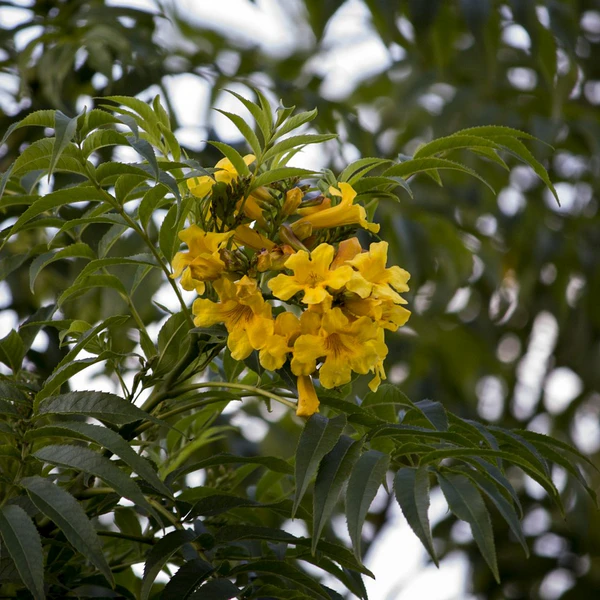
Pau d arco is made from the inner bark of trees in the Tabebuia and Handroanthus groups. It is also called lapacho or taheebo.
People use it as tea, capsules, tinctures and powders for immune support, yeast concerns, gut issues and general wellness.
The main active compounds often discussed are lapachol and related naphthoquinones.
These compounds show strong activity in lab studies, which is why marketing claims can sound impressive. Human proof is much weaker.
Memorial Sloan Kettering states that lapachol did not show clinical improvement in chronic myelocytic leukemia patients, even though pau d arco keeps appearing in cancer related supplement claims (1).
A supplement can be biologically active and still be risky. Pau d arco should not be treated like a mild tea when the product is a strong extract.
Weak Human Proof
Pau d arco has far more lab and animal research than strong human research. Some studies look at related compounds or mixed products, which makes it hard to judge the bark itself.
One open label trial used 1,050 mg daily of Tabebuia avellanedae for eight weeks in generally healthy women with primary dysmenorrhea and found it was generally tolerated in that small group (2).
Human safety data remain thin. This is a problem because pau d arco is often sold for long term use.
A short study in a selected group cannot answer what happens when people use high dose extracts for months.
Common Side Effects
Gut Reactions
Pau d arco can upset the gut. Nausea, vomiting or loose stool can happen, especially with high doses or strong extracts.
WebMD lists nausea, diarrhea and dizziness among possible side effects and warns that high doses may be unsafe (3).
Gut symptoms can come from the bark, the alcohol base in tinctures or other herbs in a blend.
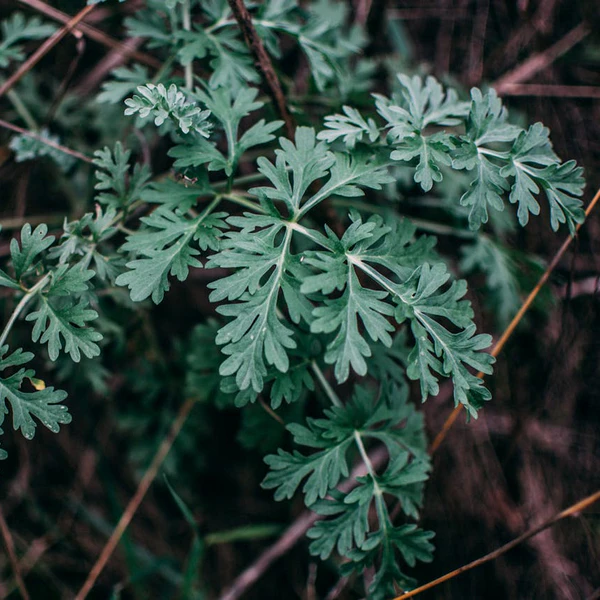
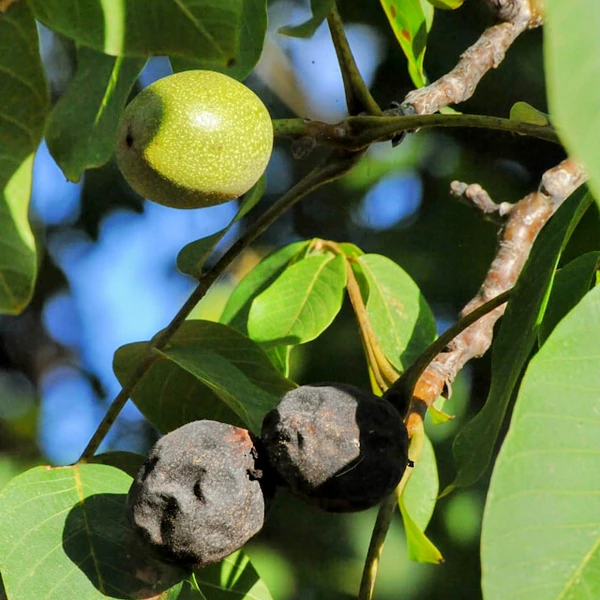
Many products mix pau d arco with black walnut, wormwood or clove. Blends make reactions harder to track because several harsh compounds enter the body together.
Stop using it if stomach symptoms are strong or keep going. Do not keep taking more because a label calls the reaction a cleanse.
Ongoing vomiting, bad belly pain or black stool needs medical review.
Dizziness & Headache
Some users report dizziness or headache. These symptoms can appear with gut upset, low intake, dehydration or sensitivity to the herb. Strong tinctures may also affect people differently from tea.
Dizziness becomes more concerning when someone uses blood pressure drugs, blood thinners or sedatives.
A person may blame stress or poor sleep while the supplement is changing how the body feels. A clean trial means one product at a time and clear symptom tracking.
Avoid driving or risky work if pau d arco makes you lightheaded. A supplement should not make normal daily tasks less safe. Stop use if dizziness returns after each dose.
Bleeding & Blood Risks
Lapachol Concern
Lapachol is one of the main compounds tied to pau d arco safety concerns. Older human cancer research with lapachol reported toxic effects and poor results, including blood related concerns.
Modern supplement products may not contain the same dose, but the history shows why this compound deserves respect (4).
Several consumer medical sources warn that pau d arco may raise bleeding risk.
MedicineNet tells users to stop pau d arco at least two weeks before surgery and avoid use with blood thinning drugs such as warfarin (5).
Bleeding risk can show up as easy bruising, nosebleeds or blood in stool. Those signs need quick review, especially when blood thinning medication is involved.
Never treat bleeding symptoms as normal detox.
Surgery Risk
Pau d arco should be stopped before surgery unless a clinician gives different instructions.
Surgery already involves bleeding control, anesthesia and wound healing. A supplement that may affect clotting adds avoidable uncertainty.
Tell the surgical team about every herb and supplement you use. Many people forget bark teas, tinctures and powders because they do not think of them as active medicine.
The safest rule is to disclose pau d arco early. Do not wait until the day of surgery. A clinician needs enough time to judge bleeding risk and medication overlap.
Drug Interaction Risks
Blood Thinners
People using blood thinners should avoid pau d arco unless a clinician reviews it. The main concern is added bleeding risk. This applies to warfarin, aspirin and clopidogrel.
The risk is not limited to prescription drugs. Some supplements can also affect bleeding. Using several products together can make bruising or bleeding more likely.
Pau d arco also has uncertain product strength. A tea, capsule and tincture may deliver very different exposure. Blood thinner users need stable routines, not unclear bark extracts.
Cancer Treatment
Pau d arco is sometimes promoted to cancer patients, which is risky. Lab studies do not prove cancer benefit in humans.
Memorial Sloan Kettering warns that it can interact with blood thinners and that lapachol did not help patients with chronic myelocytic leukemia in clinical work (1).
Cancer care often uses drugs with narrow safety windows. Adding herbs without disclosure can change bleeding risk, liver stress or side effect tracking.
A patient may think the herb is natural support while it complicates treatment decisions.
No one should use pau d arco as cancer treatment. Anyone in cancer care should show the exact product label to the treatment team. Guessing can create avoidable harm.
Liver Drug Pathways
Pau d arco products may affect the body in ways that matter for medication handling, but good human interaction studies are limited.
This uncertainty should lead to more caution, not less. People using important drugs should avoid adding strong herbs without review.
The liver processes many drugs and plant compounds. A strong extract can add work for the liver, especially when someone already uses medication or drinks alcohol.
Liver symptoms can be quiet until the problem becomes larger.
Medication users should bring the bottle, dose and full ingredient list to a clinician. The exact product matters because many pau d arco supplements contain other herbs.
Higher Risk Groups
Pregnancy & Breastfeeding
Pregnant women should avoid pau d arco. MedicineNet warns that lapachol may cause pregnancy loss, and WebMD says there is not enough safety information for pregnancy or breastfeeding (5, 3).
Pregnancy is a poor time to test strong herbs. The baby is more vulnerable to toxic compounds, and the mother has less room for avoidable risk.
Breastfeeding also needs caution. Compounds from herbs may reach milk, and good infant safety data are lacking. Avoid pau d arco unless a trained clinician reviews the exact reason and product.
Children & Teens
Children should not use pau d arco casually. Their smaller body size makes dose errors more serious. Their liver and kidney systems also have less margin for products with unknown strength.
Teenagers may buy parasite cleanses, yeast blends or immune formulas online. These products often use strong herbs and vague directions.
Avoid using pau d arco for children unless a clinician gives direct guidance. The risk is not worth guessing.
Liver Or Kidney Disease
People with liver or kidney disease should avoid casual pau d arco use. These organs help process and clear compounds from the body.
High dose pau d arco has been linked with concerns about liver damage in safety summaries.
Verywell Health warns that high doses may be toxic and may cause liver damage or DNA damage, while noting that human evidence is limited (6).
Kidney disease raises similar concerns. Poor clearance can make unwanted effects last longer. A supplement with uncertain dose and purity is a bad match for weak kidney function.
Product Quality Problems
Species Confusion
Pau d arco labels can be unclear. Some products list Tabebuia impetiginosa, Tabebuia avellanedae or Handroanthus impetiginosus. Other products only say pau d arco bark without a clear Latin name.
Species confusion matters because plant chemistry can vary. Bark source, harvest and extraction also change the final product. A vague label gives no solid way to judge exposure.
Choose products only when the Latin name, plant part and dose are clear. Avoid blends when you are trying to judge safety. A single herb product is easier to track than a large formula.
Dose Confusion
There is no standard safe dose that applies to every product. Tea, capsules and tinctures do not deliver the same amount of active compounds.
Many labels use traditional wording without clear strength. Some products list bark weight, while others list extract weight. These numbers are not equal.
Avoid high dose use and long term daily use. Short use with a clear reason is safer than open ended use. Stop if side effects appear.
Hidden Blends
Pau d arco often appears in Candida, parasite and detox blends. These products may contain several strong herbs. Side effects become hard to trace when the formula has many active ingredients.
Detox claims are often vague. Your liver, kidneys, bile and gut already handle waste removal. A harsh herbal blend can upset the body without proving that it removed anything useful.
A cleaner approach is to find the actual cause of symptoms. Gut testing, food review and medical assessment can prevent needless exposure. Guessing with strong herbs can delay better care.
Safer Use Rules
Short Duration
If pau d arco is used, it should have a clear reason, low dose and stop date. Do not take it daily for months without review. Long use adds risk while the benefit remains uncertain.
Avoid taking it before surgery. Avoid it with blood thinners. Avoid it during pregnancy and breastfeeding.
Stop use if you get strong nausea, bleeding or dizziness. Get medical help fast if you vomit blood, pass black stool or feel faint.
Label Checks
A safer label should show the Latin name, plant part, dose and full ingredient list. Bark products can carry unwanted substances from soil, storage or poor handling.
Avoid products that promise disease cures. Avoid products that hide behind vague cleanse language. Strong claims often come with weak proof.
Bring the bottle to a clinician if you take medication. The exact product gives more useful information than the phrase pau d arco. Safety depends on the real contents, not the name alone.
Pau d arco may have a place in careful herbal use, but the risks are often underplayed. The main concerns are gut reactions, bleeding risk, pregnancy safety, medication overlap and poor product quality. Respect the herb before using it.
For any health concerns or questions about a medical condition, get guidance from a physician or another appropriately trained clinician. Before changing your diet, supplements or health routine, talk with a licensed healthcare professional.
Suggested Posts
Research
Memorial Sloan Kettering Cancer Center, 2026. Pau d’Arco. Integrative Medicine. Available at https://www.mskcc.org/cancer-care/integrative-medicine/herbs/pau-d-arco
McClure, C. et al., 2022. Safety and tolerability of Pau d’ Arco Tabebuia avellanedae for primary dysmenorrhea. A single arm open label trial on adults ages 18 to 45. Global Advances in Integrative Medicine and Health. DOI 10.1177/21649561221087140. PMID 36909815
WebMD, 2026. Pau d’Arco. Uses, Side Effects and More. Available at https://www.webmd.com/vitamins-supplements/pau-darco
Block, J.B., Serpick, A.A., Miller, W., Wiernik, P.H. and Sarma, P.R., 1974. Early clinical studies with lapachol NSC 11905. Cancer Chemotherapy Reports. PMID 2891337
MedicineNet, 2022. Pau d’Arco Herbal Uses, Warnings, Side Effects, Dosage. Available at https://www.medicinenet.com/pau_darco/article.htm
Verywell Health, 2024. Pau D’Arco Benefits and What the Science Says. Available at https://www.verywellhealth.com/what-is-pau-darco-89494
Müller, K., Sellmer, A. and Wiegrebe, W., 1999. Potential antipsoriatic agents. Lapacho compounds as potent inhibitors of HaCaT cell growth. Journal of Natural Products. DOI 10.1021/np990050y. PMID 10579877
Awang, D.V.C., 1991. Taheebo and lapacho. HerbalGram.
Epifano, F., Genovese, S., Fiorito, S., Mathieu, V. and Kiss, R., 2014. Lapachol and its congeners as anticancer agents. A review. Phytochemistry Reviews. DOI 10.1007/s11101-014-9365-8
Ferreira, V.F., Jorqueira, A., Souza, A.M.T. and Silva, M.N., 2006. Natural products and their derivatives against cancer. The case of lapachol. Anais da Academia Brasileira de Ciências. DOI 10.1590/S0001-37652006000400011. PMID 17273671
Pires, T.C.S.P. et al., 2015. Tabebuia avellanedae inner bark extract. A source of antioxidant and anti inflammatory compounds. Industrial Crops and Products. DOI 10.1016/j.indcrop.2015.03.040
Park, B.S. et al., 2005. Antibacterial activity of Tabebuia impetiginosa Martius ex DC. Evidence Based Complementary and Alternative Medicine. DOI 10.1093/ecam/neh054. PMID 15841274
Gómez Castellanos, J.R., Prieto, J.M. and Heinrich, M., 2009. Red Lapacho Tabebuia impetiginosa. A global ethnopharmacological commodity? Journal of Ethnopharmacology. DOI 10.1016/j.jep.2009.07.004. PMID 19596396
Rao, K.V., McBride, T.J. and Oleson, J.J., 1968. Recognition and evaluation of lapachol as an antitumor agent. Cancer Research. PMID 5678933
Oliveira, M.F. et al., 1990. Toxicity of lapachol and derivatives. Memórias do Instituto Oswaldo Cruz. DOI 10.1590/S0074-02761990000700032. PMID 2134706