Key Takeaways
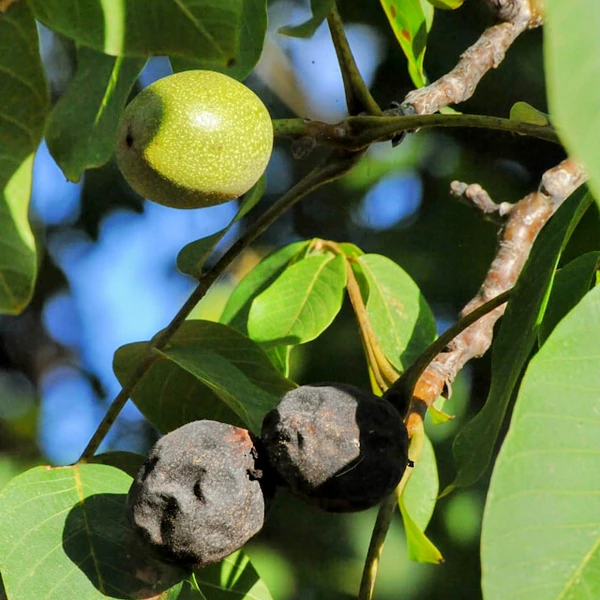
- Black walnut hull is the green outer cover used in bitter herbal gut products.
- You use the hull for bowel routines, not the black walnut nut itself.
- Juglone, tannins and polyphenols give the hull its sharp taste and strong action.
- Low amounts reduce the chance of nausea, cramps, loose stool and throat burn.
- Stop use if the gut feels worse, skin reacts or breathing feels abnormal.
Black Walnut Basics
The Hull
Black walnut hull is the green outer cover around the hard shell of Juglans nigra. The nut inside is food. The hull is the bitter part used in herbal products for the gut.
The hull stains hands and cloth. It also has a sharp taste. Walnut husk research lists several compound groups in the husk, including naphthoquinones, phenolic acids and flavonoids (1).
Use products that name the hull on the label. A product that only says black walnut can be unclear because the nut and hull are different parts of the plant.
Juglone & Tannins
Juglone is the best known chemical in black walnut hull. Black walnut trees release juglone into nearby soil. The compound affects plants and microbes near the roots.
Research links juglone with oxidative stress and cell signaling. It can change enzyme activity and cell behavior in lab settings (2).
Tannins give the hull a dry bitter taste. They bind proteins. They can leave the mouth or throat feeling dry.
Polyphenols add more plant activity. A whole hull product contains many chemicals at once. The amount on the label tells you how much plant material you are taking.
Product Forms
Black walnut hull usually comes as a tincture, capsule or powder. Fresh green hull tinctures are common in herbal use. Dried hull capsules are common in store products.
Pick one product at a time. Large blends make it harder to know which herb caused a reaction.
The label should show the amount per serving. Hidden amounts force guesswork. Guessing is a bad plan with a bitter hull herb.
Gut Effects
Bacteria
Black walnut hull appears in gut products because black walnut material has shown antibacterial activity in lab tests. One study found several antibacterial compounds in Juglans nigra material (3).
Lab data does not prove a finished supplement will fix a gut problem. It proves the plant contains chemicals that can affect bacteria.
Use that information plainly. The hull has real activity. The gut may react when the amount is too high.
Bowel Use
People use black walnut hull in bowel cleanse products. The bitter taste and dry mouth feel come from the hull itself.
Start with the smallest amount on the label. Keep the first run short. Stop when nausea, cramps or loose stool appears.
Keep food simple while using the hull. Beef with eggs gives complete protein and animal fat without grains or seed oils.
Avoid adding several new products at once. One change at a time makes the body response easier to read.
Parasite Products
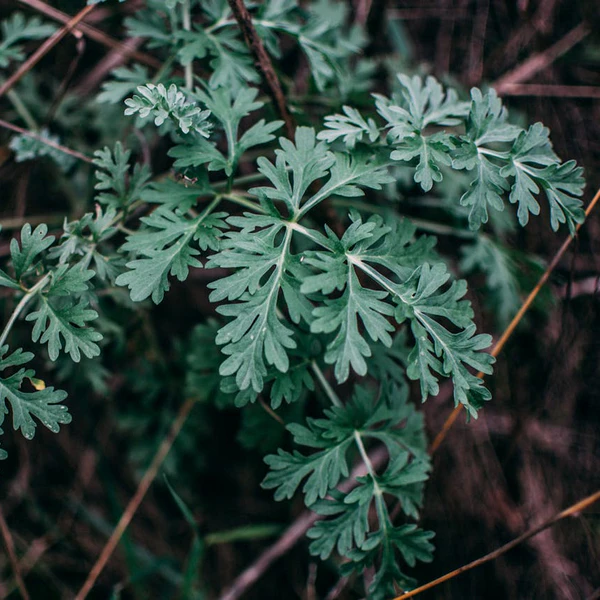
Black walnut hull appears in many parasite products. Many formulas also contain cloves or wormwood.
Human trials on black walnut hull for parasites are limited. The use comes from herbal practice, bitter taste and the chemistry of the hull.
Choose a product that lists the hull amount. Avoid blends that hide the amount. Stop the product if the gut gets worse.
Cell Effects
Immune Cells
Black walnut extract changed immune activity in a lab study using human cells. The extract lowered cytokine output after the cells were exposed to lipopolysaccharide (4).
The gut lining meets food material and bacteria every day. Herbs with immune effects can feel noticeable when the gut is already irritated.
Use a low amount first. Raise nothing after a bad reaction. Stop the product and let the gut settle.
Oxidation
Juglone can change redox activity inside cells. Research links juglone with oxidative stress, enzyme activity and cell survival pathways (2).
A small amount for a short run gives the body less exposure. Heavy daily use gives the body more exposure.
Use black walnut hull like a strong herb. Keep the amount low at first. Keep the run limited.
Cell Safety
Juglone has strong effects in toxicology research. One study reported cytotoxic and mutagenic activity from juglone under test conditions (5).
Animal research also found juglone toxicosis after exposure to black walnut material in ponies and horses (6).
Those findings do not cancel traditional use. They show why dose, product type and course length need control.
Safety Points
Gut Reactions
Black walnut hull can irritate the mouth, throat and gut. Nausea, cramps or loose stool means the product does not agree with you.
- Stop use after throat burn.
- Stop use after stomach pain.
- Stop use after worse bowel changes.
- Do not increase the amount after a bad reaction.
- Do not combine it with several other harsh gut herbs.
People with ulcers or active gut pain should avoid casual use. Irritated tissue reacts faster to bitter hull products.
Allergy & Skin
Black walnut comes from a tree nut plant. Avoid black walnut hull if tree nuts have caused serious reactions.
The hull can stain skin. It can also irritate sensitive skin after direct contact. Wash the area if redness or itching starts.
Stop use after rash, swelling or breathing trouble. Get urgent help for breathing trouble or throat swelling.
Avoid casual use during pregnancy. Strong gut herbs need personal guidance in that situation.
Label Problems
The product should say black walnut hull. The amount per serving should be easy to find. Avoid products that hide the amount. Avoid blends with many bitter herbs and no clear dose.
A single herb product gives better control. Control matters most when a plant can irritate the gut.
Use Rules
Start Low
Begin with the smallest amount on the label. Stay there for the first run. Take it with water. Use it away from minerals because tannins can bind compounds in the gut.
Keep magnesium and trace minerals at a different time. Several hours of space is enough for a clean routine.
Keep It Short
Use black walnut hull for days or a few weeks. Follow the product label. Long daily use raises the chance of dry mouth and gut irritation. Stop when the planned run ends.
Stop earlier if nausea, cramps or rash appears. How your body responds is more important than the schedule.
Keep Food Plain
Use one labeled product. Keep food simple. Drink water. Avoid sugar, grains and ultra processed food while judging the gut. Those foods can change stool and confuse the response.
Black walnut hull should not carry the whole gut plan. Food, water and sleep still shape digestion every day.
For any health concerns or questions about a medical condition, get guidance from a physician or another appropriately trained clinician. Before changing your diet, supplements, or health routine, talk with a licensed healthcare professional.
Suggested Posts
Research
Jahanban Esfahlan, A. et al., 2019. A Comprehensive Review on the Chemical Constituents and Functional Uses of Walnut Juglans spp. Husk. International Journal of Molecular Sciences. DOI 10.3390/ijms20163920. PMID 31394775
Ahmad, T. and Suzuki, Y.J., 2019. Juglone in Oxidative Stress and Cell Signaling. Antioxidants. DOI 10.3390/antiox8060091. PMID 31013617
Ho, K.V. et al., 2018. Identifying Antibacterial Compounds in Black Walnuts Juglans nigra Using a Metabolomics Approach. Metabolites. DOI 10.3390/metabo8040058. PMID 30241394
Ho, K.V. et al., 2019. Black Walnut Juglans nigra Extracts Inhibit Proinflammatory Cytokine Production from Lipopolysaccharide Stimulated Human Promonocytic Cell Line U 937. Frontiers in Pharmacology. DOI 10.3389/fphar.2019.01055. PMID 31607915
Erisen, S. et al., 2020. Cytotoxic and Mutagenic Potential of Juglone. Mutation Research Genetic Toxicology and Environmental Mutagenesis. DOI 10.1016/j.mrgentox.2020.503251. PMID 33422926
True, R.G. et al., 1980. Induced juglone toxicosis in ponies and horses. American Journal of Veterinary Research. PMID 7436086
von Kiparski, G.R., Lee, L.S. and Gillespie, A.R., 2007. Occurrence and fate of the phytotoxin juglone in alley soils under black walnut trees. Journal of Environmental Quality. DOI 10.2134/jeq2006.0273. PMID 17412906
Athaillah, Z.A. et al., 2024. Analysis of juglone concentrations in walnut shells and husks of black walnut Juglans nigra. Cogent Food & Agriculture. DOI 10.1080/23311932.2024.2437135
Mukarram, S.A. et al., 2024. Global Perspectives on the Medicinal Implications of Green Walnut. Horticulturae. DOI 10.3390/horticulturae10050433
WebMD, 2026. Black Walnut. Uses, Side Effects, and More.
RxList, 2021. Black Walnut. Health Benefits, Side Effects, Uses, Dose and Precautions.
Healthline, 2019. Black Walnuts. A Nutritious Nut Reviewed.
Verywell Health, 2025. Health Benefits of Black Walnuts.
Southern Cross University, 2023. Juglans nigra. Medicinal Plant Monographs.
Medical News Today, 2019. Black walnut benefits and side effects.