Key Takeaways
- Wormwood is a strong bitter herb, so casual daily use can create real problems.
- The biggest risk comes from thujone, a compound that can affect the nervous system.
- Essential oil products carry higher risk than tea, capsules or dried herb products.
- Stop wormwood after shaking, confusion, vomiting, seizures, rash or breathing trouble.
- Use short courses only, and avoid wormwood during pregnancy or seizure disorders.
Wormwood Basics
Bitter Herb
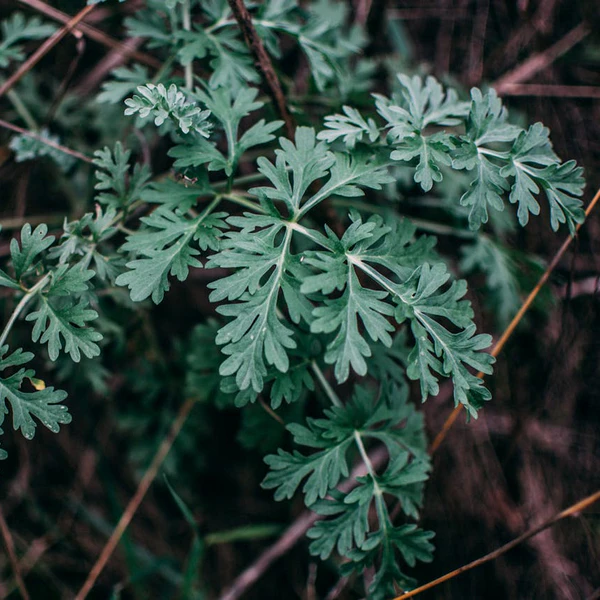
Wormwood means Artemisia absinthium. It is a bitter herb used in old digestive formulas, parasite blends and absinthe history.
The plant contains bitter compounds, volatile oils and other chemicals that can affect the gut and nervous system.
Wormwood is not a casual daily herb. The same bitter taste that makes it useful can also make it rough when the amount is too high.
Thujone is the main compound behind many safety concerns, especially in concentrated oils and strong extracts (1).
Thujone
Thujone is a natural compound found in wormwood and some other plants. It can affect GABA receptors, which help control nerve activity.
Too much thujone can push the nervous system in the wrong direction.
Research on alpha thujone shows that it can block GABA type A receptor activity. High doses can cause shaking, agitation and seizures (2).
Product Strength
Wormwood products do not all have the same strength. A tea made from dried herb is not the same as essential oil. A capsule is not the same as a high strength extract.
Essential oil is the highest risk form because it concentrates volatile compounds. Poisoning research on Artemisia oil found thujone after repeated oral use of an essential oil product (3).
Mistakes With Wormwood
Using Essential Oil
Do not take wormwood essential oil by mouth. Essential oils concentrate plant chemicals far beyond normal tea or dried herb use. Wormwood oil raises the risk of thujone exposure.
Repeated use of Artemisia essential oil caused poisoning in a published case report. The report found thujone in the poisoning case, and the exposure came from oral essential oil use (3).
Capsules and tinctures still need care. Essential oil needs stronger care. Oral use of wormwood oil is the wrong risk level for a home gut routine.
Taking Too Much
High wormwood amounts can cause nausea, vomiting, dizziness and nervous system symptoms. Stronger reactions can include shaking, confusion and seizures. Stop the product if any of those symptoms appear.
Wormwood has a long history, but history does not remove dose risk. Thujone containing products need limits because the nervous system can react badly when exposure is too high (4).
Do not raise the amount because the first dose felt mild. Bitter herbs can irritate the gut after repeated use. A delayed bad reaction still counts.
Using It Too Long
Wormwood belongs in short runs. Long daily use gives the body more thujone exposure and more bitter irritation.
A short run means the product has a clear start and stop. A label that encourages open ended use deserves caution. The strongest labels give serving size, herb form and course length.
Stop earlier if the body reacts. Rash, stomach pain, shaking or mood changes are enough reason to quit.
Gut Effects
Digestion
Wormwood is bitter. Bitter herbs can make the mouth water and can push digestive secretions. Many people use wormwood before food or inside gut cleanse products for that reason.
The gut can also reject it. Wormwood can feel harsh when the stomach lining is irritated. Nausea and cramping mean the product is too strong for the moment.
Plain food makes gut reactions easier to read. Beef with eggs gives complete protein and animal fat without grains or seed oils.
Parasite Products
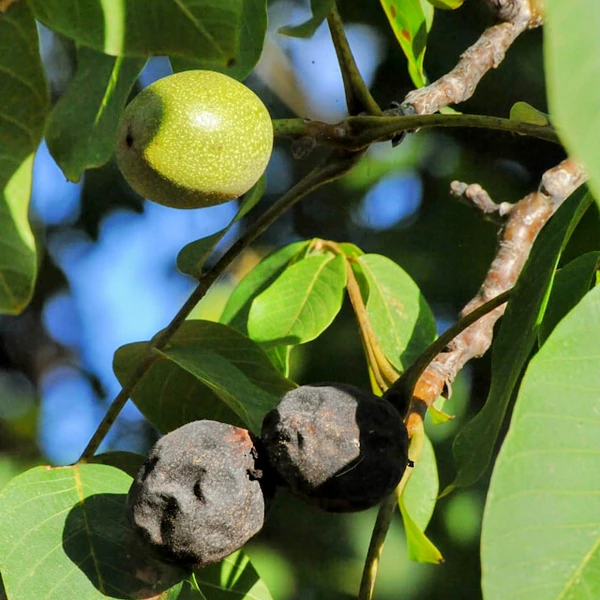
Wormwood appears in many parasite products. Many blends combine it with black walnut hull or clove. Large blends make side effects harder to trace.
Human proof for many retail parasite claims is weaker than the marketing suggests. Wormwood has active compounds, but a label claim is not the same as proof in your body.
Use one product with a clear amount. Stop if the gut gets worse. Do not stack multiple bitter products at the same time.
Gut Inflammation
One small Crohn disease study used a wormwood product with standard care and reported a steroid sparing effect.
The study shows that Artemisia absinthium can affect gut related immune activity in humans (5).
Gut disease is not the same as a casual cleanse. People with active gut disease need direct clinical guidance before using strong bitter herbs.
Safety Risks
Nervous System
The main serious risk is the nervous system. Thujone can affect nerve signaling. Symptoms can move from mild agitation to seizures when exposure is high enough.
Stop wormwood after shaking, confusion, severe dizziness or seizure symptoms. Get urgent help after a seizure, breathing trouble or throat swelling.
People with seizure disorders should avoid wormwood unless a qualified clinician gives personal guidance. Thujone risk makes casual use a poor choice in that situation.
Pregnancy
Avoid wormwood during pregnancy. Strong bitter herbs can affect the body in ways that make casual use unsafe. Wormwood also carries thujone concerns.
Avoid wormwood while breastfeeding unless a trained clinician gives personal guidance. The infant adds a second safety concern.
Do not give wormwood to children. A child has less margin for dose mistakes.
Liver Concerns
Wormwood has shown liver related effects in animal research. Some studies show protective effects in specific toxin models, but those findings do not make high dose use safe in people.
A pre clinical toxicity study found changes in blood chemistry, tissue findings and behavior after Artemisia absinthium extract exposure in animals (6).
People with liver disease should avoid casual wormwood use. The herb is active enough to deserve a clear reason and proper supervision.
Safer Use Rules
Read The Label
Buy a product that clearly says Artemisia absinthium. The label should show the amount per serving. Avoid labels that hide the herb amount inside a blend.
Skip products that promote wormwood essential oil for internal use. That form carries a higher risk.
Use the smallest listed amount at first. Do not mix several wormwood products on the same day.
Keep It Short
Use wormwood for a limited run only. Follow the product label. Stop sooner if symptoms start.
Do not use wormwood as a daily background herb. Bitter herbs can irritate the gut, and thujone exposure can build with repeated use.
Keep wormwood away from alcohol. Alcohol adds stress to the nervous system and liver.
Stop Fast
Stop wormwood after nausea, vomiting, cramps or loose stool. Stop after shaking, confusion or a racing heartbeat.
Stop after rash, swelling or throat tightness. Get urgent help for breathing trouble. A bad reaction means the product is wrong for the body at that time. Do not push through it.
For any health concerns or questions about a medical condition, get guidance from a physician or another appropriately trained clinician. Before changing your diet, supplements, or health routine, talk with a licensed healthcare professional.
Suggested Posts
Research
Lachenmeier, D.W., 2010. Wormwood Artemisia absinthium L. A curious plant with both neurotoxic and neuroprotective properties. Journal of Ethnopharmacology. DOI 10.1016/j.jep.2010.05.025. PMID 20542104
Höld, K.M., Sirisoma, N.S., Ikeda, T., Narahashi, T. and Casida, J.E., 2000. Alpha thujone, the active component of absinthe. Gamma aminobutyric acid type A receptor modulation and metabolic detoxification. Proceedings of the National Academy of Sciences. DOI 10.1073/pnas.97.8.3826. PMID 10725394
Di Lorenzo, C. et al., 2018. Identification and Quantification of Thujone in a Case of Poisoning Due to Repeated Oral Intake of an Artemisia vulgaris L. Essential Oil. Journal of Analytical Toxicology. DOI 10.1093/jat/bky042. PMID 30044501
Pelkonen, O., Abass, K. and Wiesner, J., 2013. Thujone and thujone containing herbal medicinal and botanical products. Regulatory status and toxicological assessment. Regulatory Toxicology and Pharmacology. DOI 10.1016/j.yrtph.2012.11.002. PMID 23201408
Omer, B. et al., 2007. Steroid sparing effect of wormwood Artemisia absinthium in Crohn’s disease. Phytomedicine. DOI 10.1016/j.phymed.2007.07.004. PMID 17709257
Kauser, S. et al., 2023. Pre clinical toxicity assessment of Artemisia absinthium extract through biochemical, hematological, histopathological and behavioral parameters. Frontiers in Pharmacology. DOI 10.3389/fphar.2023.1214720. PMID 37484893
European Medicines Agency, 2012. Public statement on the use of herbal medicinal products containing thujone revision 1. EMA HMPC.
Batiha, G.E.S. et al., 2020. Bioactive Compounds, Pharmacological Actions, and Pharmacokinetics of Wormwood Artemisia absinthium. Antibiotics. DOI 10.3390/antibiotics9060353. PMID 32585814
MedicineNet, 2019. Wormwood Artemisia absinthium oral. Uses, Side Effects and Dosage.
WebMD, 2026. Wormwood. Uses, Side Effects and More.
Padosch, S.A., Lachenmeier, D.W. and Kröner, L.U., 2006. Absinthism. A fictitious 19th century syndrome with present impact. Substance Abuse Treatment, Prevention, and Policy. DOI 10.1186/1747-597X-1-14. PMID 16722551
Rietjens, I.M.C.M. et al., 2005. Alkenylbenzene containing herbs and spices. Phytochemical and toxicological assessment. Food and Chemical Toxicology. DOI 10.1016/j.fct.2005.02.004. PMID 15893413
Efferth, T., 2017. From ancient herb to modern drug. Artemisia annua and artemisinin for cancer therapy. Seminars in Cancer Biology. DOI 10.1016/j.semcancer.2017.02.009. PMID 28254662
Willcox, M., Bodeker, G. and Rasoanaivo, P., 2004. Traditional medicinal plants and malaria. CRC Press.
Gilani, A.H. and Janbaz, K.H., 1995. Preventive and curative effects of Artemisia absinthium on acetaminophen and CCl4 induced hepatotoxicity. General Pharmacology. DOI 10.1016/0306-3623(94)00127-R. PMID 7781897