Key Takeaways
- Composting turns food scraps and yard waste into useful material for soil.
- Good compost needs air, moisture, dry material and fresh plant waste.
- Dry leaves, plain paper and small twigs help control smell and wetness.
- Food scraps and grass clippings break down faster when covered with browns.
- Finished compost improves soil, reduces waste and supports healthier garden growth.
Composting Basics
Main Idea
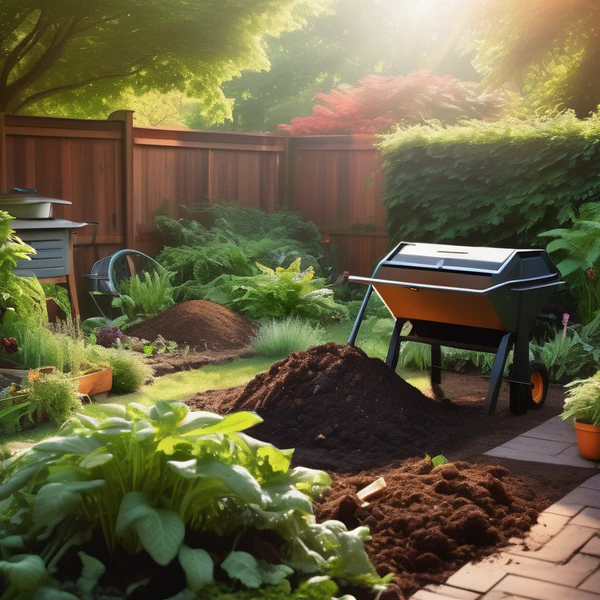
Composting turns old plant material, food scraps and yard waste into dark soil material. Small organisms do most of the work. They need air, moisture and the right mix of dry and wet material.
Food scraps and yard waste often go into trash bins. In landfills, this material can break down without enough air and release methane.
The EPA says composting food scraps and yard trimmings returns nutrients and carbon to soil instead of sending them to landfills (1).
Home composting does not need expensive gear. Use a bin, a yard corner or a small tumbler. Keep adding scraps, cover wet material with dry material and turn the pile when it gets packed down.
Browns & Greens
Compost needs browns and greens. Browns are dry materials with more carbon. Use dry leaves, shredded plain paper or small twigs.
Greens are wetter materials with more nitrogen. Use fruit scraps, grass clippings or coffee grounds.
Cornell explains that compost works best near a carbon to nitrogen ratio of 30 to 1 by weight (2). Home compost does not need exact measuring.
Most small piles need more browns than greens because food scraps can get wet and sour fast.
Use two or three parts browns for one part greens. Cover fresh food scraps with dry leaves or shredded paper. The dry layer soaks up moisture, cuts smell and keeps air moving through the pile.
Air & Moisture
Compost needs air. Material breaks down better when oxygen reaches the middle of the pile. Good compost smells earthy. Sour or rotten smell usually means the pile is too wet or too packed.
Moisture should feel like a damp sponge. Too much water pushes out air. Too little water stops the small organisms from working.
Add dry leaves when the pile is wet. Add a little water when the pile is dry.
Most beginner problems come from too much wet food and not enough dry cover. Keep a bag of leaves or shredded paper beside the bin. Cover each new food layer right away.
Starting The Pile
Choose A Spot
Pick a place that is easy to reach. Compost works better when the bin sits where you will use it. The spot should drain after rain and leave enough room to turn the material.
Bare soil works well for a simple outdoor pile. Worms and small organisms can move into the pile from below.
Closed bins work better where pests are common. Tumblers work in small yards, but they still need enough dry material.
Apartment composting needs a smaller setup. Worm bins can handle some kitchen scraps indoors. Local drop off programs can take scraps when home space is limited.
First Layers
Start with rough dry material at the bottom. Small sticks, dry leaves or coarse plant stems help air move through the lower pile.
Add food scraps or fresh grass next. Cover the wet layer with dry browns.
Keep fresh food buried. Open food on top can bring flies and pests. Dry cover also cuts smell and keeps the pile looking cleaner.
Cut large pieces before adding them. Smaller pieces break down faster. Melon rind, banana peels and thick stems need more time when they go in whole.
Weekly Care
Add scraps as they come. Cover each wet layer with browns. Turn the pile every week or two when faster compost is wanted. Leave it longer when less work is preferred.
Cornell Cooperative Extension says chopping materials, mixing high carbon and high nitrogen material and keeping moisture and air in balance will speed composting (3).
Slow compost still works. It just takes more time.
Food scraps alone create trouble. They get wet, sour and smelly. Dry leaves, shredded paper and small woody pieces keep the pile open and balanced.
Soil Quality Changes The Result
Plant health depends on soil, water, sunlight, pests and mineral balance.
What Goes In
Good Materials
Most plant scraps from the kitchen can go into a home compost pile. Fruit peels, vegetable ends and coffee grounds break down well.
Crushed eggshells can go in too, although they break down slowly.
Yard material helps the pile. Dry leaves are one of the best brown materials. Grass clippings can heat the pile when mixed with enough dry material.
Chopped plant trimmings break down faster than long stems.
Plain paper can help when leaves are scarce. Use shredded cardboard, plain paper bags or uncoated paper. Keep glossy paper out because coatings and inks can add unwanted material.
Leave These Out
Home piles usually should keep meat, fish and dairy out. These foods can smell and attract pests. They also need higher heat and better control than most home piles provide.
Keep oily food, greasy scraps and large amounts of cooked food out of open home piles. Oil blocks air spaces and slows breakdown. Cooked food can attract rodents when it sits near the top.
Dog and cat waste should stay out of garden compost. It can carry germs that do not belong in soil used around food plants.
Weeds with mature seeds should also stay out unless the pile gets hot enough to kill them.
Smell Problems
Bad smell usually means the pile is too wet. Add dry leaves, shredded paper or cardboard. Turn the pile to bring air back into the middle.
No activity usually means the pile is too dry or too low in greens. Add water slowly while mixing. Add fresh grass clippings or food scraps if the pile is mostly dry leaves.
Flies usually mean food is exposed. Bury scraps deeper. Cover the top with dry material every time food is added.
Use vs Avoid
| Use | Avoid |
|---|---|
| Compost | Overwatering |
| Clean water | Poor drainage |
| Healthy soil | Unknown sprays |
| Pest inspection | Ignoring soil problems |
Finished Compost
Ready Signs
Finished compost looks dark and crumbly. It smells earthy. Clear food scraps should be mostly gone. Small sticks and eggshell pieces can be screened out or returned to the pile.
Compost can take a few months or much longer. Warm weather, small pieces, regular turning and good moisture make it faster. Cold weather slows the process.
Compost can also rest after the active stage. Resting helps the material settle and become gentler for plants.
FAO describes composting as controlled breakdown of organic matter by microorganisms, which turns raw material into a more stable soil amendment (4).
Garden Use
Finished compost can go around plants, into garden beds or into soil before planting. It improves soil texture, helps soil hold water and adds organic matter.
FAO soil guidance explains that soil organic matter helps store nutrients and improve soil structure (5). Compost helps soil work better even when it is not a strong fertilizer by itself.
Fresh food scraps should stay out of garden beds unless they are handled carefully. They can attract pests and smell bad. Finished compost is safer and easier to use.
Small Spaces
Small homes can still compost. Compact bins can handle fruit peels, coffee grounds and small yard trimmings. Tumblers can work well when the mix gets enough dry browns.
Keep the routine basic. Add scraps. Cover with browns. Keep the pile damp. Turn it when it smells sour or gets packed down.
Small compost systems still reduce trash. They also give useful material for pots, herbs and garden beds. The habit gets easier once dry material sits near the bin.
Garden Check
Common Problems
Too Wet
Wet compost smells bad because air cannot move through it. Food scraps, fresh grass and rain can all add too much water. Dry browns fix most wet piles.
Mix in dry leaves or shredded cardboard. Turn the pile well. Leave the lid open for a short time when the pile is soaked and rain is not coming.
Stop adding food scraps until the smell improves. The pile needs dry structure before it needs more waste.
Too Dry
Dry compost breaks down slowly. Dry leaves can sit for months when moisture is too low. The small organisms need water to stay active.
Add water slowly while mixing. The pile should feel damp, not soggy. Fresh green material can help when the pile is mostly leaves.
Too much dry paper can slow the pile. Mix paper with food scraps, grass clippings or other wet material.
Wrong Materials
Some materials create problems in a home pile. Meat can attract pests. Grease can block air. Pet waste can add germs.
Clean home compost uses simple material. Use plant food scraps, dry leaves and plain paper. Keep risky items out unless a local compost program accepts them.
City compost programs may accept items that home piles should avoid. Larger systems can reach higher heat and use better controls. Check local rules before sending any material.
For any health concerns or questions about a medical condition, get guidance from a physician or another appropriately trained clinician. Before changing your diet, supplements, or health routine, talk with a licensed healthcare professional.
Suggested Posts
Evidence Limits
Research
United States Environmental Protection Agency, 2025. Composting. EPA.
Cornell Waste Management Institute, 1996. Compost Chemistry. Cornell University.
Cornell Cooperative Extension Tompkins County, 2010. Home Composting. Cornell Cooperative Extension.
Food and Agriculture Organization of the United Nations, 2003. On Farm Composting Methods. FAO.
Food and Agriculture Organization of the United Nations, 2005. The Importance of Soil Organic Matter. FAO.
United States Environmental Protection Agency, 2024. Preventing Wasted Food At Home. EPA.
United States Department of Agriculture Natural Resources Conservation Service, 2023. Soil Health. USDA NRCS.
Bernal, M.P., Alburquerque, J.A. and Moral, R., 2009. Composting of animal manures and chemical criteria for compost maturity assessment. Bioresource Technology, 100, 5444 to 5453. DOI 10.1016/j.biortech.2008.11.027. PMID 19119002.
Haug, R.T., 2018. The Practical Handbook of Compost Engineering. Routledge.
Insam, H. and de Bertoldi, M., 2007. Microbiology of the composting process. Waste Management Series, 8, 25 to 48. DOI 10.1016/S1478 7482(07)80006 6.
Sánchez, Ó.J., Ospina, D.A. and Montoya, S., 2017. Compost supplementation with nutrients and microorganisms in composting process. Waste Management, 69, 136 to 153. DOI 10.1016/j.wasman.2017.08.012. PMID 28826814.
Partanen, P., Hultman, J., Paulin, L., Auvinen, P. and Romantschuk, M., 2010. Bacterial diversity at different stages of the composting process. BMC Microbiology, 10, 94. DOI 10.1186/1471 2180 10 94. PMID 20331868.
Ryckeboer, J. et al., 2003. Microbiological aspects of biowaste during composting in a monitored compost bin. Journal of Applied Microbiology, 94, 127 to 137. DOI 10.1046/j.1365 2672.2003.01800.x. PMID 12492934.
Pergola, M. et al., 2018. Composting organic waste into agricultural resources. Sustainability, 10, 736. DOI 10.3390/su10030736.
Awasthi, M.K. et al., 2018. Co composting of organic fraction of municipal solid waste mixed with different bulking waste. Bioresource Technology, 248, 297 to 305. DOI 10.1016/j.biortech.2017.06.135. PMID 28669713.