Key Takeaways
- Snails and slugs thrive in damp, shaded garden conditions.
- Natural barriers and traps can reduce plant damage.
- Habitat changes make gardens less inviting for these pests.
- Encouraging predators helps maintain a balanced ecosystem.
- Consistent monitoring is key to long-term control.
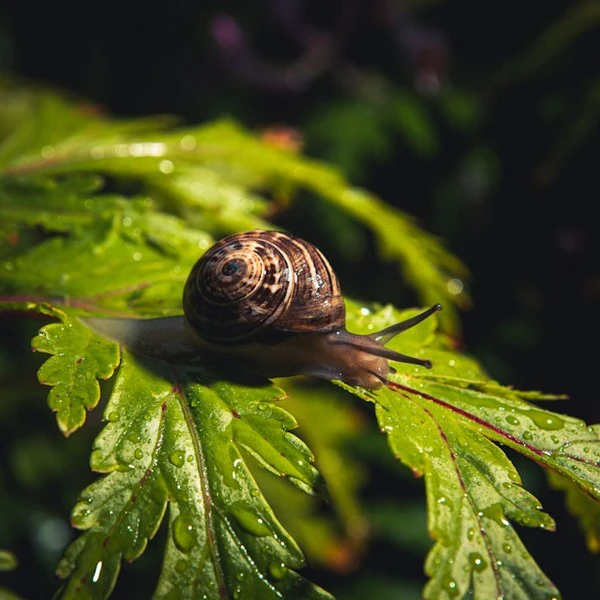
Snails and slugs are common garden pests that can damage leaves, stems, and young seedlings overnight.
These soft bodied mollusks feed on many vegetables, herbs, and flowers, especially in cool and damp conditions.
Gardeners often look for natural ways to manage them without harsh chemicals. Fortunately, several simple methods can help protect plants while supporting a healthy garden ecosystem.
Research on slug behavior and ecology shows that moisture, shelter, and food availability strongly influence slug populations in gardens and farms (Barker, 2002).
Control Garden Conditions
Reduce Damp Hiding Places
Snails and slugs hide during the day in cool, moist spaces. Thick debris, boards, and dense ground cover create ideal shelter.
Removing excess plant debris, trimming low leaves, and clearing hiding spots can make a garden less attractive to them.
Slugs depend heavily on moisture and shelter to survive daytime heat (South, 1992).
Water Early In The Day
Evening watering keeps soil damp overnight, which encourages slug activity. Watering in the morning allows the soil surface to dry before nightfall.
Drier soil in the evening can reduce the movement of slugs searching for food.
Improve Air Circulation
Plants that are crowded together trap moisture around leaves and soil. Proper spacing helps sunlight and air dry the area faster.
Better airflow can lower the humidity levels that snails and slugs prefer.
Soil Quality Changes The Result
Plant health depends on soil, water, sunlight, pests and mineral balance.
Use Natural Barriers
Copper Barriers
Copper strips placed around garden beds or pots can help block slugs. When slugs touch copper, a mild electrical reaction occurs due to their mucus, which discourages them from crossing.
Garden studies and pest management guides often recommend copper as a mechanical barrier rather than a chemical control (Hata, Hara and Hu, 1997).
Crushed Shell Or Gravel Rings
Rough materials such as crushed eggshells, coarse sand, or gravel can create uncomfortable surfaces for slugs to cross.
A small ring around seedlings can provide temporary protection while plants establish stronger growth.
Plant Collars
Collars made from cardboard, plastic, or garden fabric can protect young seedlings. These barriers prevent slugs from reaching tender stems and leaves.
Collars are especially useful during the early growth stage when plants are most vulnerable.
Set Simple Traps
Beer Traps
Beer traps are one of the most widely used slug traps. A shallow container filled with beer is buried so the rim sits level with the soil.
Slugs are attracted to the smell, fall into the container, and cannot escape. Field tests and pest management guides have documented their effectiveness in reducing slug numbers (Capinera, 2011).
Board Or Shelter Traps
Placing a flat board, tile, or piece of cardboard on the soil provides a cool hiding spot for slugs.
In the morning, lift the board and remove the slugs gathered underneath. This simple method works well for monitoring and reducing populations.
Fruit Or Vegetable Bait
Slices of melon, cucumber, or citrus peel can attract slugs overnight. The bait is placed near vulnerable plants.
In the morning, collect and remove the slugs feeding on the bait.
Use vs Avoid
| Use | Avoid |
|---|---|
| Compost | Overwatering |
| Clean water | Poor drainage |
| Healthy soil | Unknown sprays |
| Pest inspection | Ignoring soil problems |
Encourage Natural Predators
Birds
Many animals feed on slugs, including birds, ground beetles, frogs, and toads. Creating wildlife friendly spaces in the garden can help maintain natural pest control.
Research on agricultural ecosystems shows that predator diversity can influence slug populations and crop damage (Symondson, 1993).
Garden Habitat Balance
Small ponds, log piles, and mixed plantings provide shelter for beneficial animals that prey on slugs.
A balanced garden ecosystem often reduces the need for heavy pest control.
Limit Harsh Chemicals
Strong pesticides can harm beneficial insects and predators. Avoiding unnecessary chemical use helps maintain the natural food chain in the garden.
Garden Check
Protect Plants Directly
Raised Beds
Raised beds can help keep soil slightly warmer and better drained. Slugs often prefer cool, damp ground conditions.
Raised beds also make it easier to monitor pests and install protective barriers.
Manage Mulch Carefully
Mulch can improve soil health but may also provide shelter for slugs if used heavily.
A thin layer of mulch near young plants works better than thick, damp piles.
Check The Garden At Night
Snails and slugs are most active after sunset. A quick nighttime inspection with a flashlight can reveal areas where they are feeding.
Hand removal during these times can quickly reduce the number of pests in small gardens.
Suggested Posts



Evidence Limits
Research
Barker, G.M., 2002. Molluscs as Crop Pests. CABI Publishing.
Capinera, J.L., 2011. Handbook of Vegetable Pests. Academic Press.
Hata, T.Y., Hara, A.H. and Hu, B.K.S., 1997. Molluscicides and mechanical barriers for control of slugs in horticultural crops. HortTechnology.
South, A., 1992. Terrestrial Slugs: Biology, Ecology and Control. Chapman & Hall.
Symondson, W.O.C., 1993. The effects of crop diversification on slug populations and slug damage to winter wheat. Annals of Applied Biology.
Laznik, Ž., Tóth, T., Lakatos, T., & Trdan, S., 2011. Control of the slug Arion lusitanicus using different environmentally acceptable methods. Journal of Pest Science. doi: 10.1007/s10340-011-0363-8.
Speiser, B. and Kistler, C., 2002. Field tests with a molluscicide containing iron phosphate. Crop Protection. doi: 10.1016/S0261-2194(01)00119-1.
Glen, D.M. and Moens, R., 2002. Agriolimacidae, Arionidae and Milacidae as pests in west European arable agriculture. Agricultural Zoology Reviews.
Speiser, B., 2001. Food and feeding behaviour. In: Barker, G.M. (ed.) The Biology of Terrestrial Molluscs. CABI Publishing.
Port, G.R. and Port, C.M., 1986. The biology and behaviour of slugs in relation to crop damage and control. Agricultural Zoology Reviews.
Cook, A., 2001. Behavioural ecology: on doing the right thing, in the right place at the right time. In: Barker, G.M. (ed.) The Biology of Terrestrial Molluscs. CABI Publishing.
Rollo, C.D., 1991. Endogenous and exogenous control of slug activity. In: Barker, G.M. (ed.) The Biology of Terrestrial Molluscs. CABI Publishing.
Frank, T., 1998. Slug damage and slug control in winter wheat and winter oilseed rape in fields with sown wildflower strips. Agriculture, Ecosystems & Environment. doi: 10.1016/S0167-8809(97)00120-3.
Glen, D.M., Wiltshire, C.W. and Milsom, N.F., 1989. The effects of soil cultivation on slug populations. Annals of Applied Biology. doi: 10.1111/j.1744-7348.1989.tb03399.x.