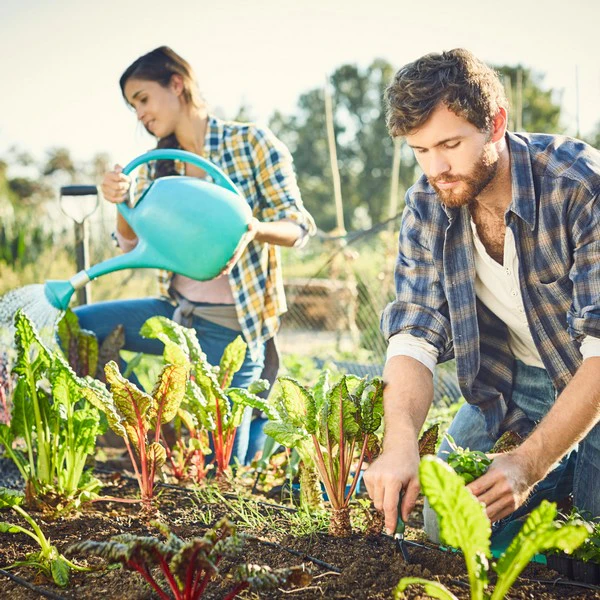
Key Takeaways
- Organic gardening starts with healthy soil, steady care and fewer harsh inputs.
- Compost, mulch and living roots help soil hold water and feed plants.
- Strong plants handle pests better when the garden has balanced soil.
- Chemical free pest control starts with watching closely before problems spread.
- A simple garden plan works better than chasing every new product.
Organic Garden Basics
Soil First
A chemical free garden starts in the soil. Healthy soil has air, water, minerals, roots and living organisms working together.
USDA guidance says a strong garden begins with good soil texture and structure, and compost can help improve poor backyard soil (1).
You do not need to fix everything at once. Start by looking at the soil after rain. Good soil should take in water without turning into a hard crust.
If water runs off or puddles for a long time, the soil needs more organic material and better cover.
Compost is one of the easiest ways to improve garden soil. It feeds soil life, improves water movement and adds slow plant nutrition.
Washington State University Extension says organic amendments such as compost can loosen soil, improve water infiltration and increase long term nutrient supply (2).
Start Small
A small organic garden is easier to manage than a large messy one. Start with a few beds or containers that you can water, weed and watch often.
When the garden is too large, pests spread before you notice them. Weeds also take over faster than most beginners expect.
Choose plants that suit your climate and season. Strong plants need less rescue.
Local extension guides can help with planting dates because heat, rain and frost change the best timing. A plant grown in the wrong season often becomes weak and attractive to pests.
Do not treat organic gardening as product shopping. A shelf full of natural sprays does not replace good soil, sunlight and steady care.
The garden works better when you build the base first. Soil, spacing and water habits decide far more than labels on bottles.
Build Better Soil
Compost & Mulch
Compost belongs in most organic gardens because it helps turn waste back into soil food. Use finished compost that smells earthy and looks broken down.
Unfinished compost can heat, smell bad or pull nitrogen from the soil while it breaks down. Add a modest layer and mix it gently into the bed before planting.
Mulch protects soil from sun, hard rain and weeds. Oregon State University Extension says mulch can suppress weeds, conserve soil moisture and moderate soil temperature (3).
Use clean mulch that fits the garden. Straw, dry leaves and finished compost can work well around vegetables.
Wood chips work better around paths, shrubs and trees. Keep thick mulch away from plant stems so the base does not stay wet and rot.
Feed Soil Life
Soil organisms need food and shelter. Compost feeds them. Mulch shelters them. Plant roots give them steady sugars while the plant is alive.
When soil stays bare for long periods, life below ground loses food and protection.
Roots also help build soil structure. They create channels for air and water. Dead roots leave small spaces after they break down.
These spaces help the next crop grow deeper. A garden with living roots for more of the year usually handles water better than bare soil.
You can also grow cover crops in empty beds. Cover crops protect soil between main crops and add plant material back to the ground.
USDA organic pest guidance says healthy soils are the basis of good pest management, and organic pest control can include cover crops, traps and beneficial insects (4).
Soil Quality Changes The Result
Plant health depends on soil, water, sunlight, pests and mineral balance.
Prevent Pest Problems
Watch Early
Organic pest control works best when you catch problems early. Look under leaves, check new growth and notice holes before half the plant is gone.
Many pests are easier to handle when there are only a few. A serious outbreak takes more work and often tempts people into stronger products.
South Dakota State University Extension describes integrated pest management as an approach that starts with correct pest identification, monitoring and the least toxic steps before stronger action (5).
This fits organic gardening because guessing often makes problems worse. You need to know what is eating the plant before you decide what to do.
Some insects are helpful. Lady beetles, lacewings and many small wasps can reduce pest pressure.
Do not spray everything that moves. A chemical free garden should have life in it. The goal is balance, not a sterile yard.
Use Barriers
Physical barriers are often better than sprays. Fine netting can protect young plants from insects.
Collars can protect tender stems from cutworms. Hand picking can remove large pests before they spread. These steps are plain, cheap and direct.
Use these first steps before any spray.
- Remove weak or diseased plant parts
- Hand pick visible pests when numbers are low
- Use netting or covers before pests arrive
Barriers need timing. A cover placed after pests are already inside can trap the problem with the plant.
Check both sides of leaves before covering a bed. Remove covers when plants need pollination, unless the crop does not depend on insect visits.
Choose Safer Sprays
Organic sprays can still harm good insects. A product is not harmless just because it is allowed in organic gardening.
Soap sprays, oils and plant based sprays should be used only when needed. Spray in the evening when helpful insects are less active and follow the label.
The University of Georgia Extension warns that organic pest management is not simply replacing one chemical with another product labeled organic (6).
Planning, identification and prevention come first. Sprays are backup tools, not the center of the garden.
Use vs Avoid
| Use | Avoid |
|---|---|
| Compost | Overwatering |
| Clean water | Poor drainage |
| Healthy soil | Unknown sprays |
| Pest inspection | Ignoring soil problems |
Grow Strong Plants
Right Plant Place
Plants become stronger when they grow in the right place. Sun loving plants need enough direct light.
Shade tolerant plants need relief from heat. Crowded plants stay damp longer and can attract disease. Spacing looks wasteful at first, but it often saves the crop later.
Watering also changes plant strength. Deep watering helps roots move down. Frequent shallow watering keeps roots near the surface and makes plants weaker during heat.
Water the soil, not the leaves, when you can. Wet leaves can invite disease in humid weather.
Good airflow matters in many gardens. Dense beds can trap moisture and make fungal problems worse.
Prune lightly when needed and remove dead leaves near the soil. A plant that dries well after rain usually has fewer disease problems.
Rotate Crops
Crop rotation means you avoid planting the same crop family in the same bed every season. Tomatoes, peppers and eggplants belong to one family.
Cabbage, broccoli and kale belong to another. Moving families helps reduce repeated pest and disease pressure.
Rotation also spreads nutrient demand across the garden. Different plants use soil in different ways.
Some have deeper roots. Some leave more residue. A simple written map helps you remember what grew where last season.
Use rotation with compost and mulch, not as a single fix. A badly fed bed can still struggle after rotation.
A healthy bed with rotation has a better chance of staying productive. Organic gardening works best when the habits support each other.
Weed Often
Weeds compete for water, light and space. They can also hide pests and keep leaves damp.
Pull weeds when they are small because small weeds come out quickly. Large weeds steal more from the garden and often drop seed before you notice.
Mulch helps reduce weeds, but it will not remove the need to check beds.
A few minutes every few days works better than a long rescue job once a month. Keep paths covered too. Weeds in paths often creep into beds.
Use clean tools and avoid spreading weed seeds through compost. Do not add seed heads or aggressive roots to a cool compost pile.
If you are unsure, keep those weeds out of the pile. A clean garden routine saves work later.
Garden Check
Daily Garden Care
Water With Care
A chemical free garden still needs steady water. Plants under water stress are easier targets for pests and disease.
Water early in the day when possible. This gives leaves time to dry if they get wet.
Check soil before watering. Push a finger into the bed and feel below the surface. The top can look dry while deeper soil still has moisture.
Too much water can rot roots and weaken plants. Good watering means enough, not endless.
Drip irrigation or soaker hoses can help because they water the soil with less leaf wetness. They also waste less water than overhead spraying.
If you use a hose, water slowly so the soil can absorb it. Fast water often runs away before roots benefit.
Harvest & Clean
Harvest food when it is ready. Overripe fruit can draw insects and disease. Dead leaves and rotting produce should leave the bed.
Clean harvest habits keep the garden healthier and make problems easier to spot.
Use this weekly garden check.
- Pick ripe food before it rots
- Remove dead leaves near the soil
- Check leaf undersides for pests
Garden cleanup should not mean stripping the soil bare. Leave clean mulch and healthy plant cover when it protects the ground.
Remove diseased plant parts and dispose of them away from the bed. The goal is clean growth with covered soil.
Keep Records
A small notebook can improve your garden fast. Write down planting dates, pest problems, weather stress and harvest timing.
You will forget details by next season. A few notes can save you from repeating the same mistakes.
Records also show what grows well in your yard. One garden may have heavy clay, another may dry out quickly and another may sit in too much shade.
Local observation beats generic advice. Your garden teaches you when you pay attention.
Organic gardening gets easier with each season. Soil improves, timing gets clearer and pest pressure becomes easier to read. The best garden is not perfect. It is alive, watched and cared for with steady habits.
For any health concerns or questions about a medical condition, get guidance from a physician or another appropriately trained clinician. Before changing your diet, supplements or health routine, talk with a licensed healthcare professional.
Suggested Posts


Evidence Limits
Research
United States Department of Agriculture, 2015. Tips for Starting an Organic Garden. USDA.
Miles, C. and Peet, M., 2015. Organic Practices for the Home Gardener. Washington State University Extension.
Sullivan, D.M., 2014. Improving Garden Soils With Organic Matter. Oregon State University Extension.
United States Department of Agriculture Agricultural Marketing Service, 2015. Tipsheet, Organic Pest Management. USDA.
Grebner, M., 2025. Organic Pest Control Methods. South Dakota State University Extension.
University of Georgia Extension, 2022. Organic Strategies for the Garden and Home Landscape. University of Georgia Extension.
North Carolina State Extension, 2022. Organic Gardening. NC State Extension Publications.
Utah State University Extension, 2025. Creating Sustainable School and Home Gardens, Organic Pest Management. Utah State University Extension.
University of Wisconsin Madison Division of Extension, 2021. Organic Gardening. Foundations in Horticulture.
United States Department of Agriculture Natural Resources Conservation Service, 2026. Soil Health. USDA NRCS.
Food and Agriculture Organization of the United Nations, 2017. Voluntary Guidelines for Sustainable Soil Management. FAO.
Poeplau, C. and Don, A., 2015. Carbon Sequestration in Agricultural Soils Via Cultivation of Cover Crops, A Meta Analysis. Agriculture, Ecosystems & Environment, 200, 33 to 41. DOI 10.1016/j.agee.2014.10.024.
Blanco Canqui, H., Shaver, T.M., Lindquist, J.L., Shapiro, C.A., Elmore, R.W., Francis, C.A. and Hergert, G.W., 2015. Cover Crops and Ecosystem Services, Insights From Studies in Temperate Soils. Agronomy Journal, 107, 2449 to 2474. DOI 10.2134/agronj15.0086.
Khangura, R., Ferris, D., Wagg, C. and Bowyer, J., 2023. Regenerative Agriculture, A Literature Review on the Practices and Mechanisms Used to Improve Soil Health. Sustainability, 15, 2338. DOI 10.3390/su15032338.
Lal, R., 2004. Soil Carbon Sequestration Impacts on Global Climate Change and Food Security. Science, 304, 1623 to 1627. DOI 10.1126/science.1097396. PMID 15192216.
Giller, K.E., Hijbeek, R., Andersson, J.A. and Sumberg, J., 2021. Regenerative Agriculture, An Agronomic Perspective. Outlook on Agriculture, 50, 13 to 25. DOI 10.1177/0030727021998063.
Newton, P., Civita, N., Frankel Goldwater, L., Bartel, K. and Johns, C., 2020. What Is Regenerative Agriculture? A Review of Scholar and Practitioner Definitions Based on Processes and Outcomes. Frontiers in Sustainable Food Systems, 4, 577723. DOI 10.3389/fsufs.2020.577723.
Rodale Institute, 2018. 10 Ways Organic Improves Soil Health. Rodale Institute.