Key Takeaways
- Reactive oxygen species help cells send signals, fight microbes and adapt to stress.
- Too many reactive oxygen species can damage fats, proteins and DNA.
- Mitochondria make reactive oxygen species during normal energy production.
- Exercise raises reactive oxygen species briefly, which helps the body adapt.
- Sleep, real food, minerals and lower toxin exposure help redox balance.
ROS Basics
Normal Cell Signals
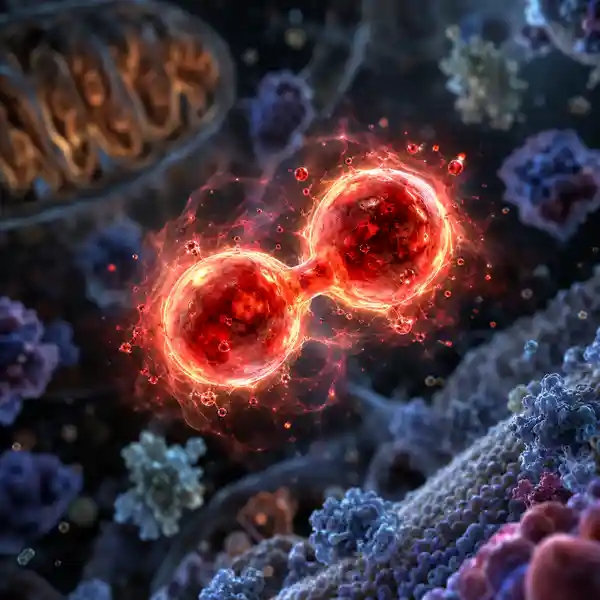
Reactive oxygen species are small oxygen based molecules made inside the body. The short name is ROS. They form during normal cell work, especially when cells make energy, fight microbes or respond to stress.
ROS are often described as harmful waste. The body uses them for normal signals too. Cells use controlled ROS signals to change enzyme activity, switch genes on or off and respond to stress (1).
Hydrogen peroxide is one common ROS signal. Superoxide is another. These molecules can react quickly, so the body has enzymes that control where they go and how long they last.
Health depends on control. A small ROS signal can help the body adapt. A large and poorly controlled ROS load can damage cells. The amount, location and timing decide the result.
Oxidative Stress
Oxidative stress means ROS production has gone beyond the body’s control systems. Damage can spread through cell membranes, proteins and DNA when this happens. This is where ROS become a problem.
Reviews describe oxidative stress as an imbalance between ROS formation and the body’s ability to clear or control them (2). This can happen during infection, toxin exposure, poor sleep, heavy alcohol use or long term metabolic strain.
A single hard day does not equal chronic oxidative stress. The body can handle short stress when repair systems work well. The problem grows when stress stays high and recovery stays low.
Where ROS Come From
Mitochondria
Mitochondria make much of the cell’s usable energy. Electrons move through the electron transport chain so cells can make ATP. Some electrons leak during this process and react with oxygen.
That leak can form superoxide. The body then changes superoxide into other molecules, including hydrogen peroxide. A review on mitochondrial ROS describes mitochondria as important sources of ROS during normal metabolism (3).
Mitochondria are not broken just because they make ROS. ROS production is part of normal energy biology. The issue is whether the cell can control the signal and repair any damage.
Poor mitochondrial function can raise ROS pressure. Excess fuel, low oxygen, toxins and inflammation can make the chain run poorly. Better energy flow usually means cleaner cell work.
Immune Defense
Immune cells use ROS to kill microbes. Neutrophils and macrophages can produce ROS during an immune response. This helps destroy bacteria and fungi.
The enzyme family called NADPH oxidase helps immune cells make ROS for defense. People with inherited defects in this system can suffer from serious repeat infections, which shows that ROS are needed for normal immunity (4).
The same immune tool can damage tissue when inflammation stays active. An acute immune burst can protect the body. Chronic immune activation can keep ROS high for too long.
Daily Exposures
Many daily exposures can raise ROS. Smoke, alcohol and air pollution can increase oxidative stress. Heavy metals can also disturb redox systems because they interfere with enzymes and minerals.
High sugar intake can add pressure through glucose swings, insulin strain and mitochondrial overload. Seed oils add another concern because their fragile fats can oxidize more easily than stable animal fats. Oxidized fats can worsen cell membrane stress.
Sunlight also creates ROS in skin. Sensible sun exposure supports normal biology, while burning adds more damage. The skin needs light without repeated injury.
ATP Depends On Minerals
ATP production needs minerals, oxygen handling, fuel and working mitochondria.
Health Effects
Cell Damage
ROS can damage lipids, proteins and DNA when levels stay too high. Lipid damage affects cell membranes. Protein damage can affect enzymes and tissue repair. DNA damage can raise repair demand inside the cell.
The body has repair systems for these problems. Glutathione, catalase, superoxide dismutase and other systems help control redox balance. These systems need minerals, amino acids and steady energy to work well.
Chronic oxidative stress has been linked with many disease processes. A review in Circulation Research describes ROS signaling in metabolic and inflammatory disease pathways (5). This does not mean ROS are always the first cause. It means uncontrolled ROS often appear inside the damage process.
Blood Vessels
Blood vessels use ROS for signals, but excess ROS can weaken nitric oxide activity. Nitric oxide helps blood vessels relax. Less nitric oxide can make vessels tighter and less responsive.
High blood sugar can worsen this problem. So can smoking, poor sleep and chronic inflammation. These pressures can make blood vessels produce more ROS while losing normal repair capacity.
Blood vessel health needs clean energy flow and mineral balance. Magnesium, copper and selenium support enzymes that help control redox reactions. These nutrients are better approached through food first, then tested support when needed.
Brain & Nerves
The brain uses a lot of oxygen and energy. It also contains many fats that can be damaged when oxidative stress rises. This makes the brain sensitive to poor redox control.
ROS are part of normal brain signaling. Nerve cells use redox signals during learning, repair and immune defense. Damage starts when ROS stay high and repair systems fall behind.
Sleep is important here. The brain clears waste and repairs during sleep. Poor sleep can raise oxidative pressure and weaken the body’s ability to recover.
Exercise & Adaptation
Training Signal
Exercise raises ROS for a short time. This is normal. Muscle work increases oxygen use, electron flow and local stress signals.
A short ROS rise after exercise helps the body adapt. It can trigger better antioxidant enzymes, more mitochondria and stronger stress response systems. Reviews on exercise describe this as a normal adaptation process (6).
Training works because the body receives a stress signal and then rebuilds. The signal needs recovery. Too much hard training with poor sleep can turn a useful signal into strain.
Antioxidant Overuse
Many people assume more antioxidants always help. Biology is not that simple. Strong antioxidant dosing around training can blunt some exercise adaptations because the ROS signal is part of the training response.
Research reviews describe ROS and inflammatory mediators as key signals in muscle adaptation, and high antioxidant use may reduce some benefits of exercise (7).
Food based support is different from forcing high dose synthetic antioxidants. Real food brings nutrients inside a wider package. The body still gets the training signal while receiving raw materials for repair.
Recovery
Recovery decides whether ROS from training help or harm. Sleep, protein, minerals and enough rest all change the result. A hard workout followed by poor sleep and poor food leaves the body with less repair capacity.
Muscle needs amino acids for repair. Mitochondria need minerals and steady fuel handling. Real meals based on meat, eggs, seafood and animal fats give direct nutrition without a sugar load.
Training should match capacity. Walking, lifting and short harder efforts can all help when recovery is present. Constant exhaustion is not a better signal.
Better vs Worse
| Better | Worse |
|---|---|
| Magnesium | Poor sleep |
| Copper status | Sugar |
| Protein intake | Iron overload |
| Strength work | No movement |
Redox Balance
Body Defenses
The body makes its own antioxidant defenses. Glutathione is one major system. Superoxide dismutase and catalase are also important. These systems work inside cells every day.
NADPH helps keep several repair and antioxidant systems active. Chandel describes NADPH as a central reducing molecule used for antioxidant defense and biosynthesis (8).
Minerals help these systems work. Copper supports superoxide dismutase. Selenium supports glutathione peroxidase. Magnesium supports ATP handling and many enzyme reactions.
Food quality affects these defenses. Protein supplies amino acids for glutathione. Animal foods provide minerals and fat soluble nutrients in usable forms. Seed oils, refined sugar and fortified grain products are poor foundations for redox control.
Food Choices
A redox supportive diet should reduce avoidable stress and supply real nutrients. Meat, eggs and seafood provide complete protein, minerals and direct forms of key nutrients. Animal fats provide stable energy without a large glucose surge.
High sugar meals can push glucose and insulin higher than many bodies handle well. This can raise mitochondrial pressure and oxidative stress. Removing sugar and refined starch lowers that load.
Seed oils deserve caution because they are rich in fragile polyunsaturated fats. These fats can oxidize during processing, storage, cooking and inside the body. Stable animal fats are a cleaner choice for daily cooking.
Sleep & Light
Sleep helps repair redox stress. Short sleep can raise inflammation and weaken glucose handling. Better sleep gives mitochondria and immune cells more time to reset.
Morning light helps set the body clock. A steady body clock supports sleep timing, hormone rhythm and energy use. Evening darkness helps the brain prepare for repair.
Late screens can keep the nervous system alert. Alcohol can worsen sleep quality even when it helps someone fall asleep. Better sleep often lowers the background stress that keeps ROS high.
Energy Check
Useful Checks
Warning Signs
Oxidative stress does not have one clear symptom. Fatigue, poor recovery, brain fog and muscle soreness can have many causes. These signs are useful only when they are read with the full picture.
Blood sugar, waist size, sleep quality and blood pressure can give better clues. High triglycerides, fatty liver and poor glucose control often point toward metabolic strain. These problems can raise ROS through fuel overload and inflammation.
Lab testing should match the person. Iron studies, ferritin, copper, ceruloplasmin, magnesium and selenium may be useful in the right setting. Guessing with minerals can create new problems because these systems interact.
Stronger Routine
Daily habits should lower excess ROS while keeping useful stress signals. Move daily. Sleep well. Eat real food. Avoid smoke, heavy alcohol and seed oils.
Exercise should challenge the body without crushing recovery. Food should supply protein and minerals without constant sugar swings. Sunlight should support rhythm without repeated burning.
ROS are not enemies. They are normal signals that become harmful when control fails. Health improves when the body can make them, use them and clear them at the right time.
For any health concerns or questions about a medical condition, get guidance from a physician or another appropriately trained clinician. Before changing your diet, supplements, or health routine, talk with a licensed healthcare professional.
Suggested Posts


Evidence Limits
Research
Bardaweel, S.K., Gul, M., Alzweiri, M., Ishaqat, A., Alsalamat, H.A. and Bashatwah, R.M., 2018. Reactive oxygen species. The dual role in physiological and pathological conditions of the human body. Eurasian Journal of Medicine, 50, 193 to 201. DOI 10.5152/eurasianjmed.2018.17397. PMID 30515079.
Pizzino, G. et al., 2017. Oxidative stress. Harms and benefits for human health. Oxidative Medicine and Cellular Longevity, 2017, 8416763. DOI 10.1155/2017/8416763. PMID 28819546.
Starkov, A.A., 2008. The role of mitochondria in reactive oxygen species metabolism and signaling. Annals of the New York Academy of Sciences, 1147, 37 to 52. DOI 10.1196/annals.1427.015. PMID 19076429.
Chandel, N.S., 2021. NADPH. The forgotten reducing equivalent. Cold Spring Harbor Perspectives in Biology, 13, a040550. DOI 10.1101/cshperspect.a040550. PMID 34031257.
Forrester, S.J. et al., 2018. Reactive oxygen species in metabolic and inflammatory signaling. Circulation Research, 122, 877 to 902. DOI 10.1161/CIRCRESAHA.117.311401. PMID 29700084.
Goto, S. and Radák, Z., 2009. Hormetic effects of reactive oxygen species by exercise. A view from animal studies for successful aging in human. Dose Response, 8, 68 to 72. DOI 10.2203/dose response.09 031.Goto. PMID 20221297.
Peake, J.M., Markworth, J.F., Nosaka, K., Raastad, T., Wadley, G.D. and Coffey, V.G., 2015. Modulating exercise induced hormesis. Does less equal more. Journal of Applied Physiology, 119, 172 to 189. DOI 10.1152/japplphysiol.01055.2014. PMID 25814673.
Murphy, M.P., 2009. How mitochondria produce reactive oxygen species. Biochemical Journal, 417, 1 to 13. DOI 10.1042/BJ20081386. PMID 19061483.
Zorov, D.B., Juhaszova, M. and Sollott, S.J., 2014. Mitochondrial reactive oxygen species and ROS induced ROS release. Physiological Reviews, 94, 909 to 950. DOI 10.1152/physrev.00026.2013. PMID 24987008.
De Almeida, A.J.P.O. et al., 2022. ROS. Basic concepts, sources, cellular signaling and its implications in aging pathways. Oxidative Medicine and Cellular Longevity, 2022, 1225578. DOI 10.1155/2022/1225578. PMID 36313064.
Sinenko, S.A., Starkova, T.Y., Kuzmin, A.A. and Tomilin, A.N., 2021. Physiological signaling functions of reactive oxygen species in stem cells. Frontiers in Cell and Developmental Biology, 9, 714370. DOI 10.3389/fcell.2021.714370. PMID 34490200.
Kalogeris, T., Bao, Y. and Korthuis, R.J., 2014. Mitochondrial reactive oxygen species. A double edged sword in ischemia reperfusion versus preconditioning. Redox Biology, 2, 702 to 714. DOI 10.1016/j.redox.2014.05.006. PMID 24944913.
Oliveira, M.F. et al., 2018. Is preparation for oxidative stress a case of physiological conditioning hormesis. Frontiers in Physiology, 9, 945. DOI 10.3389/fphys.2018.00945. PMID 30079032.
Ji, L.L., 2010. Exercise induced modulation of antioxidant defense. Annals of the New York Academy of Sciences, 959, 82 to 92. DOI 10.1111/j.1749 6632.2002.tb02085.x. PMID 11976188.
Hong, Y., Boiti, A., Vallone, D. and Foulkes, N.S., 2024. Reactive oxygen species signaling and oxidative stress. Antioxidants, 13, 312. DOI 10.3390/antiox13030312.